

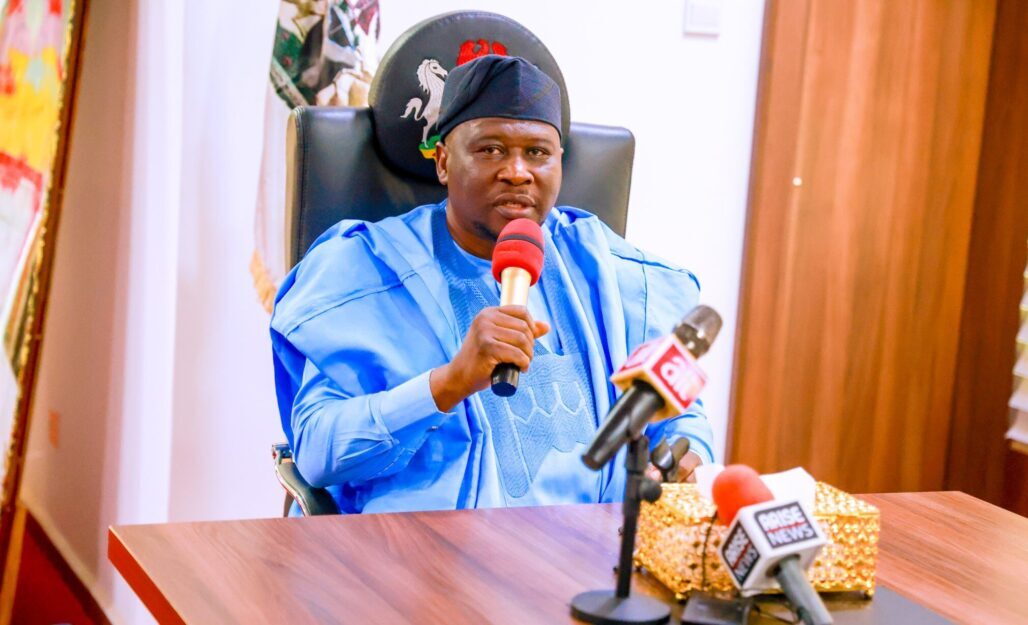
There is growing pressure on the Governor of Adamawa State, Ahmadu Umaru Fintiri, to take decisive action on disability inclusion, as persons with disabilities (PWDs) intensify calls for the signing of the amended Disability Rights Law and the immediate inauguration of the State Disability Rights Commission.
The renewed demand, driven by the Rechard Bisane Foundation on behalf of the disability community, reflects mounting frustration over what stakeholders describe as prolonged delays in fulfilling key commitments that directly impact the lives, rights, and dignity of thousands of persons with disabilities in the state.
A Promise Yet to Be Fulfilled
At the heart of the agitation lies a promise made during the 2019 electioneering campaign. According to stakeholders, persons with disabilities, under the platform of the PDP Disability Forum, had presented a clear set of demands to the governor. These included access to employment opportunities, targeted empowerment programmes, and, most critically, the implementation of the Adamawa State Disability Rights Commission Law, initially enacted in 2016.
The governor had reportedly assured the community that the commission would be inaugurated within his first 100 days in office—an assurance that ignited hope among PWDs for a new era of inclusion and institutional support.
However, years down the line, that promise remains largely unfulfilled.
Repeated Engagements, Lingering Delays
Advocacy efforts did not stop after the elections. On January 26, 2021, leaders of the Joint National Association of Persons with Disabilities (JONAPWD), Adamawa State Chapter, led by Engr. Sani Sabo, paid a strategic advocacy visit to the governor. During that meeting, the urgency of implementing the disability law was again emphasized.
Stakeholders say Governor Fintiri reassured them at the time that the law would be fully implemented before the end of his tenure—another commitment that raised expectations across the disability community.
Yet, as the administration gradually approaches its final phase, those expectations are giving way to concern.
Legislative Progress Without Executive Assent
In a significant legislative move, the Adamawa State House of Assembly in 2024 repealed the earlier version of the disability law and passed an amended version to align with Nigeria’s broader national disability framework.
While this step was widely applauded by stakeholders as a progressive move toward standardization and stronger legal protection, the absence of executive assent has stalled its implementation.
For many within the disability community, this delay represents more than just a legislative gap—it is a barrier to opportunity, protection, and participation.
Why the Law Matters
The proposed Disability Rights Law is not merely symbolic. Its full implementation would establish a functional Disability Rights Commission tasked with addressing discrimination, promoting accessibility, and ensuring that PWDs are fully integrated into governance, economic opportunities, and social development programmes.
According to the Rechard Bisane Foundation, operationalizing the commission would significantly transform the lived realities of persons with disabilities in Adamawa State.
“It would provide a structured system for accountability, ensure enforcement of disability rights, and open doors for inclusive policies that leave no one behind,” the foundation emphasized.
A Defining Moment for Leadership
While acknowledging the efforts of the current administration in other areas of governance, stakeholders insist that the signing of the amended law and the inauguration of the commission remain critical benchmarks for inclusive leadership.
Observers note that fulfilling this commitment could redefine Governor Fintiri’s legacy—positioning him as a leader who not only made promises but delivered on them, particularly for marginalized populations.
Conversely, continued delay risks deepening distrust and reinforcing longstanding concerns about the marginalization of persons with disabilities in governance processes.
Voices Calling for Inclusion
Across advocacy circles, the message is clear: inclusion cannot wait.
For persons with disabilities in Adamawa State, the call is not just about a law—it is about recognition, dignity, and equal participation in society.
As Comrade Bitrus Richard, Executive Director of the Rechard Bisane Foundation, noted in the statement, fulfilling this long-standing commitment would send a powerful signal that the government is truly committed to justice, equity, and inclusive development.
The Road Ahead
With time running out on the current administration, all eyes are now on Governor Ahmadu Umaru Fintiri.
Will he act decisively and cement his legacy as a champion of inclusion, or will the hopes of thousands of persons with disabilities remain unmet?
For many in Adamawa’s disability community, the answer cannot come soon enough.


