

The Nigerian Hypertension Society has raised fresh concerns over the growing burden of hypertension in Nigeria, warning that the condition remains the leading preventable cause of death and disability in the country and across the globe.
The warning came as the Society joined the international community to commemorate World Hypertension Day, calling for urgent collective action to tackle what health experts describe as a dangerous “silent killer” affecting millions of Nigerians.
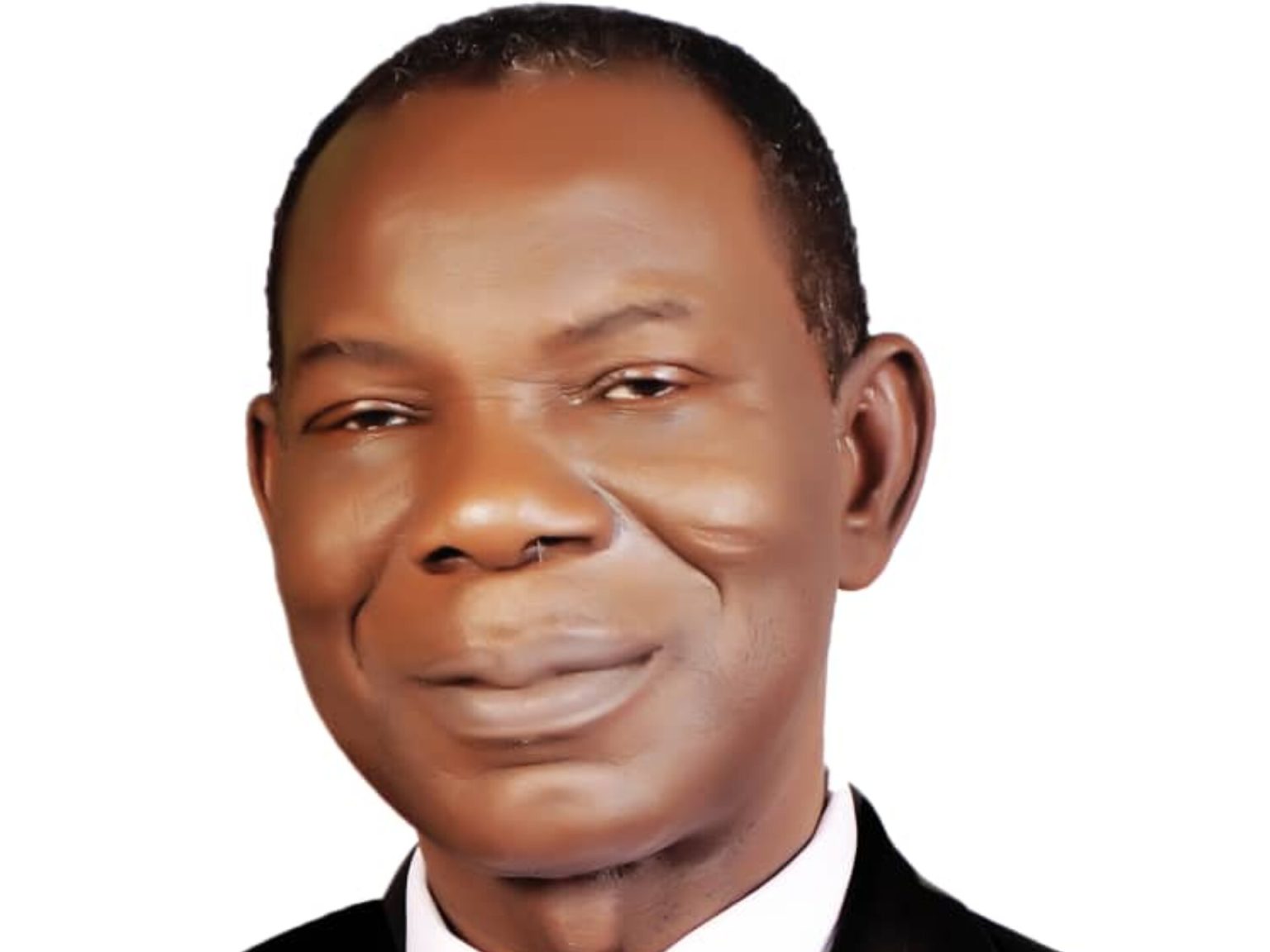
Speaking during the commemoration, President of the Nigerian Hypertension Society, Professor Simeon Isezuo, said the alarming rate of hypertension in Nigeria requires immediate national attention, stronger policies, and increased public awareness.
“This day serves as a reminder that hypertension remains the leading preventable cause of death and disability in Nigeria and the world,” he stated.
According to him, this year’s theme, “Controlling Hypertension Together: Check your blood pressure regularly and defeat the silent killer,” highlights the importance of collective responsibility in combating the disease.
He stressed that no single institution or sector can successfully address the crisis alone, noting that defeating hypertension requires coordinated efforts from government institutions, healthcare professionals, civil society organizations, the private sector, traditional and religious leaders, families, and individuals.
Professor Isezuo revealed that the burden of hypertension in Nigeria has reached disturbing levels, with one in every three Nigerian adults currently living with the condition.
Even more concerning, he noted, is the fact that fewer than one in five Nigerians diagnosed with hypertension are able to maintain their blood pressure within recommended levels.
“This is unacceptably low,” he lamented.
He explained that hypertension is often referred to as a “silent killer” because many people live with the condition without experiencing noticeable symptoms until severe complications arise.
According to him, untreated hypertension can lead to life-threatening conditions such as stroke, kidney failure, heart failure, heart attacks, and sudden premature death.
Despite the severity of the condition, the Society maintained that hypertension is largely preventable and treatable if detected early through regular screening and proper medical management.
Health experts, however, warned that several factors continue to hinder effective hypertension control in Nigeria.
Among the major challenges identified are low public awareness, late diagnosis, poverty, weak primary healthcare systems, poor adherence to medication, and unhealthy lifestyles including excessive salt consumption, physical inactivity, stress, smoking, and poor nutrition.
The Society also expressed concern that Nigeria’s worsening economic realities have significantly increased the burden on people living with hypertension.
According to Professor Isezuo, rising inflation and economic hardship have pushed up the cost of medications, transportation to healthcare facilities, and healthy food options, making it increasingly difficult for patients to sustain treatment.
“These factors have forced many people with hypertension to skip doses, take underdoses, or abandon treatment entirely,” he warned.
He added that poor medication adherence remains one of the leading contributors to avoidable complications and deaths associated with hypertension in the country.
As part of activities marking World Hypertension Day, the Nigerian Hypertension Society announced plans to conduct free blood pressure screenings across Nigeria while intensifying public awareness campaigns through radio, television, newspapers, and digital platforms.
The Society also disclosed that it would organize a Continuing Medical Education webinar focused on hypertension and diabetes management for healthcare professionals across the country.
Professor Isezuo reaffirmed the Society’s commitment to working closely with the Nigerian government, medical associations, patient groups, and development partners to expand access to hypertension screening, improve treatment, and advocate for stronger health policies.
While commending the Federal Government’s ongoing efforts toward hypertension control, he called for increased investment in healthcare, subsidized essential hypertension medications, and expanded health insurance coverage to reduce the financial burden on patients.
The Society further urged healthcare workers to prioritize routine blood pressure screening for every adult during medical visits and to consistently provide lifestyle counselling and evidence-based treatment.
The media was also challenged to intensify public education campaigns aimed at correcting misinformation and promoting healthy living.
Families, according to the Society, also have a critical role to play by supporting relatives living with hypertension to adhere to medications, attend follow-up appointments regularly, and maintain healthier lifestyles.
Professor Isezuo encouraged Nigerians to become more proactive about their health by regularly monitoring important health indicators.
“Every individual should know their numbers, including blood pressure, weight, blood sugar, and cholesterol,” he advised.
He emphasized that with stronger collaboration, increased awareness, improved healthcare access, and healthy lifestyle choices, Nigeria can significantly reduce deaths and disabilities linked to hypertension.
“Together, the control of hypertension is achievable, and this silent killer can be defeated,” he said.
Health experts have continued to warn that unless urgent measures are taken, the growing burden of hypertension could place even greater pressure on Nigeria’s already overstretched healthcare system and negatively impact national productivity and life expectancy.
Click the link below to join our WhatsApp channel


