

ABUJA — In a powerful show of unity, advocacy, and hope, the National Commission for Persons with Disabilities (NCPWD) and the Nigerian Air Force Officers’ Wives Association (NAFOWA) have called for greater inclusion, early diagnosis, and sustained support for persons on the autism spectrum, as they marked the 2026 World Autism Awareness Month with a high-impact awareness walk in the nation’s capital.
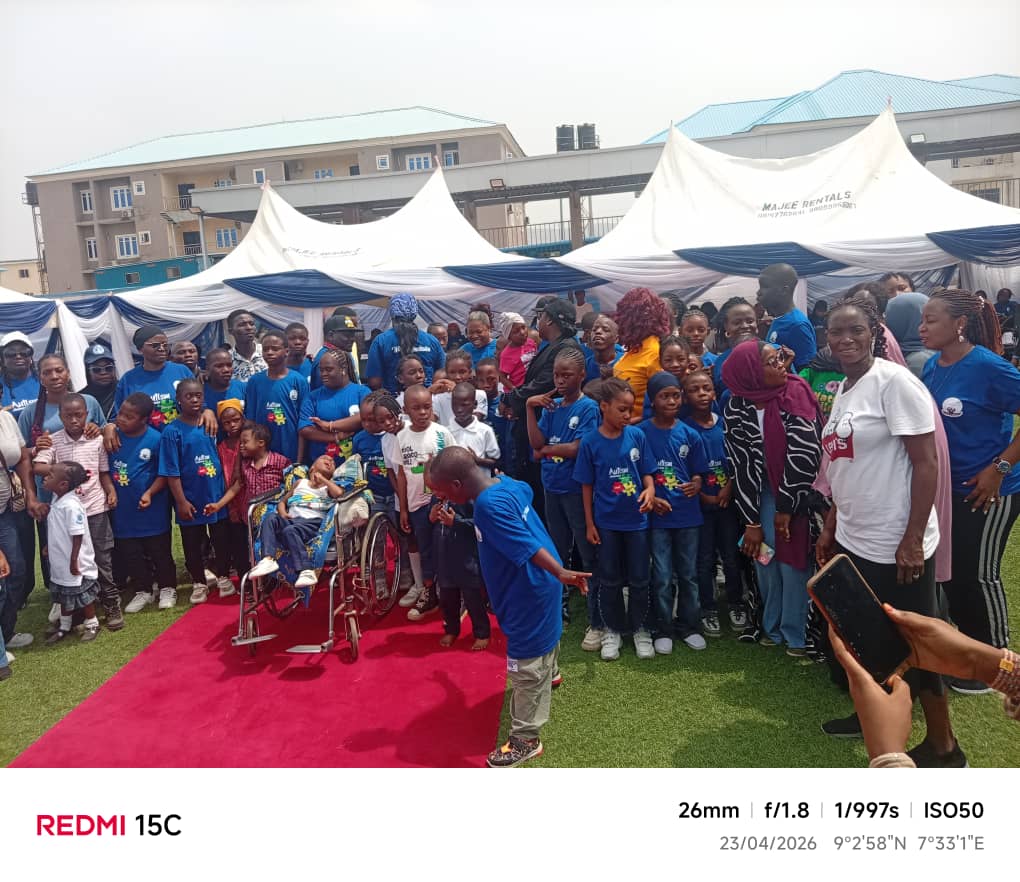
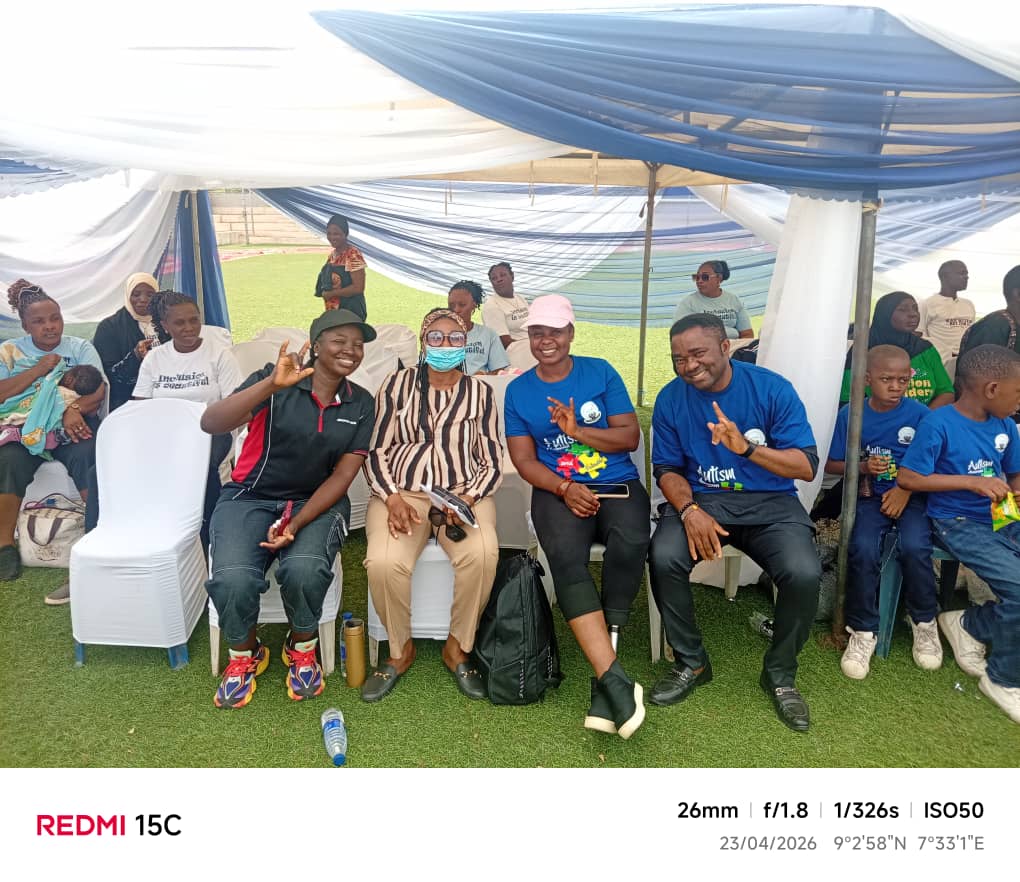
The event, themed “Unique and Valuable,” drew a diverse crowd of policymakers, disability advocates, families, and stakeholders to the Nigerian Air Force Base in Asokoro, where participants took to the streets in a symbolic walk tagged “Wings of Inclusion: NAFOWA Walks for Autism.” The initiative was not just a march—it was a bold statement against stigma and a renewed call for action toward building a more inclusive Nigerian society.
From the early hours of the day, the atmosphere was charged with purpose as participants clad in themed attire walked in solidarity, amplifying voices often unheard and shining a spotlight on the realities faced by individuals and families living with autism.
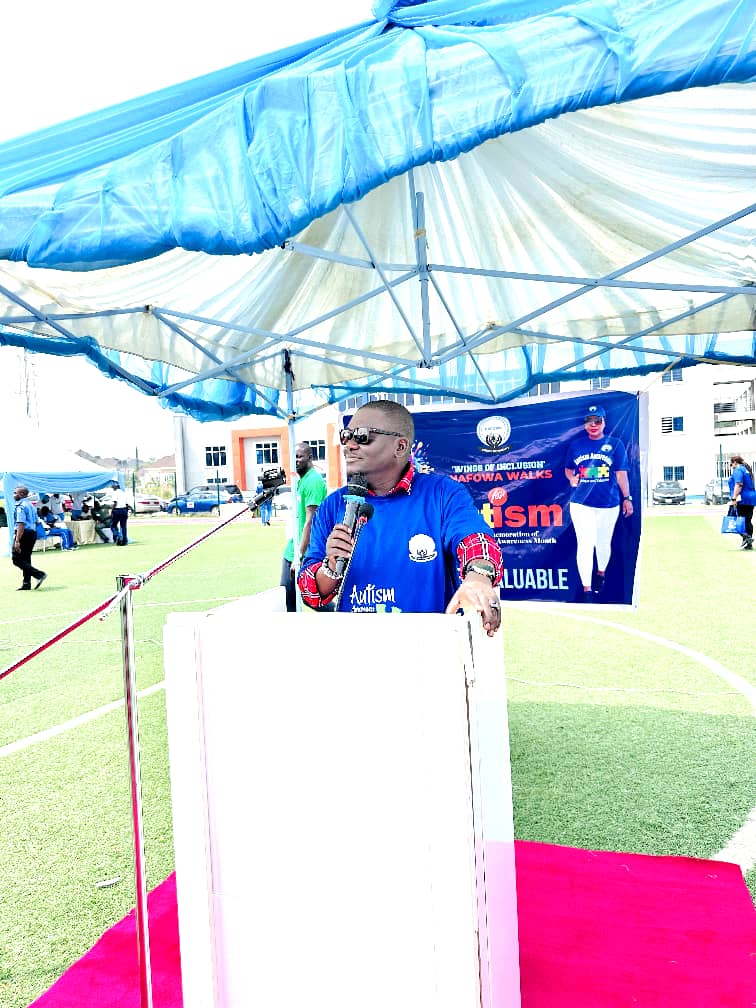
Speaking at the event, NAFOWA National President, Mrs. Ngozi Aneke, delivered an emotional and inspiring address, urging Nigerians to shift from mere awareness to intentional inclusion.
“Autism is not a limitation but a different way of experiencing the world,” she said. “Yet, too many individuals and families continue to grapple with stigma, misunderstanding, and delayed diagnosis. Today, we are not just walking—we are making a statement that every child, regardless of their condition, is unique and valuable.”
She emphasized that World Autism Awareness Month, which begins globally on April 2, serves as a vital opportunity to reflect, advocate, and mobilize collective efforts toward a society where differences are embraced, not feared.
According to her, the “Wings of Inclusion” campaign embodies NAFOWA’s unwavering commitment to fostering empathy, understanding, and action. “Our walk today symbolizes progress, solidarity, and a shared vision for inclusion. It is a call to all Nigerians to champion a society where individuals are recognized for their strengths and not defined by their limitations,” she added.
Mrs. Aneke also acknowledged the presence of the Executive Secretary of NCPWD, Hon. Ayuba Burki Gufwan, describing his leadership as instrumental in advancing disability inclusion at the national level.
Representing the Executive Secretary, the Director of General Services at NCPWD, Mr. Gurumyen Carolus, commended NAFOWA for its consistency in championing disability rights and inclusive initiatives. He stressed that awareness must go beyond symbolic events and translate into tangible outcomes for persons with autism.
“Autism awareness cannot end with a walk,” he stated firmly. “It must lead to accessible education, early intervention services, and robust family support systems across every community in Nigeria.”
He reaffirmed the Commission’s commitment to enforcing the Discrimination Against Persons with Disabilities (Prohibition) Act, 2018, noting that the law remains a critical tool in dismantling systemic barriers that hinder persons with disabilities from achieving their full potential.
“The truth is simple,” he continued. “Every child is unique. Every child is valuable. And it is our collective responsibility to ensure that no one is left behind.”
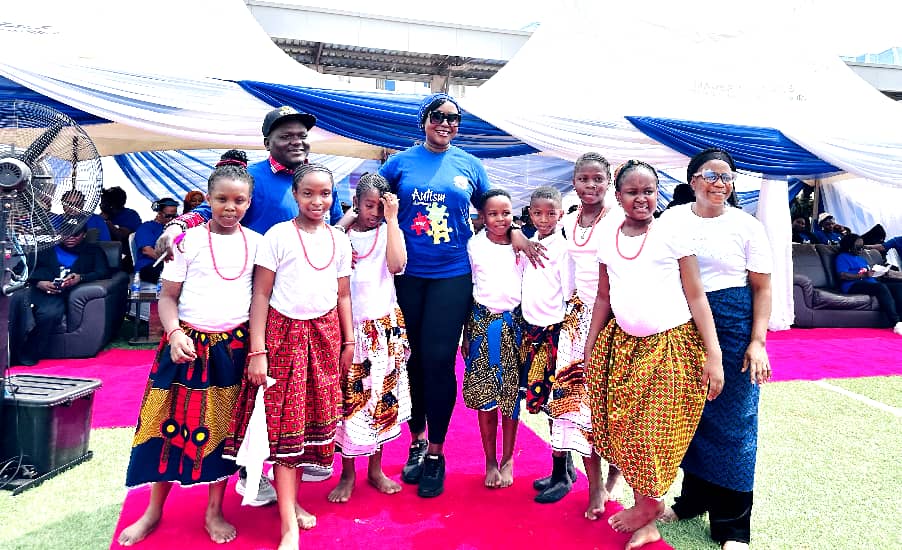
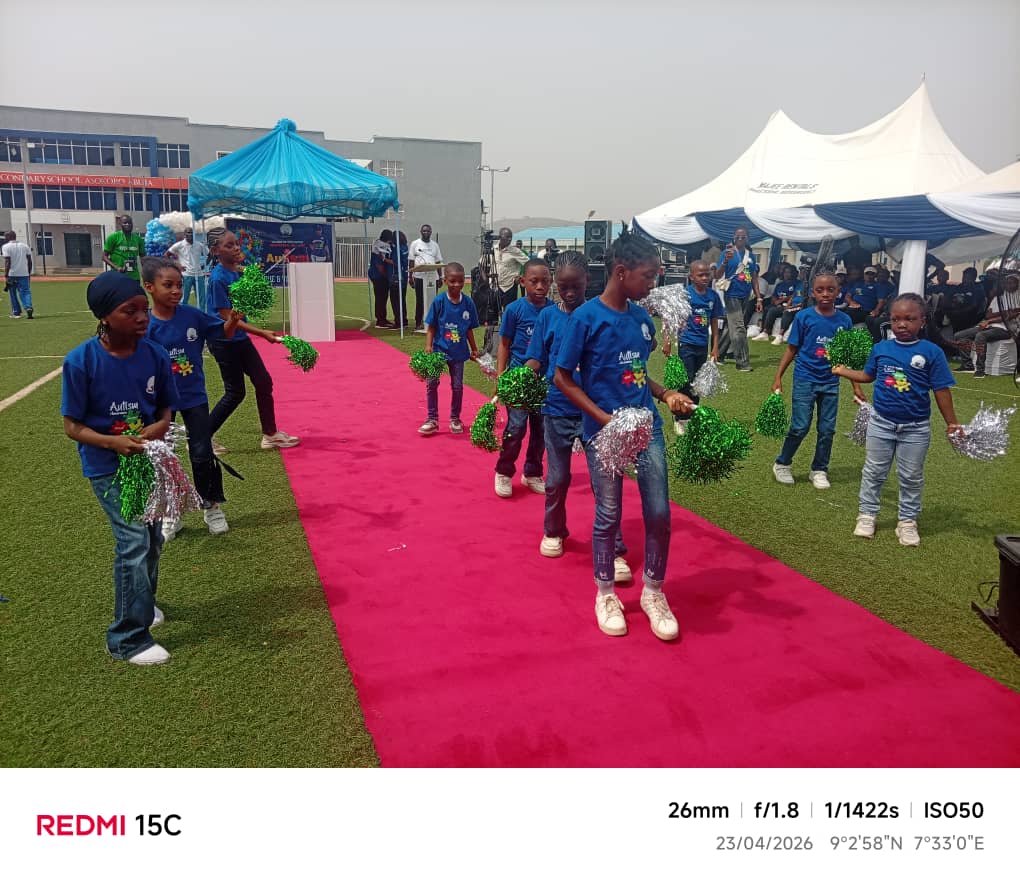
The event also featured vibrant highlights that underscored the spirit of inclusion and celebration. The Executive Secretary of NCPWD was honoured with an award in recognition of his contributions to disability advocacy, while children—many of them on the autism spectrum—delighted attendees with a lively dance performance that drew cheers and applause.
Beyond the festivities, the message was clear: inclusion is not optional—it is essential.
Stakeholders at the event reiterated that while awareness has improved over the years, significant gaps remain in early diagnosis, access to specialized education, and support services for families. They called on government institutions, private sector players, and communities to work collaboratively in bridging these gaps.
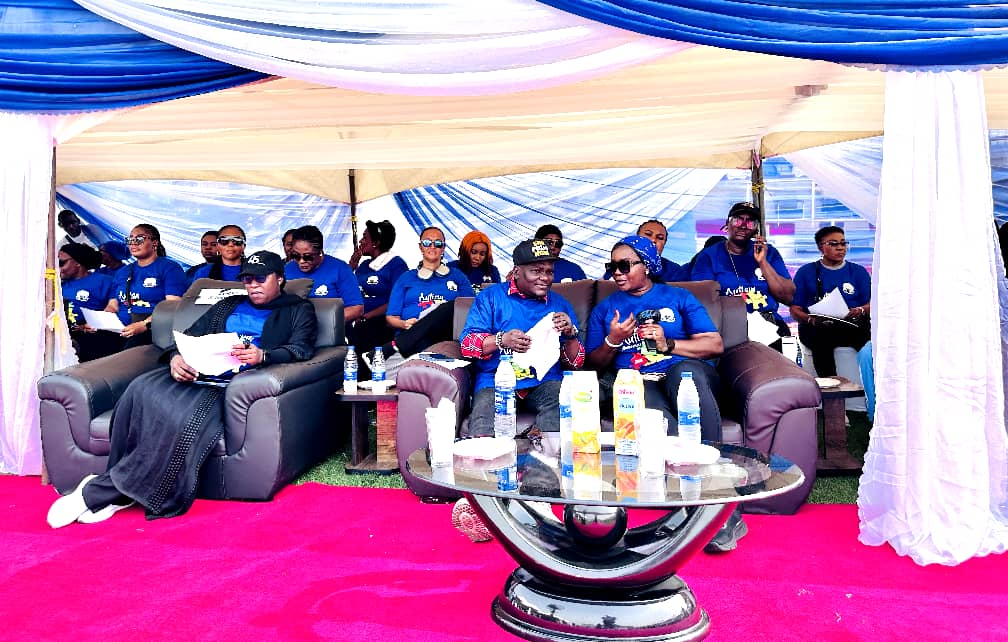
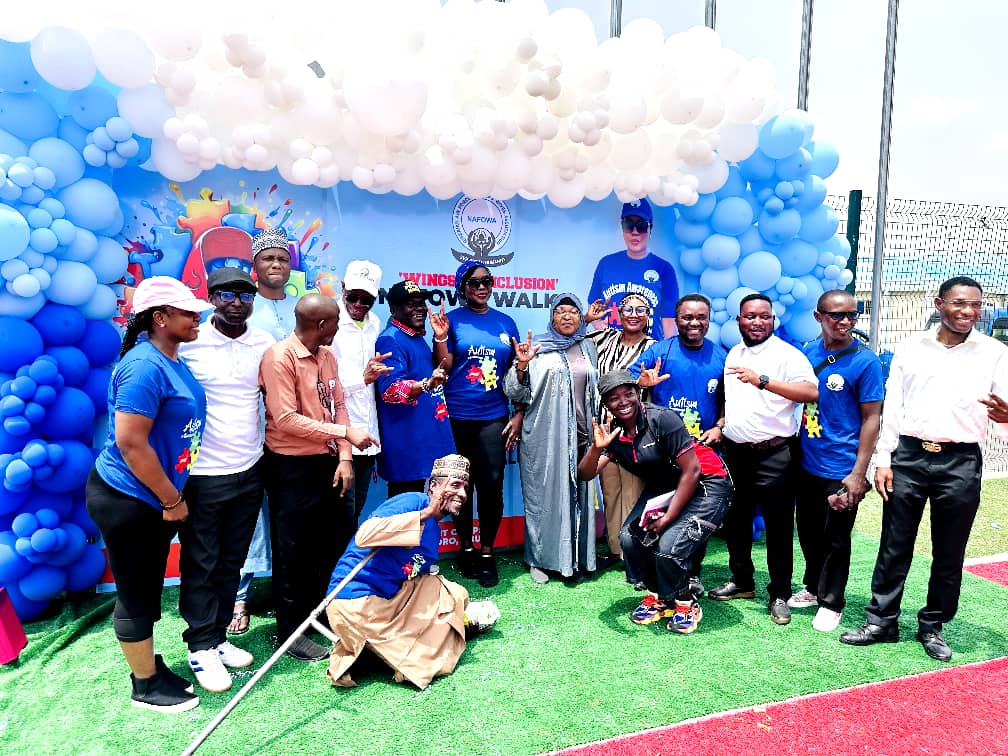
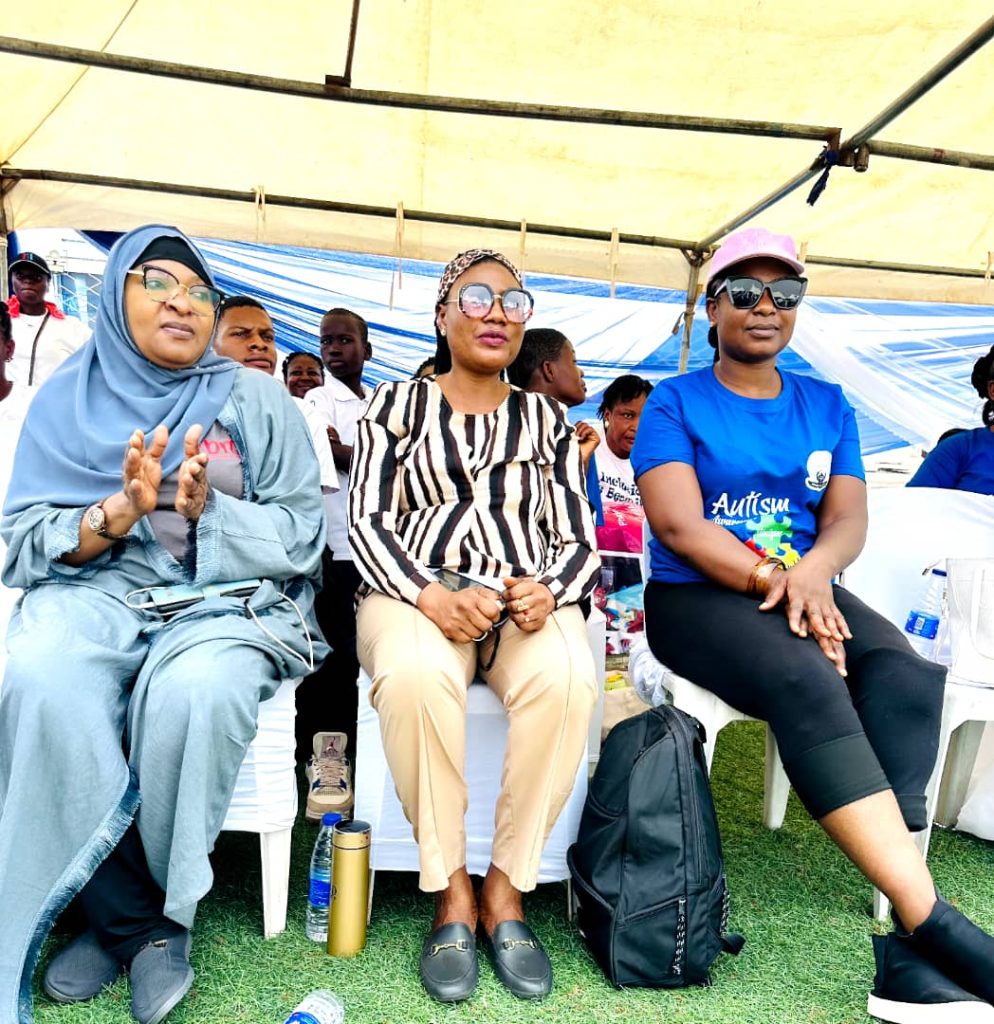
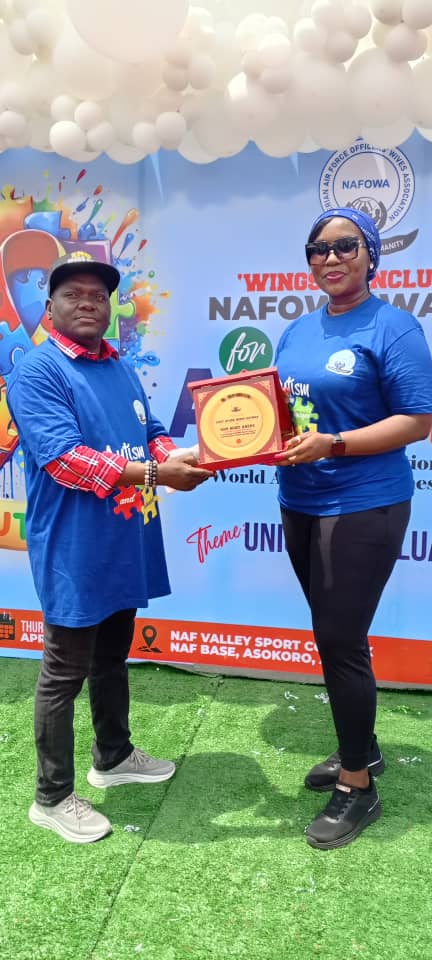
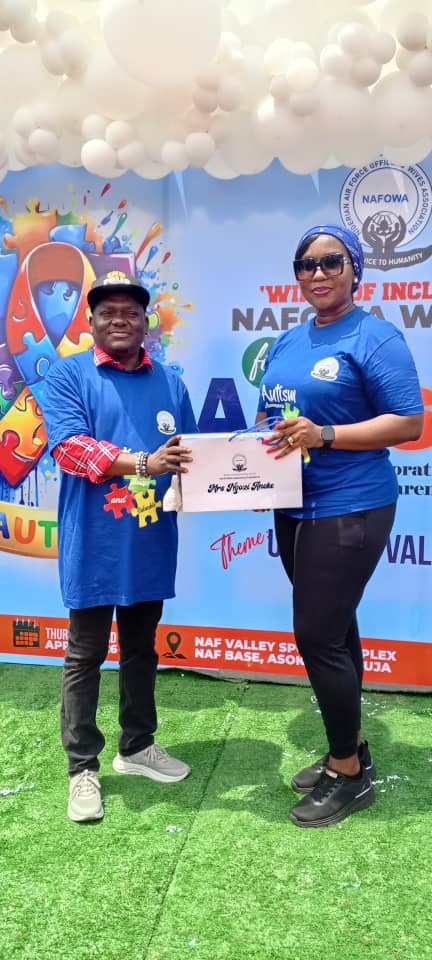
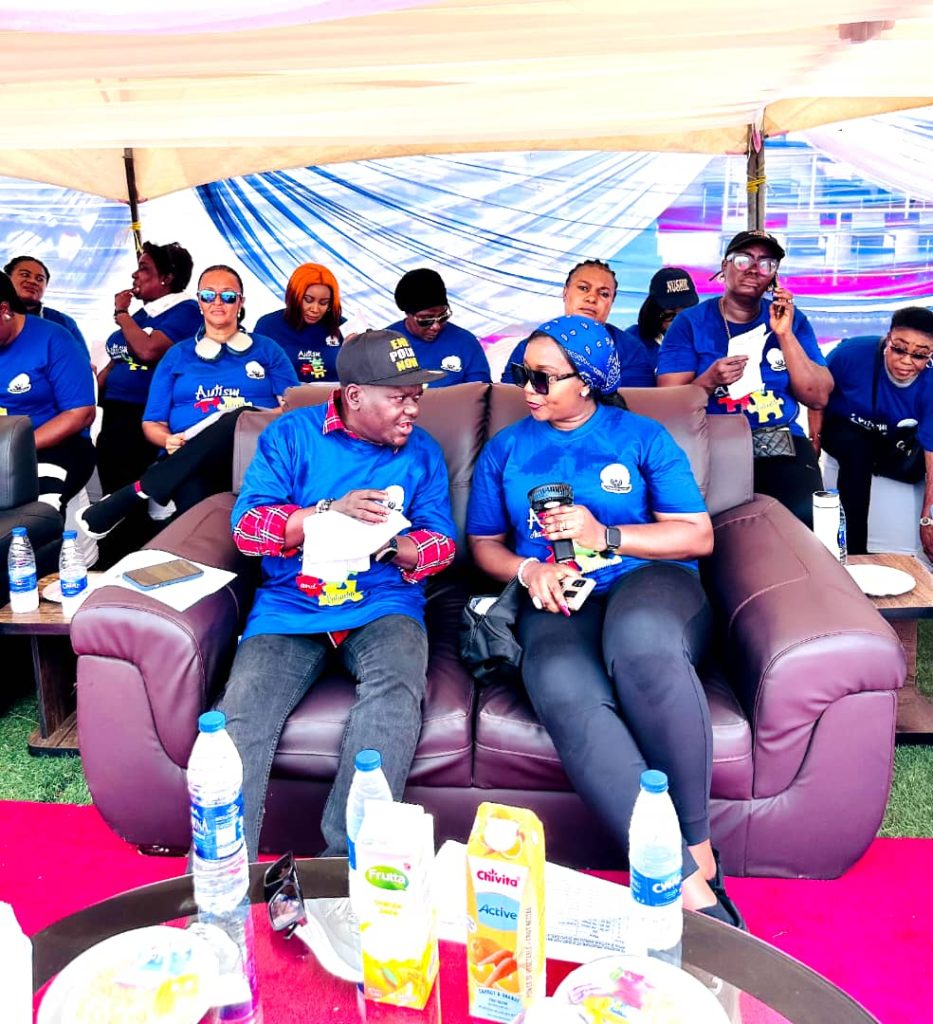
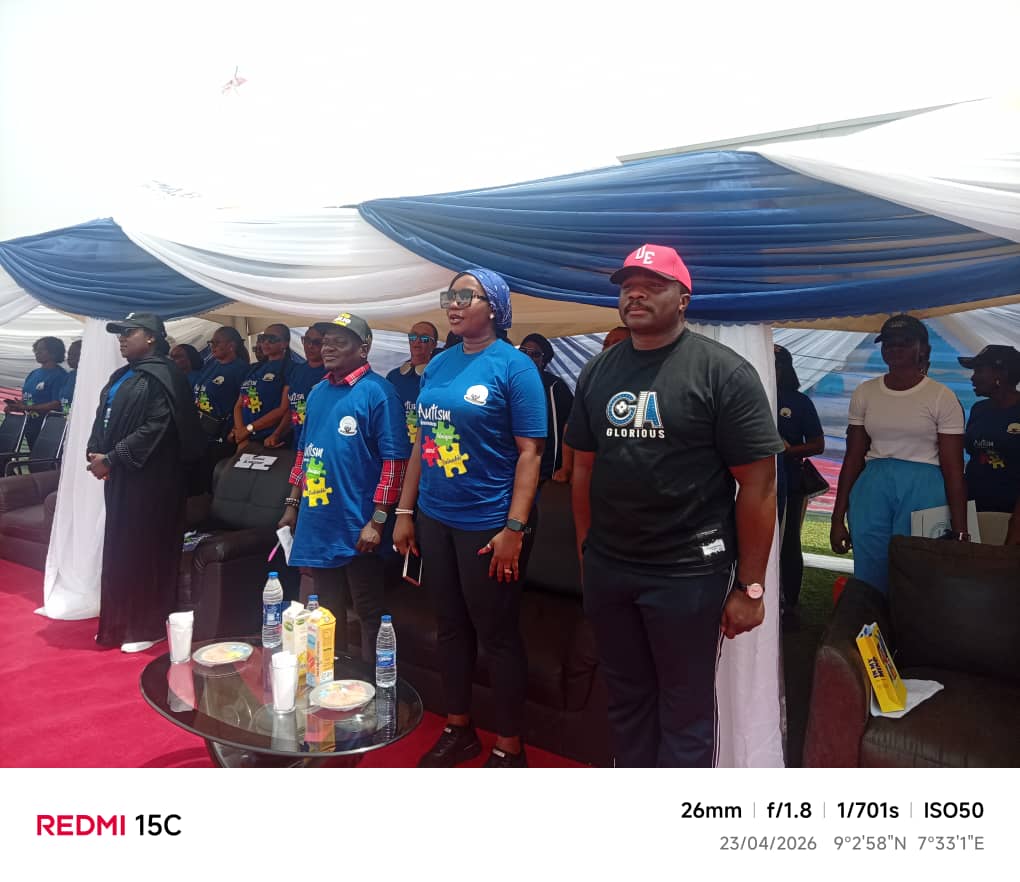
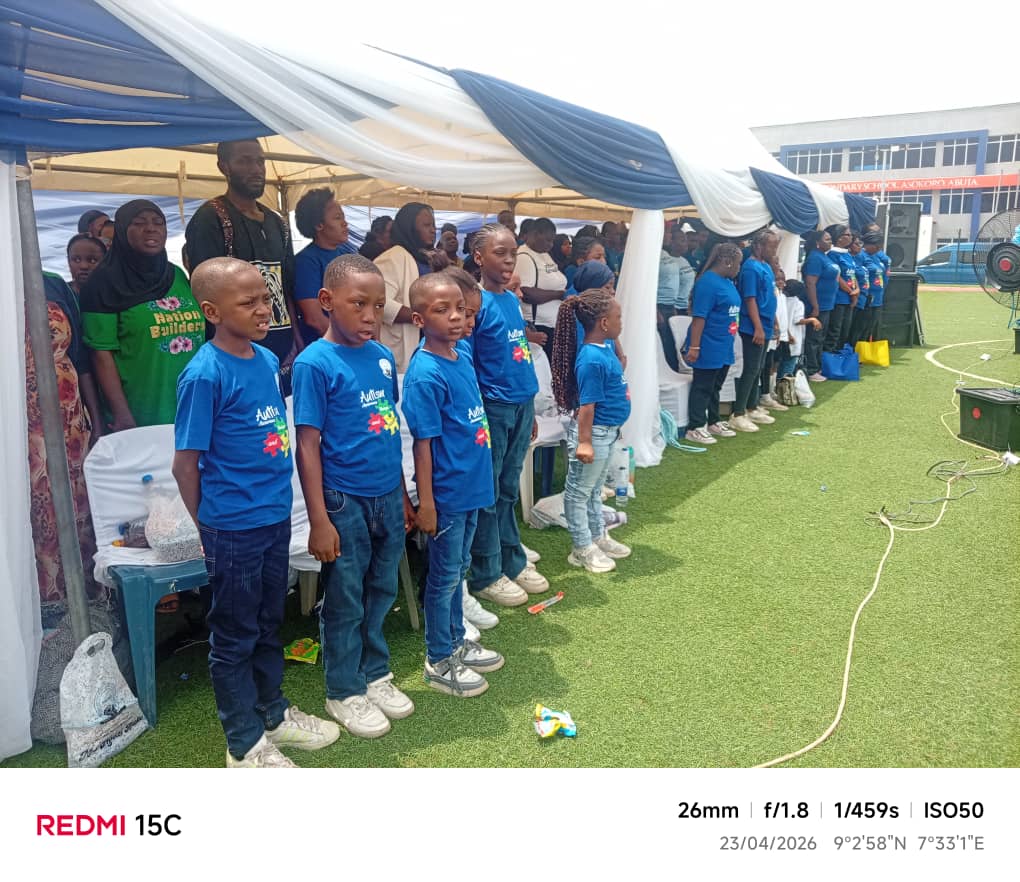
As the walk came to an end, participants expressed optimism that initiatives like this would continue to drive meaningful change, challenge stereotypes, and inspire policies that reflect the realities of persons with autism.
In a joint commitment, NCPWD and NAFOWA pledged to deepen their advocacy efforts, strengthen partnerships, and expand community outreach programs aimed at empowering families and promoting the dignity and rights of persons with disabilities.
For many who attended, the event was more than a commemoration—it was a movement. A movement fueled by the belief that inclusion is not charity, but a right.
And as the echoes of footsteps faded across the streets of Asokoro, one message lingered powerfully in the air: Every child matters. Every voice counts. And together, Nigeria can give wings to inclusion.


