

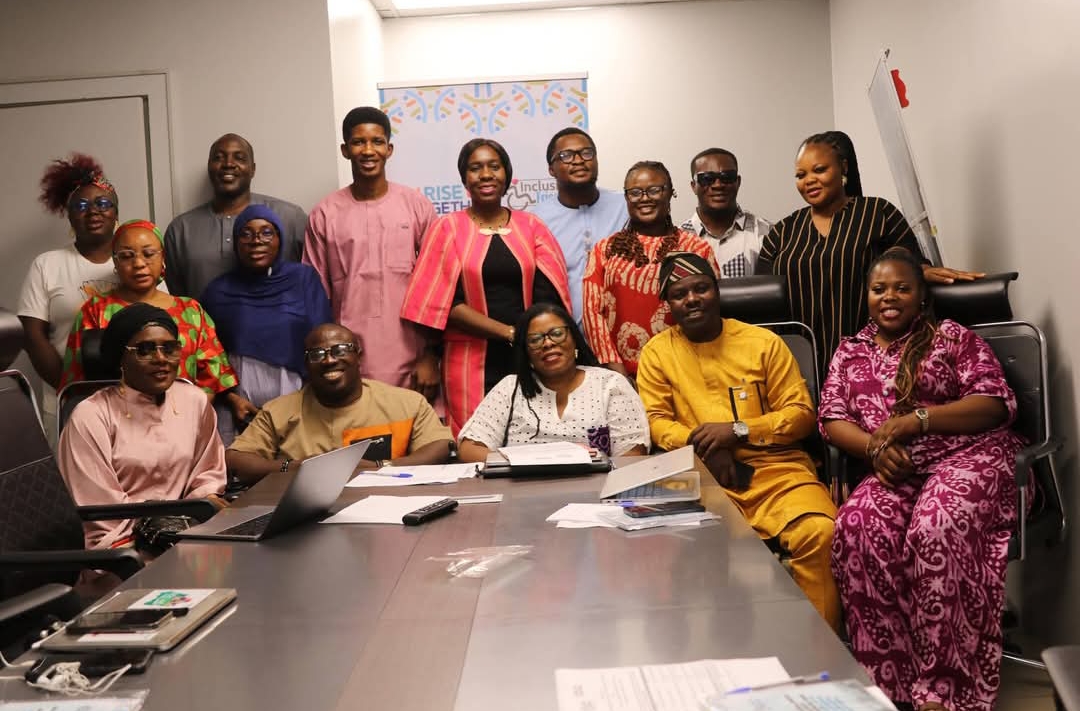
ABUJA, Nigeria – The Inclusive Friends Association (IFA) has called on journalists across Nigeria to champion accurate, inclusive, and sustained reporting on the impact of climate change on women and girls with disabilities, stressing that the media has a critical role to play in ensuring their experiences shape climate policies and actions.
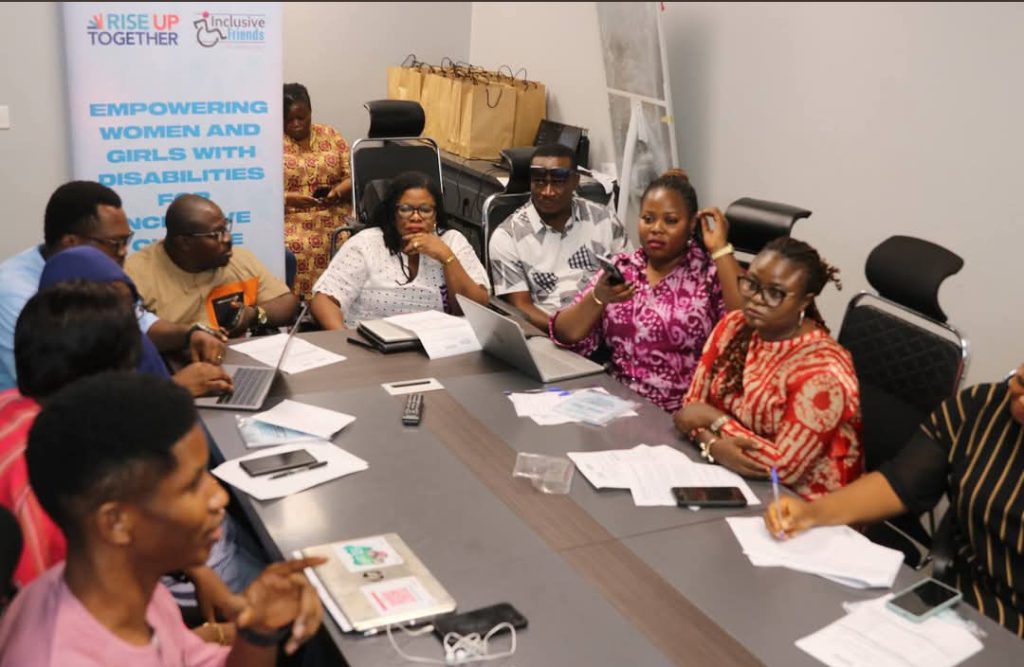
The call was made during a Media Engagement Session on Disability-Inclusive Climate Action held in Abuja, where media professionals, disability rights advocates, climate experts, and representatives of Organisations of Persons with Disabilities (OPDs) gathered to strengthen collaboration on disability-inclusive climate reporting.
The engagement forms part of ongoing advocacy efforts to secure the formal adoption of a National Guideline on Disability-Inclusive Climate Action by May 2027, a landmark policy expected to ensure that persons with disabilities are fully considered in Nigeria’s climate adaptation and mitigation strategies.
According to the World Health Organization (WHO), an estimated 13 to 17 million women and girls with disabilities in Nigeria face heightened climate risks, making them among the most vulnerable groups during climate-related emergencies. Globally, about 16 percent of the world’s population lives with a disability, while persons with disabilities can face mortality rates up to four times higher than the general population during disasters.
Delivering her opening remarks, the Executive Director of the Inclusive Friends Association (IFA), Grace Jerry, highlighted the disproportionate impact of climate change on women and girls with disabilities, noting that floods, heatwaves, droughts, and other climate-induced disasters continue to deepen existing inequalities.
She lamented that despite the increasing frequency of climate disasters, the stories, experiences, challenges, and resilience of women and girls with disabilities remain largely absent from mainstream media coverage and public conversations.
Grace Jerry explained that although Nigeria has developed important policy frameworks such as the National Climate Change Policy (2021–2030) and the National Adaptation Plan, effective implementation requires journalists who understand disability-inclusive climate action and can accurately report issues affecting persons with disabilities.
She said the media engagement was specifically designed to equip journalists with practical knowledge, evidence-based reporting skills, and a deeper understanding of the intersection between disability, gender, and climate change.
According to her, the media must move beyond occasional reporting and consistently highlight the lived realities of women and girls with disabilities, ensuring they are recognized not only as vulnerable populations but also as active contributors to climate resilience and sustainable development.
She further stressed that climate justice cannot be achieved without disability inclusion, urging governments, policymakers, development partners, and civil society organisations to intentionally mainstream disability into climate policies, programmes, and interventions.
The event featured insightful presentations from leading experts who explored the complex relationship between climate change and disability inclusion.
Dr. Kehinde Ogunbiyitan examined the intersection between climate change and vulnerable identities, emphasizing that persons with disabilities face multiple layers of discrimination during climate emergencies. He called on policymakers to work closely with Organisations of Persons with Disabilities to co-design disability-inclusive climate policies that address real community needs.
Other speakers, including Dr. Kolawole Jayeoba, Rifkatu Joseph Adeyemi, and Rise Up Together Leader, Stephen Oloche Idoko, underscored the urgent need for stronger partnerships between journalists, disability organisations, and climate advocates.

They advocated increased resource mobilization to improve disability-focused climate reporting, encouraged journalists to deliberately seek out stories involving persons with disabilities affected by climate disasters, and emphasized sustained collaboration to ensure disability perspectives are fully integrated into national climate discourse and policy development.
Participants also discussed practical strategies for ethical and inclusive reporting, emphasizing the importance of using respectful language, highlighting solutions, and ensuring women and girls with disabilities are represented as leaders and agents of change rather than merely victims of climate disasters.
The engagement attracted journalists from print, broadcast, and online media, reflecting growing recognition of the media’s responsibility to shape public understanding of disability-inclusive climate action.
As climate change continues to intensify across Nigeria, stakeholders agreed that meaningful media engagement will be essential in influencing public opinion, informing policymakers, and promoting inclusive climate governance that leaves no one behind.
The Inclusive Friends Association reaffirmed its commitment to working with journalists, government institutions, development partners, and Organisations of Persons with Disabilities to ensure disability inclusion becomes a central pillar of Nigeria’s climate response.


