

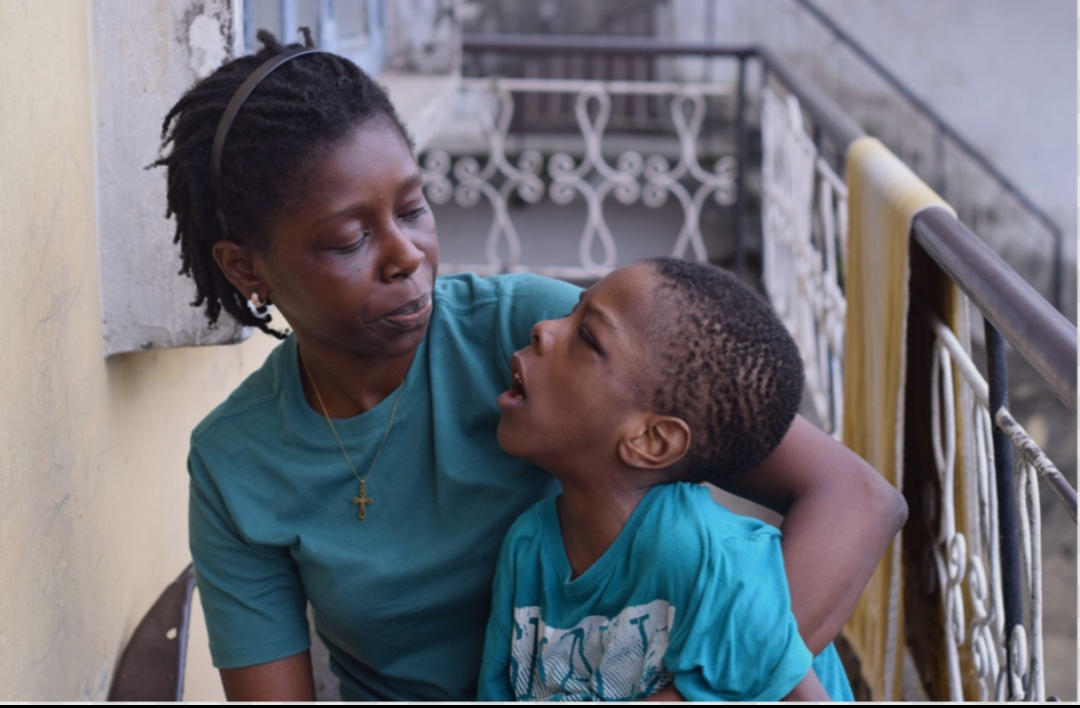
ABUJA — Awareness alone will not dismantle the barriers confronting persons with cerebral palsy, the FCT Coordinator of the Association for Inclusive Development of Persons with Disabilities Network (AIDDN), Mrs. Juliet Osasumwen-Eboigbe, has declared.
In her message marking World Cerebral Palsy Day, Mrs. Osasumwen-Eboigbe called on government agencies, healthcare providers, schools, communities, families, organisations and individuals across the Federal Capital Territory to move beyond speeches, hashtags and annual celebrations and take deliberate, practical action to promote inclusion and protect the rights of persons with cerebral palsy.
Cerebral Palsy Must Not Become a Barrier to Opportunity
She stressed that cerebral palsy must never be a reason for discrimination, exclusion, neglect or limitation, insisting that persons with cerebral palsy have the same right to dignity, opportunity and participation as everyone else.
According to her, meaningful inclusion requires access to quality healthcare, inclusive education, assistive technology and devices, employment, accessible public spaces, rehabilitation services and social protection.
“These are not favours. They are essential components of an inclusive society,” she emphasised.
Her Message: Six Actions Stakeholders Must Take
Mrs. Osasumwen-Eboigbe urged stakeholders to take concrete steps by:
- Ending stigma and discrimination
She called on communities to challenge stereotypes and misconceptions surrounding cerebral palsy and treat persons with the dignity they deserve. - Making public spaces genuinely accessible
Schools, workplaces, hospitals, offices and other public facilities must be designed and adapted to accommodate people with diverse disabilities. - Supporting families and caregivers
She noted that families and caregivers often shoulder significant physical, emotional and financial responsibilities and therefore require meaningful support. - Expanding rehabilitation and assistive technology
She advocated stronger access to early intervention, rehabilitation and appropriate assistive devices that can improve independence and participation. - Giving persons with disabilities a voice in decisions
According to her, persons with disabilities must not merely be beneficiaries of policies; they must be actively involved in designing and implementing decisions that affect their lives. - Holding institutions accountable
She urged stakeholders to demand implementation of disability-inclusive policies rather than allowing them to remain on paper.
“Inclusion Is Not Charity”
The AIDDN FCT Coordinator warned against reducing World Cerebral Palsy Day to another awareness campaign that disappears after one day.
“Inclusion is not charity; it is a right. Accessibility is not a favour; it is a responsibility.”
She called for a sustained commitment to building an FCT where persons with cerebral palsy can access services, pursue education and employment, participate in community life and make decisions about their own futures.
She further urged stakeholders to ensure that persons with cerebral palsy are not merely accommodated, but valued, empowered, included and given every opportunity to thrive.
“Let us not wait for another awareness day before taking action. Let us turn awareness into action, compassion into commitment, and inclusion into reality,” she said.
As the world commemorates World Cerebral Palsy Day, the message from AIDDN FCT is clear:
Awareness starts the conversation. Action creates inclusion.


