

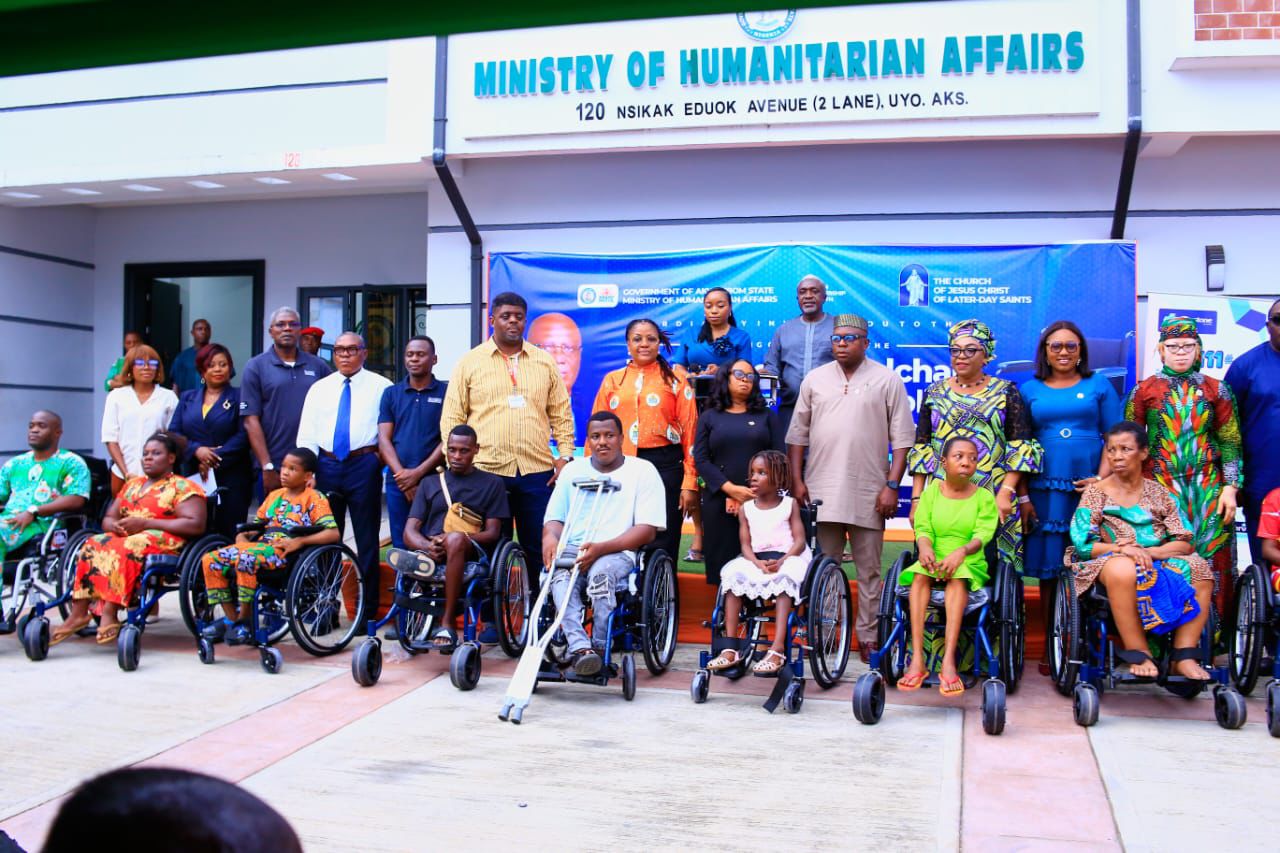
What began as a compassionate vision to remove mobility barriers confronting Persons with Disabilities (PWDs) in Akwa Ibom State has blossomed into one of the most remarkable disability inclusion and social protection initiatives in the state’s history.
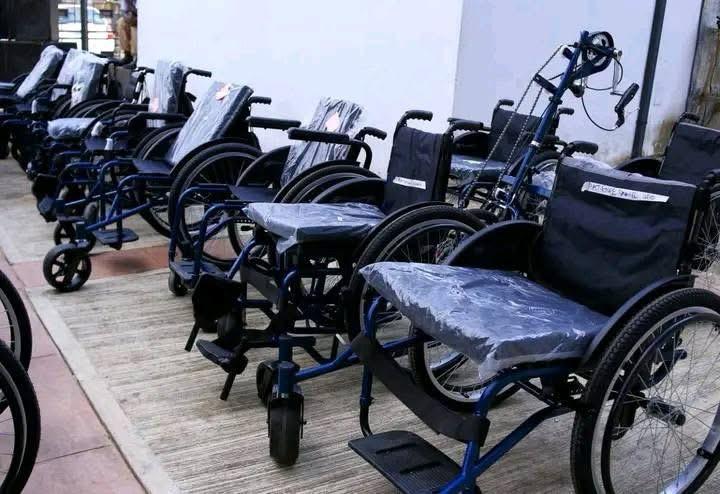
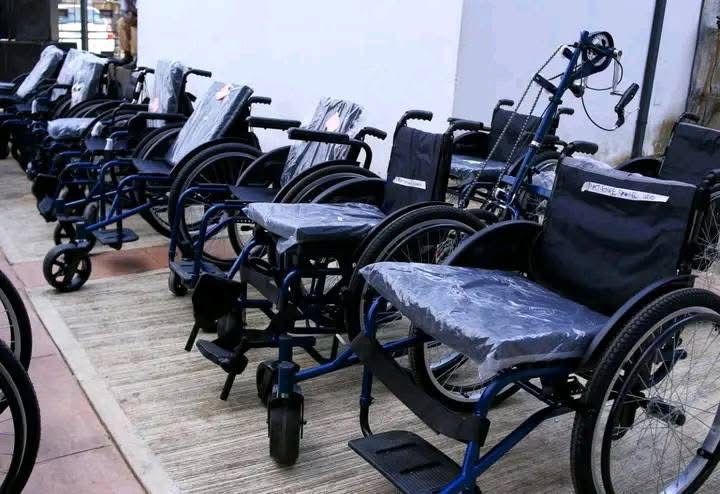
The successful training, assembly, customization, and distribution of over 300 mobility devices to Persons with Disabilities in Akwa Ibom State marks the culmination of years of strategic planning, perseverance, collaboration, and unwavering commitment to improving the lives of some of society’s most vulnerable citizens.
Behind this groundbreaking intervention lies a story of dedication, resilience, and visionary leadership.
According to Mrs. Nnene Bassey, Special Assistant to the Governor on Persons with Disabilities, the journey began several years ago when Dr. Ini Adiakpan conceived the idea of addressing the mobility challenges faced by countless persons living with disabilities across the state.
Driven by a genuine desire to restore dignity and independence to individuals whose mobility limitations often hinder their participation in social and economic activities, Dr. Adiakpan initiated discussions with the International Director of The Church of Jesus Christ of Latter-day Saints, setting the stage for what would later become a life-changing project.
The process, however, was far from straightforward.
Several virtual meetings were held, while extensive consultations took place to ensure that the proposed intervention met international standards in sustainability, social protection, accountability, and best practices. During this period, Mr. Ifiok Udofot Umoren played a pivotal role in coordinating efforts and navigating the complex requirements necessary for the project’s approval.
The then Commissioner for Women Affairs, Dr. Ini Adiakpan, painstakingly developed and submitted a comprehensive concept note that reflected the project’s long-term vision and impact.
The concept note, drafted in late 2022 and finalized in early 2023, received favorable consideration from stakeholders. Following its acceptance, the next phase involved rigorous physical inspections by ministry officials, including warehouse assessments of the proposed mobility devices to ensure quality and suitability for beneficiaries.
The project gradually progressed through various stages of evaluation and approval before eventually receiving the green light in 2024.
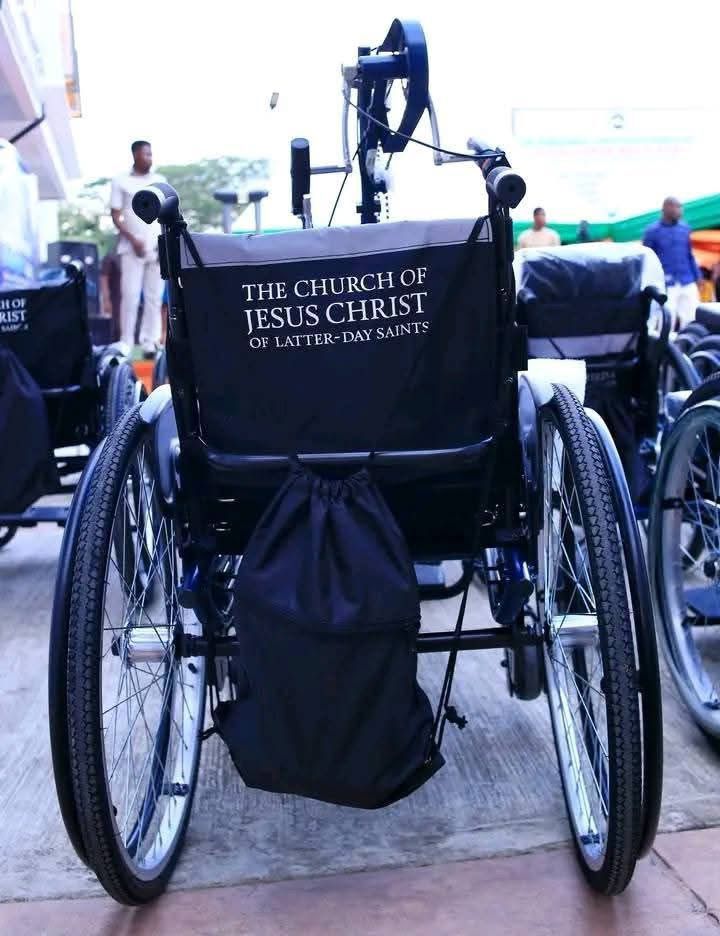
With approvals secured, supply requests for the mobility devices were initiated in December 2024, paving the way for delivery on June 8, 2025. The momentum continued as officials of The Church of Jesus Christ of Latter-day Saints formally handed over more than 300 mobility devices in September 2025.
Yet, perhaps the most inspiring chapter unfolded on June 3, 2026.
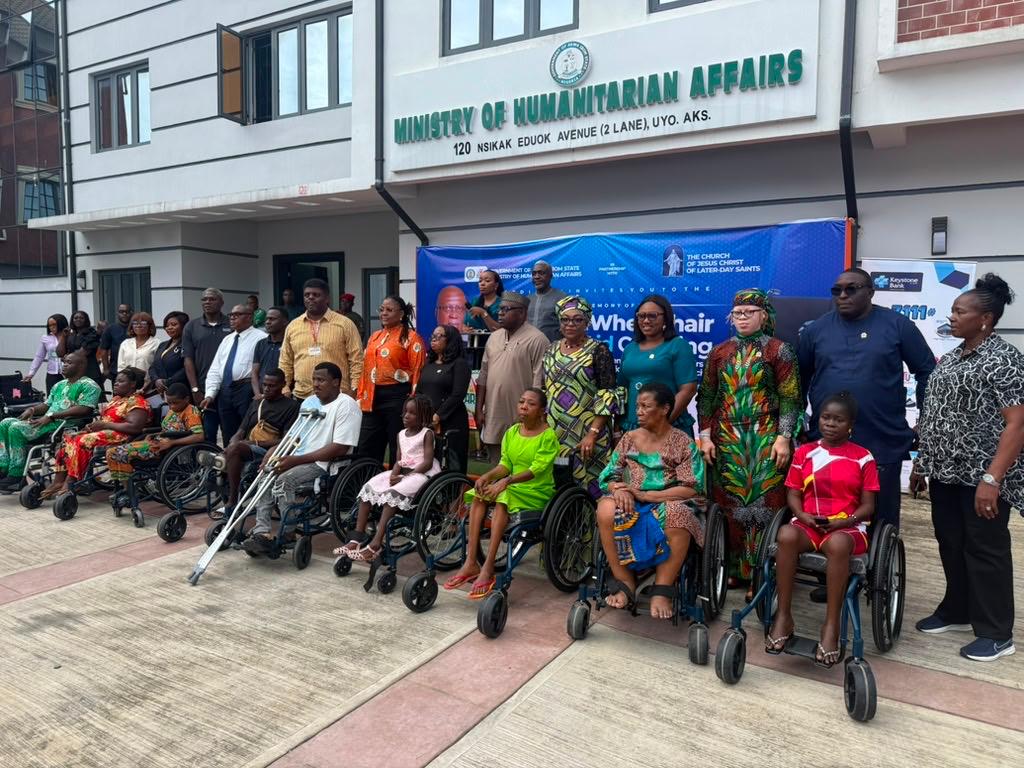
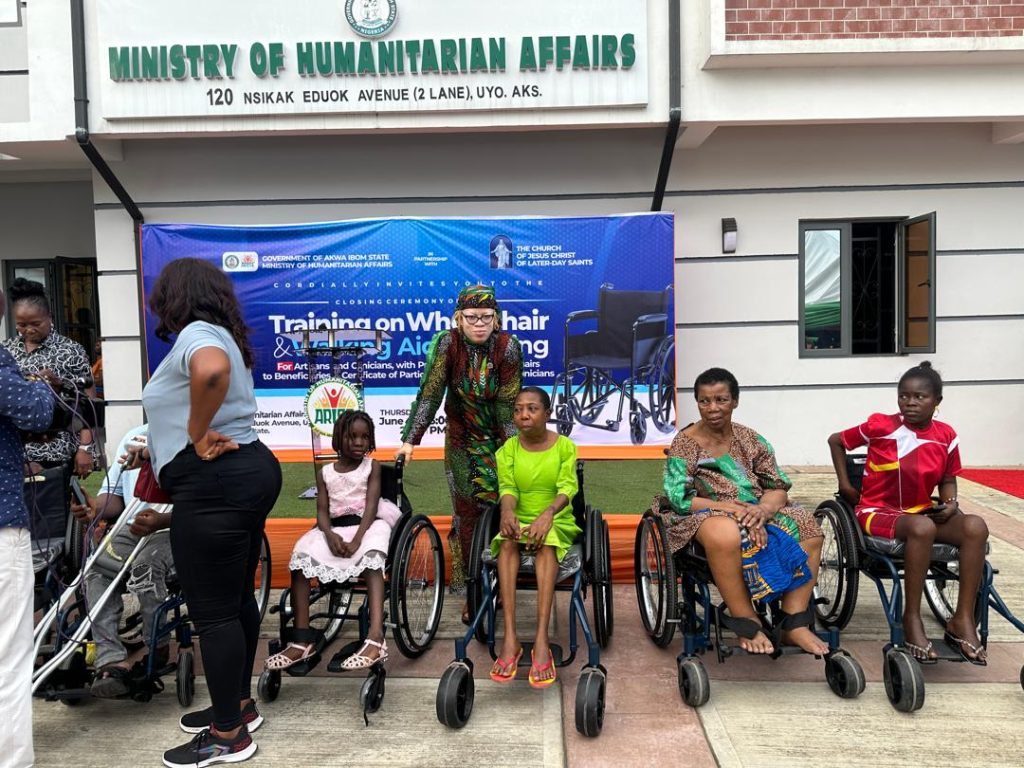
For the first time in Akwa Ibom State, beneficiaries witnessed a unique and innovative process where mobility devices were professionally assembled, adjusted, and customized to suit the specific needs of each individual recipient. This approach ensured that the devices were not merely distributed but tailored to maximize comfort, accessibility, functionality, and long-term effectiveness.
Observers described the event as a milestone in disability inclusion, demonstrating a practical commitment to empowering Persons with Disabilities rather than offering symbolic gestures.
Interestingly, the project was conceived at a time when the Ministry of Humanitarian Affairs had not yet been established. It was initially nurtured under the Ministry of Women Affairs and Social Welfare before eventually finding continuity through subsequent government structures.
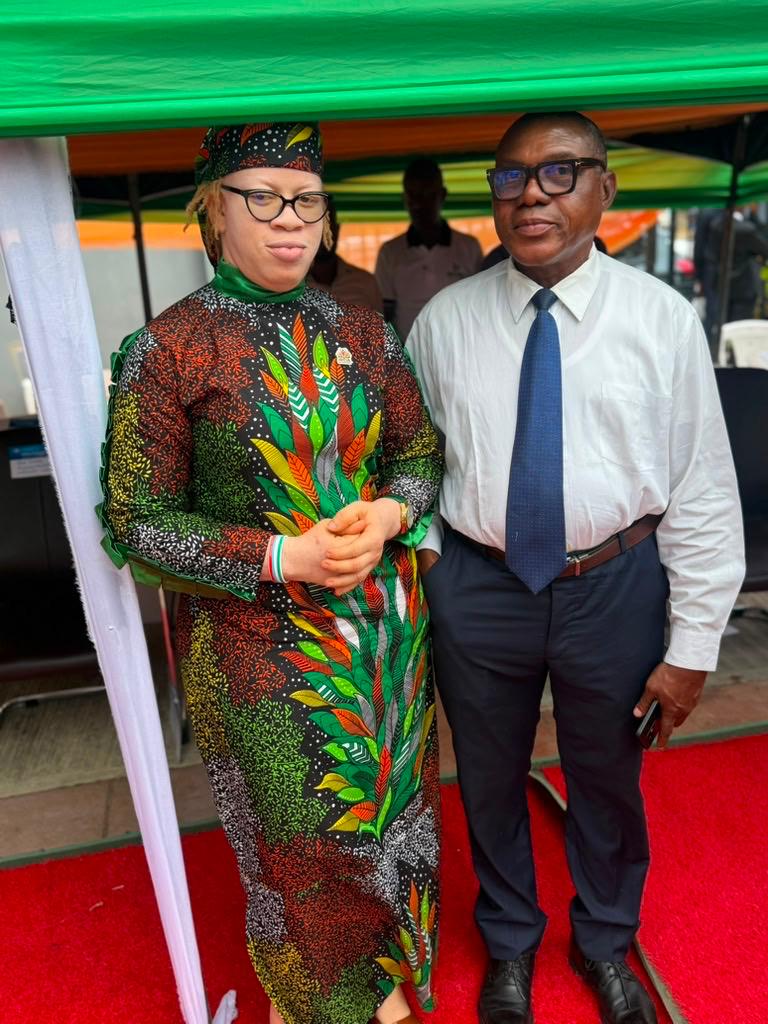
Reflecting on the journey, Mrs. Bassey drew inspiration from a biblical principle: “One planted, another watered, but God gave the increase.”
For thousands of Persons with Disabilities across Akwa Ibom, the project represents much more than the distribution of mobility aids. It symbolizes renewed hope, restored dignity, enhanced independence, and greater opportunities for participation in society.
Many beneficiaries previously lacked the financial means to acquire wheelchairs and other mobility devices, while some families struggled to provide essential support due to economic constraints. Through this intervention, those barriers have been significantly reduced.
Importantly, the mobility aids are intended for indigent Persons with Disabilities and are not restricted solely to individuals with physical impairments. Rather, they are designed to support vulnerable members of the disability community whose mobility challenges limit their ability to access education, employment, healthcare, and social opportunities.
Stakeholders believe that the initiative will strengthen socioeconomic independence, improve productivity, promote accessibility, enhance adaptability, and equip beneficiaries with the confidence needed to compete in an increasingly dynamic and interconnected world.
As mobility devices continue to rise in cost globally, the intervention is being celebrated as a strategic investment in human dignity and social inclusion.
The success of the project has also reinforced Dr. Ini Adiakpan’s legacy within the disability community. Advocates describe the initiative as a model social protection programme that demonstrates how visionary leadership, effective partnerships, and sustained commitment can deliver measurable impact.
Drawing parallels with Akwa Ibom’s broader development history, Mrs. Bassey noted that just as former Governor and elder statesman, His Excellency Architect Obong Victor Attah, envisioned a modern Akwa Ibom that was later significantly advanced under the administration of Senate President Godswill Akpabio, a similar story of vision and implementation has now emerged within the disability sector.
Special commendation was reserved for Governor Pastor Umo Eno, whose administration has continued to champion disability inclusion and support initiatives aimed at improving the welfare of Persons with Disabilities.
Mrs. Bassey described Governor Umo Eno as a disability-friendly leader who believed in the project, provided critical support, and created an enabling environment for its successful implementation.
She also praised the current Ministry of Humanitarian Affairs, led by Hon. Emem Ibanga, for sustaining the initiative despite the enormous demands associated with the ministry’s responsibilities.
Furthermore, heartfelt appreciation was extended to The Church of Jesus Christ of Latter-day Saints for translating faith into action through humanitarian service and demonstrating a commitment to uplifting vulnerable populations.
Mr. Ifiok Udofot Umoren was equally recognized for his exceptional dedication and perseverance throughout the project’s development process. Although not a person with a disability, his passion for advancing disability inclusion has earned widespread admiration within the community.
As beneficiaries received their customized mobility devices, emotions ran high. For many, it was more than a piece of equipment—it was the restoration of freedom, independence, and self-worth.
The project now stands as a shining example of what can be achieved when government institutions, development partners, faith-based organizations, and disability advocates unite around a common purpose.
For the disability community in Akwa Ibom State, the message is clear: dignity is not a privilege; it is a right. And through visionary leadership, strategic partnerships, and unwavering commitment, that right is increasingly becoming a reality.
Click the link below to join our WhatsApp channel


