

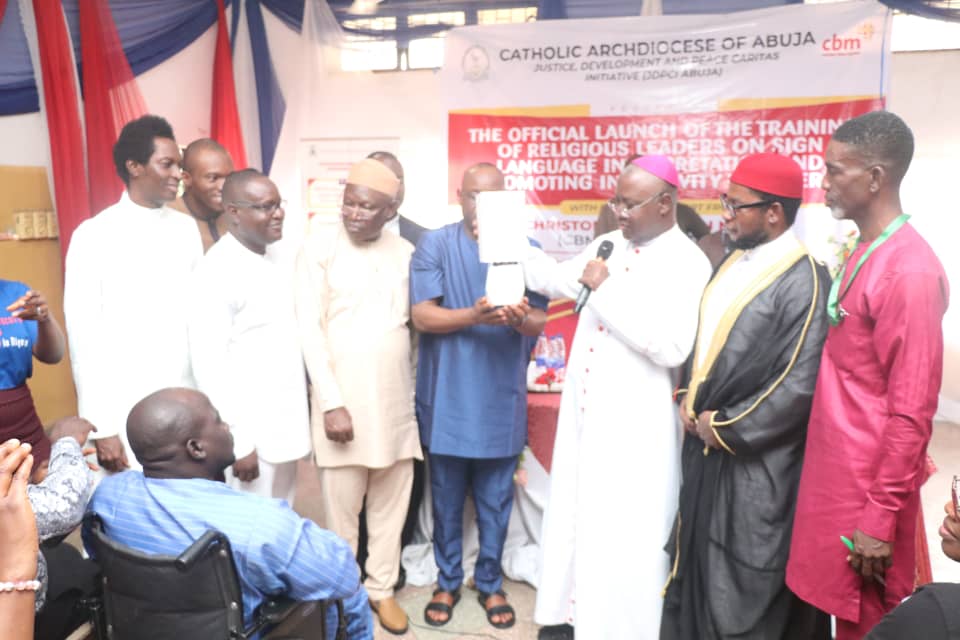
— A Bold Step Towards Inclusive Worship Across Nigeria’s Religious Spaces
In a landmark moment for disability inclusion in Nigeria, the National Commission for Persons with Disabilities (NCPWD) has lauded the Catholic Archdiocese of Abuja for breaking new ground in making religious spaces more accessible for deaf worshippers. This commendation followed the official launch of a pioneering Sign Language Training Programme for Religious Leaders, held on Tuesday, July 30, 2025, at the Catholic Church premises in Abuja.
The programme, a first of its kind within the Nigerian religious landscape, is being implemented by the Justice Development and Peace Caritas Initiative (JDPCI), with the support of CBM International. It aims to equip religious clerics with the skills necessary to communicate effectively with worshippers who are deaf or hard of hearing—thereby fostering true inclusivity in spiritual spaces.
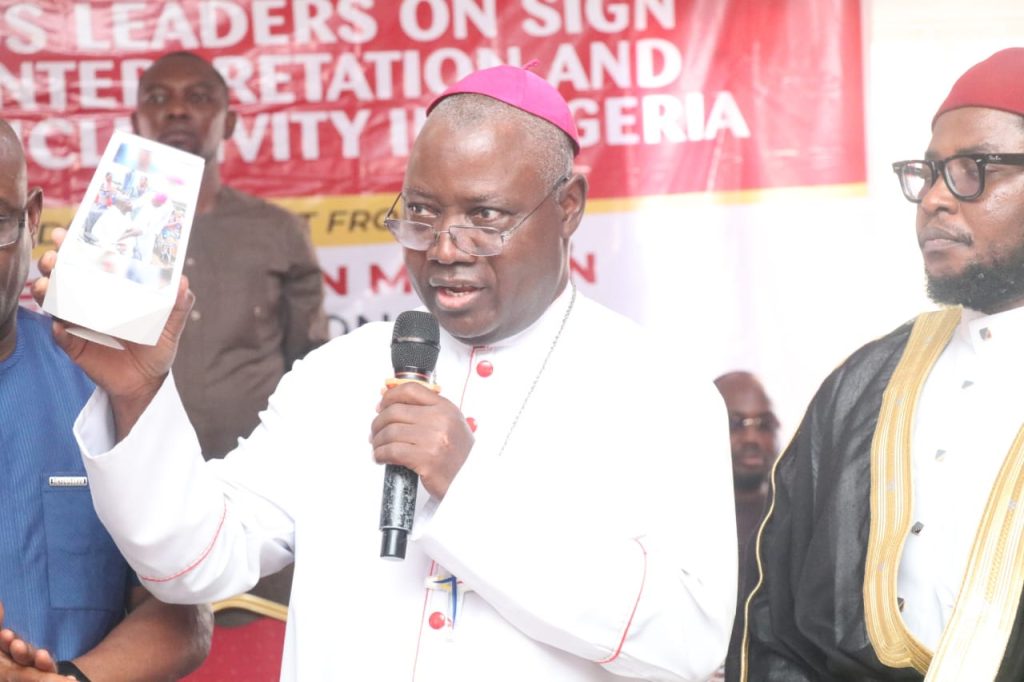
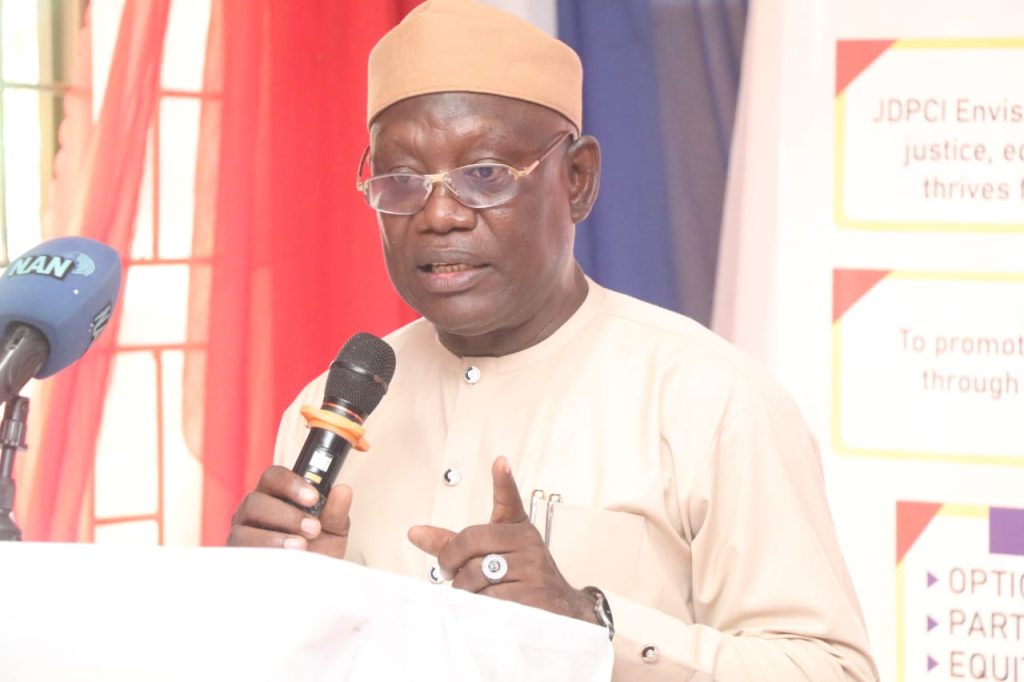
Representing the Executive Secretary of NCPWD, Hon. Ayuba Burki Gufwan, at the event was Mr. Lawrence Idemudia, Director of Social Integration at the Commission. He conveyed heartfelt appreciation to the Archdiocese and its partners for championing a cause that touches the heart of human dignity and equality.
“This initiative is not just a training—it is a bold statement that faith communities in Nigeria are ready to walk the talk on inclusion,” Mr. Idemudia said.
A Moral and Social Imperative
In his message, Hon. Ayuba Gufwan emphasized the profound significance of the training, describing it as a “milestone in our national journey toward equal access to worship.” According to him, religious spaces have long served as central institutions for community building and moral guidance—making them key players in reshaping societal attitudes toward persons with disabilities.
“Religious leaders are powerful voices in our communities. Their embrace of sign language and inclusive worship practices sends a powerful message—that everyone, regardless of disability, deserves to feel seen, heard, and valued,” he stated.
He further urged all clerics participating in the training to approach it not just as a technical exercise but as a transformative mission—a call to action that carries deep spiritual and moral implications.
“Learning sign language goes beyond communication. It is a living expression of empathy, respect, and inclusion,” Gufwan noted.
Archbishop Kaigama Sets the Pace
Delivering an impassioned keynote at the event, His Grace, Archbishop Ignatius Kaigama, expressed deep satisfaction with the initiative and praised the collaborative efforts that brought it to life. He stressed the need for religious institutions to not just preach inclusion but practice it in concrete, measurable ways.
“We hear a lot about inclusion, but too often it stops at rhetoric. Today, we are moving from words to action,” Archbishop Kaigama declared.
The Archbishop also acknowledged the barriers persons with disabilities face in accessing spiritual life, from lack of physical accessibility to communication hurdles. He reaffirmed the Archdiocese’s commitment to changing this reality, starting with sign language education integrated into early childhood catechism and faith formation programs.
An Interfaith Call to Action
In a powerful show of interfaith solidarity, the launch also featured Imam Mohammad Eze, representing the National Mosque, Abuja. His presence highlighted the shared commitment across religious divides to make worship spaces welcoming for all Nigerians.
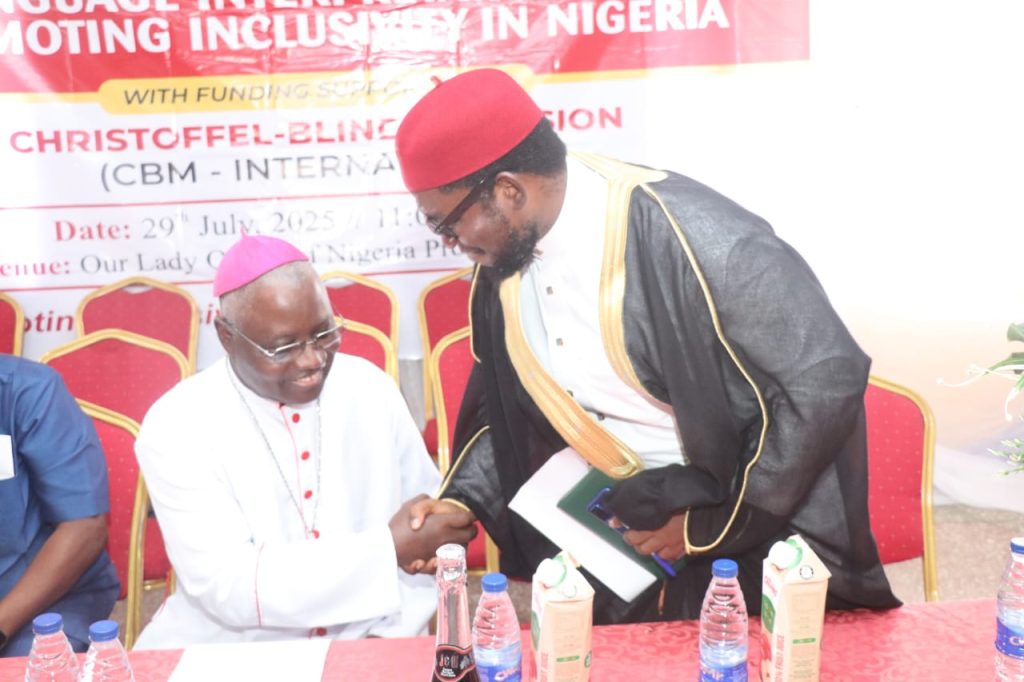
“This initiative aligns perfectly with the Islamic values of compassion, justice, and inclusion. We are honored to be part of this interfaith journey,” Imam Eze said.
He further noted that bridging communication gaps within the mosque setting will not only enhance access for deaf Muslims but also promote greater understanding and social harmony.
Towards a Truly Inclusive Nigeria
As the training programme commences, expectations are high that it will become a template for other religious bodies nationwide. By enabling clerics to conduct sermons, prayers, and spiritual guidance in sign language, the initiative redefines what it means to be inclusive—and challenges faith leaders to leave no worshipper behind.
The National Commission for Persons with Disabilities pledged its unwavering support for the initiative. Hon. Gufwan reaffirmed that the Commission stands ready to provide technical assistance, policy direction, and advocacy partnerships to help more religious institutions take similar steps.
“Let us build a Nigeria where churches, mosques, and all places of worship become sanctuaries not just for the able-bodied but for everyone—regardless of ability,” he urged.
A Vision for the Future
As the curtain fell on the launch event, the atmosphere was charged with renewed purpose. What began as a training session has now evolved into a movement of inclusion rooted in faith, compassion, and justice.
The NCPWD, JDPCI, and CBM International have ignited a spark. The question now is: Will other religious leaders across Nigeria rise to the occasion?
Because when it comes to inclusion, silence is no longer golden. Sign language is.
Reported by The Qualitative Magazine


