

Abuja, Nigeria – June 11, 2026
In a significant move aimed at strengthening inclusive education and expanding learning opportunities for deaf and hard-of-hearing children in the Federal Capital Territory (FCT), the Yagazie Weng Umezurike Foundation for the Deaf has secured a strategic partnership commitment from the FCT Universal Basic Education Board (UBEB).
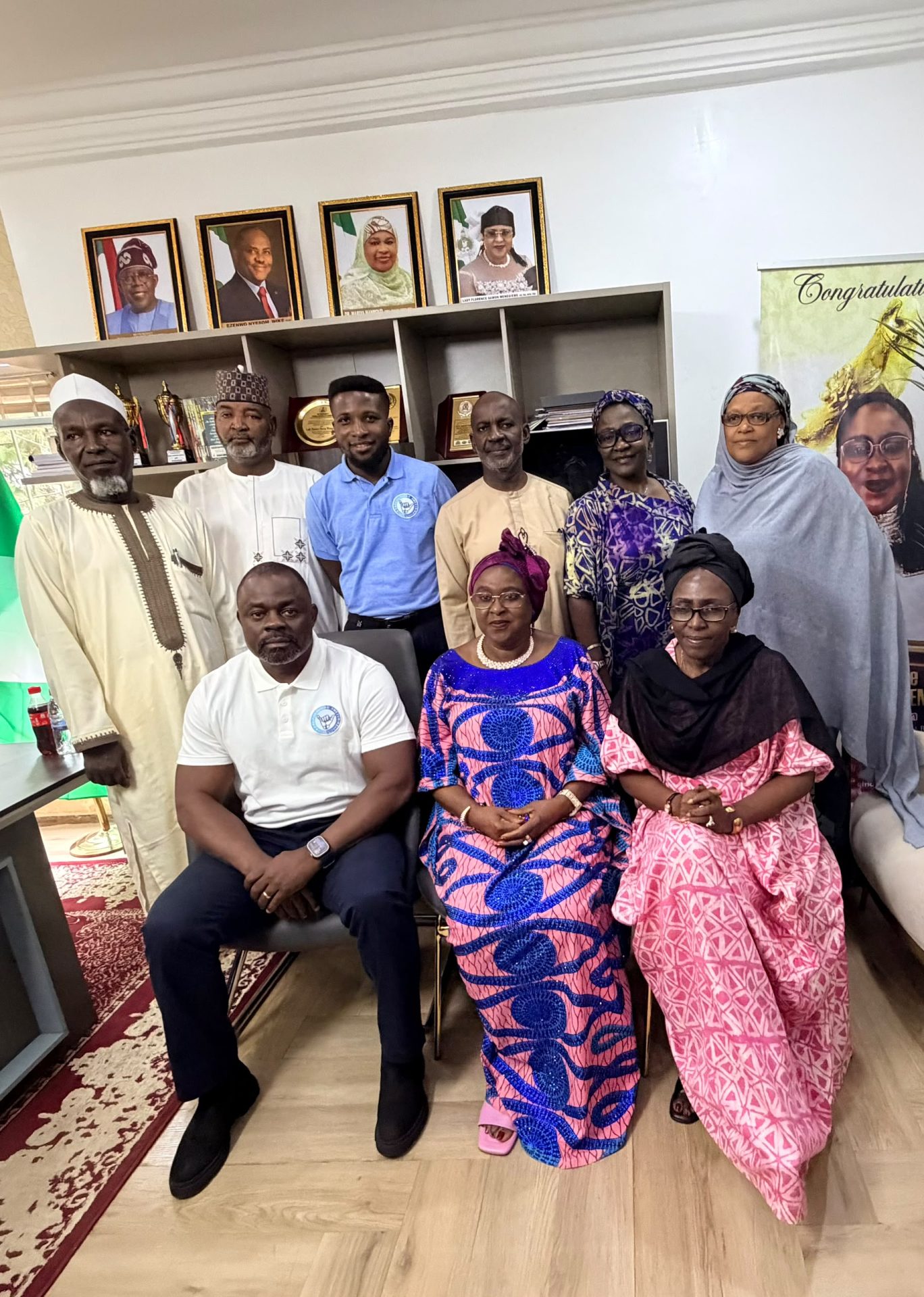
The commitment was made during a high-level courtesy visit by the Foundation’s delegation to the Acting Executive Chairman of FCT UBEB, Lady Florence Dawon Wenegieme, at the Board’s headquarters in Area 11, Garki, Abuja.
The visit marked a major milestone in the Foundation’s efforts to foster collaboration with government institutions and drive meaningful interventions for children with hearing disabilities across the FCT.
Leading the Foundation’s delegation were the Chief Executive Officer and Founder, Mr. Sylvester Umezurike Ekeoma, and Mr. Okoroafor Alexander Uchechukwu, who served as the leader of the delegation, alongside other members of the organization. The UBEB team was represented by the Acting Executive Chairman, Lady Florence Dawon Wenegieme, and the Director of the Special Needs Department, Mr. Bashir Abubakar.
Foundation Seeks Partnership to Transform Deaf Education
Speaking during the meeting, Mr. Okoroafor Alexander Uchechukwu explained that the visit was aimed at formally introducing the Foundation to the Board, exploring areas of collaboration, securing institutional support for upcoming projects, and building a sustainable partnership to improve educational outcomes for deaf and hard-of-hearing children.
He emphasized that the Foundation was committed to bridging existing gaps in special needs education and ensuring that children with hearing disabilities receive quality, accessible, and inclusive learning opportunities.
Mr. Okoroafor also commended the leadership of Lady Florence Dawon Wenegieme, describing her as a visionary education administrator whose innovative projects continue to transform the educational landscape in the FCT.
He particularly praised the ongoing Karshi Model Smart School Project, noting that it represents a bold step toward modernizing educational infrastructure and creating a learning environment capable of meeting the needs of diverse learners.
Emotional Story Behind the Foundation
One of the most touching moments of the engagement came when the Founder and CEO of the Foundation, Mr. Sylvester Umezurike Ekeoma, shared the personal story that inspired the establishment of the organization.
According to him, the Foundation was born out of his family’s experiences raising his son, Yagazie, who was born prematurely and later faced challenges accessing quality education as a deaf child.
Mr. Sylvester recounted the difficulties encountered while searching for schools that genuinely catered to the educational needs of deaf learners. He lamented that many schools claim to practice inclusive education but often lack the essential infrastructure, specialized teaching methodologies, learning materials, assistive technologies, and trained personnel required to support deaf students effectively.
He stressed that these gaps continue to deny many children with hearing disabilities the opportunity to reach their full potential.
“Our experience opened our eyes to the realities faced by many families across the country. We discovered that genuine inclusion goes beyond policy statements. It requires commitment, resources, trained professionals, and a learning environment where every child can thrive,” he noted.
He explained that the Foundation was therefore established to serve as a beacon of hope for deaf children and their families by promoting access to quality education, advocacy, empowerment, and inclusive learning opportunities.
UBEB Welcomes Collaboration
Responding to the presentation, the Acting Executive Chairman of FCT UBEB, Lady Florence Dawon Wenegieme, warmly welcomed the delegation and applauded the Foundation’s vision and commitment to supporting vulnerable learners.
She described the initiative as timely and impactful, emphasizing that achieving quality education for all requires strong collaboration between government agencies, non-governmental organizations, civil society groups, and development partners.
“Government alone cannot bear the entire burden. We need the active partnership of NGOs and Civil Society Organizations to achieve meaningful and widespread impact in the education sector,” she stated.
Lady Wenegieme further expressed admiration for the compelling story behind the Foundation and acknowledged the urgent need for more stakeholders to support inclusive education, especially for children with disabilities.
She assured the delegation that the Board remains committed to ensuring that every child in the FCT, regardless of ability or background, has access to quality education.
Major Outcomes of the Meeting
The meeting produced several important outcomes that are expected to strengthen the implementation of inclusive education initiatives in the FCT.
Foremost among them was the Acting Executive Chairman’s administrative commitment to partner with the Yagazie Weng Umezurike Foundation for the Deaf in advancing educational opportunities for deaf learners.
The Board also pledged to provide access to available institutional resources that could facilitate the successful implementation of the Foundation’s upcoming programmes and interventions.
In addition, Lady Wenegieme assured the Foundation that FCT UBEB would officially participate in its future events and public engagements, demonstrating the Board’s willingness to support awareness campaigns and advocacy efforts focused on disability-inclusive education.
To further ensure smooth collaboration, the Acting Executive Chairman established a direct communication channel between the Foundation and the Board’s Special Needs Department.
She specifically directed that all future project proposals, requests, and official correspondence from the Foundation be routed through the Director of the Special Needs Department, Mr. Bashir Abubakar, to guarantee prompt attention and effective coordination.
Renewed Hope for Inclusive Education
Education stakeholders have described the development as a positive step toward addressing the longstanding challenges confronting deaf and hard-of-hearing learners in Nigeria.
Advocates believe that stronger partnerships between government institutions and disability-focused organizations will play a crucial role in improving educational access, reducing barriers, and promoting genuine inclusion within schools.
The meeting ended on a highly optimistic note, with both parties expressing readiness to work together toward a shared vision of creating an education system where deaf children and other learners with disabilities can access quality education without discrimination or exclusion.
An official group photograph was taken to commemorate the historic engagement and the beginning of what stakeholders hope will become a transformative partnership for inclusive education in the Federal Capital Territory.
For many deaf children and their families, the collaboration represents more than a partnership—it symbolizes renewed hope that the dream of equitable, accessible, and quality education for all can become a reality.
Click the link below to join our WhatsApp channel


