

The National Commission for Persons with Disabilities (NCPWD) has intensified efforts to strengthen disability data management in Nigeria by seeking strategic collaboration with development partners and international organizations to conduct a comprehensive situational analysis of disability data systems in the country.
The initiative, driven by the Commission’s Planning, Research and Statistics Department, is aimed at addressing long-standing gaps in disability data collection, coordination, and management—an issue experts say has continued to hinder evidence-based policymaking and effective inclusion of persons with disabilities in national development frameworks.
According to the Commission, the proposed situational analysis will provide a clearer understanding of the current state of disability data systems in Nigeria, identify weaknesses in existing structures, and create pathways for building a more coordinated and reliable national disability database.
Data: The Backbone of Inclusive Development
Speaking on the initiative, the Executive Secretary of the Commission, Ayuba Burki Gufwan, emphasized that reliable disability data remains one of the most critical tools for designing impactful programs and policies that address the needs of persons with disabilities.
He noted that without accurate and well-coordinated data, government agencies and development partners face significant challenges in planning interventions that truly reflect the realities of the disability community.
According to him, strengthening disability data systems will enable policymakers to better integrate persons with disabilities into national planning processes and ensure that development initiatives are inclusive and responsive.
“Reliable disability data is essential for effective policymaking, planning, and program implementation,” he stated, adding that the Commission is committed to closing existing data gaps in order to improve outcomes for millions of Nigerians with disabilities.
Call for Strategic Partnerships
As part of this effort, the Commission has called on international development organizations and stakeholders to support the initiative through strategic collaboration.
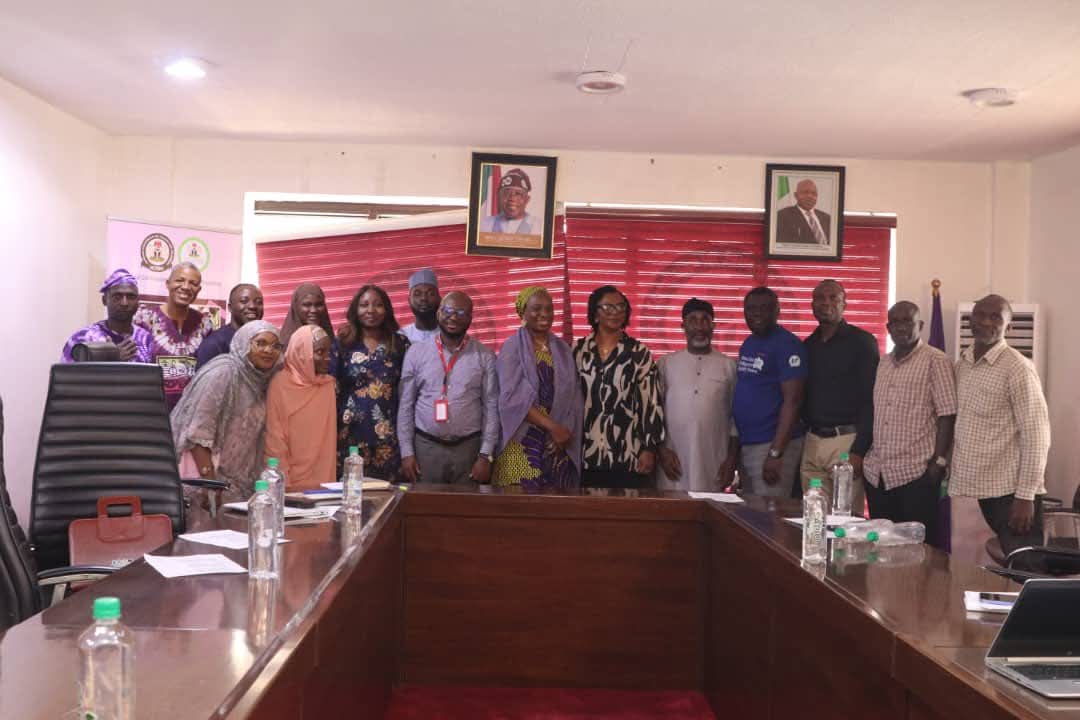
Among those present during the engagement were representatives of major development partners including Sightsavers, CBM International, and members of the United Nations Technical Working Group on Disability Inclusion.
The Commission urged these organizations and other partners to work closely with the NCPWD to support the situational analysis and contribute to building a robust framework for disability data management in Nigeria.
Officials noted that the collaboration would enable stakeholders to pool technical expertise, share best practices, and mobilize resources needed to strengthen the country’s disability data ecosystem.
Identifying Gaps and Building Capacity
The proposed situational analysis will examine existing mechanisms used for disability data collection and management across government institutions and development agencies.
Experts say the process will help identify critical gaps such as:
- Weak coordination among institutions responsible for disability data
- Limited technical capacity for collecting and managing disaggregated data
- Inconsistent methodologies used across different agencies
- Insufficient integration of disability data into national statistical systems
Addressing these challenges, according to the Commission, will pave the way for establishing a more unified and reliable disability data framework capable of guiding policy decisions at federal, state, and local government levels.
Advancing Evidence-Based Advocacy
Beyond government planning, stakeholders say the initiative will also strengthen data-driven advocacy within the disability sector.
Accurate data will empower civil society organizations, researchers, and advocates to better highlight the realities faced by persons with disabilities and push for policies that promote accessibility, equality, and social inclusion.
Development partners present at the meeting acknowledged the importance of strengthening disability data systems, noting that reliable statistics are essential for measuring progress on global commitments such as the Sustainable Development Goals (SDGs) and ensuring that persons with disabilities are not left behind.
Improving Lives Through Better Data
Ultimately, the Commission believes that stronger disability data systems will translate into tangible improvements in the lives of persons with disabilities in Nigeria.
With credible data, governments and development partners will be able to design programs that respond to real needs—whether in education, employment, healthcare, accessibility, or social protection.
By initiating the call for collaboration, the NCPWD hopes to lay the foundation for a more coordinated national approach to disability data management—one that supports inclusive development and strengthens the visibility of persons with disabilities in Nigeria’s policy landscape.
The press statement announcing the initiative was signed by Ishaku Kigbu, Head of Media and Publicity at the Commission.
Observers say the move represents another important step in ensuring that data becomes a powerful tool for advancing disability inclusion and improving the quality of life for millions of Nigerians with disabilities.
Click the link below to join our WhatsApp channel


