

By The Qualitative Magazine (TQM)
The commissioning of the newly constructed road linking Abuja’s Central Business District (CBD) to Wuse Zone 3 has been widely welcomed as another landmark achievement in the ongoing transformation of Nigeria’s Federal Capital Territory (FCT). While the project has been praised for easing traffic congestion, improving connectivity, and stimulating economic activities, disability rights advocates have raised concerns over what they describe as a significant accessibility gap that excludes thousands of persons with disabilities from fully benefiting from the infrastructure.
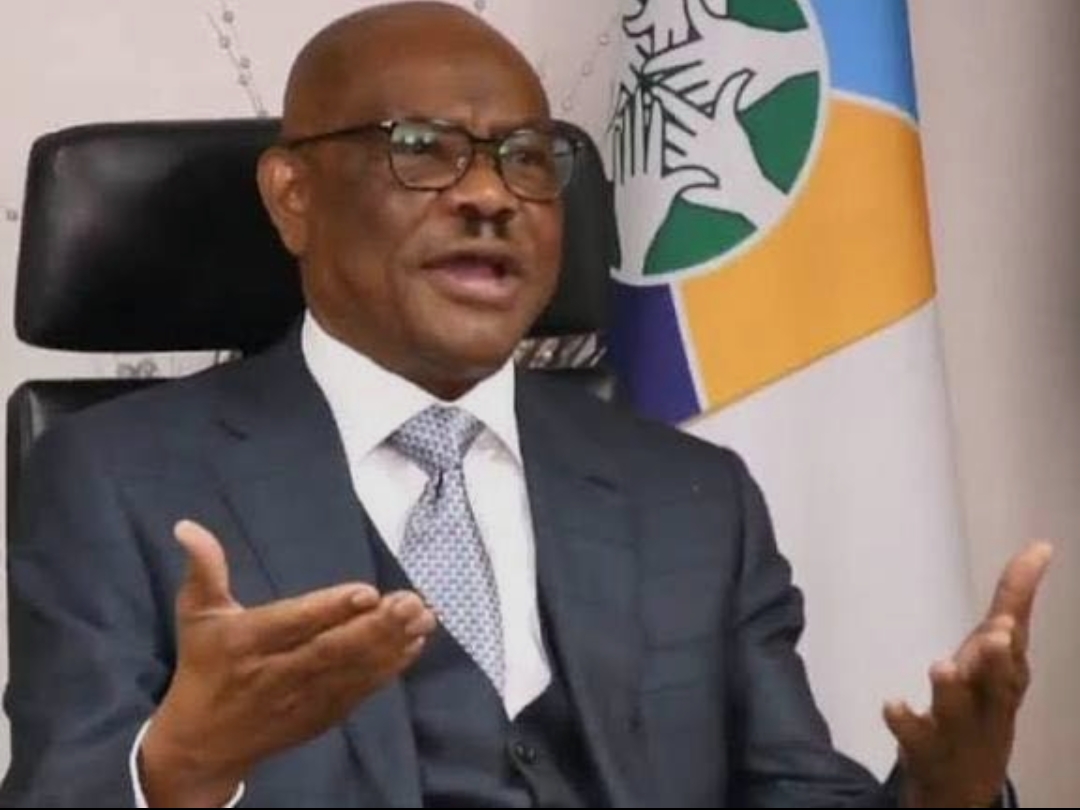
The road, commissioned under the administration of President Bola Ahmed Tinubu, GCFR, and executed by the Federal Capital Territory Administration (FCTA) under the leadership of the Honourable Minister, Barrister Nyesom Wike, represents another milestone in the government’s commitment to modernizing Abuja’s road network.
However, advocates say that true development should not only be measured by the number of roads constructed but also by whether every Nigerian can use them safely, independently, and with dignity.
In a statement of appreciation and appeal, disability advocates commended President Tinubu and the FCT Minister for their continued investment in critical infrastructure, describing the newly commissioned road as a major contribution to transportation, commerce, and urban development within the nation’s capital.
According to them, the project reflects the government’s determination to improve the quality of life of residents through better road infrastructure and increased connectivity between strategic districts of Abuja.
Despite this commendation, the advocates expressed disappointment that the pedestrian walkways and road shoulders along the newly completed road were constructed without adequate accessibility features for persons with disabilities, particularly wheelchair users and individuals with mobility impairments.
They explained that the absence of properly designed curb ramps and accessible pedestrian crossings means that many people with disabilities will face unnecessary difficulties navigating the road, effectively denying them equal access to public infrastructure that should serve every citizen.
The advocates stressed that accessibility is not an optional feature or an afterthought but an essential component of modern infrastructure planning. They noted that roads designed without accessibility considerations create physical barriers that limit movement, reduce independence, and expose persons with disabilities to unnecessary risks.
“Every new public infrastructure project should be designed with inclusion in mind from the planning stage,” the statement emphasized. “When accessibility is ignored, it sends the wrong message that some citizens matter less than others.”
The group appealed to the Honourable Minister of the Federal Capital Territory, Barrister Nyesom Wike, to direct the contractor responsible for the project to return to the site and modify the pedestrian walkways to meet nationally and internationally recognized accessibility standards.
According to the advocates, such modifications would include the installation of properly designed curb ramps, barrier-free pedestrian access points, and other universal design features that would enable wheelchair users, older persons, individuals using crutches, parents pushing strollers, and others with mobility challenges to use the road safely and independently.
They argued that making these adjustments now would not only improve the quality of the project but also demonstrate the government’s commitment to inclusive development and equal opportunities for all residents of the Federal Capital Territory.
The advocates further linked their appeal to the Renewed Hope Agenda of President Bola Ahmed Tinubu, noting that one of its core aspirations is to build a society where no Nigerian is excluded from development because of disability or any other circumstance.
They maintained that accessible infrastructure aligns perfectly with this vision, ensuring that public investments benefit every member of society without discrimination.
The statement also reminded government officials that accessibility is a legal obligation under Nigeria’s Discrimination Against Persons with Disabilities (Prohibition) Act, 2018, which guarantees persons with disabilities equal access to public buildings, roads, transportation systems, and other public facilities.
According to the advocates, compliance with the Act should become a standard requirement for all ongoing and future infrastructure projects across the country.
Urban development experts have consistently argued that accessible cities are better cities for everyone. Features such as curb ramps, smooth walkways, tactile paving, and barrier-free crossings benefit not only persons with disabilities but also senior citizens, pregnant women, children, cyclists, delivery workers, and many other road users.
Globally, modern cities are increasingly embracing the principles of universal design, recognizing that infrastructure should accommodate the diverse needs of all people rather than a select few.
The disability advocates therefore urged the Federal Capital Territory Administration to seize the opportunity to make the newly commissioned road a model of inclusive infrastructure by incorporating accessibility improvements before the project is considered fully completed.
While acknowledging the remarkable progress achieved under the current administration in expanding road infrastructure across Abuja, they emphasized that genuine development is measured not only by the number of kilometres of roads constructed but also by the extent to which those roads are usable by every citizen, regardless of physical ability.
The advocates concluded by expressing optimism that the FCT Minister would give the appeal the attention it deserves.
They reaffirmed their appreciation to President Bola Ahmed Tinubu and Barrister Nyesom Wike for their commitment to infrastructure development while expressing hope that accessibility concerns would be addressed promptly.
According to them, ensuring that persons with disabilities can safely use the newly commissioned CBD–Wuse Zone 3 road would reinforce Nigeria’s commitment to inclusion, uphold the rights guaranteed under the law, and send a strong message that no resident of the Federal Capital Territory will be left behind in the nation’s journey toward sustainable development.
For disability advocates, the message is simple yet profound: roads connect communities, but accessible roads connect everyone.


