

By Christian Agbo,
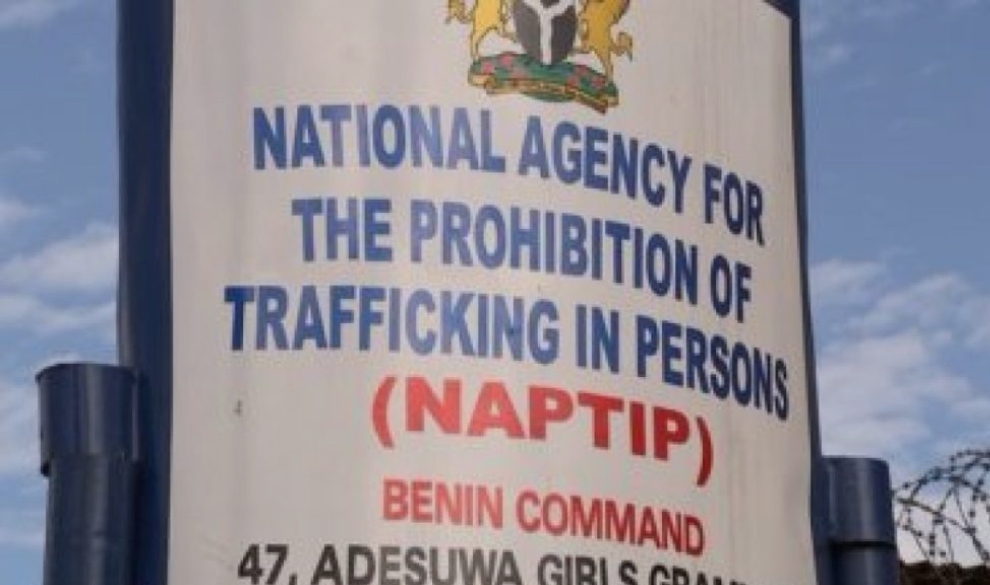
More than 3,000 people have been rescued from critical situations since January 2026, while the National Agency for the Prohibition of Trafficking in Persons (NAPTIP) has secured more than 20 convictions in sexual and gender-based violence (SGBV)-related cases, including three life imprisonment sentences.
The figures were disclosed by Vincent Adekoye, Head of Press and Population Unit at NAPTIP, during a two-day SGBV Media Corps Workshop organised by the agency with support from the European Union Support to End Sexual and Gender-Based Violence (ESGBV) Programme, implemented by International IDEA.
The figures offer a glimpse into the scale of the fight against sexual and gender-based violence in Nigeria—and the growing emphasis being placed on rescue, prosecution, prevention and public awareness.
But for NAPTIP, the battle is far from over.

From Rescue to Prosecution
Adekoye said NAPTIP has continued to strengthen its response to SGBV through rescue operations, arrests, prosecution and collaboration with frontline institutions.
He disclosed that the agency had rescued more than 3,000 people from critical situations since January 2026 and had secured more than 20 convictions in SGBV-related cases.
Three of those convictions, he said, resulted in life imprisonment.
The convictions, according to NAPTIP, demonstrate that perpetrators of SGBV can face serious consequences when cases are reported, investigated and successfully prosecuted.
However, Adekoye stressed that enforcement cannot be the responsibility of one institution alone.
“We want to get more people, more critical stakeholders on board in the fight against sexual and gender-based violence,” he said.
Why NAPTIP Wants the Media on the Frontline
One of the major outcomes of the workshop was the establishment and strengthening of an SGBV Media Corps—a network of journalists expected to work consistently with NAPTIP to promote ethical and responsible reporting of SGBV.
The initiative, supported by the EU-funded ESGBV Programme implemented by International IDEA, seeks to move the media beyond simply reporting incidents after they occur.
Adekoye urged journalists to investigate the reasons behind rising cases of SGBV and question the roles played by institutions, social norms, cultural practices and community behaviours.
“We want the media to go out of the normal routine of writing reports to be able to question some things that are coming up,” he said.
The expectation is that journalists will help expose systemic failures, increase public awareness, encourage reporting and ensure that SGBV remains a subject of sustained public attention.
The Survivor Must Not Become the Story’s Victim Again
NAPTIP also emphasised the importance of survivor-centred reporting.
Adekoye said journalists must protect survivors’ dignity and privacy and avoid reporting practices that expose victims to additional trauma or stigma.
“The victims are very critical to us. We must protect them. We must ensure their dignity is protected, their privacy,” he said.
This means journalists must carefully consider how they identify survivors, describe incidents and publish photographs or other personal information.
The media, he said, should help survivors rebuild trust in society rather than expose them to further harm.
SGBV Does Not Affect Everyone Equally
The workshop also drew attention to the particular vulnerabilities of persons with disabilities.
Comrade Chris Agbo, Publisher of The Qualitative Magazine and a disability inclusion advocate, said persons with disabilities can face additional barriers before, during and after experiencing SGBV.
For women with disabilities, he described the situation as “double jeopardy” because they may experience discrimination both as women and as persons with disabilities.
A blind survivor, for instance, may face difficulties identifying an assailant, while a deaf survivor may encounter communication barriers when attempting to report an incident to the police.
Agbo also highlighted the vulnerability of persons with intellectual disabilities, who may face difficulties understanding, communicating or reporting abuse and may therefore be deliberately targeted by perpetrators.
Technology Creates New Threats
NAPTIP also warned that the nature of SGBV is changing as technology creates new avenues for abuse.
Technology-facilitated gender-based violence can include forms of online harassment, threats, exploitation and other abuses carried out through digital platforms.
Adekoye said the media must understand these emerging dimensions of SGBV and ensure that reporting keeps pace with the changing ways perpetrators operate.
The inclusion of technology-facilitated SGBV in the workshop reflects the need for journalists and community stakeholders to recognise that violence can extend beyond the physical environment into the digital space.
The Law Exists, But Implementation Remains a Challenge
The workshop also examined gaps in the implementation of the Violence Against Persons (Prohibition) Act and related state-level laws.
Winifred Achu Egbosen, Civil Society and Community Mobilisation Lead for the ESGBV Programme implemented by International IDEA, noted that although legal frameworks exist, awareness, implementation and utilisation remain challenges.
She also pointed to harmful social and cultural norms that can encourage violence or pressure survivors to abandon cases.
Economic hardship can further complicate the pursuit of justice, as survivors may have to cover transportation and other costs associated with reporting, medical care and court proceedings.
Communities Must Stop Treating SGBV as a Family Matter
Another concern raised by NAPTIP was the practice of informal settlement of SGBV cases.
Adekoye warned against community leaders or family members attempting to settle serious SGBV offences outside the formal justice system.
Once an offence has been committed, he stressed, the law must be allowed to take its course.
He encouraged survivors to report cases, assuring them that their identities can be protected.
The Bigger Battle: Prevention
While the reported rescues and convictions demonstrate enforcement activity, the ultimate goal remains prevention.
That requires more than arrests and imprisonment.
It requires communities to challenge harmful beliefs, institutions to respond effectively, journalists to report responsibly, survivors to have access to trusted support and perpetrators to understand that SGBV carries consequences.
It also requires persons with disabilities to be deliberately included in prevention, reporting and justice mechanisms.
The creation of an SGBV Media Corps therefore represents an important attempt to make the media part of the solution—not simply a recorder of the problem.
With more than 3,000 people reportedly rescued and more than 20 convictions secured since the beginning of 2026, NAPTIP says the fight is gaining ground.
But the real measure of success will ultimately be whether fewer people become victims, whether survivors can report without fear, whether perpetrators are held accountable and whether communities become increasingly unwilling to tolerate sexual and gender-based violence.
The battle is not only to rescue victims after violence occurs. It is to build a society where fewer people need to be rescued in the first place.
Follow the The Qualitative Magazine channel on WhatsApp:


