

Skills, enterprise development and digital training to open new pathways to sustainable livelihoods
By Agbo Christian
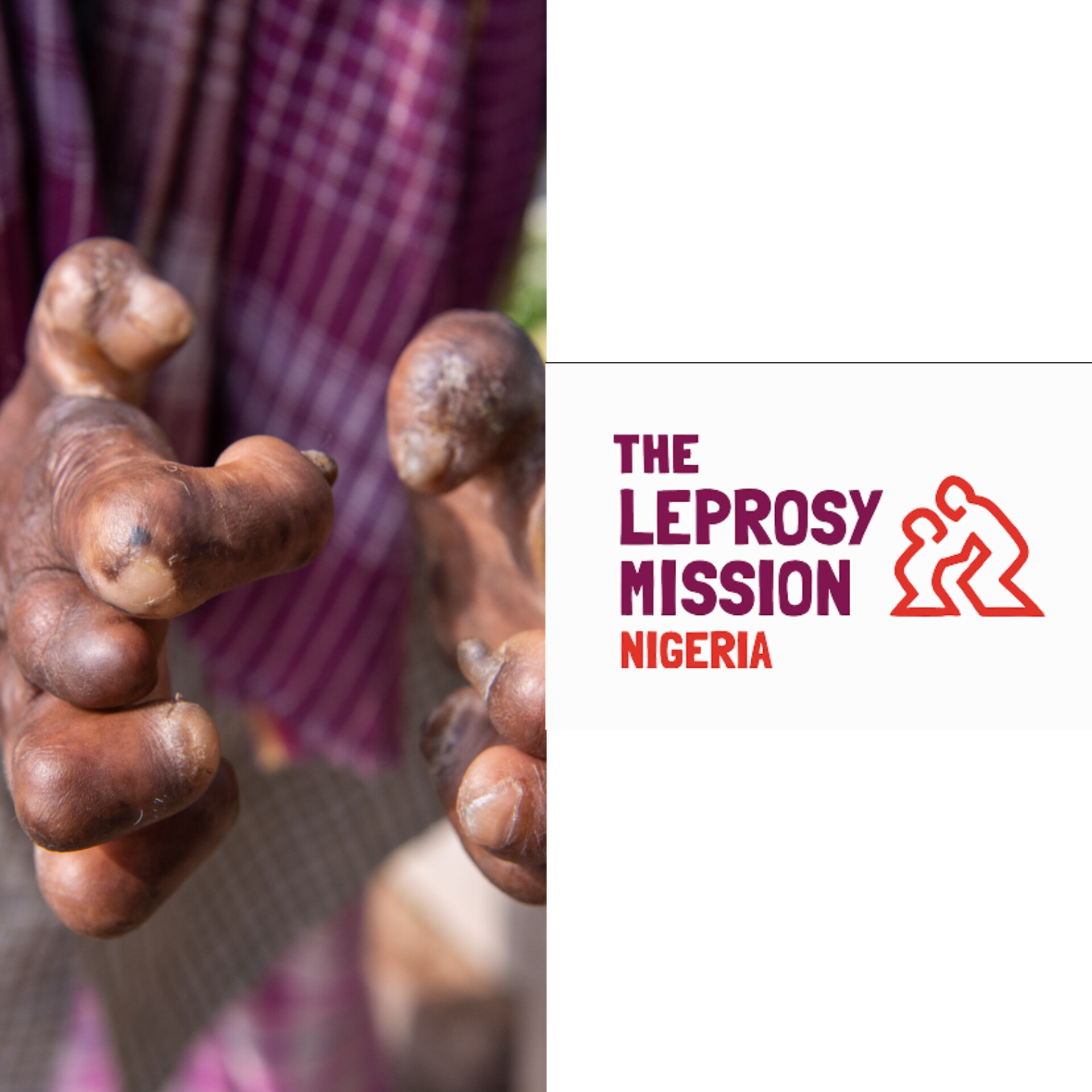
ABUJA — In a major push to tackle poverty, exclusion and limited economic opportunities among vulnerable populations, The Leprosy Mission Nigeria (TLMN) is investing ₦228.305 million in an integrated skills and enterprise development programme targeting 180 persons affected by leprosy and persons with disabilities across 20 communities in five states and the Federal Capital Territory (FCT).
The intervention, which begins in October 2026, is designed to move beyond conventional skills training by equipping beneficiaries with a combination of vocational skills, enterprise management knowledge, digital technology capabilities and start-up support to enable them to establish, strengthen and expand sustainable livelihood activities.
The programme will be implemented across Kebbi, Kogi, Kwara, Niger, Sokoto and the FCT, with beneficiaries drawn from communities where TLMN is already working to promote inclusion, resilience, community participation and economic empowerment.
For many persons affected by leprosy and persons with disabilities, acquiring a vocational skill does not automatically translate into economic independence. Limited access to capital, markets, customers, technology and business knowledge can prevent skilled individuals from turning their abilities into sustainable sources of income.
TLMN’s latest intervention seeks to address some of these interconnected barriers.
From Skills to Sustainable Enterprises
Under the initiative, beneficiaries will undergo practical vocational training while also receiving training in enterprise management and digital technology.
The approach recognises that learning a trade is only the beginning. To build a sustainable livelihood, entrepreneurs need the ability to manage their businesses, market their products and services, connect with customers and adapt to an increasingly digital economy.
Through the programme, beneficiaries will therefore be supported to develop not only technical skills but also the business and digital capabilities required to compete in the marketplace.
The start-up support component is expected to help beneficiaries translate the knowledge and skills acquired through training into actual economic activities.
By linking skills development with enterprise support and market opportunities, the programme aims to create pathways towards greater economic participation and independence.
Breaking the Cycle of Poverty and Exclusion
The Leprosy Mission Nigeria said the intervention is based on the understanding that poverty and exclusion cannot be effectively addressed through short-term assistance alone.
Persons affected by leprosy and persons with disabilities often encounter multiple barriers to economic participation, including stigma, discrimination, limited access to employment, inadequate access to finance, inaccessible services and restricted opportunities to develop and grow businesses.
The programme seeks to respond to these realities by placing skills, opportunity and access to economic resources at the centre of its intervention.
Speaking on the initiative, National Director of TLMN, Dr. Sunday Udo, said the organisation’s objective goes beyond simply training beneficiaries.
“Our objective is not simply to provide training, but to create pathways through which persons affected by leprosy and persons with disabilities can build sustainable livelihoods, participate more fully in their communities and exercise greater economic independence,” Udo said.
180 Beneficiaries Across 20 Communities
A total of 180 beneficiaries will benefit from the intervention across 20 communities in Kebbi, Kogi, Kwara, Niger, Sokoto and the FCT.
The beneficiaries have been identified from communities where TLMN is implementing programmes focused on strengthening community participation, inclusion, livelihoods and resilience.
Community structures and local stakeholders are also being engaged in the implementation process.
According to TLMN, this approach is intended to promote transparency, community ownership and sustainability, while ensuring that the intervention responds to the realities and needs of the communities involved.
Digital Skills to Expand Market Opportunities
One of the notable components of the programme is its emphasis on digital technology.
For small businesses and emerging entrepreneurs, digital platforms can provide opportunities to promote products and services beyond their immediate communities.
The digital component of the intervention is therefore expected to help beneficiaries explore new ways of reaching customers, promoting their businesses and expanding their markets.
This is particularly important as economic activities increasingly rely on digital communication, online marketing and technology-enabled business relationships.
For persons with disabilities and persons affected by leprosy, access to such opportunities can also help reduce some of the physical and social barriers associated with traditional approaches to employment and enterprise development.
A Broader Investment in Inclusion
The ₦228.305 million investment represents a significant commitment towards inclusive economic empowerment and sustainable livelihoods.
Rather than viewing persons affected by leprosy and persons with disabilities primarily through the lens of vulnerability, the intervention focuses on their capacity to acquire skills, establish enterprises, access markets and contribute to the economic development of their communities.
The programme is part of the four-year The Leprosy Mission Nigeria Programme, being implemented by TLMN in collaboration with The Leprosy Mission Sweden, with funding support from the Swedish International Development Cooperation Agency (Sida).
Through the partnership, the organisations are seeking to strengthen sustainable livelihood opportunities while addressing the social and economic exclusion that can affect people impacted by leprosy and disability.
Towards Economic Independence
The intervention comes at a time when conversations around disability inclusion are increasingly shifting from charity-based approaches to rights, participation, economic empowerment and equal opportunity.
For the beneficiaries, the programme could represent more than vocational training or start-up support. It is intended to provide opportunities to build livelihoods, generate income, participate in their communities and exercise greater economic independence.
TLMN said it remains committed to working with communities and partners to advance sustainable livelihoods and inclusion for persons affected by leprosy and persons with disabilities.
The organisation’s vision is captured in its guiding message:
“Towards Zero Transmission. Zero Disability. Zero Discrimination.”
As the programme commences in October 2026, its success will ultimately be measured not only by the number of people trained, but by the extent to which beneficiaries are able to turn acquired skills and support into sustainable enterprises, increased income, stronger market participation and greater independence.
For 180 people across 20 communities, the investment could mark the beginning of a new economic chapter—one built not on dependency, but on skills, opportunity, enterprise and inclusion.
The Leprosy Mission Nigeria (TLMN)
Towards Zero Transmission. Zero Disability. Zero Discrimination.


