


By Chris Agbo,
Nigeria’s battle against neglected tropical diseases (NTDs) is recording one of its most inspiring public health victories yet, as thousands of men once trapped by pain, stigma and social exclusion begin new lives free from hydrocele, a devastating condition linked to lymphatic filariasis (LF).
As the world commemorates World Neglected Tropical Disease (NTD) Day on 30 January, fresh evidence shows that sustained investment, strong partnerships and targeted health interventions are transforming lives across Nigerian communities — from the rural farmlands of Kaduna and Kebbi States to urban centres in Benue State.
Lymphatic filariasis, commonly transmitted by mosquitoes, causes abnormal swelling of body parts. When it affects the arms and legs, it leads to lymphoedema, also known as elephantiasis. In men, the disease manifests as hydrocele, a painful enlargement of the scrotum that often grows over years, limiting mobility, productivity and dignity.
According to the World Health Organization (WHO), about 110 million Nigerians remain at risk of lymphatic filariasis, and an estimated 10–15 per cent of affected men are living with hydrocele. Beyond its physical burden, the condition fuels shame, marital strain and economic hardship, forcing many sufferers into isolation.
From Silent Suffering to Surgical Hope
For decades, treatment remained inaccessible to many men living with hydrocele due to high costs, lack of trained surgeons and fear of unsafe procedures. That reality is now changing.
With funding from the UK Foreign, Commonwealth & Development Office (FCDO), the international non-governmental organisation Sightsavers is partnering with the Federal Ministry of Health to eliminate lymphatic filariasis in Nigeria. The initiative focuses on halting transmission through community drug distribution, improving care for people with lymphoedema, and — crucially — providing safe and free hydrocele surgeries to men who need them most.
Since the programme began in 2024, its impact has been profound. Ninety-six surgeons have been trained in modern hydrocele surgery techniques, while 3,343 men have already undergone free, life-changing operations. In addition, 1,737 patients and caregivers have been trained in managing lymphoedema, helping to reduce complications and improve quality of life.
“I Can Live Like Everyone Else Again”
Behind the statistics are deeply human stories of loss, resilience and renewal.
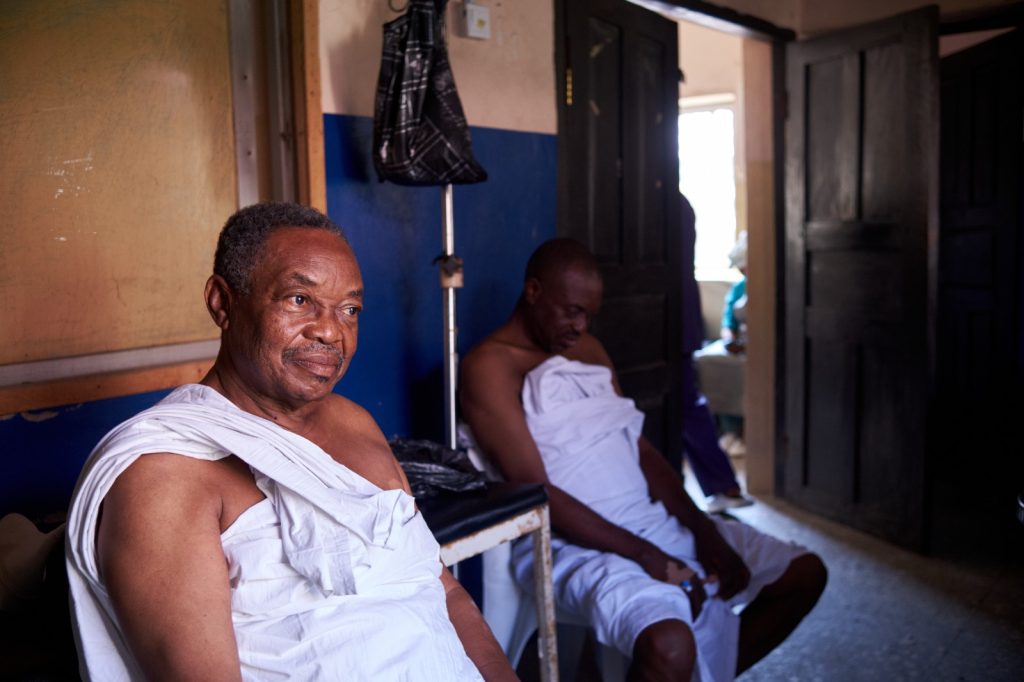
For Samaila Musa, a 55-year-old farmer from Kaduna State, hydrocele dictated his life for 20 painful years. Ashamed of his appearance, he avoided community gatherings and struggled to maintain his livelihood. In desperation, he sought help from an unqualified local practitioner whose attempted “surgery” left him with life-threatening complications.
When Samaila was finally referred to trained surgeons supported by Sightsavers, his condition required more than three hours of careful, high-risk surgery — far longer than the usual 30 to 45 minutes for standard hydrocele operations.
“I didn’t care about the risks anymore; I just wanted this thing out of my life,” he recalled.
“Sightsavers gave me hope and freedom. Now, I can live like everyone else again.”
In Benue State, hydrocele affected not one but two brothers.
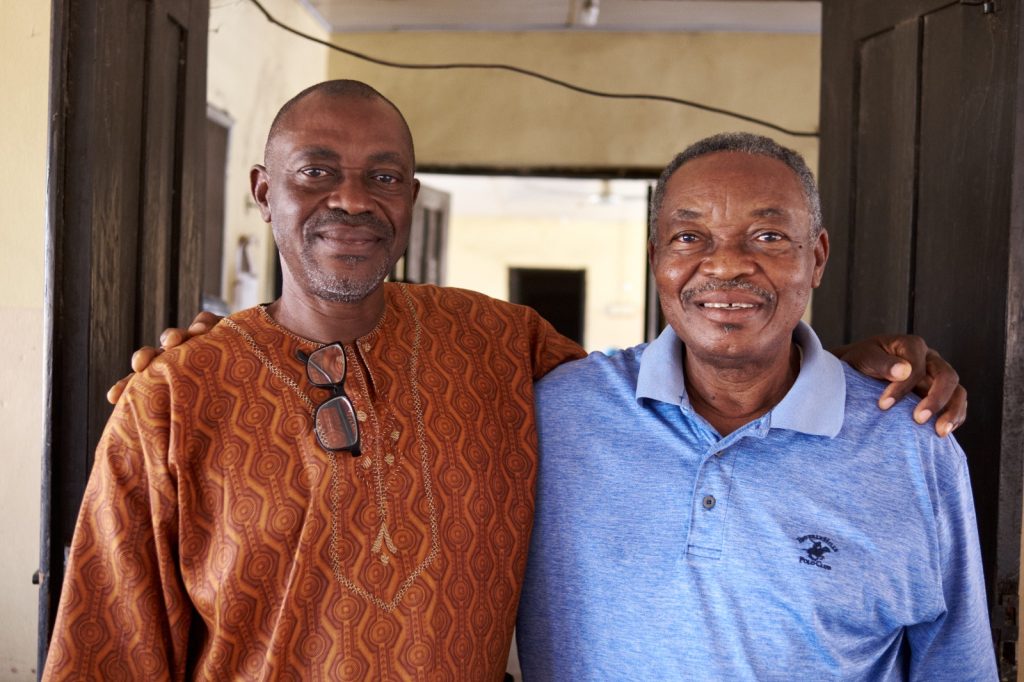
Bem Bajah, a 65-year-old retired lecturer, developed swelling in both testes, affecting his comfort and marital life. “It pains me, so I don’t make love often,” he said. “Even the size alone made me very uncomfortable.”
His younger brother, Bajah Terfa Robert, a 56-year-old public servant in Makurdi, had also lived with hydrocele for two years. Though largely painless, the condition deeply embarrassed him. “I cannot wear shirts and trousers because of the size; I normally wear traditional dresses,” he explained. “It just keeps growing.”
For both men, being selected for free surgery was a turning point. “I’m very happy — so happy about it,” Terfa Robert said. “I thank God for this solution.”
Restoring Livelihoods and Dignity
For many men, hydrocele steals more than health; it robs families of income.
Sanusi Aliyu, a 45-year-old farmer from Kebbi State, worried constantly about his ability to work and provide for his family. Though surgery offered a cure, the cost was far beyond his means. “I never imagined a day like this would come,” he said after receiving free treatment.
Similarly, Abdulrafiu Sani, 65, from Kaduna State, endured years of silent suffering with bilateral hydrocele. He avoided social functions, and the condition strained his marriage. Following successful surgery, he described the experience as life-transforming.
“Sightsavers gave me back my life. I can live like a normal man again,” he said.
Global Commitment, Local Results
The success of the programme underscores the power of international collaboration in tackling neglected diseases.
Cynthia Rowe, Head of Development Cooperation at the British High Commission Abuja, noted that NTDs continue to harm millions despite being preventable and treatable.
“Neglected tropical diseases like lymphatic filariasis steal people’s health, dignity and livelihoods,” she said. “Through our partnership with the Government of Nigeria and organisations like Sightsavers, the UK is supporting efforts that are delivering life-changing care for thousands.”
She added that World NTD Day offers an opportunity to recognise men who endured years of pain and stigma while celebrating progress that is restoring health, dignity and economic independence.
Why the Fight Must Continue
According to Prof. Joy Shuaibu, Country Director of Sightsavers Nigeria, the stories emerging from the programme reflect why NTDs must remain a public health priority.
“This is not only about physical suffering,” she said. “NTDs take away dignity, livelihoods and opportunity. Through strong partnerships, we are restoring health, rebuilding confidence and giving people the chance to live full and productive lives.”
She stressed that eliminating lymphatic filariasis requires sustained effort, including strong health systems, trained personnel and community engagement.
Towards a Nigeria Free From Neglected Diseases
As Nigeria reflects on World NTD Day 2026, the progress achieved offers both hope and a reminder of the work ahead. Sightsavers continues to collaborate with government institutions, development partners and local communities to integrate NTD interventions into broader health programmes.
By expanding access to safe surgery, strengthening health systems and prioritising prevention, the country is moving closer to a future where preventable and treatable diseases no longer sentence people to poverty, stigma and exclusion.
For men like Samaila, Bem, Sanusi and Abdulrafiu, that future has already begun — not as a policy document or a health target, but as a restored life, reclaimed dignity and renewed hope.
Click the link below to join our WhatsApp channel


