

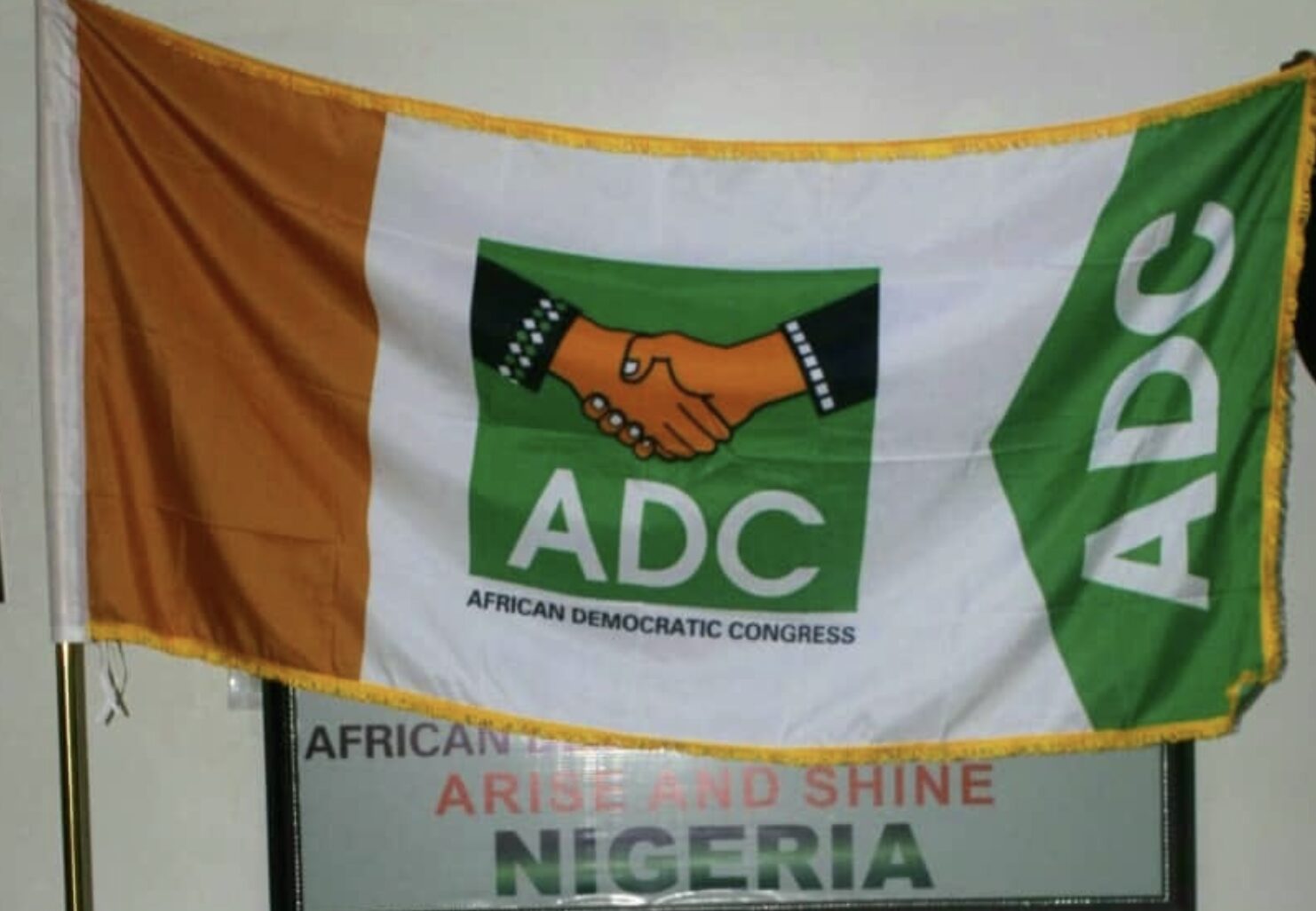
The African Democratic Congress (ADC) has announced a major reduction in the cost of nomination and expression of interest forms for women and Persons With Disabilities (PWDs), in a move aimed at deepening inclusive participation in Nigeria’s political landscape.
The decision, which has already generated reactions among political stakeholders and advocacy groups, will see women and PWD aspirants pay only 25 percent of the original fees for all elective positions contested under the party’s platform.
The announcement was made in a statement issued on May 12, 2026, by the ADC National Woman Leader, Naomi Lasara Abel, who described the initiative as a bold step toward dismantling financial obstacles that often prevent women and persons with disabilities from actively participating in politics.
According to the statement, the reduction applies across all categories of elective offices, including the presidency, National Assembly, and State Houses of Assembly.
Under the new pricing structure, the presidential nomination form, which ordinarily costs significantly higher, has now been reduced to ₦22.5 million for eligible women and PWD aspirants. Senate forms will cost ₦2.5 million, House of Representatives forms ₦1.25 million, while State House of Assembly forms have been pegged at ₦250,000.
Hon. Abel noted that the policy reflects the party’s commitment to equity, inclusion, gender mainstreaming, and equal access to political opportunities.
She emphasized that one of the biggest challenges confronting women and persons with disabilities in Nigerian politics remains the high financial cost of participation, stressing that many qualified aspirants are often forced out of the race long before elections due to prohibitive nomination fees.
“The reduction is aimed at encouraging broader participation of women and persons with disabilities in politics by easing the financial burden associated with contesting elections,” she stated.
In a move likely to further boost confidence among party members, the ADC also disclosed that women who had already purchased nomination forms at the old rates would receive refunds.
“For those trailblazing women who have already purchased their forms at the previous rates, a structured process is already underway to facilitate refunds,” the statement added.
Political analysts have described the development as one of the most significant inclusion-driven reforms announced by a political party ahead of future elections, especially at a time when advocacy groups continue to push for increased representation of marginalized groups in governance.
Over the years, women and Persons With Disabilities have repeatedly complained about systemic barriers limiting their political participation, ranging from financial exclusion and inaccessible political structures to discrimination within party systems.
Although Nigeria has continued to witness growing advocacy for inclusive governance, representation of women and persons with disabilities in elective and appointive offices remains significantly low compared to global standards.
Observers believe the ADC’s latest policy could encourage other political parties to adopt similar measures capable of promoting equal representation and strengthening democratic participation.
Hon. Abel commended the party’s National Working Committee (NWC) for approving the reduction, describing the decision as a demonstration of the ADC’s commitment to social justice, fairness, and inclusive leadership.
She also called on women across Nigeria to seize the opportunity by actively joining political processes and aspiring for leadership positions.
According to her, true democracy can only thrive when every segment of society, including women and persons with disabilities, is given a fair opportunity to contribute to governance and nation-building.
She further stressed that the initiative aligns with the ADC’s broader vision of building a democratic system where leadership is determined by competence, ideas, and service rather than financial strength alone.
The announcement is expected to resonate strongly among disability rights advocates and women-focused organizations, many of whom have consistently demanded the removal of structural and economic barriers preventing inclusive political participation in Nigeria.
As preparations for future elections continue to gather momentum across the country, the ADC’s latest move may set the tone for a wider national conversation on political inclusion, affordability of democratic participation, and the urgent need to create a level playing field for all Nigerians regardless of gender or disability status.
Click the link below to join our WhatsApp channel


