

By TQM News,
In what many disability rights advocates have described as a landmark breakthrough for inclusive healthcare in Nigeria, the Federal Capital Territory (FCT) Health Services and Environment Secretariat (HSES) has made a series of far-reaching commitments aimed at improving access to healthcare for Persons with Disabilities, particularly Deaf women.
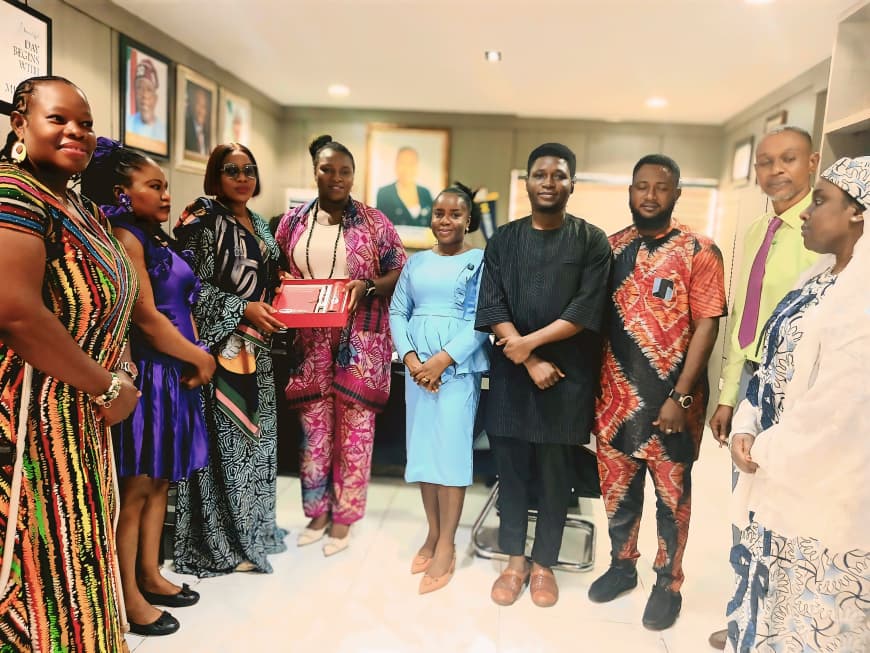
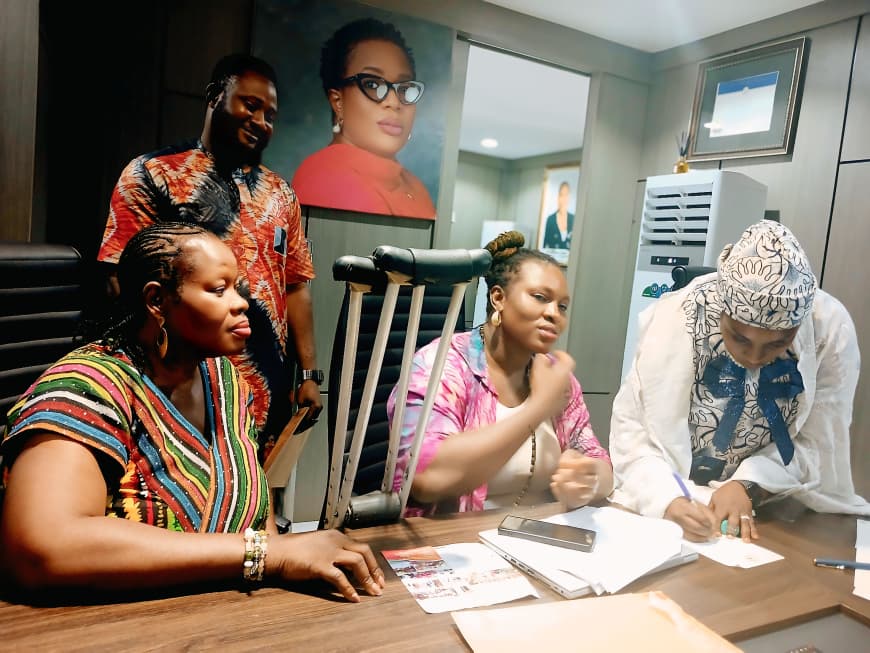
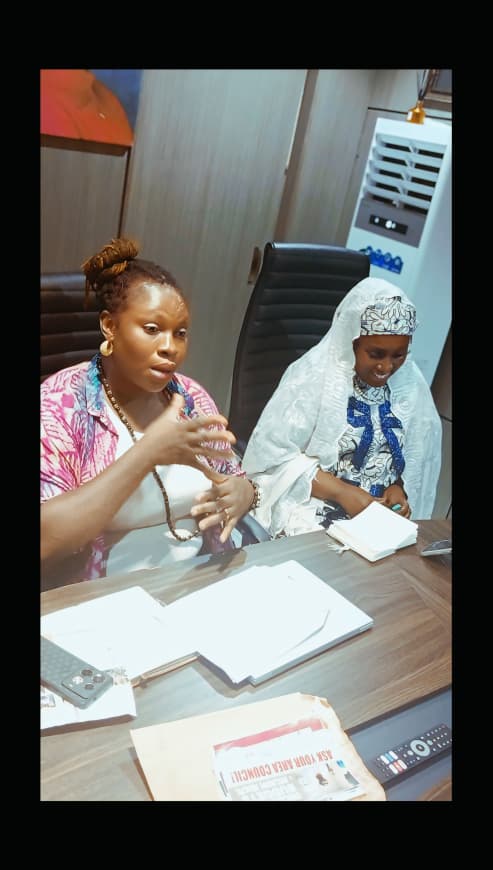
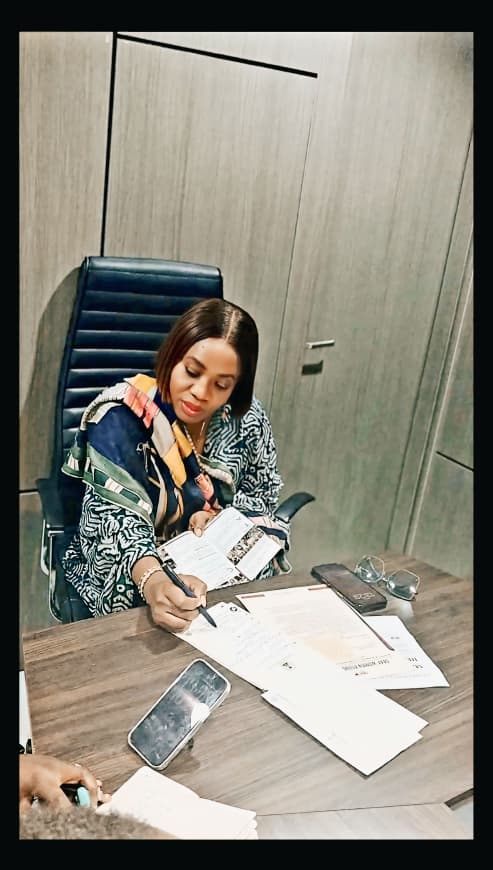
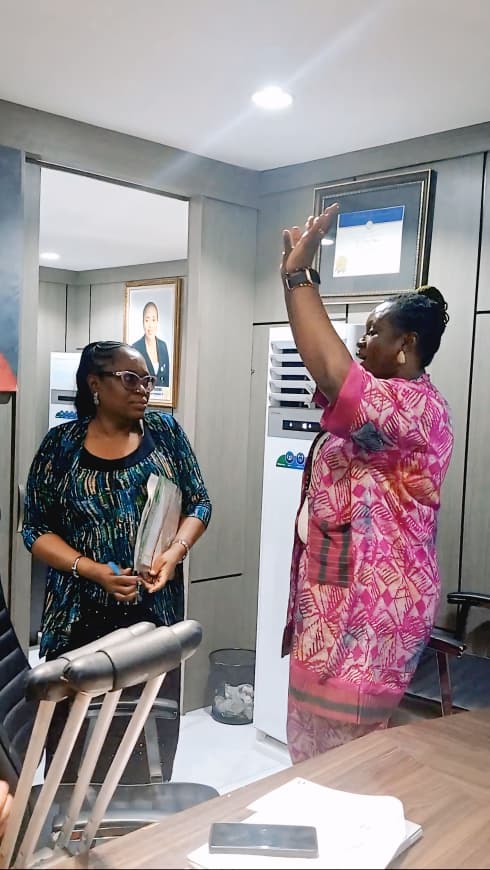
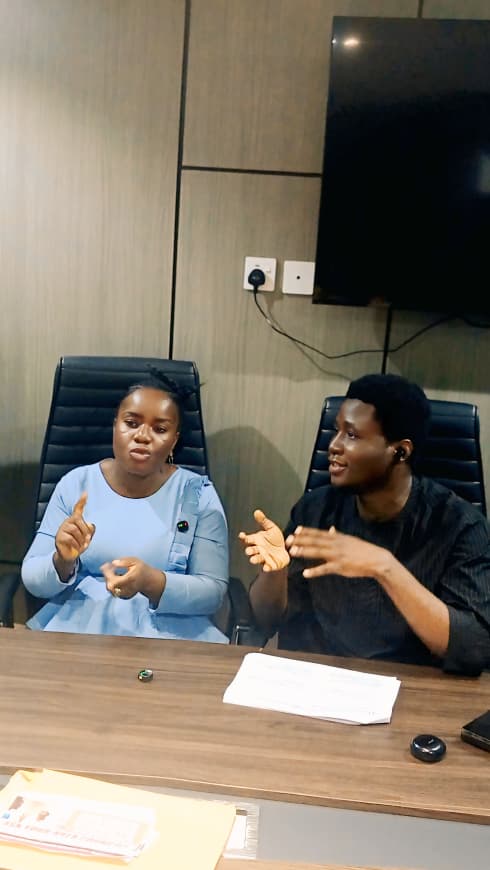
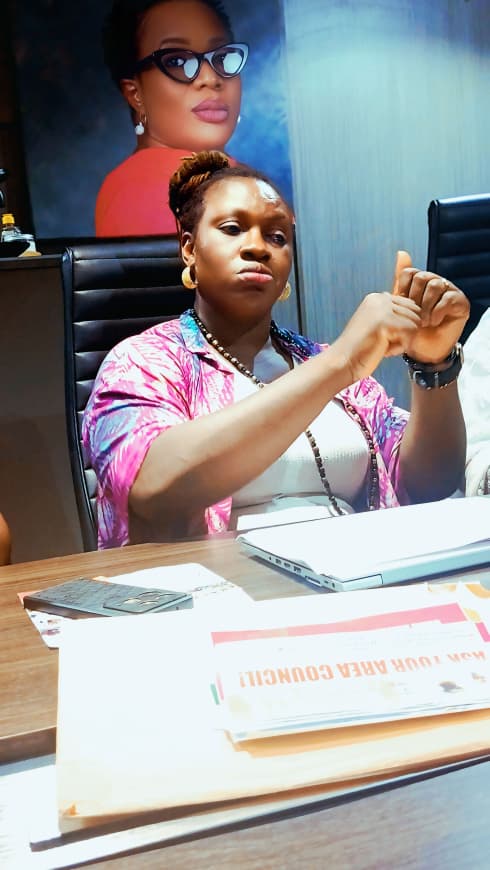
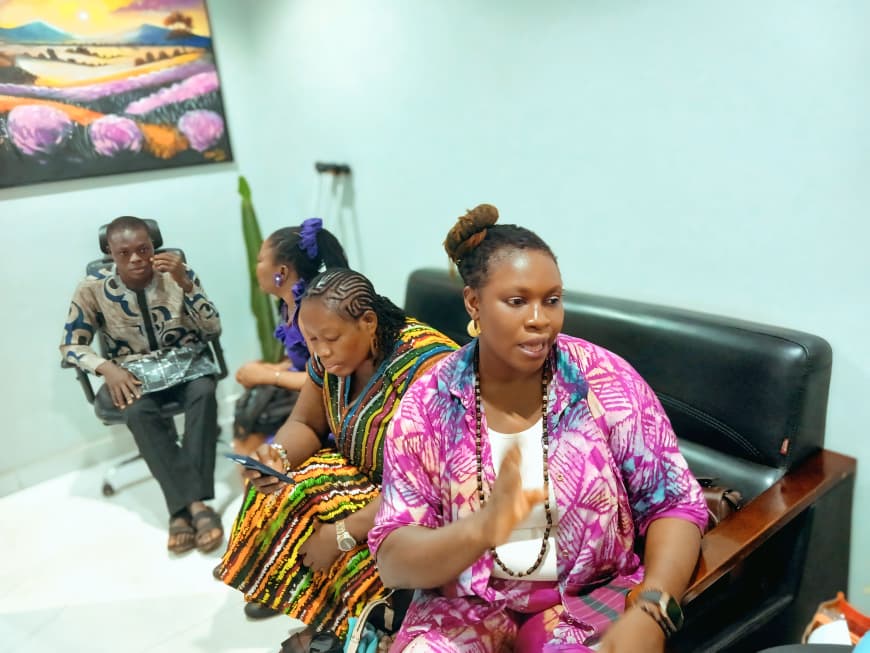
The historic development followed a high-level engagement held on July 7, 2026, when the Deaf Women Aloud Initiative (DWAI) met with officials of the FCT Health Services and Environment Secretariat in Abuja.
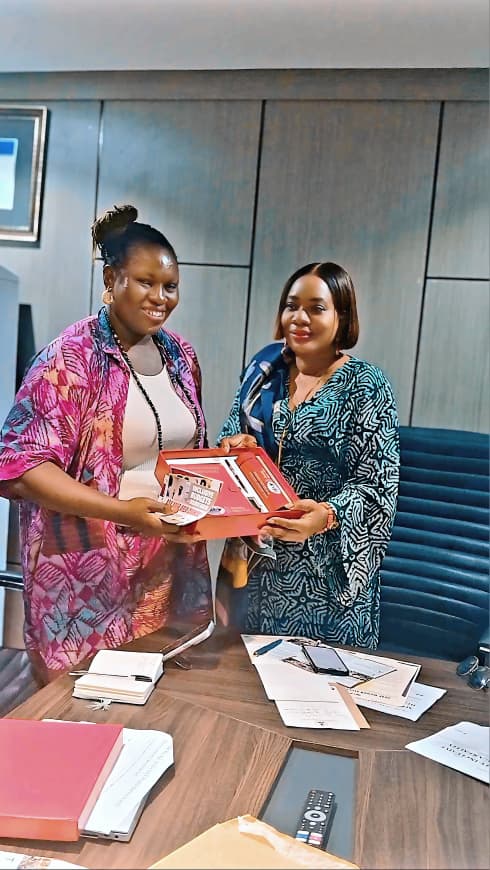
The meeting, hosted by the Mandate Secretary of HSES, Dr. Adedolapo Fasawe, marked a significant turning point in the campaign for equitable and accessible healthcare for Persons with Disabilities in the FCT.
For years, Deaf women and other persons with sensory disabilities have faced enormous barriers when seeking healthcare services. Many have had to rely on family members or untrained individuals to interpret sensitive medical information during antenatal visits, labour, childbirth, and other critical healthcare situations. These communication barriers have often resulted in misunderstandings, compromised privacy, delayed treatment, and poor health outcomes.
Recognizing these longstanding challenges, the FCT Health Services and Environment Secretariat demonstrated a strong willingness to move beyond discussions by making concrete commitments that could reshape disability-inclusive healthcare across the territory.
Six Sign Language Interpreters to Be Considered for Deployment
One of the most significant outcomes of the meeting is the decision by the Secretariat to invite the Deaf Women Aloud Initiative to nominate six qualified sign language interpreters for potential deployment at Kuje General Hospital.
The proposed deployment is expected to begin as a pilot programme focused on maternal and reproductive healthcare, enabling Deaf women to communicate directly with doctors, nurses, and other healthcare professionals throughout pregnancy, labour, delivery, and postnatal care.
If successfully implemented, the initiative will represent one of the first structured efforts within the FCT public healthcare system to institutionalize sign language interpretation services for Deaf patients.
Disability advocates believe this initiative could serve as a model for hospitals across Nigeria.
Disability Data to Be Captured in Health Planning
Another major breakthrough from the engagement is the commitment to strengthen disability data collection within the healthcare system.
The Directorate of Health Planning, Research, and Statistics will review the existing Health Management Information System (HMIS) tools to incorporate disability-disaggregated indicators.
For decades, the lack of reliable disability data has hindered effective planning and resource allocation within Nigeria’s healthcare system. By ensuring that Persons with Disabilities are accurately captured in health records, policymakers will be better equipped to design programmes that respond to their specific healthcare needs.
Experts have consistently emphasized that inclusive policies cannot succeed without credible data, making this commitment a significant milestone.
Disability Inclusion Heads to the Highest Policy Level
In another encouraging development, disability-inclusive healthcare will now feature in the memorandum for the 4th FCT Council on Health.
This means disability issues are set to receive attention at one of the highest policy-making platforms within the FCT health sector.
Stakeholders believe this move could pave the way for broader institutional reforms that prioritize accessibility, communication support, and inclusive healthcare delivery across all public health facilities.
Health Sign Language Glossary Set for Wider Adoption
The meeting also resolved that the Health Sign Language Glossary previously developed by the Deaf Women Aloud Initiative will undergo review for wider distribution across health facilities in the FCT.
The glossary contains standardized medical and health-related signs designed to improve communication between healthcare workers and Deaf patients.
Its broader adoption is expected to reduce communication barriers, improve patient safety, enhance the quality of consultations, and foster greater confidence among Deaf persons seeking healthcare services.
DWAI Invited to Develop Practical Solutions
Rather than limiting discussions to policy statements, the Secretariat invited the Deaf Women Aloud Initiative to submit a concise proposal outlining practical, cost-effective interventions that can improve healthcare access for persons with sensory disabilities.
This invitation reflects the government’s recognition that organizations led by Persons with Disabilities possess valuable lived experiences and practical expertise necessary for designing effective inclusive healthcare solutions.
Earlier Pilot Programme to Be Reviewed
The Secretariat also agreed to conduct a technical review of the earlier FCT-supported sign language interpretation pilot programme.
The review will examine lessons learned, identify areas requiring improvement, and provide evidence for scaling up sign language interpretation services across more public hospitals and primary healthcare centres.

From Advocacy to Action
For disability advocates, the meeting represents much more than another stakeholder engagement.
It signals a transition from years of advocacy to measurable government action.
For countless Deaf women, pregnancy and childbirth have often been accompanied by fear, anxiety, and communication barriers. Many have struggled to understand medical instructions or express their concerns during emergencies because qualified interpreters were unavailable.
The planned deployment of professional sign language interpreters has the potential to transform these experiences by ensuring that Deaf women receive healthcare with dignity, privacy, safety, and equal access.
Commendation for Leadership
The Deaf Women Aloud Initiative expressed profound appreciation to the Mandate Secretary of the FCT Health Services and Environment Secretariat, Dr. Adedolapo Fasawe, for her openness, empathy, and commitment to advancing disability-inclusive healthcare.
The organization also acknowledged the dedication of the HSES leadership, technical departments, and all stakeholders whose contributions made the engagement productive.
Special appreciation was extended to the Disability Rights Fund (DRF) for its continued support in advancing the rights of Persons with Disabilities and promoting equitable access to essential services.
A Promising Future
While much work remains to ensure full accessibility across Nigeria’s healthcare system, the commitments reached during this engagement represent a promising beginning.
If implemented effectively, these initiatives could become a national model for inclusive healthcare, demonstrating that meaningful partnerships between government and disability organizations can deliver practical solutions that improve lives.
For thousands of Persons with Disabilities in the Federal Capital Territory, especially Deaf women, this development offers renewed hope that healthcare will no longer be defined by communication barriers, exclusion, or inequality, but by dignity, accessibility, and equal opportunity.
As Nigeria continues its journey toward universal health coverage, disability inclusion must remain at the heart of every policy, programme, and healthcare intervention. The commitments announced by the FCT Health Services and Environment Secretariat demonstrate that an inclusive healthcare system is not only possible—it is achievable when governments choose to listen, collaborate, and act.


