

ABUJA – No fewer than 4,216 candidates with disabilities have gained admission into universities, polytechnics and colleges of education across Nigeria over the past decade through the intervention of the Joint Admissions and Matriculation Board (JAMB) Equal Opportunity Group (JEOG), highlighting a significant milestone in the country’s drive towards inclusive higher education.
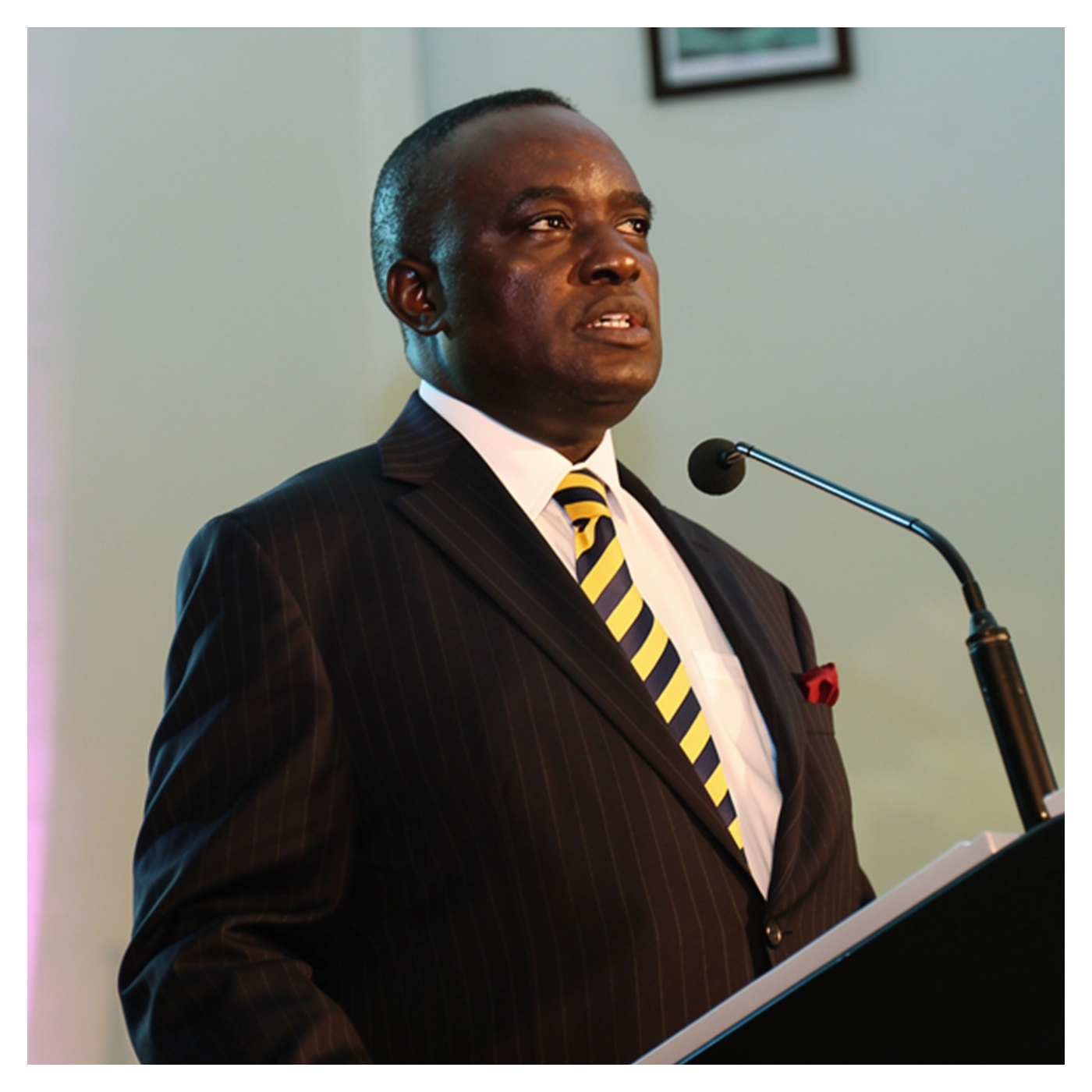
The remarkable achievement was unveiled on Wednesday by the Chairman of the JAMB Equal Opportunity Group (JEOG) and former Executive Secretary of the National Universities Commission (NUC), Emeritus Professor Peter Okebukola, during the 2026 JAMB National Stakeholder Engagement on Inclusivity and Higher Education, held at the National Universities Commission headquarters in Abuja.
The event brought together education stakeholders, disability advocates, policymakers, academics and development partners to review a decade of progress in expanding access to higher education for persons with disabilities while charting a new course for the future of inclusive education in Nigeria.
The JAMB Equal Opportunity Group (JEOG), established by the outgoing JAMB Registrar, Professor Is-haq Oloyede, was created to eliminate barriers preventing candidates with disabilities from participating fully in the Unified Tertiary Matriculation Examination (UTME) and securing admission into tertiary institutions. Since its inception, the initiative has become one of Nigeria’s most impactful interventions in promoting educational inclusion.
Presenting a scorecard of the programme’s achievements, Okebukola disclosed that 4,216 candidates with different categories of disabilities had participated in the initiative over the last ten years.
“In the last 10 years, we have had 4,216 candidates with different categories of disabilities participate in the programme. On the average, about 53 per cent of them gain admission into universities, polytechnics and colleges of education every year,” he said.
The statistics underscore the growing opportunities being created for persons with disabilities to pursue higher education, despite longstanding structural and societal barriers that have historically limited access.
Okebukola was quick to dispel the widespread misconception that candidates with disabilities are admitted through lowered academic requirements or special concessions. According to him, all candidates are subjected to the same examination standards as every other UTME candidate.
“We do not lower standards for them. They answer the same questions as every other candidate. I am continually amazed by how excellently they perform. Many of them are exceptionally brilliant,” he stated.
He explained that the success stories emerging from the programme demonstrate that disability does not diminish academic ability. Rather, he said, the provision of reasonable accommodations and equal opportunities enables candidates with disabilities to compete on a level playing field with their peers.
According to him, many beneficiaries of the programme have distinguished themselves in highly competitive courses, including law and other professional disciplines, proving that talent and intellectual capacity are not defined by physical, sensory or other disabilities.
“The performance of these students continues to show that disability is not a barrier to academic excellence when the right support systems are in place,” he added.
The stakeholder engagement also looked beyond past achievements to explore emerging opportunities for strengthening inclusive education through technology.
Speaking on the theme of the meeting, Okebukola said participants deliberated extensively on the growing role of Artificial Intelligence (AI) in transforming higher education and how it could be leveraged to make learning more accessible for students with disabilities.
According to him, AI has the potential to revolutionise accessibility by providing innovative tools that support students with visual, hearing, physical, learning and other disabilities throughout their educational journey.
“We are reviewing what we have achieved in the last 10 years and looking ahead. One of the major issues that will shape the future of higher education is artificial intelligence, and we are examining how AI can improve the efficiency of inclusivity in higher education,” he said.
Experts at the forum noted that AI-powered technologies such as real-time speech-to-text transcription, automated sign language support, intelligent learning assistants, screen-reading software, adaptive examination systems and personalized learning platforms could significantly improve learning outcomes for students with disabilities if properly integrated into Nigeria’s education system.
Beyond technology, stakeholders also discussed the importance of creating safe and supportive learning environments for vulnerable students, including underage entrants into tertiary institutions.
Okebukola revealed that a comprehensive manual had been developed to guide universities and other tertiary institutions in supporting younger students as they transition into higher education.
According to him, the manual was produced following extensive consultations involving 468 scholars and underage students already studying in Nigerian universities. The document provides practical guidance on addressing issues such as bullying, emotional wellbeing, mental adjustment, peer relationships and social integration within campuses.
The initiative, he explained, is intended to help institutions create more inclusive and student-friendly environments where every learner, regardless of age or disability status, can thrive academically and socially.
The achievements recorded by the JAMB Equal Opportunity Group over the past decade have been widely acknowledged as one of Nigeria’s strongest examples of inclusive education in practice. By removing barriers to examinations and admissions while maintaining academic standards, the programme has empowered thousands of candidates with disabilities to pursue their dreams of higher education and professional careers.
As stakeholders reflected on ten years of progress, the consensus was clear: the journey towards an inclusive higher education system is far from over. However, with sustained collaboration among government agencies, educational institutions, disability organisations and technology innovators, Nigeria is steadily moving towards a future where access to quality education is determined not by disability, but by ability, merit and equal opportunity.


