

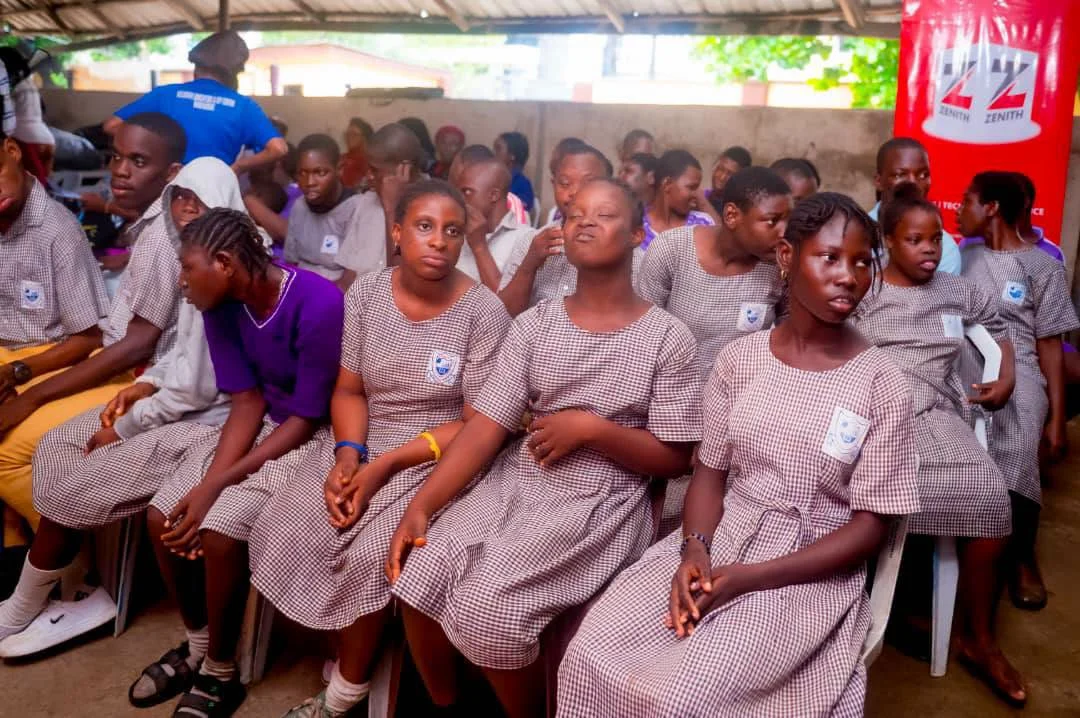
In a significant step towards advancing menstrual health equity and disability inclusion, no fewer than 300 girls with disabilities in Lagos State have received comprehensive menstrual hygiene kits during the 2026 World Menstrual Hygiene Day celebration organised by the Lagos State Office for Disability Affairs (LASODA).
The event, held at State Senior Grammar School, Surulere, brought together government officials, development partners, educators, students, and disability advocates to address the unique menstrual health challenges faced by girls with disabilities while promoting dignity, inclusion, and equal access to education.
The initiative was implemented through a strategic partnership between LASODA, Plan International Nigeria, Oando Foundation, Zenith Bank Plc, and FlowVantage, reflecting a shared commitment to ensuring that no girl is left behind because of disability or menstruation.
More Than Distribution—A Commitment to Dignity
The beneficiaries received carefully assembled menstrual hygiene kits containing sanitary pads, underwear, soap, towels, wet wipes, and menstrual hygiene educational materials produced in accessible formats to meet the diverse communication needs of girls with disabilities.
Beyond the distribution of supplies, the programme focused on empowering participants with practical knowledge on menstrual health management, breaking long-standing myths surrounding menstruation, and encouraging inclusive attitudes within schools and communities.
The organisers stressed that menstruation should never become a barrier to education, confidence, or participation in everyday life, particularly for girls with disabilities who often encounter multiple layers of discrimination.
LASODA Reaffirms Commitment to Disability Inclusion
Speaking during the event, the General Manager of LASODA, Adenike Oyetunde-Lawal, said the initiative was designed to confront menstrual stigma, improve access to accurate menstrual health information, and expand access to hygienic menstrual products and disability-inclusive sanitation facilities.
She explained that the collaboration with Plan International Nigeria aligns with LASODA’s statutory mandate of promoting the rights, dignity, welfare, and inclusion of persons with disabilities across Lagos State.
According to her, while menstruation is a natural biological process experienced by millions of women and girls globally, many girls with disabilities continue to struggle because of persistent stigma, inadequate information, poor support systems, and inaccessible environments.
“Menstruation is a natural biological process experienced by millions of women and girls. Unfortunately, many girls, particularly those with disabilities, still face significant challenges in managing their menstrual health with dignity because of stigma, inadequate information and limited support,” she said.
Oyetunde-Lawal further encouraged male students to become allies by supporting their female classmates during menstruation rather than ridiculing, isolating, or discriminating against them.
She noted that fostering empathy among boys would help build safer and more inclusive learning environments where every student can thrive.
The LASODA General Manager also pointed out that the initiative aligns with the United Nations Convention on the Rights of Persons with Disabilities (UNCRPD), which guarantees equal rights and opportunities for persons with disabilities, as well as the Lagos State Special People’s Law, which seeks to eliminate discrimination and promote full participation of persons with disabilities in society.
Plan International Nigeria Advocates Equal Opportunities
Also speaking, the Director of Philanthropy at Plan International Nigeria, Sheila Ojei, reaffirmed the organisation’s unwavering commitment to ensuring that every child, regardless of disability, gender, or social background, has equal opportunities to grow, learn, and fulfil their aspirations.
She emphasised that menstrual health should never become a reason for girls to miss school or fall behind academically.
“Every child deserves the opportunity to be safe, learn and achieve their dreams. Regardless of the community you come from, or whether you have a disability, we want to support you to realise your full potential. Every child deserves to be included, respected and empowered,” Ojei stated.
She added that access to education remains a fundamental human right and called for sustained efforts to eliminate all barriers preventing girls from attending school during their menstrual periods.
Interactive Menstrual Hygiene Education
Adding an educational dimension to the programme, the Founder of FlowVantage, Yeside Olayinka-Agbola, led an engaging interactive session that equipped the girls with practical knowledge on menstrual hygiene management.
Participants were educated on the proper use and disposal of sanitary pads, maintaining personal hygiene during menstruation, managing menstrual discomfort, and adopting healthy self-care practices.
The session also encouraged participants to ask questions freely, helping to dispel misconceptions and build confidence in managing menstruation with dignity.
Breaking Barriers Through Inclusive Menstrual Health
The 2026 World Menstrual Hygiene Day celebration underscored the growing recognition that menstrual health is not merely a health issue but also a matter of human rights, education, gender equality, and disability inclusion.
For many girls with disabilities, limited access to menstrual products, inaccessible sanitation facilities, inadequate reproductive health information, and widespread social stigma continue to undermine their confidence, educational attainment, and overall well-being.
By providing both essential menstrual hygiene supplies and accessible health education, LASODA and its partners are helping to remove these barriers while promoting an environment where girls with disabilities can participate fully in school and society without discrimination.
The initiative serves as a reminder that achieving true inclusion requires collaborative action from government institutions, development partners, the private sector, schools, families, and communities to ensure that every girl—regardless of disability—can manage menstruation safely, confidently, and with dignity.
#DisabilityInclusion #MenstrualHygieneDay #InclusiveEducation #LeaveNoOneBehind


