

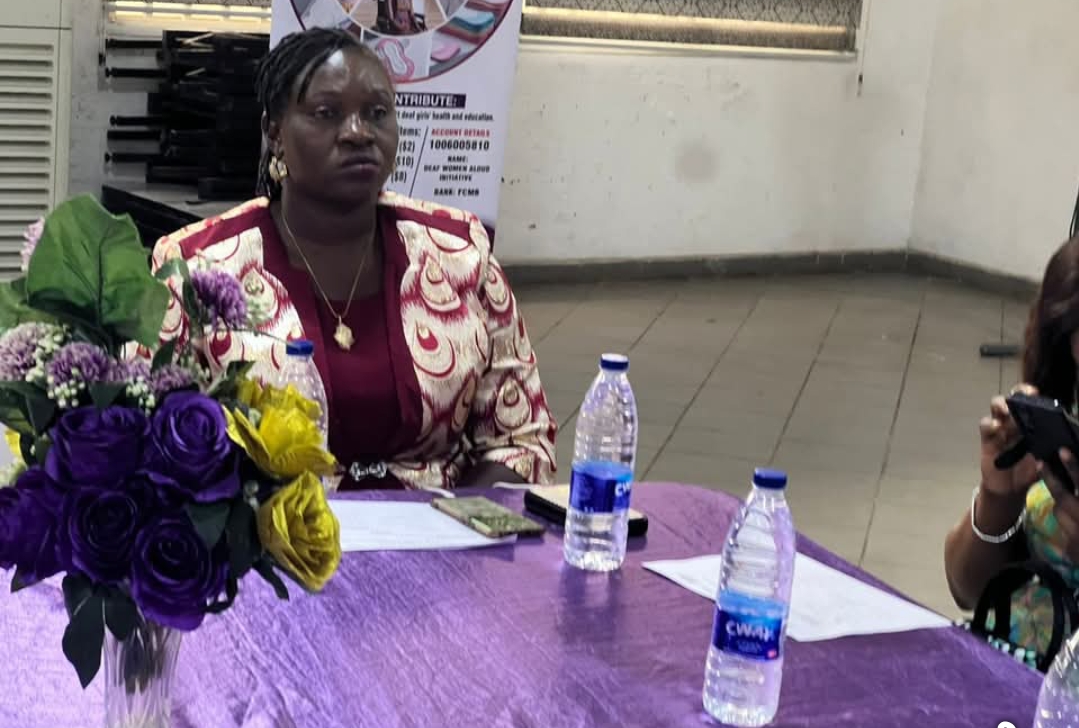
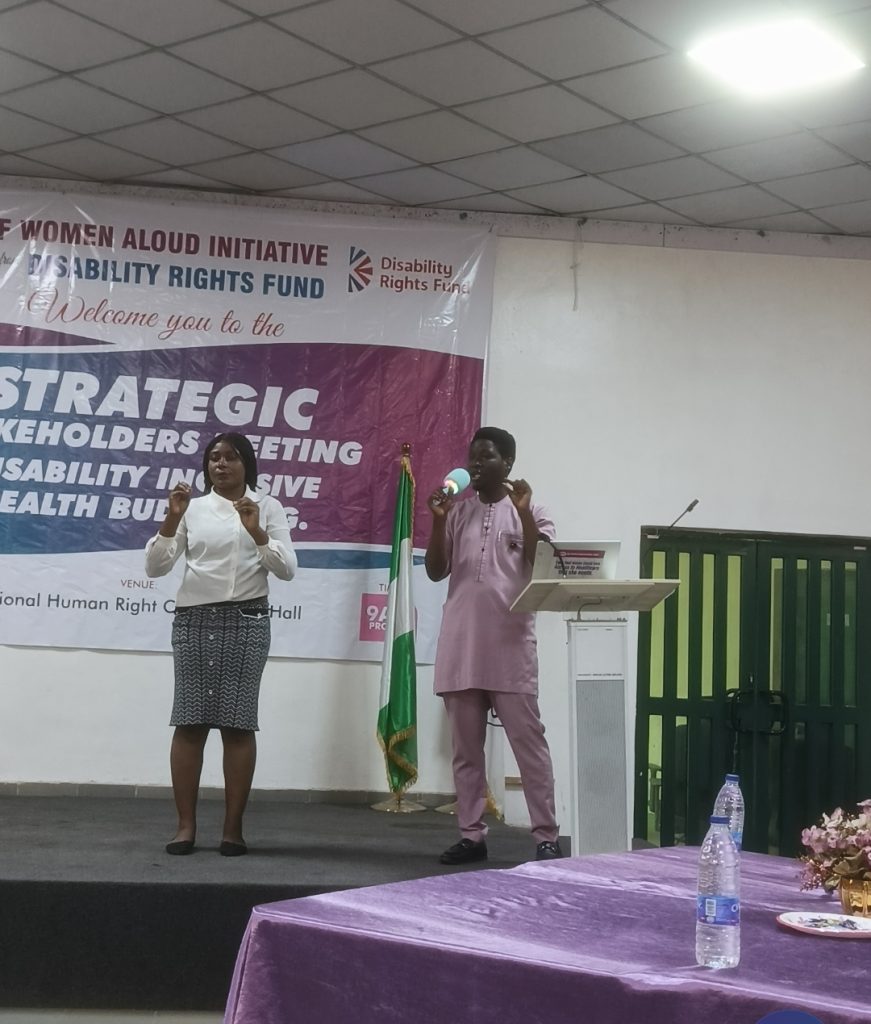
Abuja, Nigeria — A powerful call for systemic change echoed through the halls of the National Human Rights Commission in Abuja as key stakeholders gathered for a Strategic Meeting on Disability-Inclusive Health Budgeting. Convened by the Deaf Women Aloud Initiative (DWAI), the meeting brought together government officials, development partners, disability rights advocates, and civil society actors with a shared mission: to shift Nigeria’s approach to disability from charity to enforceable rights.
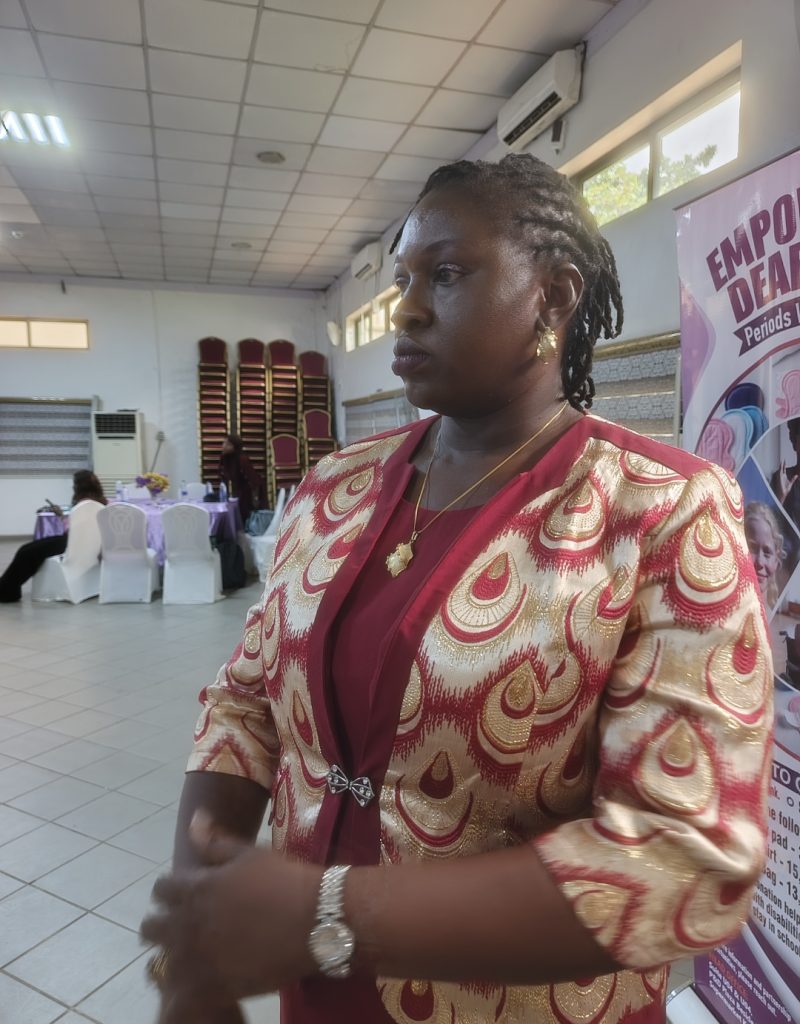
Delivering the opening remarks, the Executive Director of DWAI, Mrs. Hellen Beyioku-Alase set the tone for what many described as a “defining moment” for disability inclusion in the Federal Capital Territory (FCT). She emphasized that the gathering was not merely another policy discussion, but a strategic turning point in how public budgets can, and must reflect the needs of persons with disabilities.
“Budgets are where values become reality,” she declared, underscoring the urgent need to embed disability inclusion into the financial frameworks of governance.
The Invisible 15 Percent
Citing global data, she noted that persons with disabilities make up approximately 15 percent of every population, a statistic that translates into thousands of residents across the six Area Councils of the FCT. Yet, despite their significant numbers, they remain largely invisible in budget allocations, particularly within the health sector.
According to findings shared at the meeting, most Area Council budgets lack dedicated provisions for disability inclusion. There are no allocations for sign language interpreters in Primary Health Centres, no structured training for healthcare workers on disability inclusion, and little to no investment in accessible infrastructure or health information formats.
The consequences are far-reaching. Deaf women struggle to communicate with doctors. Wheelchair users are unable to access clinic facilities. Blind individuals are excluded from critical health information. In essence, the right to health—guaranteed under international and national law—remains out of reach for many.
Beyond Goodwill: The Limits of Charity
While acknowledging efforts by some public officials to support persons with disabilities through donations and appointments, the DWAI Executive Director made a clear distinction between goodwill and governance.
“These are kind gestures,” she said, “but they are charity, not rights.”
She explained that charity is inherently unstable—dependent on individual goodwill, unstructured, and often unsustainable. In contrast, rights-based approaches, anchored in formal budget lines, offer permanence, accountability, and scalability.
“When disability inclusion is embedded in a budget, it becomes a system, not a favor. It can be tracked, audited, and enforced,” she added.
Power at the Local Level
A central theme of the meeting was the untapped potential of Area Councils to drive inclusion. With access to monthly federal allocations and autonomy over spending decisions, council authorities already possess the tools needed to implement disability-inclusive budgeting.
“You do not need to wait for the Federal Government or the FCT Administration,” participants were told. “You have the money, the mandate, and the responsibility.”
This decentralization of power presents a unique opportunity for the FCT to lead by example. As highlighted during the session, no local government in Nigeria has yet systematically mainstreamed disability into its budget. The six Area Councils of Abuja could become national pacesetters.
Data, Dialogue, and Commitments
The meeting was structured to move beyond rhetoric to actionable outcomes. Key highlights included the presentation of baseline survey findings across the six Area Councils, offering a data-driven snapshot of current gaps.
Experts from BudgIT, Nigeria’s leading budget transparency organization, provided insights into how public budgets function and where disability considerations can be integrated effectively.
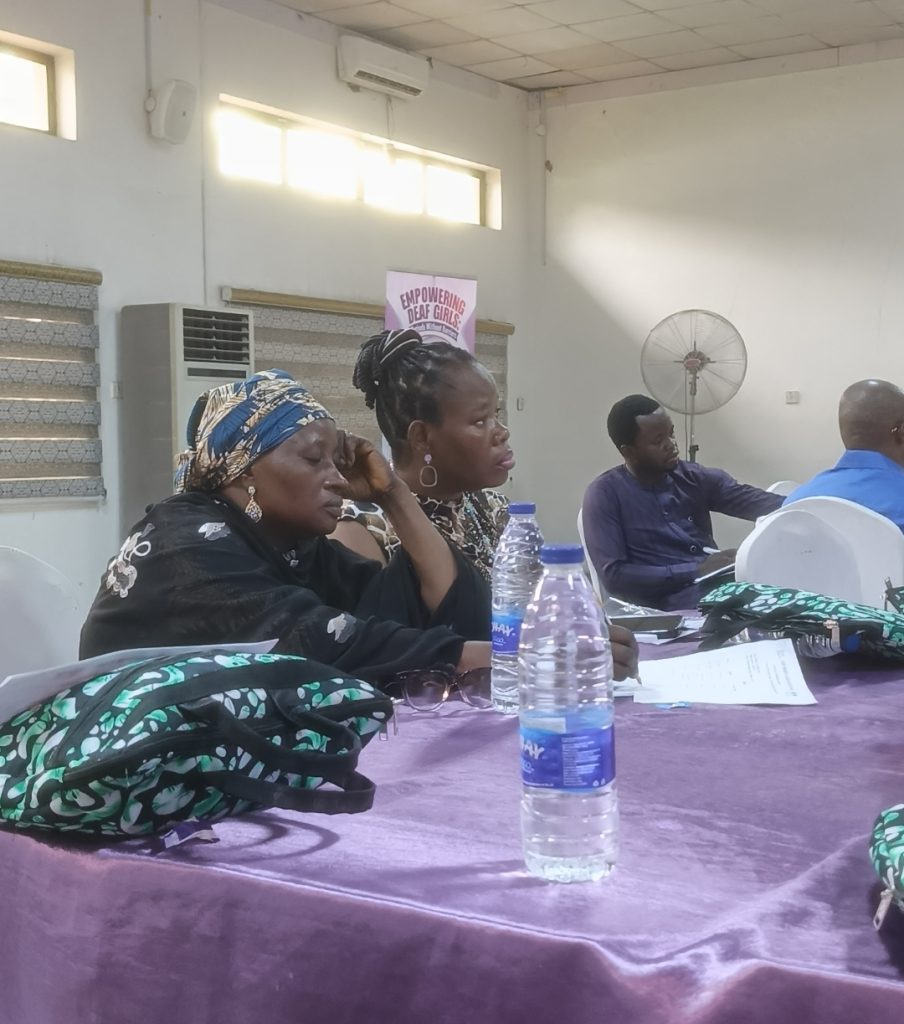
Equally compelling were the testimonies from persons with disabilities, whose lived experiences brought urgency and human context to the discussions. Their stories served as a stark reminder that behind every budget line or lack thereof, are real lives impacted daily.
Backing from Development Partners
The initiative received strong support from the Disability Rights Fund, whose funding made both the project and the stakeholder meeting possible. Organizers expressed deep appreciation for the partnership, noting its critical role in advancing advocacy efforts.
A Legal and Moral Imperative
Participants were reminded that disability inclusion is not merely a policy option but a legal obligation. Under Article 25 of the Convention on the Rights of Persons with Disabilities (CRPD), ratified by Nigeria, all persons are entitled to the highest attainable standard of health without discrimination.
“The law is clear. The data is clear. The gap is unacceptable,” the DWAI Executive Director stated emphatically.
The Way Forward
As the meeting drew to a close, the message was unmistakable: the era of symbolic gestures must give way to structured, rights-based action. Stakeholders were urged to move from dialogue to implementation by creating specific budget lines that address the needs of persons with disabilities.
“Budget lines, not handouts. Rights, not charity. Sustainability, not one-off gestures,” she concluded.
With growing momentum and cross-sector collaboration, the FCT now stands at the threshold of transformative change, one that could redefine governance, inclusion, and social justice for millions of Nigerians with disabilities.
Click the link below to join our WhatsApp channel


