

In a renewed demonstration of its commitment to inclusive education and equal access to opportunities, the Joint Admissions and Matriculation Board (JAMB) has once again reaffirmed that application documents for its examinations remain free for all categories of candidates with disabilities.
The Board explained that the gesture is part of deliberate efforts to remove financial and structural barriers that often limit Persons Living With Disabilities (PLWDs) from pursuing higher education in Nigeria. By doing so, JAMB aims to ensure that disability does not become a disadvantage for qualified candidates with academic aspirations.
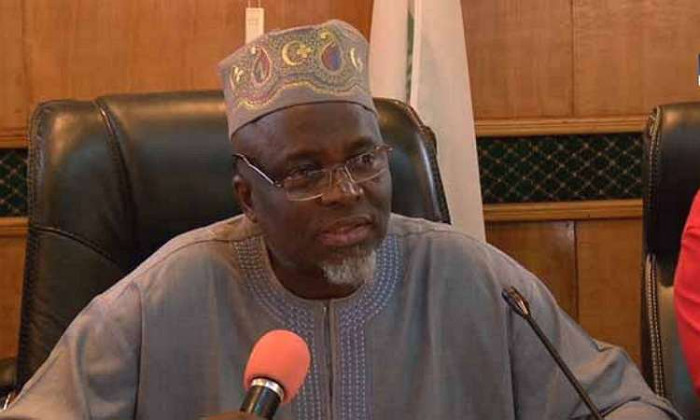
The Registrar of JAMB, Prof. Ishaq Oloyede, made this disclosure on Monday during a stakeholders’ meeting held at the Board’s National Headquarters in Abuja. According to him, JAMB’s inclusive policies are firmly rooted in the principle of equity, not sympathy, stressing that candidates with disabilities deserve the same opportunities as every other Nigerian student.
Prof. Oloyede noted that access to education remains one of the strongest tools for empowerment and social inclusion, adding that JAMB will continue to take proactive steps to support candidates with special needs throughout the examination process.
To streamline the process, the Board clarified that the free application documents will be processed through the JAMB Equal Opportunity Group (JEOG)—a specialized unit set up by JAMB to cater for candidates with disabilities. JEOG is responsible not only for registration but also for ensuring appropriate examination accommodations such as assistive technologies, accessible centres, and human support where necessary.
The initiative applies to candidates with disabilities who intend to sit for the 2026/2027 Unified Tertiary Matriculation Examination (UTME).
Education stakeholders and disability rights advocates have consistently commended JAMB’s JEOG initiative, describing it as one of the most structured and inclusive examination frameworks in the country. Many have however urged sustained awareness, transparency, and collaboration with Disabled People’s Organizations (DPOs) to ensure that all eligible candidates are adequately informed and supported.
As Nigeria continues to push for inclusive development in line with national and international disability rights frameworks, JAMB’s reaffirmation sends a strong signal that access to education must be inclusive, intentional, and equitable—leaving no one behind.
Click the link below to join our WhatsApp channel


