

The Leprosy & Tuberculosis Relief Initiative (LTRI) has laid out a bold and forward-looking strategic agenda for 2026 following a successful Fourth Quarter Board and Executive Management Meeting, reinforcing its role as a key partner in Nigeria’s fight against tuberculosis (TB) and leprosy.
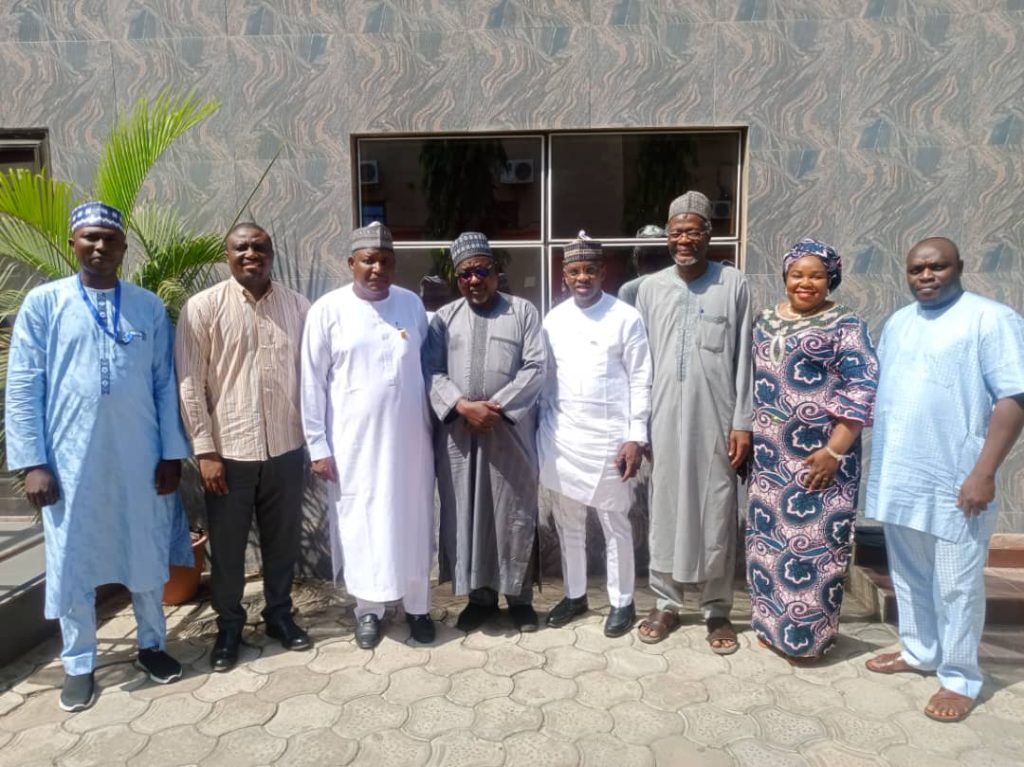
Held with the participation of Board members and senior management, the high-level meeting provided an opportunity to review LTRI’s 2025 performance, assess emerging public health realities, and align priorities for the year ahead. The tone of the meeting was one of confidence, renewal, and resolve, as the organisation recommitted itself to innovation, collaboration, and evidence-based programming in support of national disease control efforts.
Board members commended the Executive Management for what they described as a strong and impactful year, citing notable improvements in programme delivery, accountability, and strict adherence to ethical standards in the management of donor-funded interventions. LTRI’s close working relationship with the Government of Nigeria, particularly under the National Tuberculosis and Leprosy Control Programme (NTBLCP), was identified as a major institutional strength.
According to the Board, LTRI’s contributions to early TB case detection, prompt enrolment of patients into care, and sustained attention to leprosy—often referred to as a neglected disease—remain critical as Nigeria approaches the “last mile” of elimination.
A key highlight of the meeting was an in-depth discussion on emerging innovations supporting disease control, especially the use of technology to strengthen diagnosis. Of particular interest was an ongoing Neglected Tropical Diseases (NTD) imaging initiative leveraging artificial intelligence to improve diagnostic accuracy. Nigeria, through LTRI and national partners, is contributing to prospective image collection and validation alongside other African countries, building a high-quality repository of skin-related NTD images.
This initiative, being implemented in collaboration with academic partners in Europe and the United Kingdom, was described as a game-changer that could significantly enhance diagnostic capacity at community and facility levels. However, the Board emphasized that innovation must be anchored on strong data systems, quality assurance, and practical applicability to ensure real-world impact.
Beyond technical discussions, the meeting also underscored the power of communication. Board members stressed the need for clearer, more strategic public engagement to ensure that LTRI’s work resonates beyond technical circles. As a result, the organisation plans to strengthen its media visibility and storytelling, translating complex public health interventions into accessible narratives that communities, partners, and policymakers can easily understand.
Governance and institutional sustainability also featured prominently. The Board took note of upcoming governance milestones, including preparations for a smooth leadership transition in line with LTRI’s statutes. Members emphasized continuity, inclusiveness, and institutional memory as guiding principles, reaffirming their collective commitment to strong governance and accountability.
Placing its work within the broader national context, LTRI reflected on Nigeria’s TB and leprosy burden. Nigeria remains among the world’s high TB burden countries, recording hundreds of thousands of cases annually. However, recent progress has been encouraging. The World Health Organization has ranked Nigeria among better-performing countries in recent years, largely due to improvements in case detection and treatment enrolment.
TB diagnosis and treatment services are provided free of charge across the country, and LTRI reiterated calls for members of the public to seek screening, particularly for persistent coughs and related symptoms. For leprosy, while national surveillance systems are well established, cases remain concentrated in specific hotspots, highlighting the continued need for vigilance, quality data, and targeted interventions.
“Quality data remains the backbone of effective programming,” the organisation noted, adding that strengthening surveillance systems and improving facility-level records will remain central to smarter decision-making and improved health outcomes.
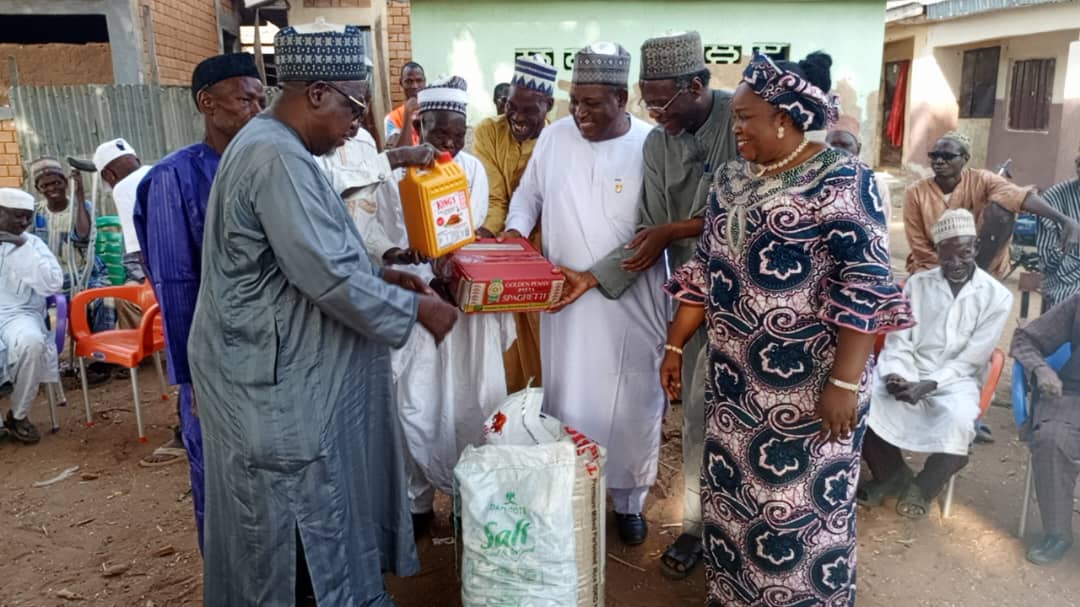
In a powerful demonstration of its people-centred and community-focused philosophy, LTRI went beyond boardroom deliberations to the field. Led by its Executive Director, Dr. Tahir Dahiru, alongside Dr. Nasir Sani Gwarzo, mni, npom, and other members of the Board and Executive Management, the organisation undertook a humanitarian visit to the Yangoji Leprosy Colony in Kwali Area Council, Abuja.
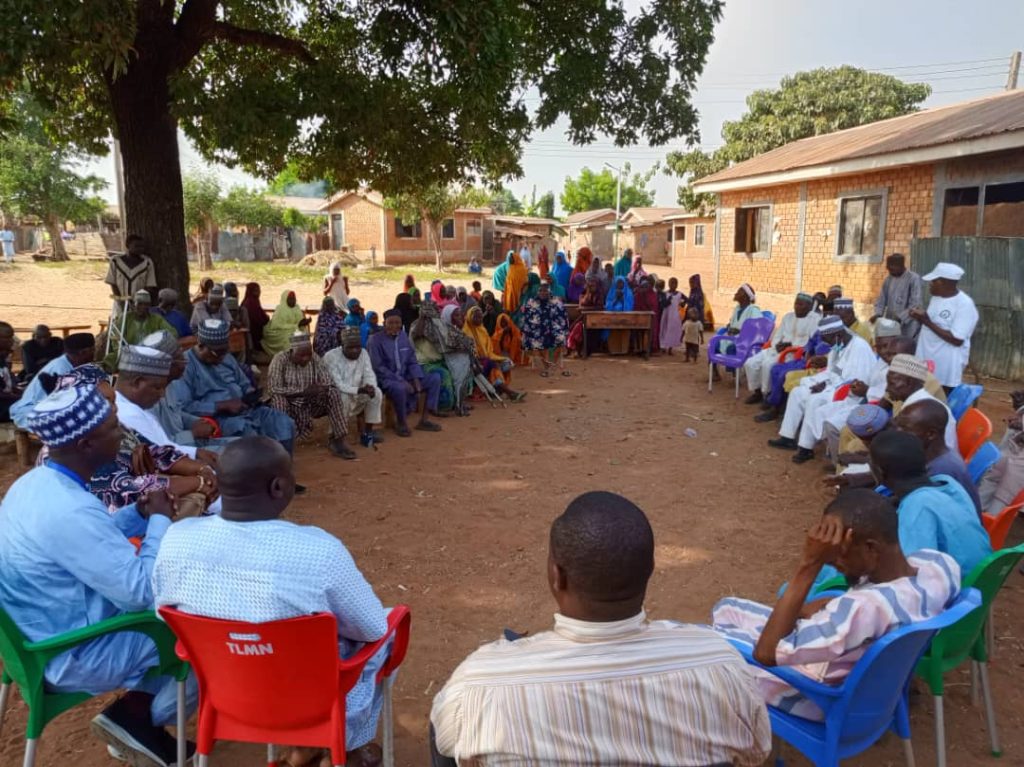
The visit provided a platform for direct engagement with residents through listening sessions aimed at understanding their lived realities. Community members spoke candidly about persistent challenges, including prolonged power outages, inadequate water supply, a dilapidated school structure, and barriers affecting adolescent girls’ access to education.
In response, LTRI assured the community of its commitment to engage relevant partners and stakeholders to explore practical and sustainable solutions within its mandate. As an immediate gesture of support, food items were donated to residents to help address pressing welfare needs.
The visit, according to LTRI officials, reinforced a core conviction: that the final push toward leprosy elimination must be rooted not only in clinical success, but also in dignity, inclusion, and tangible improvements in the lives of affected communities.
As the organisation looks toward 2026, LTRI says it remains firmly focused on strengthening partnerships, improving operational efficiency, and sustaining innovations that accelerate progress toward ending TB and achieving the final mile of leprosy elimination in Nigeria.
For LTRI, the message is clear—science, compassion, and community must move forward together.
Click the link below to join our WhatsApp channel


