

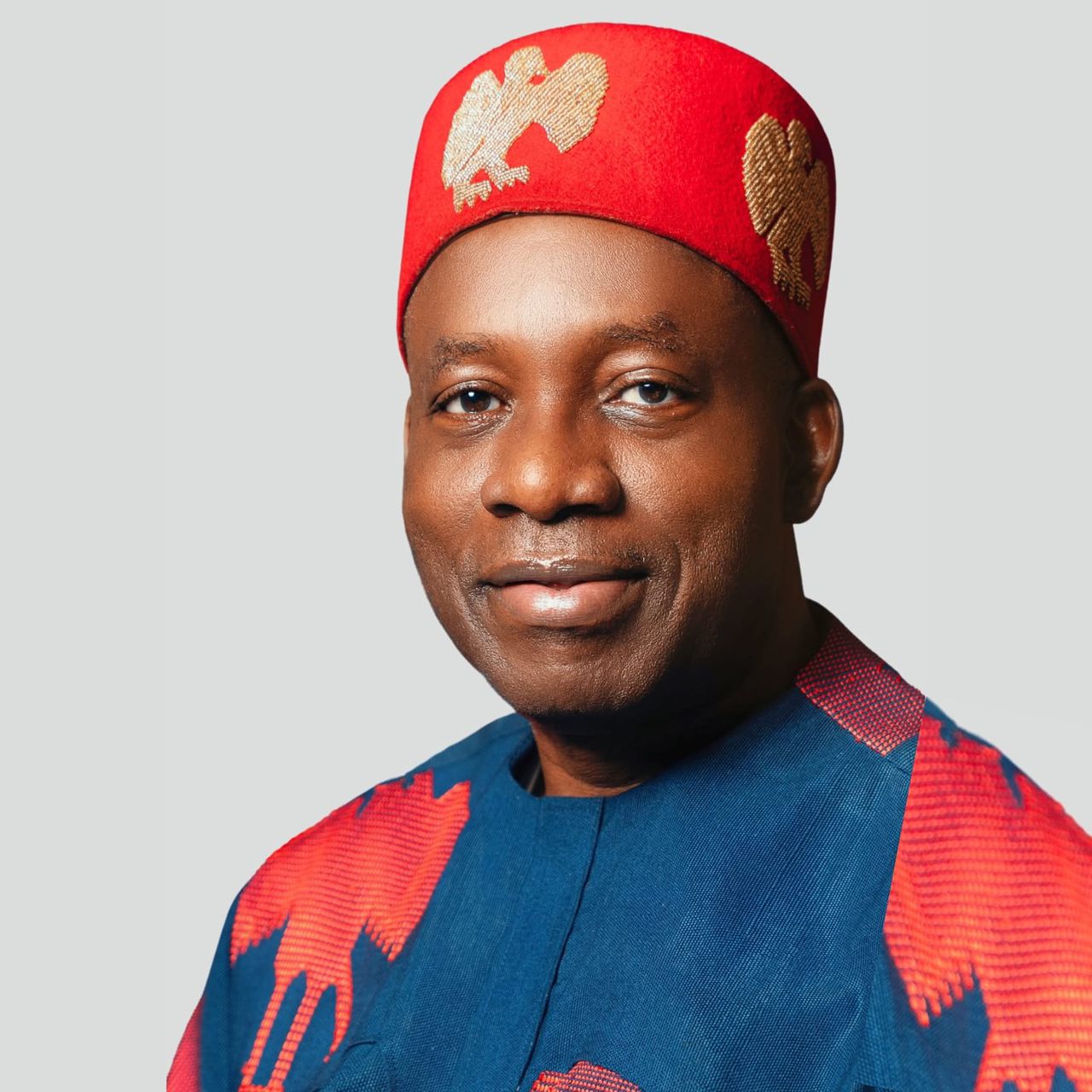
As Charles Chukwuma Soludo begins his second term as Governor of Anambra State, a renewed wave of optimism is sweeping across the state. Citizens, stakeholders, and policy observers are closely watching the unfolding of what many believe could be a defining phase in Anambra’s governance journey—one that holds the promise of deeper reforms, broader participation, and inclusive development.
From the onset, the administration has sent strong signals of progressive leadership. The announcement of key appointments has not only stirred public interest but has also drawn commendation from various quarters, particularly for its deliberate inclusion of women—especially young, dynamic professionals—in positions of influence.
Breaking Barriers: Women Take the Lead
One of the standout moments of the early days of the new administration is the historic appointment of Chiamaka Nnake as Secretary to the State Government. Her emergence marks a significant milestone, making her the first woman to occupy the role in the state’s history—a development widely celebrated as a bold step toward gender equity.
Equally noteworthy is the appointment of Chinwe Okoli as Special Adviser on Innovation and Business Incubation, alongside her role as Chief Executive Officer of the Solution Innovation District. Her appointment signals a forward-thinking approach to governance—one that recognizes the critical role of innovation, technology, and youth-driven enterprise in shaping the future.
Together, these appointments underscore a growing shift in Anambra’s leadership culture—one that embraces merit, youth participation, and gender inclusion as pillars of sustainable development.
The Missing Piece: Disability Inclusion
However, amid the applause and growing excitement, a critical conversation is gaining traction—one that centers on the inclusion of persons with disabilities in governance.
While the first term of Governor Soludo saw limited appointments of persons with disabilities, many observers argue that their presence was not sufficiently visible within the broader governance framework. This, they note, falls short of the vision outlined in the Anambra State Disability Rights Law 2018, which was enacted to promote equality, safeguard rights, and ensure full participation of persons with disabilities in public life.
For advocates, the issue is not just about numbers—it is about meaningful representation.
Institutional Gaps Raise Concerns
Attention has also turned to the status of the Anambra State Disability Rights Commission, an institution established to champion the rights and welfare of persons with disabilities in the state.
Although its creation was widely hailed as a progressive move, concerns persist regarding its functionality. Reports indicate that the tenure of its members expired last year, with no official reconstitution announced to date. Additionally, questions have been raised about inadequate funding and the non-payment of essential allowances required for the commission’s effective operation.
Stakeholders warn that without proper administrative support and financial backing, institutions designed to protect vulnerable populations risk becoming symbolic rather than impactful.
Why Representation Matters
Experts emphasize that inclusive governance goes beyond institutional frameworks—it requires active participation of persons with disabilities at decision-making levels.
When individuals with lived experiences of disability are part of governance, they bring invaluable insights that can shape policies across sectors such as healthcare, transportation, education, and infrastructure. Their inclusion helps ensure that development initiatives are not only well-intentioned but also accessible and equitable.
In many cases, the exclusion of accessibility considerations in public projects is not deliberate but stems from the absence of diverse voices during the planning process. Bridging this gap, advocates say, begins with representation.
A Defining Opportunity for Soludo’s Second Term
As the administration settles into its new mandate, there is growing consensus that this moment presents a unique opportunity to deepen inclusion in governance.
Calls are mounting for the government to identify and appoint qualified persons with disabilities into executive, advisory, and strategic roles. Advocates also urge the administration to look beyond disability-specific institutions and integrate persons with disabilities across various ministries and sectors.
Such moves, they argue, would not only align with existing legal frameworks but also position Anambra as a national leader in inclusive governance.
An Engaged and Expectant Community
Persons with disabilities in Anambra are not passive observers. Many actively participated in the electoral process, contributing to the democratic mandate that ushered in the current administration. Their expectations, however, go beyond symbolic gestures.
They seek equal opportunities, independence, and a genuine seat at the table where decisions are made.
Building on Existing Foundations
Encouragingly, the humanitarian efforts of Nonye Soludo have provided a strong foundation for inclusive engagement. Through advocacy and outreach initiatives over the past four years, she has demonstrated empathy and commitment to improving the lives of persons with disabilities across the state.
Observers believe that these efforts can serve as a springboard for broader, institutionalized inclusion under the governor’s leadership.
The Road Ahead
As Ndi Anambra look ahead with anticipation, the expectations are clear: a government that not only champions gender inclusion but also fully embraces disability inclusion as a core component of its development agenda.
Governor Soludo’s second term is already off to a promising start. Yet, the true measure of its legacy may well lie in its ability to ensure that no segment of society is left behind.
In the end, inclusive governance is more than a policy goal—it is a commitment to harnessing the talents, perspectives, and potential of all citizens in building a more just, equitable, and prosperous Anambra.
For many, the message is simple: the journey has begun, but the work of inclusion must go further.
Chidimma Ajemba
Disability Rights Advocate And Public Affairs Writer
Click the link below to join our WhatsApp channel


