

Stakeholders urged to translate inclusive education policies into practical classroom solutions as partners validate baseline assessment findings.
SafeHost International Initiative, in partnership with the Women and Girls with Albinism Network (WGWAN), has reaffirmed its commitment to advancing inclusive education for neurodivergent children and children with albinism, calling for urgent action to address barriers preventing them from accessing quality education.
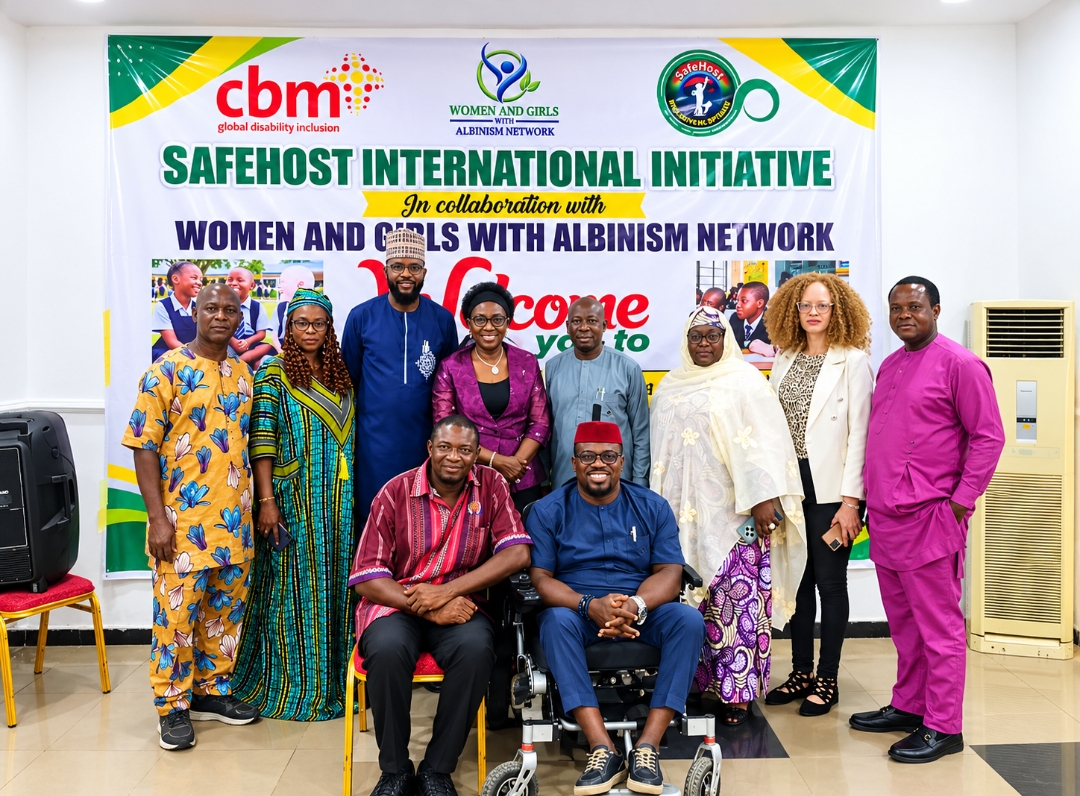
The call was made by the Executive Director of SafeHost International Initiative, Mrs. Ngozi Joy Belolisa, during the validation meeting on the baseline assessment and inclusive education review organised by the two organisations, with funding support from CBM Global Disability Inclusion through the LEAP Fund.
The meeting brought together representatives of government ministries and agencies, education stakeholders, teachers, school administrators, organisations of persons with disabilities, and development partners to review baseline findings, identify gaps, and develop practical recommendations for strengthening inclusive education.
Bridging the Gap Between Policy and Practice
In her welcome address, Belolisa highlighted the persistent challenges confronting children with disabilities in Nigeria’s education system, despite existing national laws, policies, and international commitments promoting their rights to education and inclusion.
She noted that stigma, discrimination, inadequate teacher preparation, limited learning resources, and insufficient support services continue to prevent many children with disabilities from participating meaningfully in mainstream schools.
According to her, neurodivergent children and children with albinism may face additional and intersecting barriers that require targeted interventions and responsive educational practices.
She further observed that limited locally generated evidence and a shortage of practical demonstration models have made it difficult for teachers and school administrators to translate inclusive education policies into effective classroom practices.
“This is why today’s validation meeting is so important. It provides an opportunity to review and validate the baseline findings, share experiences, identify gaps, and develop practical recommendations that will help schools create more inclusive and supportive learning environments,” she stated.
Strengthening Nigeria’s Inclusive Education Framework
The SafeHost International Initiative executive director emphasised the need to strengthen the implementation of existing legal and policy frameworks, including the Discrimination Against Persons with Disabilities (Prohibition) Act, 2018, the National Policy on Inclusive Education, and the National Policy on Albinism in Nigeria, 2019.
She also highlighted Nigeria’s commitments under the United Nations Convention on the Rights of Persons with Disabilities (CRPD) and the Convention on the Rights of the Child (CRC), which recognise the rights of children to education, participation, protection, and equal opportunities.
Belolisa explained that the project aligns with Articles 7, 8, 9, and 24 of the CRPD, addressing the rights of children with disabilities, awareness-raising, accessibility, and inclusive education.
She added that the initiative contributes to the achievement of Sustainable Development Goals 4, 5, 10, and 16, which promote quality education, gender equality, reduced inequalities, and inclusive institutions.
Stakeholders Tasked with Delivering Practical Solutions
As part of the validation process, participants were encouraged to contribute actively to discussions and ensure that recommendations emerging from the meeting are evidence-based, practical, and responsive to the realities of Nigerian schools.
The meeting is expected to provide an opportunity for stakeholders to examine existing gaps and identify measures that can improve teaching practices, strengthen support systems, and create safer and more inclusive learning environments for children with diverse learning needs.
The emphasis on neurodivergent children and children with albinism also underscores the importance of recognising that learners have different needs and may require tailored educational approaches, accessible resources, appropriate classroom adjustments, and better-prepared teachers.
Partnership for Lasting Change
Belolisa expressed appreciation to WGWAN for its partnership, CBM Global Disability Inclusion for its funding support through the LEAP Fund, and all participating stakeholders for their commitment to advancing inclusive education.
She stressed that achieving meaningful inclusion requires collective responsibility and sustained collaboration among government institutions, civil society organisations, schools, development partners, families, and communities.
“Inclusive education is not charity; it is a right and a shared responsibility. Every child deserves the opportunity to learn, participate, and reach their full potential, regardless of disability or individual differences,” she emphasised.
The validation meeting represents an important step towards ensuring that evidence informs action and that inclusive education policies translate into tangible improvements in the experiences of children in schools.
For children who continue to encounter barriers to learning and participation, the ultimate measure of success will be whether the findings and recommendations lead to classrooms where every learner is welcomed, supported, and given a fair opportunity to succeed.


