

Police, FRSC, NSCDC, transport unions and FCT authorities pledge stronger action to make Abuja mobility safer and accessible for every commuter
Critical stakeholders in the transport and security sectors have pledged renewed commitment to building a safer, more accessible and inclusive transportation system for residents of the Federal Capital Territory (FCT), particularly persons with disabilities.
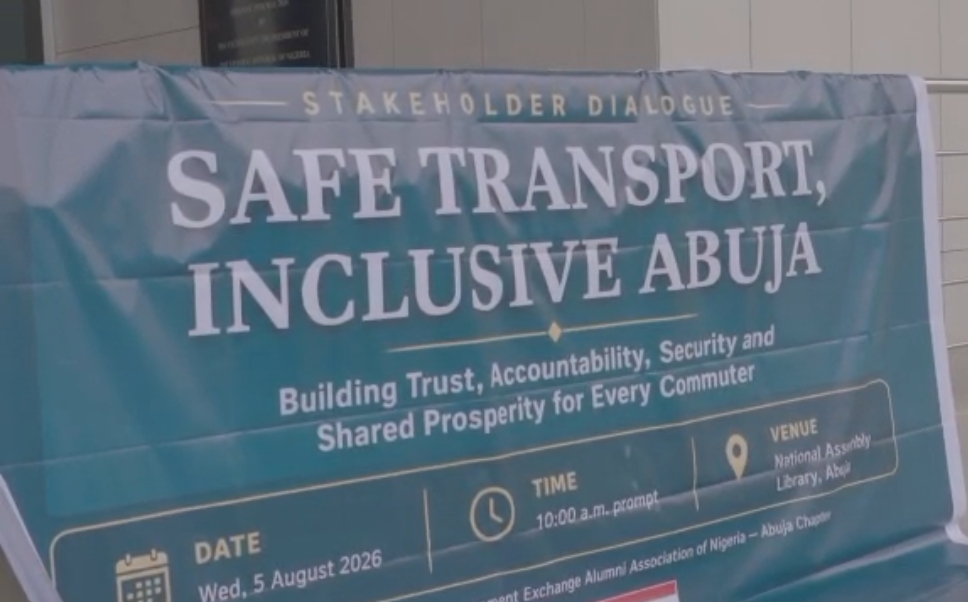
The commitment was made on Wednesday at the “Safe Transport, Inclusive Abuja” Stakeholders Dialogue, organised by the Abuja Chapter of the United States Government Exchange Alumni Association of Nigeria (USGEAAN).
The dialogue brought together key actors in transportation, security, disability inclusion and public administration to examine the challenges confronting commuters and explore practical solutions for making movement within Abuja safer and more accessible.
One of the coordinators of the initiative and spokesman of the House of Representatives, Hon. Akin Rotimi, said the programme was designed to transform the knowledge and experiences acquired by members of USGEAAN through United States Government-sponsored exchange programmes into practical interventions that would benefit society.
Rotimi said the dialogue was particularly aimed at creating a platform where stakeholders could openly discuss the safety and accessibility challenges confronting commuters across the FCT.
«“This programme today is a safe and inclusive initiative which is geared towards bringing stakeholders together to have this conversation to improve safety and inclusion,” he said.»
He added that the dialogue provided an important opportunity for persons with disabilities and other commuters to share their lived experiences and highlight the barriers they encounter while navigating Abuja’s transportation system.
The event attracted representatives of the Nigeria Police Force, Nigeria Security and Civil Defence Corps (NSCDC), Federal Road Safety Corps (FRSC), National Union of Road Transport Workers (NURTW), Nigerian Association of Road Transport Owners (NARTO), FCT Transportation Secretariat, National Commission for Persons with Disabilities (NCPWD), National Orientation Agency (NOA) and other relevant stakeholders.
FCT Transportation Secretariat Welcomes Initiative
Representing the FCT Transportation Secretariat, Dr. Nanriet Emeje commended USGEAAN Abuja for converting the international exposure gained by its members into practical civic engagement.
She described safe and inclusive mobility as central to the daily lives of residents of the nation’s capital, noting that the theme of the dialogue — “Safe Transport, Inclusive Abuja: Building Trust, Accountability, Security and Shared Prosperity for Every Commuter” — closely aligned with the mandate of the FCT Transportation Secretariat.
Emeje said initiatives that bring government agencies, security institutions, transport operators and citizens to the same table were essential for developing solutions that respond to the realities of commuters.
Police Promise Greater Attention to Persons With Disabilities
The Nigeria Police Force also pledged to pay greater attention to the transportation and mobility challenges faced by persons with disabilities.
Speaking on behalf of the FCT Commissioner of Police, Assistant Commissioner of Police Akaniyene Edward assured participants that some of the concerns raised at the dialogue would receive the attention of the Command.
He said appropriate signals would be sent to police divisions across the FCT, directing traffic wardens to give particular attention to persons with disabilities and assist them whenever they encounter difficulties while using roads and public transportation facilities.
The assurance was seen as a significant step towards improving the everyday mobility experience of persons with disabilities, many of whom continue to face physical, attitudinal and safety barriers while commuting.
NSCDC: No Transport System Can Be Effective While People Are Excluded
Also speaking, Mr. Sunday Adams Peter of the NSCDC stressed that an effective transportation system must respond to the needs of every category of commuter.
He argued that a transport system cannot truly be described as effective when some members of society are excluded or unable to access transportation services safely and conveniently.
Peter assured participants that the NSCDC would continue collaborating with security agencies, government institutions and other relevant stakeholders to strengthen the safety and security of commuters across the FCT.
FRSC Calls for Dedicated Transport Facilities for PWDs
The call for stronger inclusion was further reinforced by Blessing Okoro of the Federal Road Safety Corps (FRSC), who urged the FCT Administration to consider establishing specially designated and reserved motor parks and transportation facilities for persons with disabilities.
According to her, dedicated facilities would help streamline the movement of persons with disabilities, improve accessibility and reduce some of the difficulties they encounter while commuting around Abuja.

The proposal adds to growing calls for transportation infrastructure in the FCT to move beyond general accessibility promises and incorporate practical measures that respond to the specific needs of persons with disabilities.
A Call for Action, Not Just Conversation
The dialogue ultimately underscored the need for stronger collaboration among government institutions, security agencies, transport operators, disability organisations and commuters to address the barriers affecting safe and inclusive mobility in Abuja.
For persons with disabilities, the discussions went beyond transportation alone. They touched on dignity, independence, equal access and the right to move around the nation’s capital without unnecessary barriers.
With commitments from the police, NSCDC, FRSC and FCT transportation authorities, stakeholders now face the bigger task of translating the assurances made at the dialogue into concrete actions that commuters can see and experience on the streets of Abuja.
The message from the dialogue was clear: Abuja’s transport system cannot be truly safe, modern or prosperous if anyone is left behind.
Follow the The Qualitative Magazine channel on WhatsApp:


