

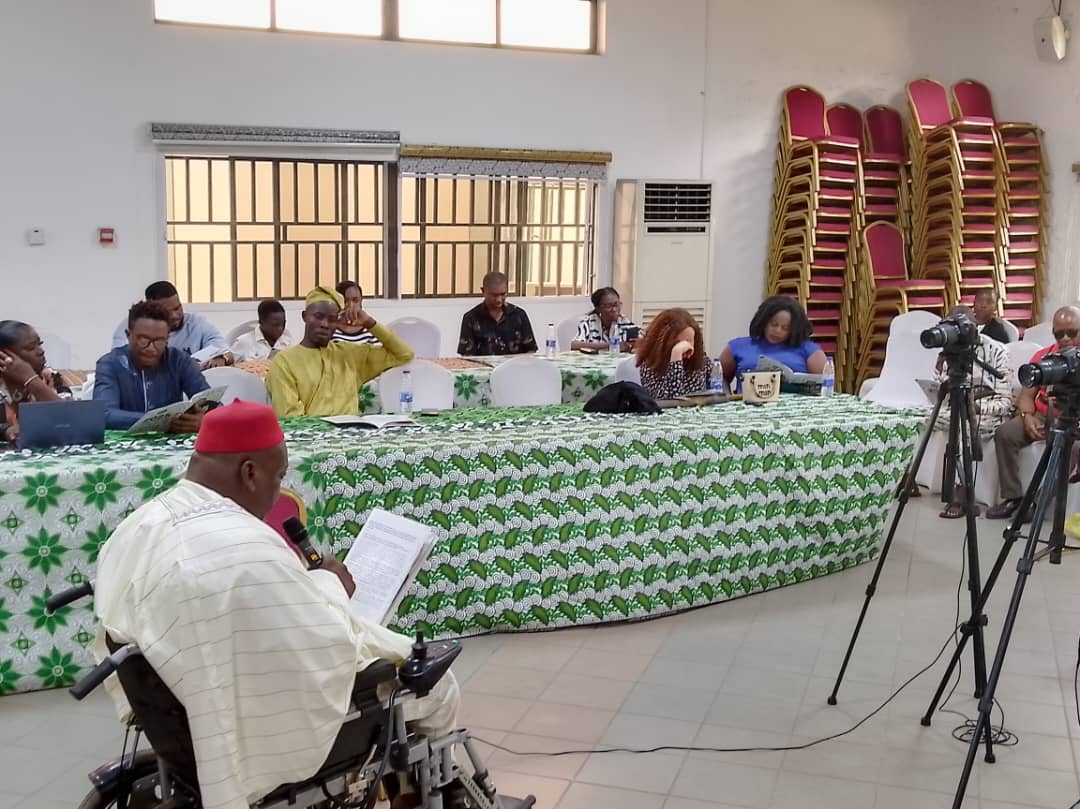
Abuja — Stakeholders in Nigeria’s disability ecosystem have renewed calls for the full implementation of disability laws and policies as a critical pathway to achieving inclusive and sustainable national development.
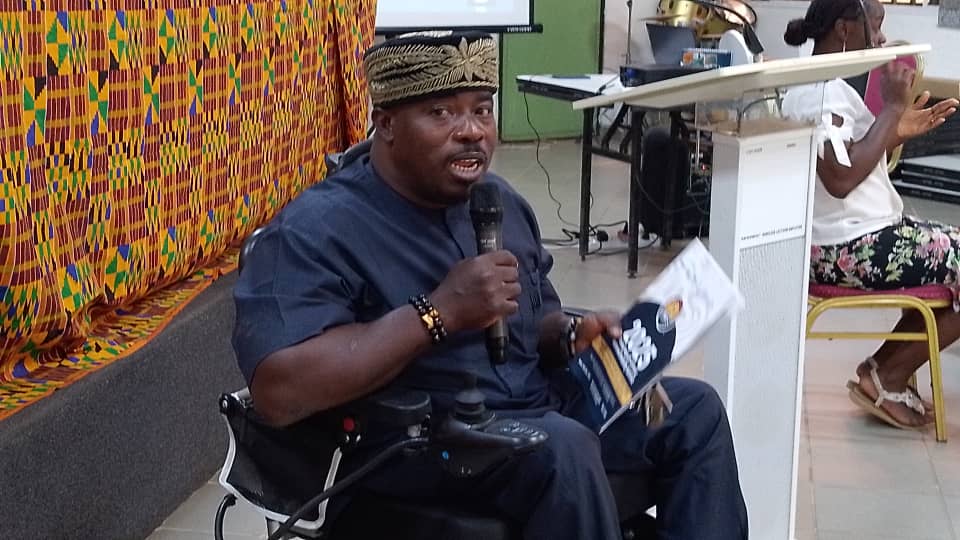
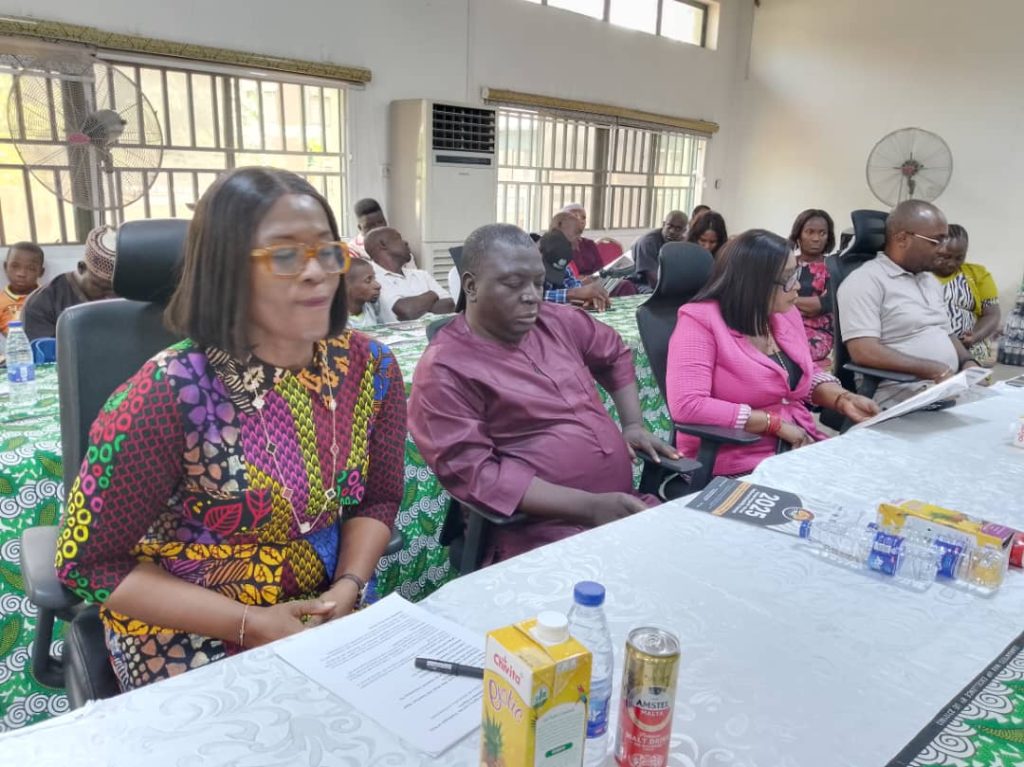
This call was made by Global Hope and Justice Inc. at the Global Hope Bi-Annual National Disability Summit, held on Tuesday, December 16, 2025, at the National Human Rights Commission (NHRC) Auditorium, Maitama, Abuja.
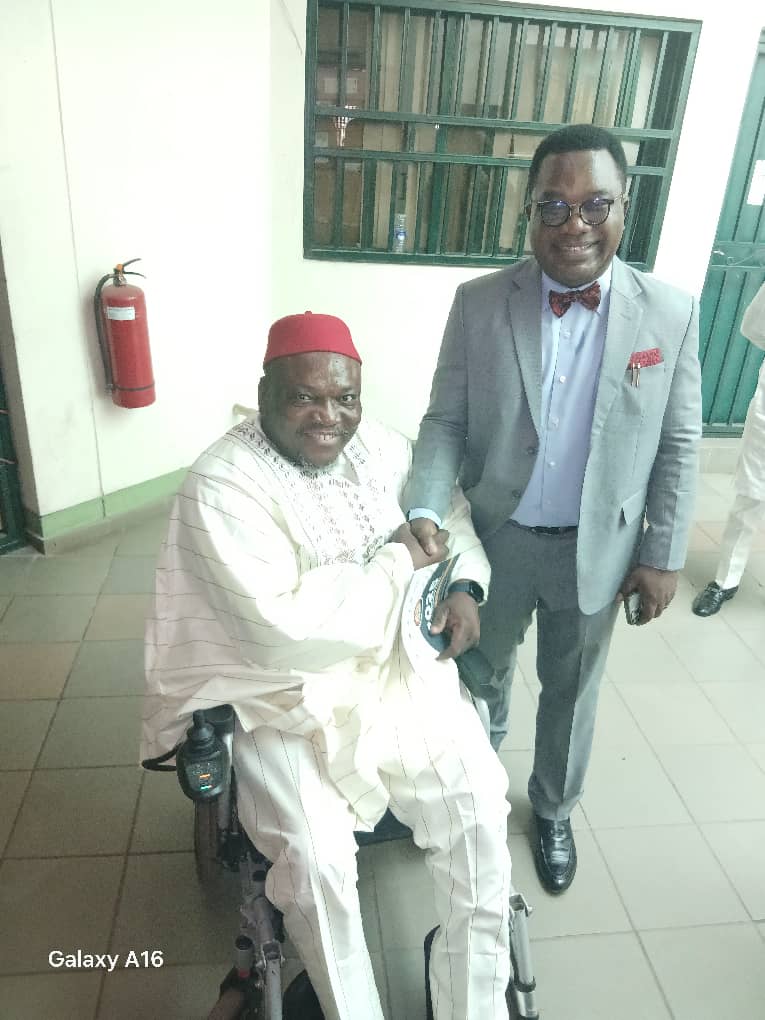
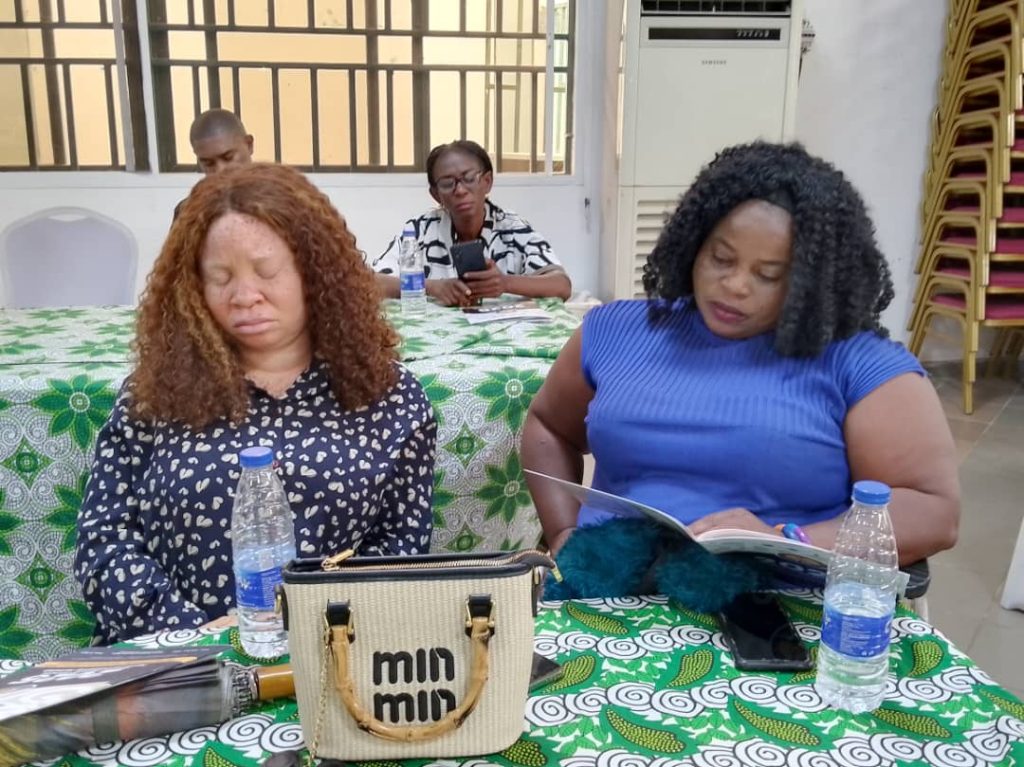
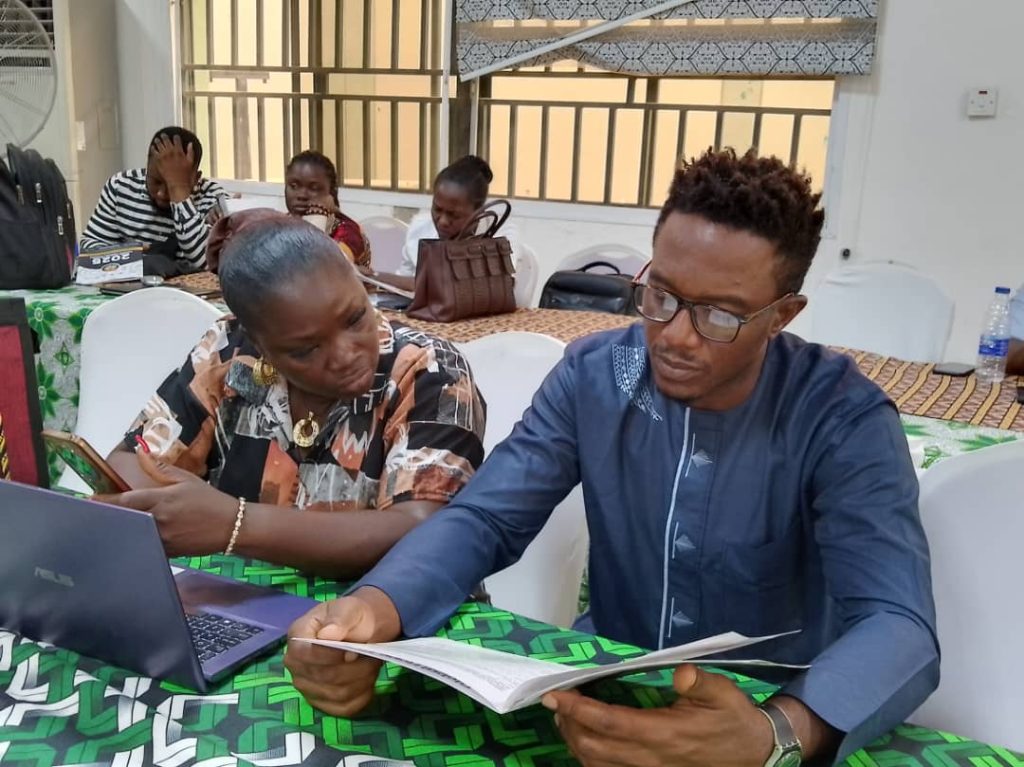
The summit, themed “Attaining Greatness as a Nation-State Through Inclusive National Development,” brought together disability rights advocates, government institutions, development partners, academia, and civil society organisations to examine Nigeria’s progress and persistent gaps in disability inclusion.
Delivering the opening address, the Executive Director of Global Hope and Justice Inc., Ihekwoaba Paul E. Esq., stressed that Nigeria’s aspiration for national greatness cannot be realised without deliberate inclusion of persons with disabilities in national development planning.
Drawing from the Social Model of Disability, Ihekwoaba referenced the renowned disability scholar Mike Oliver, who argued that disability is not inherent in individuals but arises from society’s failure to accommodate diversity. He further cited the World Health Organization’s position that disability resides in society, as well as the words of global disability rights advocate Judith Heumann, who maintained that disability only becomes tragic when society withholds the tools required for daily living.
According to him, these perspectives align with the global push for disability-inclusive development and underscore the urgency of moving Nigeria away from charity-based approaches toward rights-based inclusion.
For decades, Nigeria operated largely within the outdated medical model of disability, which reduced persons with disabilities to objects of pity and welfare dependency. However, the narrative began to shift with policy and legal reforms, including the Nigerians with Disability Decree of 1993, Nigeria’s ratification of the UN Convention on the Rights of Persons with Disabilities (CRPD) in 2007, and the domestication of the Convention through the Discrimination Against Persons with Disabilities (Prohibition) Act of 2019.
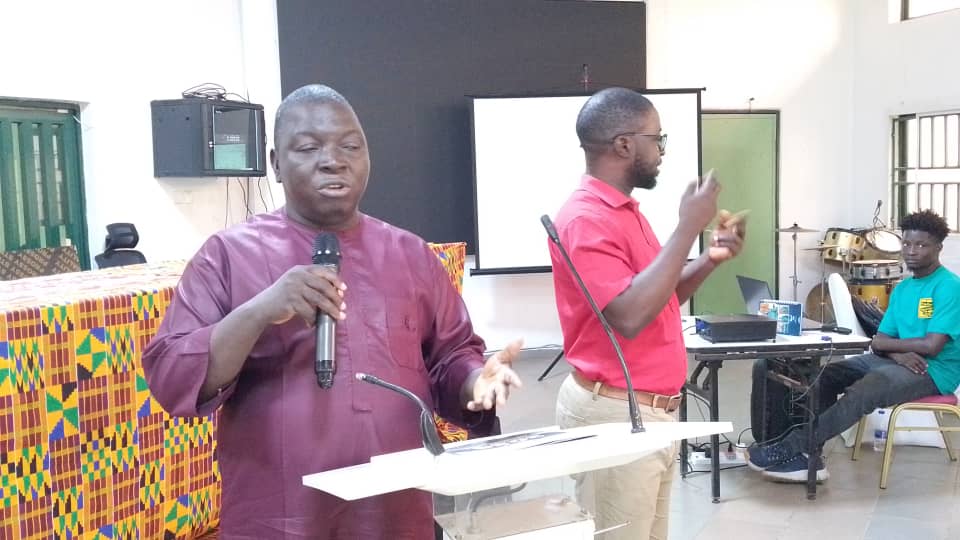
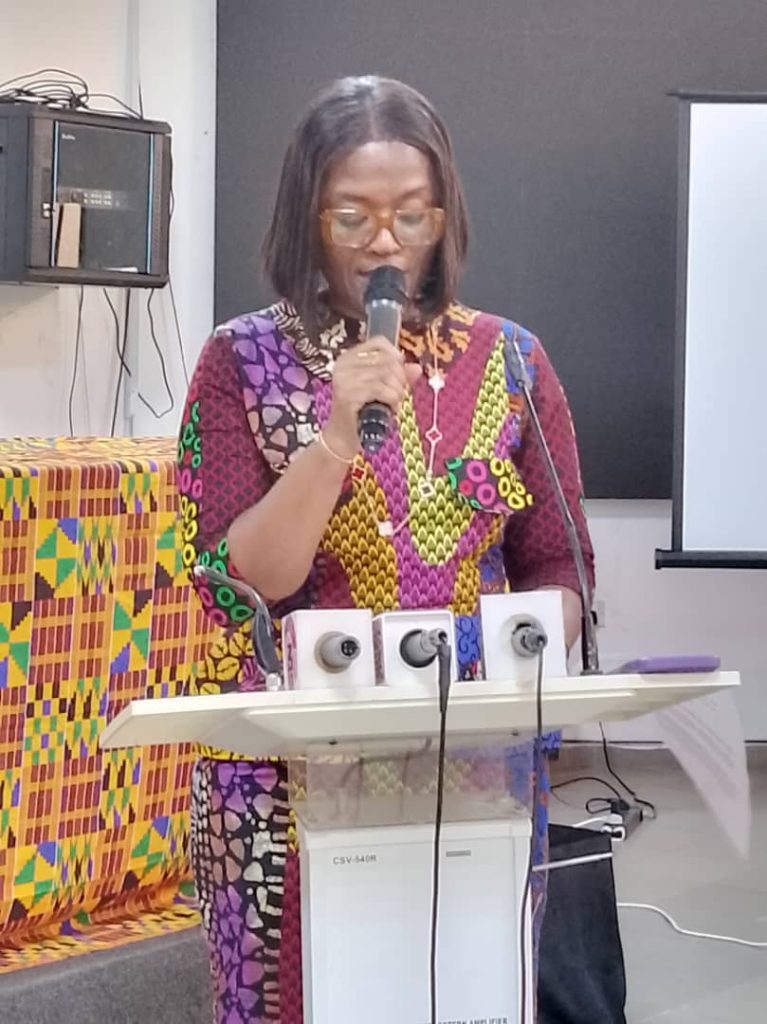

Ihekwoaba described the enactment of the Disability Act as a landmark achievement, noting that it established a comprehensive legal framework for accessibility, non-discrimination, equality, and inclusion in public services. He added that the disability community—estimated at over 37 million Nigerians—remains grateful for the milestone.
Progress, he noted, has also been recorded at the subnational level, with 23 states enacting their own disability laws. In addition, disability inclusion is gradually being reflected in national development strategies and donor-supported frameworks.
However, despite these gains, implementation remains Nigeria’s weakest link.
“Laws without enforcement only deepen exclusion. The effectiveness of any policy lies in its implementation,” Ihekwoaba said, calling for stronger coordination, improved funding, sustained public awareness, and the meaningful participation of persons with disabilities in decision-making.
He explained that the summit was convened to stimulate a national, citizen-oriented conversation on disability inclusion—one that is holistic, measurable, and time-bound. As part of this effort, the summit featured accomplished scholars, technocrats, development practitioners, and disability advocates as speakers, alongside the recognition of individuals championing disability inclusion.
The summit’s keynote address was delivered by Prof. Shehu Abdul Rahman, Vice-Chancellor of the Federal University, Lafia, ably represented by Prof. Adaka of the university’s Disability Centre. Goodwill messages were received from notable individuals and organisations, including Theophilus Odaudu of Disability Rights Fund, Comrade Chris Agbo of The Qualitative Magazine and JOMIDA Foundation for Persons with Disabilities, as well as representatives of NHRC, NDLEA, CBM, NDIC, NCAA, and the National Commission for Persons with Disabilities (NCPWD).
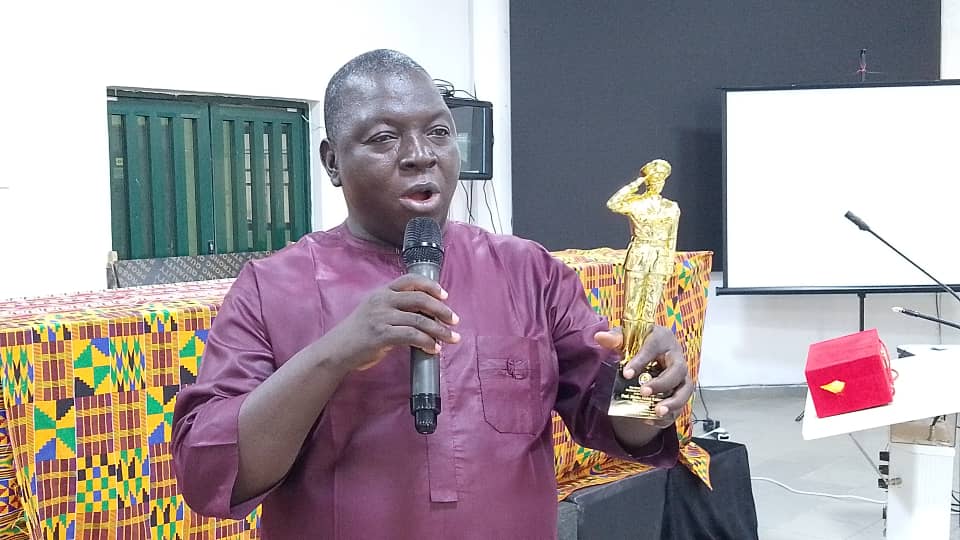
The high point of the summit was the presentation of awards to disability inclusion champions. Among the awardees was Prof. Shehu Abdul Rahman, honoured for his remarkable inclusion strategy at the Federal University, Lafia, particularly the 75 percent tuition fee waiver for students with disabilities, from undergraduate to postgraduate levels—an initiative widely hailed as a model for Nigeria’s tertiary education system.
In line with its humanitarian commitment, Global Hope and Justice Inc. also distributed Christmas support items to persons with disabilities present at the event.
As deliberations concluded, participants agreed that Nigeria stands at a defining moment where disability inclusion must move from compliance to impact. The message from the summit was clear: a truly great nation is one that leaves no one behind.
Click the link below to join our WhatsApp channel


