

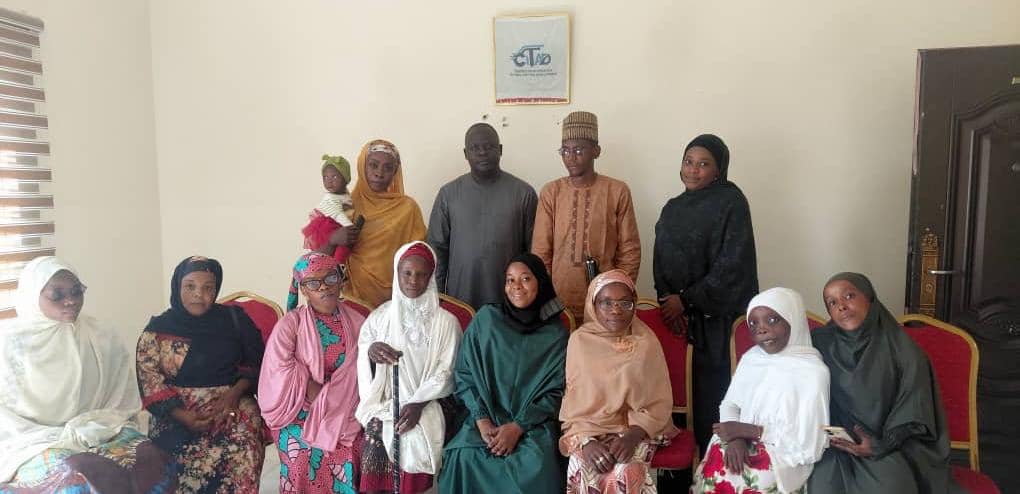
Kano, Nigeria – The Centre for Information Technology and Development (CITAD) has taken a bold step towards strengthening inclusion by engaging members of the community of persons with dwarfism in Kano, opening up conversations on the social, cultural, and economic barriers they face. The meeting forms part of CITAD’s ongoing efforts to promote civic participation, democratic inclusion, and equal opportunities for persons with disabilities (PWDs).
Speaking at the dialogue, CITAD’s Executive Director, Malam Y.Z. Ya’u, painted a vivid picture of the struggles experienced by people living with dwarfism in Nigeria. According to him, dwarfism goes far beyond physical appearance; it is compounded by entrenched social barriers that continue to marginalize those affected.
“Beyond their stature, people with dwarfism in Nigeria live with discrimination, lack of opportunities, and emotional insecurities,” Ya’u lamented. “Superstitions and misconceptions about dwarfism remain widespread, sometimes leading to dehumanization and outright stigmatization.”
Ya’u stressed that CITAD, a non-governmental organisation renowned for promoting good governance, accountability, and anti-corruption through ICT, is committed to dismantling harmful stereotypes. He reaffirmed the organisation’s resolve to create spaces of equal opportunity, where persons with dwarfism and other PWDs can thrive without prejudice.
Empowering Through Digital Skills
Expanding on CITAD’s practical steps, Hamza Aminu Fagge, the organisation’s Coordinator for Persons with Disabilities, explained that empowerment remains central to their vision. According to him, CITAD’s Digital Hubs—fully equipped ICT centers—are designed to provide PWDs with access to digital skills, ICT training, and social media marketing opportunities.
“Our hubs enable PWD communities to compete equally in the digital space and all spheres of life,” Hamza said. He further revealed that, to his knowledge, no standard umbrella organisation exists for people with dwarfism in Nigeria, a gap that makes their advocacy even more urgent.
The Human Face of Stigma
Adding a deeply personal perspective, Naja’atu Yusuf, a participant at the meeting, spoke movingly about the pain of living with stigma. For her, discrimination often begins at the very first interaction.
“From the moment some people meet us, negative thoughts enter their minds,” she recounted. “They stare, make rude jokes or comments, and sometimes outrightly discriminate against us.”
Naja’atu explained that myths and ignorance surrounding physical differences remain at the root of prejudice. She added that many dwarfs face steep barriers in accessing education, healthcare, and other essential services, particularly those from disadvantaged backgrounds.
Her voice carried both frustration and hope as she issued a heartfelt appeal to society:
“We are excluded in employment, in marriage, and in opportunities to contribute to society. All we ask is for Nigerians to stop this exclusion and embrace diversity. Inclusion is what gives every citizen a sense of belonging.”
A Call for Inclusive Nigeria
The meeting highlighted the urgent need for Nigerians to confront age-old misconceptions and rethink how society perceives physical differences. It also underscored the importance of platforms where minority disability groups, such as persons with dwarfism, can speak out against the injustices they face.
CITAD’s intervention reflects a growing recognition that democracy and good governance must be inclusive, leaving no community behind. By equipping dwarfs and other PWDs with ICT and digital opportunities, the organisation is not only tackling stigma but also laying the foundation for economic empowerment and civic participation.
The call now is for Nigerians—policy makers, employers, educators, and everyday citizens—to rise above prejudice and create a society that values difference as a strength rather than a weakness.
As Chief Ya’u noted, inclusion is not charity; it is justice. And for Nigeria’s dwarf community, justice begins with dignity, respect, and the breaking down of barriers that have held them back for far too long.
Follow the The Qualitative Magazine channel on WhatsApp: https://whatsapp.com/channel/0029VanfIB50wajpjGi3JJ1G


