

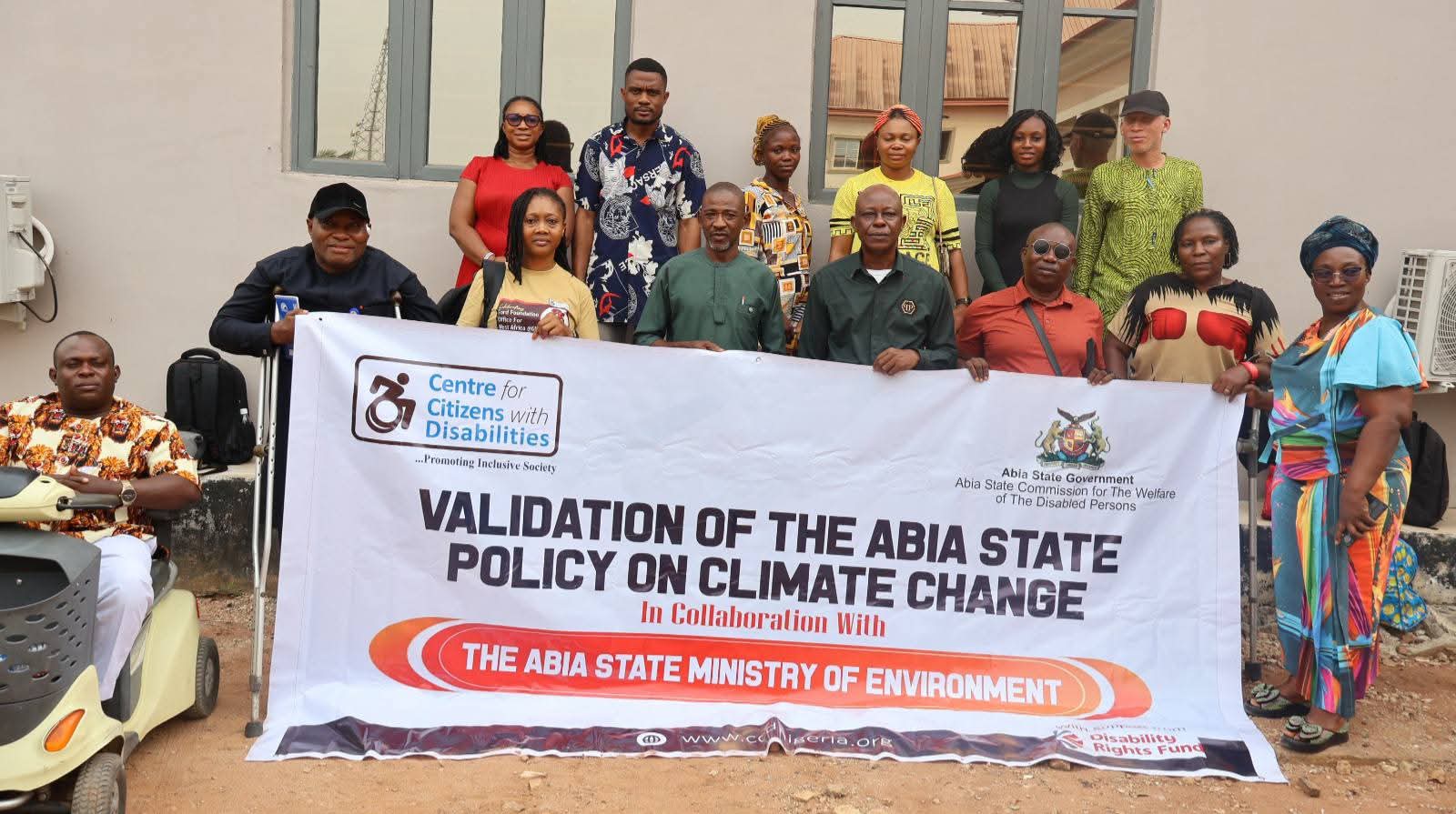
In a landmark move towards building a climate-resilient and inclusive Abia State, the Centre for Citizens with Disabilities (CCD), in collaboration with the Abia State Ministry of Environment, has successfully convened a multi-stakeholder validation workshop on the Abia State Policy on Climate Change.
The workshop, held with the support of the Disability Rights Fund (DRF) and the Abia State Government, marked a significant milestone in the State’s climate action journey. It brought together a rich mix of participants, including Ministries, Departments and Agencies (MDAs), civil society organisations, development partners, academia, Local Government Area (LGA) representatives, clusters of persons with disabilities, policymakers, and the media—all united by a shared commitment to shaping an inclusive climate future for Abia State.
Speaking at the event, the Honourable Commissioner for Environment, Mr. Philemon Asonye Ogbonna, who was ably represented by the Permanent Secretary, Ministry of Environment, Mr. Ikechukwu Chidozie Oriuwa, underscored the critical importance of an inclusive climate change policy. He noted that the validation exercise provided a unique opportunity for stakeholders to carefully review the draft policy and ensure it reflects the realities, vulnerabilities, and climate challenges facing communities across Abia State. He further reaffirmed the State Government’s unwavering commitment to strengthening climate governance, enhancing resilience, and mitigating the adverse impacts of climate change, particularly on vulnerable populations.
Adding a strong legislative voice to the process, the Chairman of the Abia State House of Assembly Committee on Environment, Hon. Kalu Mba Nwoke, commended the Ministry of Environment, CCD, partners, and all stakeholders for their dedication to addressing climate challenges in the State. He assured participants of the readiness of the House of Assembly to support policies and laws that promote inclusive, sustainable, and people-centred development in Abia State.
The Honourable Commissioner for Budget and Planning, Mr. Kingsley Anosike, also praised the Ministry of Environment for the remarkable progress recorded in developing the climate change policy. He emphasized the relevance of the policy in a development-focused economy, noting that climate change remains a major driver of environmental degradation, economic loss, and social vulnerability, making responsive policy frameworks indispensable.
A major highlight of the workshop was the presentation of the draft Abia State Climate Change Policy by the Consultant and PACT Technical Team, led by Mr. Adejumobi Fashola. The team walked participants through the policy framework, objectives, and implementation strategies, stressing that a well-developed climate policy is a critical tool for unlocking climate finance, attracting investments, and supporting sustainable development initiatives in the State.
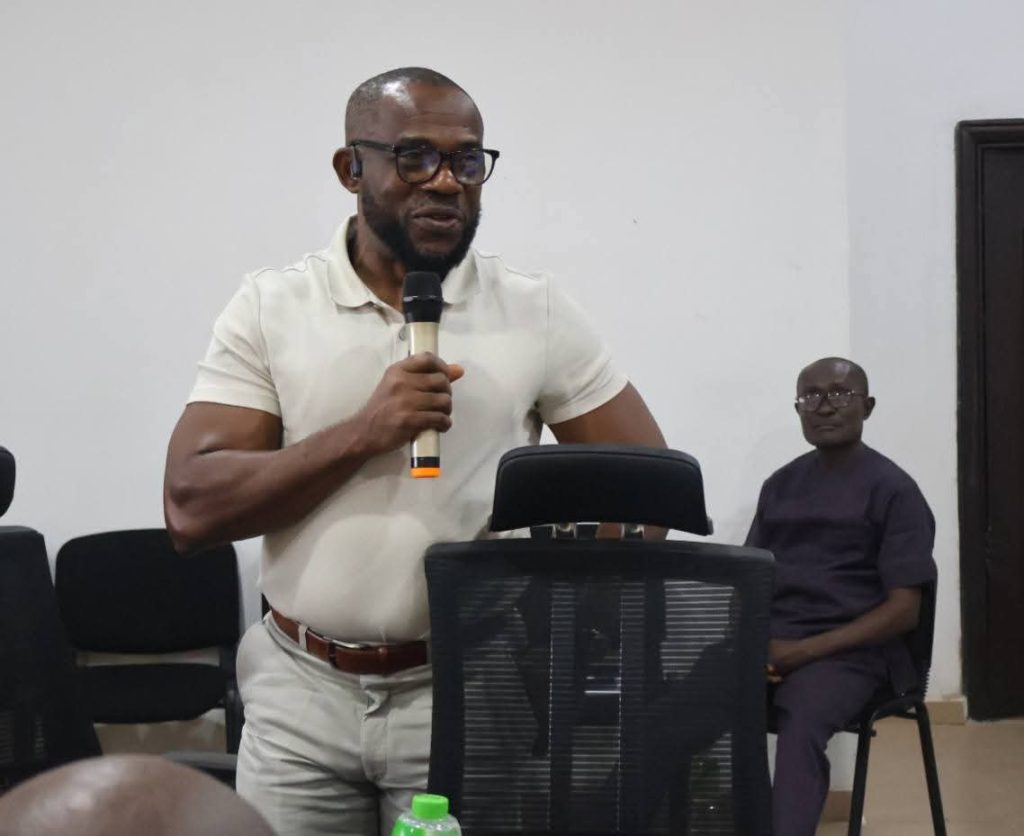
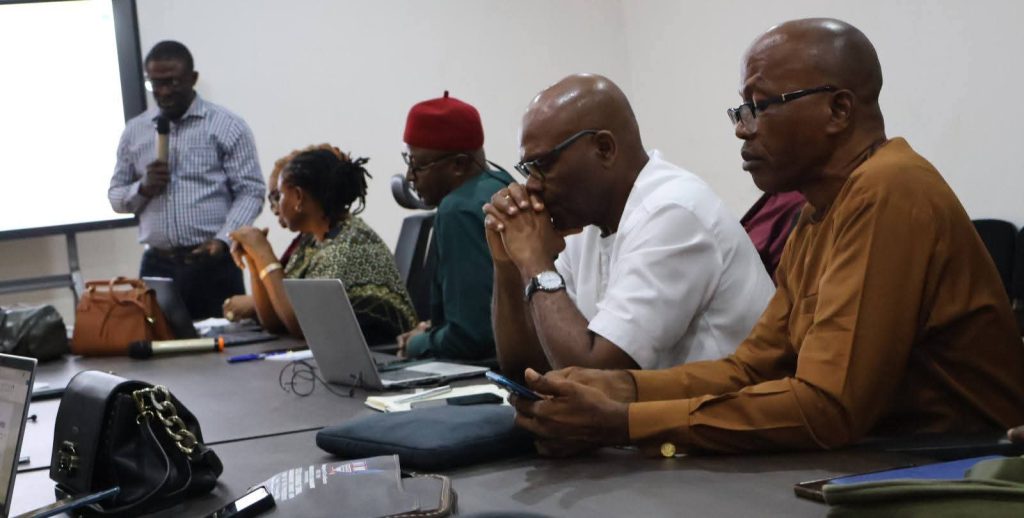
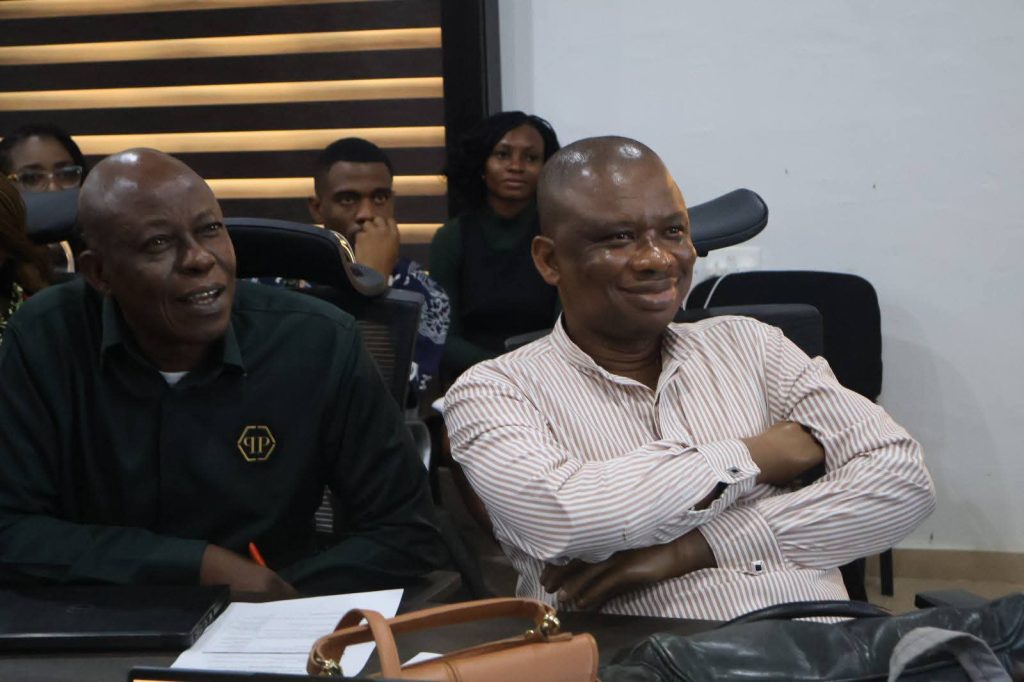
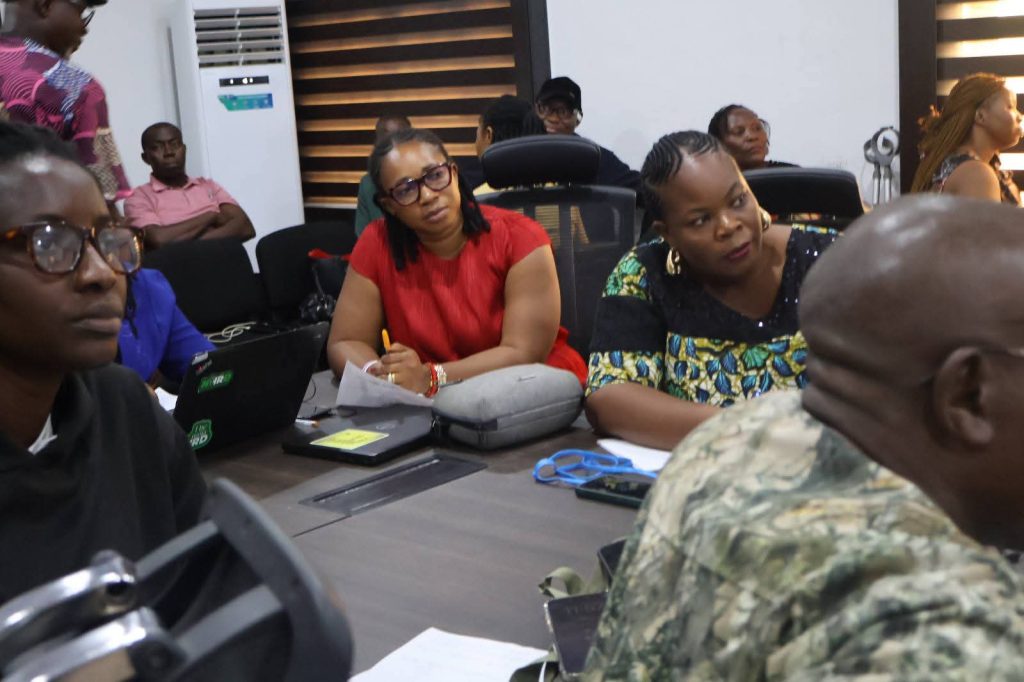
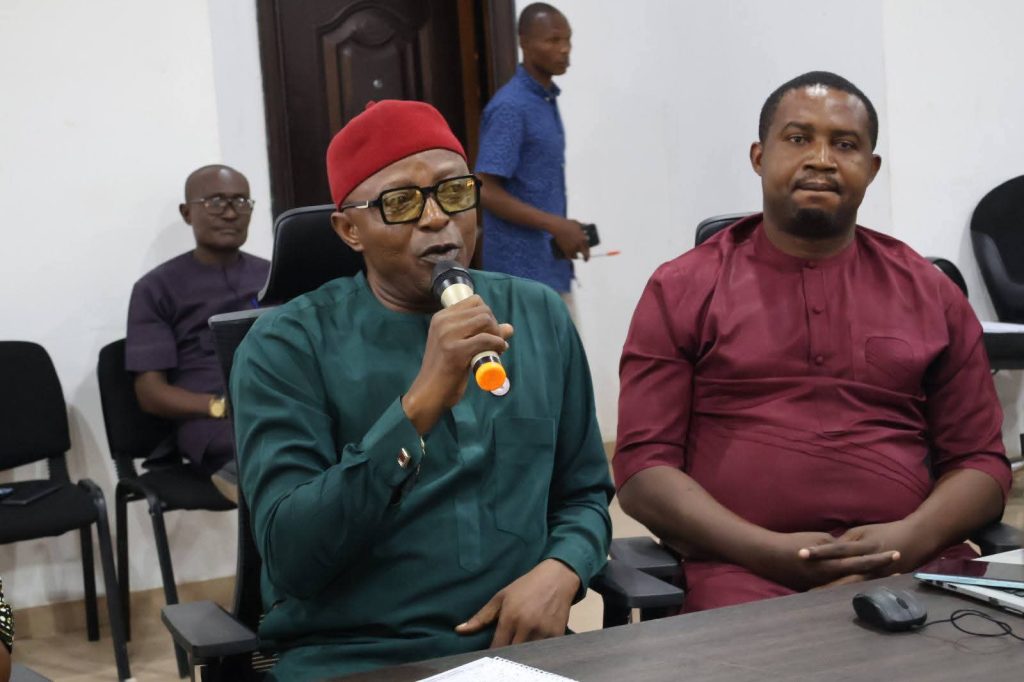
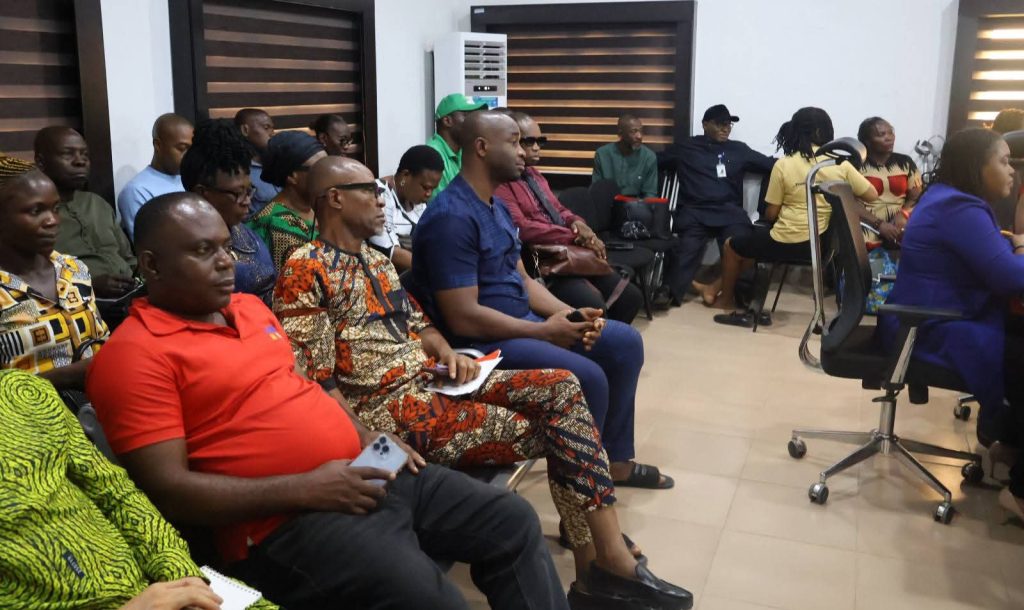
The validation process was interactive and inclusive, as participants—including persons with disabilities—meticulously reviewed the draft policy and made informed inputs and recommendations. This participatory approach ensured that the policy reflects equity, inclusion, and social justice, while aligning with national and international climate frameworks. Stakeholders at the workshop expressed a strong collective commitment to supporting the final adoption and effective implementation of an inclusive Abia State Climate Change Policy.
In his remarks, the Founder of CCD and Chairman of the Abia State Commission for the Welfare of Disabled Persons, Mr. David Anyaele, applauded the Abia State Government for its progressive leadership and foresight in developing a climate change policy that recognizes the disproportionate impact of climate change on vulnerable groups, particularly persons with disabilities.
Similarly, the Acting Director of the Centre for Citizens with Disabilities, Mr. Godwin Unumeri, who led CCD’s delegation and clusters of persons with disabilities to the workshop, commended the openness and willingness of stakeholders to genuinely engage with the policy document. He emphasized that mainstreaming disability inclusion in climate action is no longer optional but a necessity, especially in the face of increasing climate-related risks.
In a goodwill message, the Special Assistant to the Governor on Climate Change and Sustainability, Ms. Esther Chioma Ajah, expressed appreciation to all participants for their valuable contributions to the validation process. She reiterated the Abia State Government’s commitment to supporting climate change-related projects and initiatives that promote sustainability, inclusion, and long-term environmental resilience.
The validation workshop concluded with renewed optimism and a shared resolve among stakeholders to advance inclusive climate governance in Abia State. The presence of Permanent Secretaries, Senior Special Assistants, Special Assistants, development partners, civil society groups, disability clusters, and the media reaffirmed the collective ownership of the policy and the critical role of collaboration in addressing the climate crisis.
As Abia State moves closer to finalizing its Climate Change Policy, the validation workshop stands as a powerful testament to what is possible when government, civil society, development partners, and persons with disabilities come together to co-create solutions for a sustainable and inclusive future.
Click the link below to join our WhatsApp channel


