

Council Boss Commits to PWD Participation, Disability Desk Officer and Inclusive Budget Training as Kuje Emerges as Key Disability Healthcare Focus
By TQM News
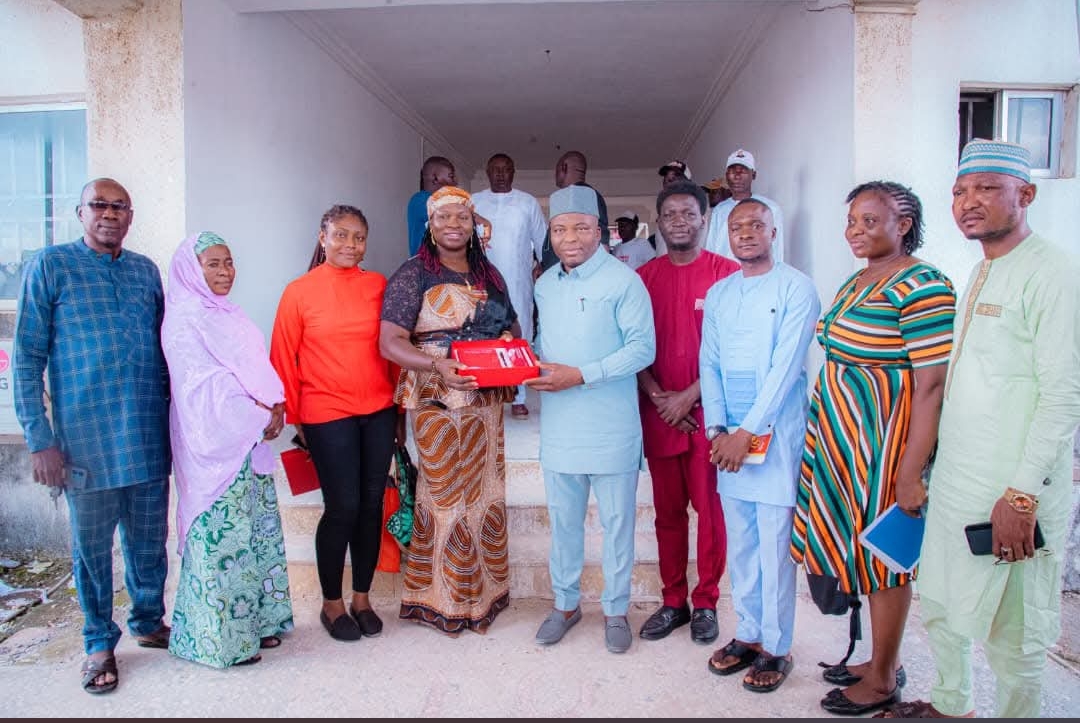
KUJE, Abuja — A new push to place disability inclusion at the heart of grassroots governance has received a boost in Kuje Area Council, following a high-level advocacy meeting between disability advocates and the council’s Executive Chairman, Hon. Danjuma Shekwolo.
The Chairman personally received the advocacy delegation led by Executive Director Hellen Beyioku-Alase, signalling what advocates described as an important opening for stronger collaboration between the council and the disability community.
The team presented its advocacy messages, baseline findings and recommendations, placing particular emphasis on the need for persons with disabilities to have a meaningful voice in decisions that affect their lives.
And the Chairman responded with commitments.
PWDs to Be Included in Stakeholders’ Meeting
Among the major demands presented was the inclusion of persons with disabilities in the council’s forthcoming stakeholders’ meeting.
The demand is aimed at ensuring that disability issues are discussed directly with the people most affected rather than being addressed without their participation.
The advocacy team also requested a dedicated engagement session with council staff to deepen understanding of disability inclusion, accessibility and the rights of persons with disabilities.
A further demand was the appointment of a dedicated disability desk officer who would serve as a focal point for disability-related issues within the council.
Chairman Shekwolo pledged to act on the key demands.
He further committed to nominating council officials for an upcoming training on model disability budgets, an initiative intended to strengthen the ability of local government officials to integrate disability considerations into planning and budget processes.
Why Kuje Is a Critical Disability Inclusion Test
The engagement comes at a particularly important time for Kuje.
An Ipas pilot report cited by the advocacy team found that 34 per cent of deaf women in the FCT reside in Kuje, placing the Area Council at the centre of conversations around disability-inclusive healthcare and access to services.
For deaf women and other persons with disabilities, inclusion in policy discussions must translate into practical access to healthcare, information, communication, protection and other essential services.
This makes Kuje more than another stop on an advocacy tour. It represents an important testing ground for whether disability-inclusive policies can move from commitments on paper to action at the community level.
From Pledge to Implementation
While the Chairman’s commitments have been welcomed, advocates say the real measure of progress will be implementation.
The commitments now create a framework for continued engagement between the council and persons with disabilities, including participation in stakeholder meetings, staff sensitisation, institutional coordination through a disability desk officer and stronger disability-responsive budgeting.
For disability advocates, the objective is not simply to secure promises, but to ensure that those promises produce visible changes in the lives of persons with disabilities.
With the council leadership now signalling its willingness to engage, attention turns to the next stage: turning Kuje’s pledge into action.
At the heart of the advocacy effort is a simple principle: persons with disabilities should not merely be consulted about development—they should be part of shaping it.


