

Council acknowledges disability inclusion gaps, strengthens Disability Desk structure, commits officials to model disability budget training
By The Qualitative Magazine
Kwali Area Council of the Federal Capital Territory has pledged to give greater priority to persons with disabilities in its budgeting and development planning, following an advocacy engagement with disability inclusion stakeholders.
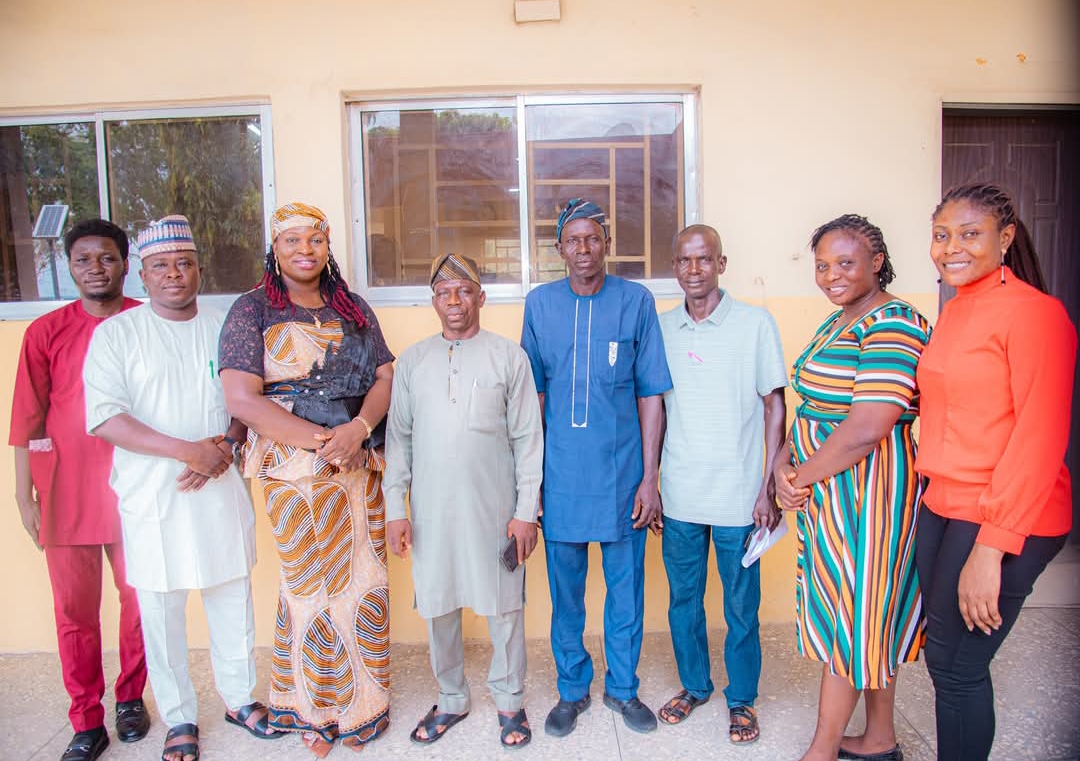
The commitment was made when a team led by Executive Director Hellen Beyioku-Alase engaged senior officials of the Area Council on the need to strengthen disability inclusion across its programmes, policies and budgetary processes.
The engagement brought together the Council’s Head of Administration, Directors, Budget Officer and, notably, its existing Disability Desk Officer, creating an opportunity for direct discussions on how the Council can move beyond policy commitments to practical inclusion.
The senior officials, who received the team on behalf of the Council Chairman, listened to the concerns raised and acknowledged gaps that could affect the meaningful participation and inclusion of persons with disabilities in local development.
Following the engagement, the Council pledged to key into the prioritisation of persons with disabilities in its budgets, signalling a willingness to make disability inclusion a more visible component of its development planning.
Beyond Promises: Disability Inclusion in the Budget
A major focus of the engagement was the importance of ensuring that disability inclusion is reflected in the Council’s budget rather than treated as an issue addressed only through occasional interventions.
The advocacy team emphasised the need for local government authorities to identify the specific needs of persons with disabilities and deliberately allocate resources to address them.
An inclusive budget, stakeholders noted, can help address barriers affecting persons with disabilities in areas such as access to public services, education, employment, social protection, accessibility and participation in community development.
The Council was also encouraged to strengthen its existing institutional mechanism for disability inclusion, particularly through the Disability Desk Officer.
Council to Strengthen Disability Desk
One of the key requests presented during the meeting was the strengthening of the role of the Council’s Disability Desk Officer.
The presence of an officer specifically responsible for disability-related matters was identified as an important foundation upon which Kwali Area Council can build a stronger disability-inclusive system.
The team further requested a dedicated day for staff engagement on disability inclusion. Such engagement would provide an opportunity to improve staff understanding of disability rights, challenge discriminatory attitudes and strengthen the capacity of Council personnel to provide inclusive services.
The Council agreed to the request and expressed its willingness to build on the existing structure.
Officials to Receive Training on Model Disability Budgets
In another significant development, the Council agreed to nominate officials to participate in an upcoming training on model disability budgets.
The training is expected to equip participating officials with practical knowledge on how disability considerations can be incorporated into planning, budgeting and implementation processes.
This is particularly important at the local government level, where budgetary decisions directly affect many of the services and programmes that residents depend on.
For persons with disabilities, the difference between a budget that merely exists and one that deliberately accounts for disability-related needs can determine whether public services are genuinely accessible and inclusive.
Kwali’s Existing Disability Desk Stands Out
Perhaps the most notable feature of the engagement was the discovery that Kwali Area Council already has a Disability Desk Officer.
For the advocacy team, this places the Council in a stronger position to advance disability inclusion compared with situations where no institutional structure exists to coordinate disability-related issues.
Rather than creating an entirely new structure, the Council now has an opportunity to strengthen and empower an existing one.
The engagement therefore served not only as an advocacy intervention but also as a reminder of the potential that already exists within the Council.
The message from the engagement was clear: structures matter, but their effectiveness depends on adequate support, resources, authority and political commitment.
From Recognition to Action
The latest commitment by Kwali Area Council comes at a time when disability advocates continue to call for stronger implementation of disability rights at the grassroots level.
While national and sub-national policies provide an important framework for inclusion, local governments remain critical because they are closest to communities and play an important role in delivering basic services and implementing development programmes.
For persons with disabilities, meaningful inclusion requires more than recognition during special events or commemorative days. It requires deliberate planning, adequate funding, accessible infrastructure, inclusive services and mechanisms that allow persons with disabilities to participate in decisions affecting their lives.
The Kwali engagement therefore represents an opportunity to translate recognition into measurable action.
With an existing Disability Desk Officer, a commitment to disability-inclusive budgeting, staff engagement and participation in model disability budget training, the Council now has several building blocks upon which it can strengthen its disability inclusion agenda.
A Challenge Embraced
What stood out from the engagement was the response of the Council’s officials.
Rather than viewing the advocacy demands simply as additional responsibilities, the officials embraced the challenge and demonstrated willingness to explore how the existing structure could be strengthened.
For disability advocates, the next step will be to sustain the engagement and monitor how the commitments translate into actual budgetary allocations, programmes and improved services for persons with disabilities in Kwali.
Ultimately, the success of the engagement will not be measured by the number of commitments made at the meeting, but by what appears in the Council’s budgets and what persons with disabilities experience in their communities.
Kwali has the structure. The commitment has been expressed. The next test is implementation.


