

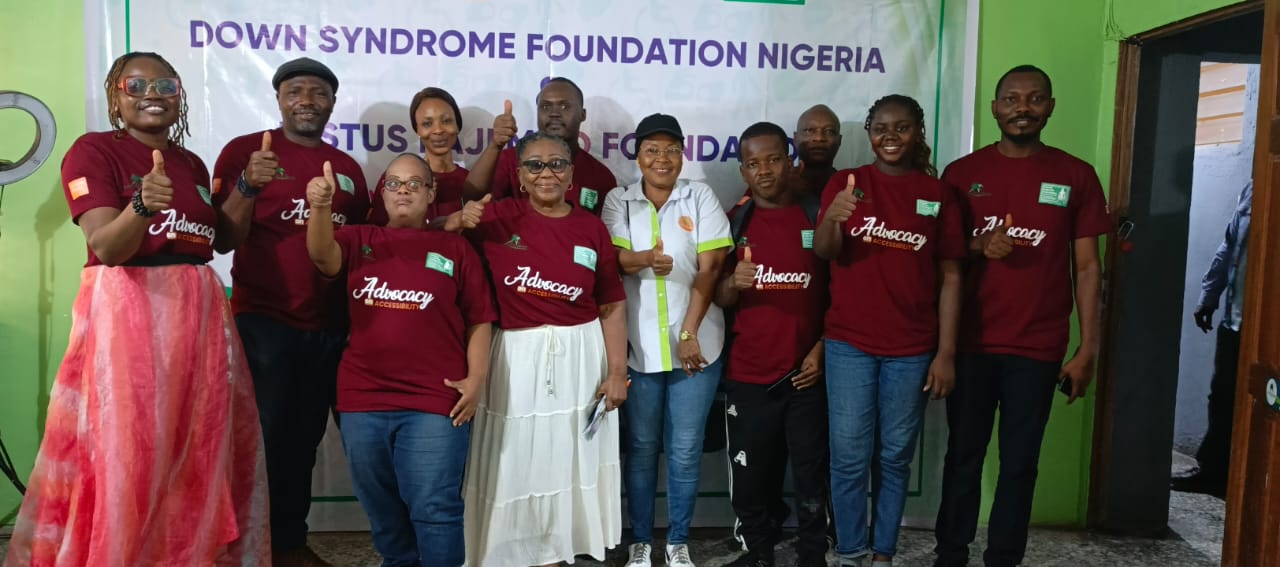
LAGOS, Nigeria – Persons with disabilities and disability rights organizations in Lagos State have intensified calls for the full implementation and enforcement of accessibility laws, insisting that true inclusion goes far beyond the construction of wheelchair ramps.
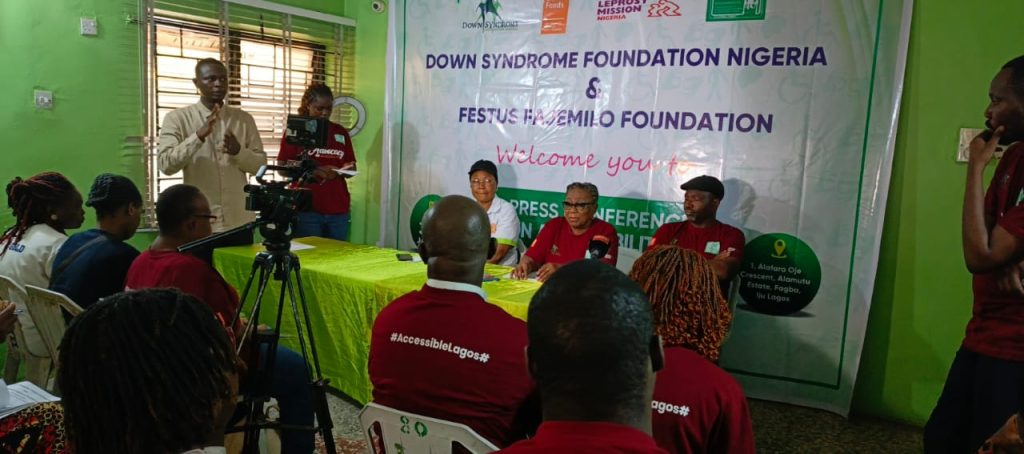
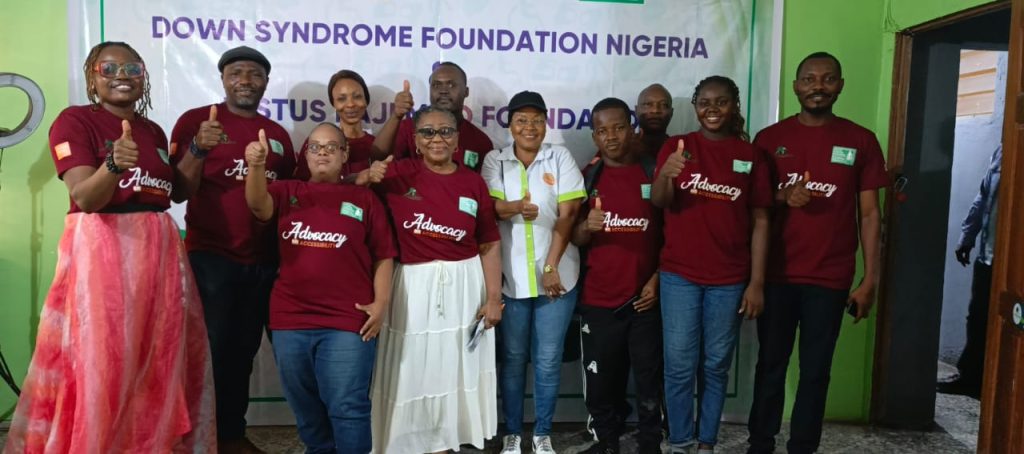
The renewed advocacy formed the highlight of a high-level press conference jointly organized by the Down Syndrome Foundation Nigeria (DSFN) and the Festus Fajemilo Foundation (FFF) on June 30, 2023, at Alamutu Estate, Fagba, Lagos. The event marked the culmination of a series of advocacy activities involving the eight disability clusters operating under the umbrella of the Joint National Association of Persons with Disabilities (JONAPWD) in Lagos State.
Supported by the Liliane Foundation and The Leprosy Mission Nigeria, the media engagement brought together disability advocates, development experts, media practitioners, and representatives of various disability organizations to examine the current level of accessibility compliance in Lagos State and push for stronger implementation of existing disability laws.
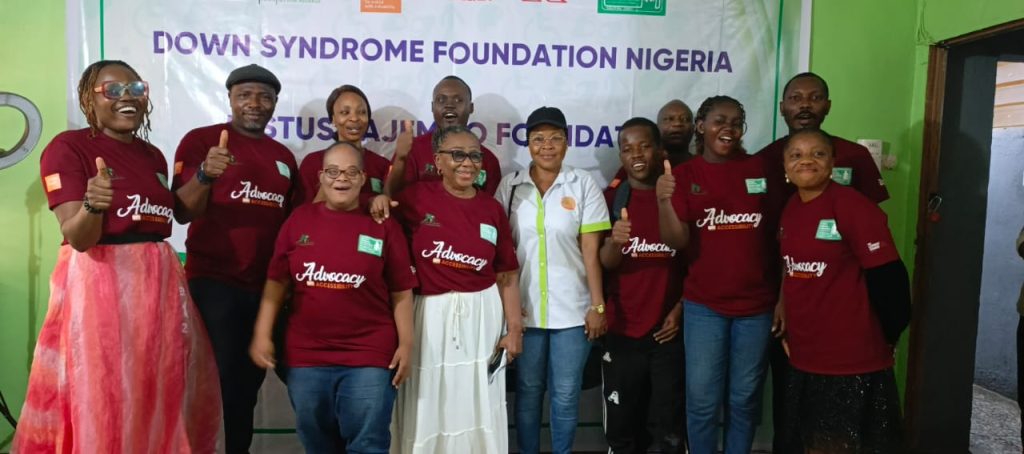
The conference served as a platform to remind both government institutions and private organizations that accessibility is not an act of charity but a legal obligation guaranteed under Article 9 of the United Nations Convention on the Rights of Persons with Disabilities (UNCRPD), the Discrimination Against Persons with Disabilities (Prohibition) Act, 2018, and the Lagos State Special People’s Law.
Accessibility Is More Than Just Ramps
One of the dominant messages that resonated throughout the event was the widespread misconception that accessibility simply means constructing ramps for wheelchair users.
Speakers explained that accessibility is far broader and encompasses the diverse needs of different disability groups.
According to the advocates, while ramps remain essential, true accessibility also includes tactile floor paving for persons who are blind or visually impaired, audio announcement systems in public facilities and transportation hubs, accessible toilets, lowered customer service counters, elevators with Braille buttons, sign language interpretation, adequate parking spaces, and other disability-inclusive infrastructure.
They stressed that every category of disability requires unique accessibility measures, emphasizing that buildings and public infrastructure cannot be considered accessible if they only cater to one disability group.
The experts further advised government agencies, developers, architects, engineers, and private organizations to integrate accessibility features from the planning and design stage rather than attempting expensive modifications after construction.
Disability Clusters Speak With One Voice
The press conference attracted representatives from several disability organizations across Lagos State, each sharing practical experiences that highlighted the daily barriers encountered by persons with disabilities.
Among the participating organizations were:
- Spina Bifida and Hydrocephalus Association in Nigeria (SBHAN)
- National Association of the Blind (NAB)
- Spinal Cord Injuries Association of Nigeria (SCIAN)
- Albinism Association of Nigeria (AAN)
Their testimonies painted a troubling picture of inaccessible government offices, hospitals, schools, transportation systems, commercial buildings, and other public facilities that continue to exclude millions of Nigerians with disabilities from fully participating in society.
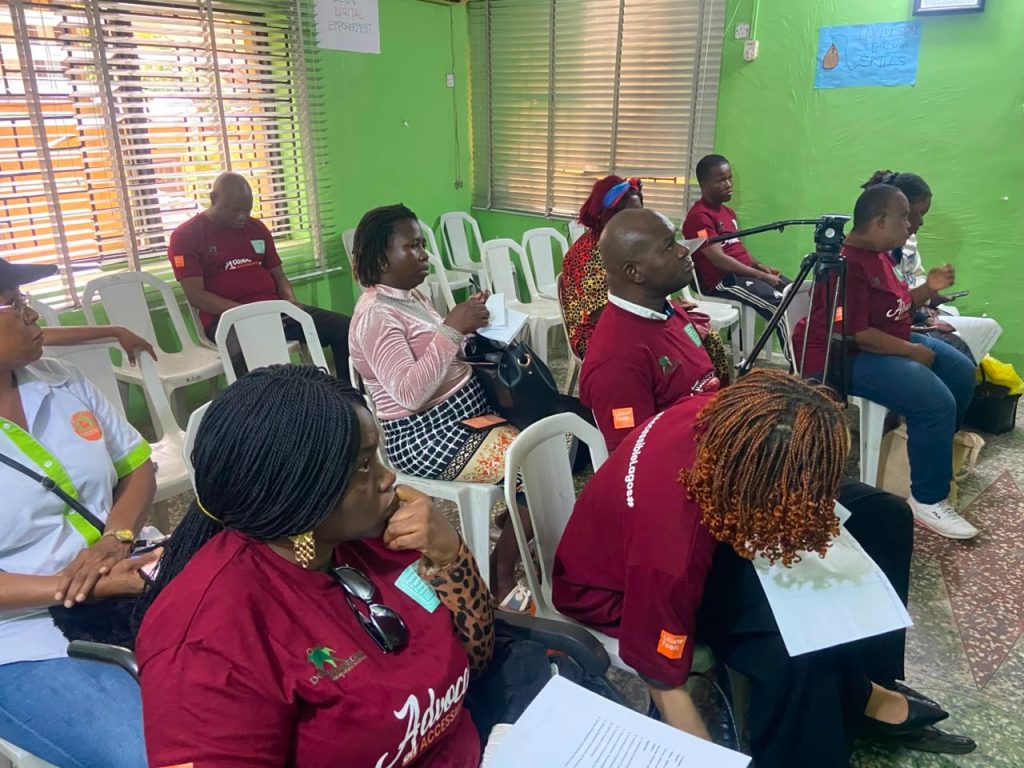
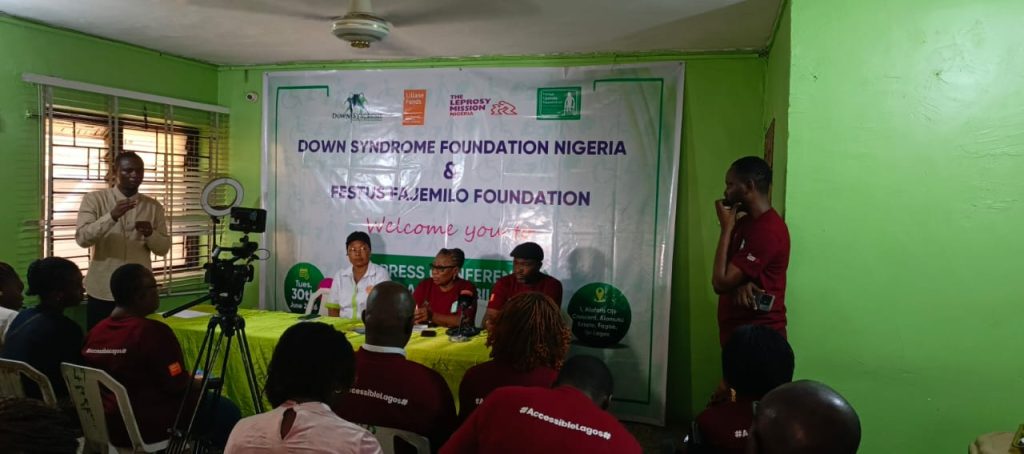
The representatives emphasized that despite the existence of progressive disability legislation, poor implementation and weak enforcement continue to deny persons with disabilities equal access to education, healthcare, employment, justice, transportation, and other essential services.
They called on authorities to ensure that organizations of persons with disabilities are actively involved in planning, monitoring, and evaluating accessibility initiatives across the state.
Experts Call for Stronger Enforcement
Project consultants and disability inclusion experts at the event noted that Nigeria already possesses robust legal frameworks capable of transforming the lives of persons with disabilities if properly implemented.
However, they argued that awareness of these laws remains significantly low among public institutions, private organizations, and even many persons with disabilities themselves.
The speakers therefore advocated for sustained public enlightenment campaigns that would educate citizens about disability rights while also compelling duty bearers to fulfill their legal obligations.
They further urged regulatory agencies to establish stronger compliance mechanisms capable of monitoring public infrastructure and sanctioning organizations that fail to meet accessibility standards.
According to them, accessibility should become a mandatory requirement rather than an optional consideration.
Media Challenged to Drive Disability Inclusion
The conference also highlighted the indispensable role of the media in promoting disability inclusion and influencing public policy.
Journalists from six media organizations actively engaged speakers, raising questions about enforcement strategies, implementation challenges, government responsibilities, and practical solutions to improving accessibility across Lagos State.
Disability advocates encouraged media professionals to consistently report disability issues beyond commemorative events, noting that regular media attention can help shape public opinion, increase accountability, and accelerate policy implementation.
They observed that the media possesses enormous power to bring disability issues to the forefront of national discourse, challenge stereotypes, and promote greater understanding of the rights and aspirations of persons with disabilities.
Inclusion Requires Collective Responsibility
Throughout the discussions, participants repeatedly emphasized that creating an inclusive society requires collaboration among government institutions, civil society organizations, the private sector, development partners, the media, professional bodies, and members of the public.
They argued that accessibility should not be viewed as a privilege reserved for a few but as a fundamental human right that enables equal participation in every aspect of community life.
The organizations further noted that accessible infrastructure benefits not only persons with disabilities but also older persons, pregnant women, children, individuals with temporary injuries, and many others who experience mobility or communication challenges.
Advocacy Continues Beyond the Press Conference
At the conclusion of the event, the Down Syndrome Foundation Nigeria, Festus Fajemilo Foundation, and participating disability organizations reaffirmed their commitment to sustaining advocacy efforts until accessibility compliance becomes a reality across Lagos State.
They disclosed that findings and recommendations from the project would be formally presented to the Lagos State Ministry of Youth and Social Development and other relevant stakeholders for policy action and implementation.
The organizations expressed optimism that sustained engagement with government, development partners, professional associations, and the media would accelerate compliance with accessibility standards and ultimately create a Lagos where every resident—regardless of disability status—can live, work, learn, and contribute without barriers.
As Nigeria continues to pursue inclusive development, the message from the disability community remains clear: accessibility is not merely about infrastructure—it is about dignity, equality, opportunity, and the fundamental right of every individual to participate fully in society.
Click the link below to join our WhatsApp channel


