

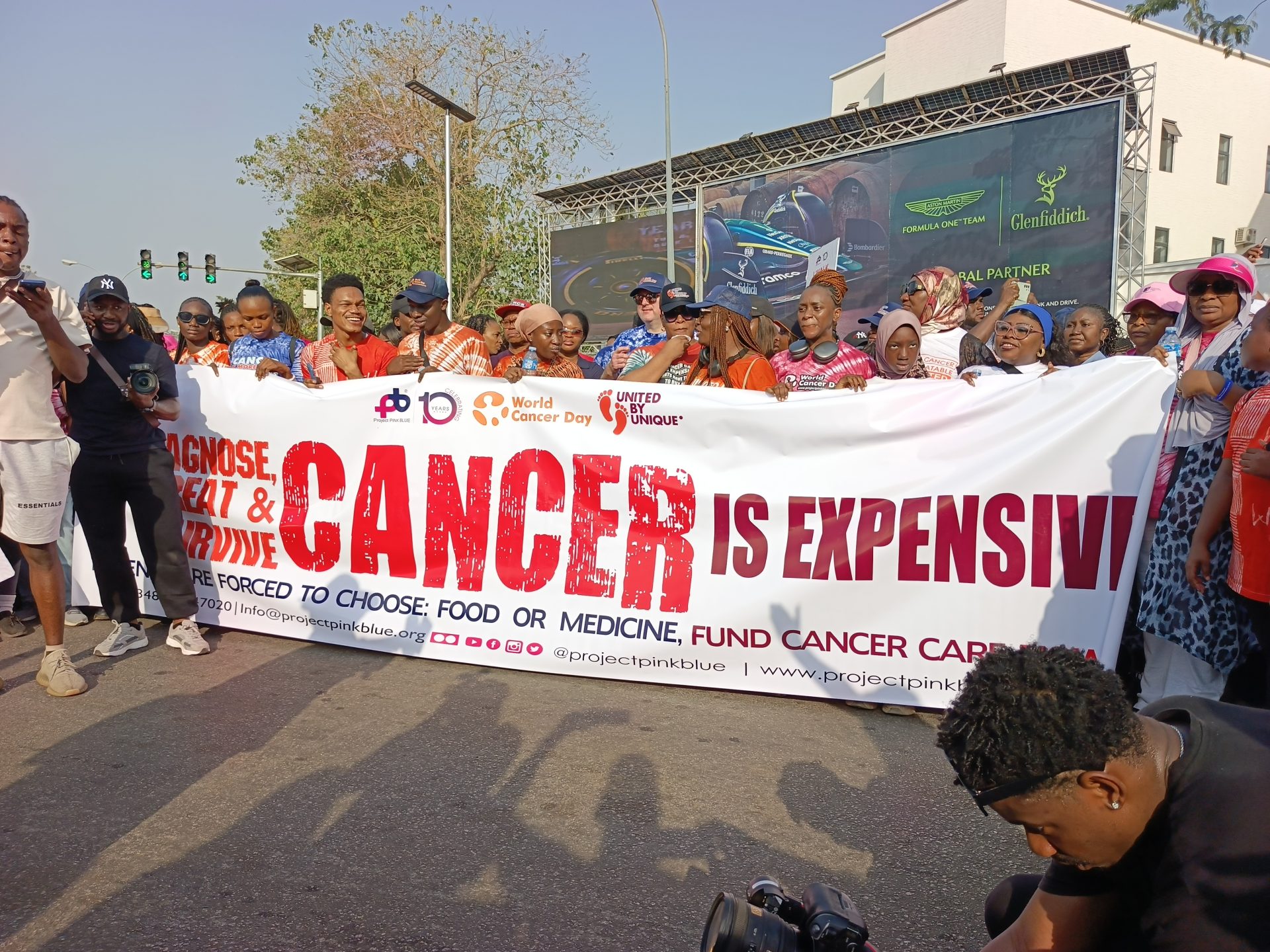
Abuja, Saturday, February 7, 2026 — As Nigeria joins the rest of the world to commemorate World Cancer Day 2026, cancer advocacy group Project PINK BLUE – Health & Psychological Trust Centre has issued a strong call on the Federal Government to urgently establish a national and organized cancer screening programme, warning that late detection is costing tens of thousands of Nigerian lives every year.
The call was made in Abuja during a World Cancer Day awareness event organized by Project PINK BLUE at the Transcorp Hilton, featuring a 5km awareness walk, 20km cycling tour, and a 10km run against cancer. The event attracted cancer survivors, patients, caregivers, health advocates, cyclists, runners, and supporters united under the global theme, “United by Unique.”
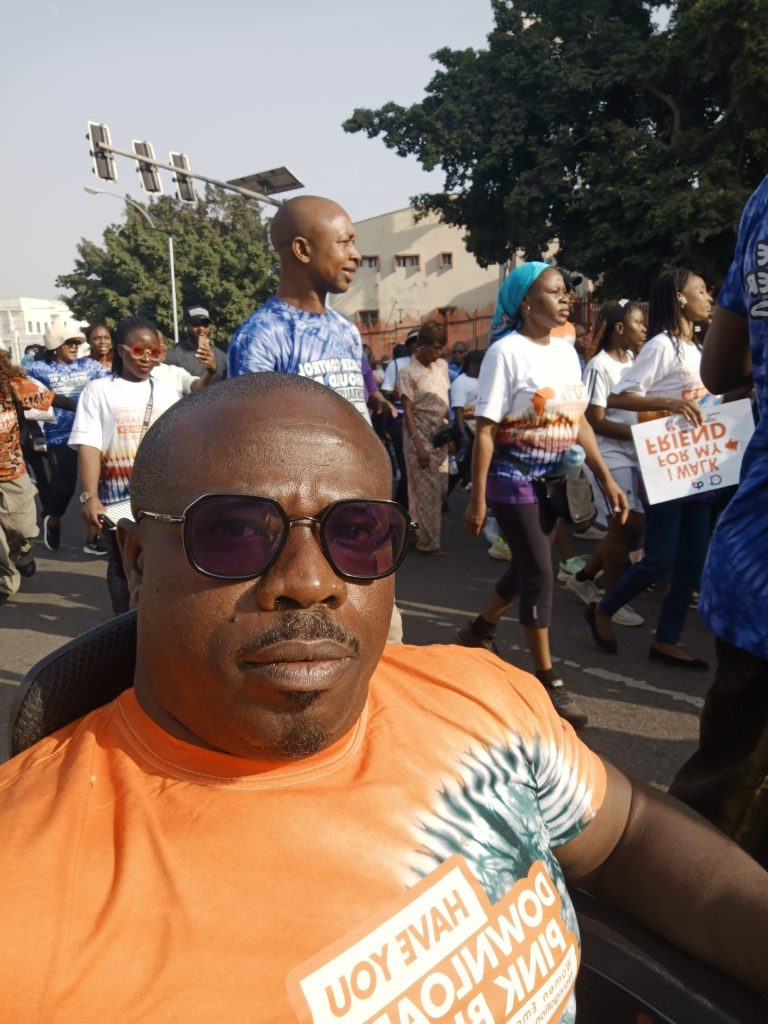
While the atmosphere was energetic and hopeful, the message from the organization was sobering: cancer treatment in Nigeria has become unaffordable, and the absence of a structured national screening system is driving avoidable deaths.
Speaking at the event, Ms. Faridah M. Banwo, Programme Associate of Project PINK BLUE, painted a grim picture of the daily realities faced by Nigerian cancer patients.
“We are using this World Cancer Day to spotlight the unique but painful challenges faced by Nigerians living with cancer,” she said. “Today, many patients are forced to choose between buying food and paying for their cancer medication. Others borrow money just to afford chemotherapy, while families sell land and properties so their loved ones can access radiotherapy.”
According to Banwo, the financial burden of cancer care in Nigeria has reached catastrophic levels, pushing families into poverty and worsening health outcomes.
“Nigeria is fast becoming one of the worst countries to be diagnosed with cancer, not because cancer is unbeatable, but because too many people cannot access the care they desperately need,” she added.
She called on the Federal Government and the National Assembly to significantly increase funding for the Cancer Health Fund, while urging state governments to establish cancer health funds and trusts to support indigent patients across the country.
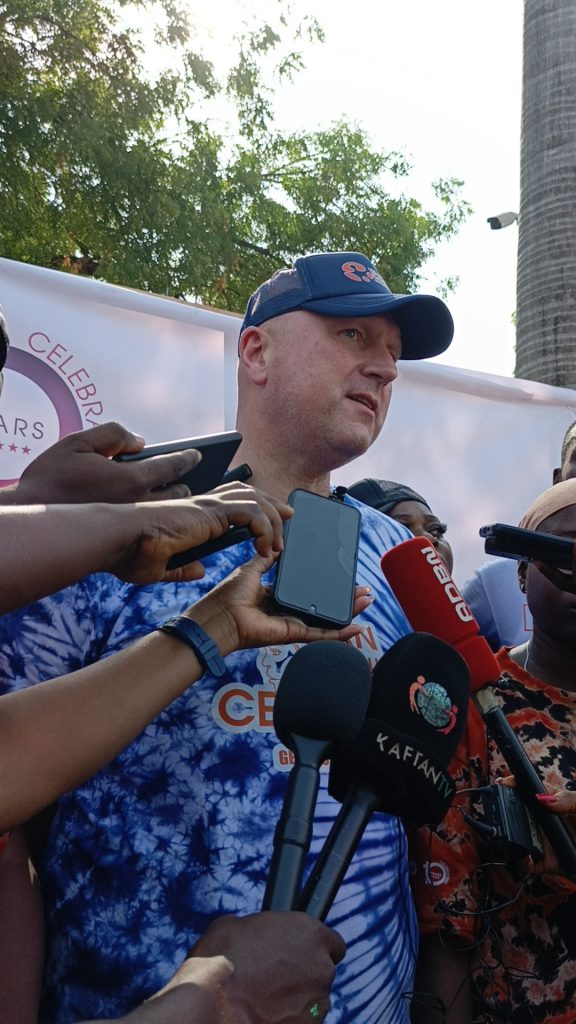
Backing these concerns with data, the Executive Director of Project PINK BLUE, Mr. Runcie C.W. Chidebe, cited alarming cancer statistics that underscore the urgency of the situation.
“In 2022 alone, Nigeria recorded 127,763 new cancer cases and 79,542 deaths,” Chidebe said. “Painfully, about 62 percent of Nigerians diagnosed with cancer died. That means nearly 62 out of every 100 people diagnosed did not survive.”
Chidebe stressed that these deaths are not merely the result of the disease itself, but of deep-rooted systemic failures in Nigeria’s healthcare system.
“We keep blaming patients for late detection, but that is unfair. We must stop blaming cancer patients and start blaming the healthcare system,” he declared. “Late detection, poor access to care, limited oncology workforce, high transportation costs, weak survivorship systems, and poverty are killing our people.”
He emphasized that early detection saves lives, but only when the healthcare system actively promotes and enables it.
“If we truly want to reduce cancer deaths in Nigeria, we must build a system that propels early detection,” Chidebe said.
At the heart of Project PINK BLUE’s advocacy is a clear demand: the implementation of a structured national cancer screening programme, similar to Nigeria’s organized HIV/AIDS response.
“Nigeria currently has no national and organized cancer screening programme. What we have are sporadic screenings happening here and there,” Chidebe explained. “An effective national screening programme will require public hospitals to provide routine services such as clinical breast examinations, cervical cancer screenings, and other tests for eligible individuals.”
He added that beyond hospital-based services, eligible Nigerians must be actively invited and encouraged to participate in routine screenings, as global evidence shows this approach significantly reduces late-stage cancer diagnoses.
“Countries around the world have used national screening programmes to cut down late detection,” he noted. “Nigeria has successfully done this before with HIV/AIDS. We can do it again with cancer.”
As the awareness walk, cycling, and run concluded, participants reiterated a shared message: cancer should not be a death sentence because of poverty or policy failure.
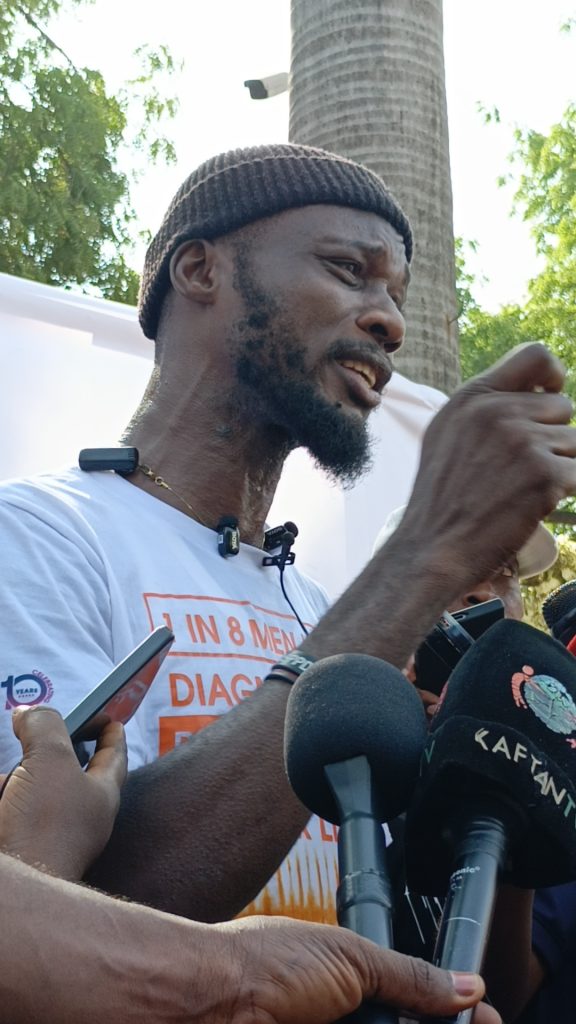
Project PINK BLUE reaffirmed its commitment to cancer awareness, patient navigation, advocacy, research, and psychosocial support, particularly in underserved and hard-to-reach communities.
The organization continues to bridge the gap between rural and urban cancer patients, advocating for policies driven by evidence and equity rather than sympathy alone.
“We are driven by reason and logic, not just passion and emotion,” the group stated. “Our goal is to reduce cancer incidence and ultimately phase out advanced and late-stage cancer detection in Nigeria.”
As Nigeria reflects on World Cancer Day 2026, Project PINK BLUE’s message remains clear and urgent: without a national screening programme, the country will continue to lose lives that could have been saved.
Click the link below to join our WhatsApp channel


