

September 27, 2025
In what is being described as a groundbreaking move for inclusive governance in Nigeria, the Abia State Government has successfully completed the recruitment of 771 new health care workers, making history by deliberately prioritising Persons with Disabilities (PWDs) in the process.
This recruitment exercise, anchored on transparency, merit, and fairness, not only strengthens the state’s healthcare system but also sets a bold benchmark for disability-inclusive governance in Nigeria.
Breaking Barriers, Creating Opportunities
For years, many qualified professionals with disabilities have faced systemic obstacles that prevented them from accessing job opportunities. This time, however, the narrative was different.
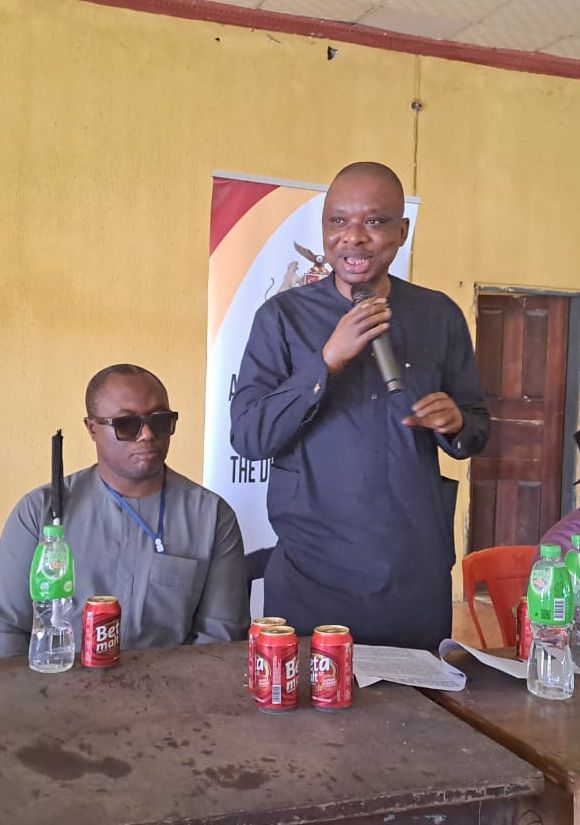
The Abia State Civil Service Commission, in partnership with the Abia State Disability Commission (ASDC), adopted inclusive assessment methodologies designed to eliminate barriers that often disqualify PWDs from participating fully.
From deploying adaptive technologies during oral interviews to ensuring that physical, communication, and attitudinal barriers were addressed, the process gave candidates with disabilities a level playing field to demonstrate competence.
Leadership and Commitment to Inclusion
Dr. Eno Jerry Eze, Chairman of the Abia State Civil Service Commission, underscored the significance of this initiative.
“We are dedicated to eliminating longstanding obstacles that have historically limited the participation of qualified professionals with disabilities in the workforce. By creating a level playing field, we ensure that everyone has an equal opportunity to succeed,” she said.
She further credited the success of the exercise to the visionary leadership of Governor Dr. Alex Otti, who has consistently placed inclusion at the heart of his administration’s development agenda.
“This commitment is exemplified by Gov. Otti’s leadership. His resolve to empower PWDs ensures they play meaningful roles in our state’s development trajectory,” Eze added.
Anchored in Law and Global Policy
The inclusive recruitment drive is firmly backed by both national and international legal frameworks.
At the global level, the initiative aligns with the United Nations Convention on the Rights of Persons with Disabilities (UNCRPD), particularly Article 27, which mandates equal access to employment for PWDs and protection from workplace discrimination.
Nationally, the Discrimination Against Persons with Disabilities (Prohibition) Act 2018, passed into law in 2019, requires equal opportunities and non-discriminatory hiring practices for PWDs.

At the sub-national level, Abia has demonstrated foresight through the Abia State Commission for Disabled Persons Law No. 2 of 2022, which established ASDC to protect and promote disability rights. Under Governor Otti’s administration, this law is being actively implemented, ensuring PWDs are not left behind.
Driving Sustainable Development
Experts note that this recruitment initiative is more than a social justice mandate — it is also an economic necessity. With PWDs making up about 15 percent of the global population, excluding them from employment results in a significant loss of human capital and productivity.
By opening doors to this pool of untapped talent, Abia is not only advancing equity but also unlocking fresh opportunities to sustain its healthcare reforms.
This move directly supports Sustainable Development Goal (SDG) 8 — Decent Work and Economic Growth — and resonates with the core principle of the 2030 Agenda for Sustainable Development: Leave No One Behind.
A Model for Nigeria and Beyond
The Abia recruitment drive also contributes to the state’s broader human capital development strategy, which aims to achieve global standards by 2030 through targeted programmes in youth empowerment, continuous learning, and entrepreneurship.
Furthermore, it bolsters the state’s social protection framework, which prioritises vulnerable groups, including women, children, and PWDs.
Thousands of applications were received during the exercise, but the recruitment of 771 workers demonstrated that merit, transparency, and inclusion can co-exist in government programmes without compromise.
By setting this precedent, Abia State has positioned itself as a trailblazer in inclusive governance, sending a clear message to other states and the federal government that the inclusion of PWDs is not just possible, but achievable and beneficial.
As the dust settles on this landmark recruitment, one thing is clear: Abia has raised the bar — and the rest of the country will be watching closely.
Follow the The Qualitative Magazine channel on WhatsApp: https://whatsapp.com/channel/0029VanfIB50wajpjGi3JJ1G


