

— Pioneering Program Equips Visually Impaired Nigerians with Life-Changing Digital Skills Using NVDA Screen Reader
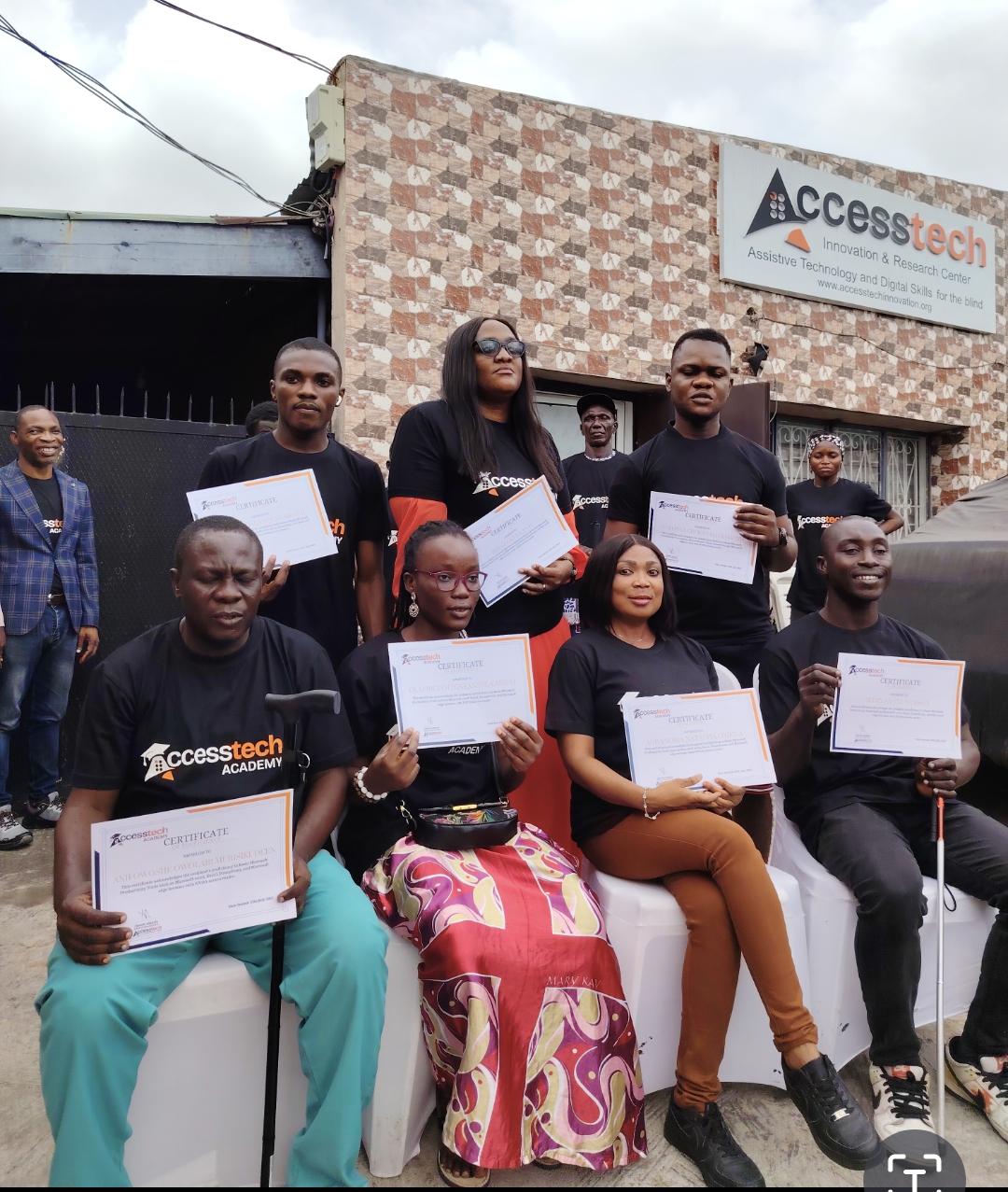
Lagos, Nigeria — July 31, 2025 — In a resounding win for digital inclusion and accessibility in Nigeria, the Accesstech Innovation and Research Centre (AIRC) has successfully graduated its 7th cohort of blind and visually impaired participants from its flagship Microsoft Productivity Tools training program.
The program, which is tailored specifically for persons who are blind or visually impaired, leverages the NonVisual Desktop Access (NVDA) screen reader—an open-source software designed to help blind users interact seamlessly with Microsoft applications. From Word and Excel to PowerPoint and Outlook, the cohort completed intensive training that emphasized real-world functionality, workplace relevance, and personal empowerment.
Held in Lagos, the graduation marked more than just the completion of a training—it was a powerful reminder that access to digital tools is a human right, not a privilege.
“This is more than a tech class—it’s a revolution in access,” said Emmanuella Akinola, Co-founder and Chief Operations Officer of Accesstech. “We are immensely proud of the achievements of this 7th cohort. These participants didn’t just learn software; they gained confidence, competence, and a new vision for their future.”
Bridging the Digital Divide for the Blind Community
In an era where digital literacy is often a prerequisite for employment, education, and civic participation, persons with visual impairments continue to face disproportionate exclusion from digital platforms—largely due to inaccessible technology, lack of training, and societal stigma.
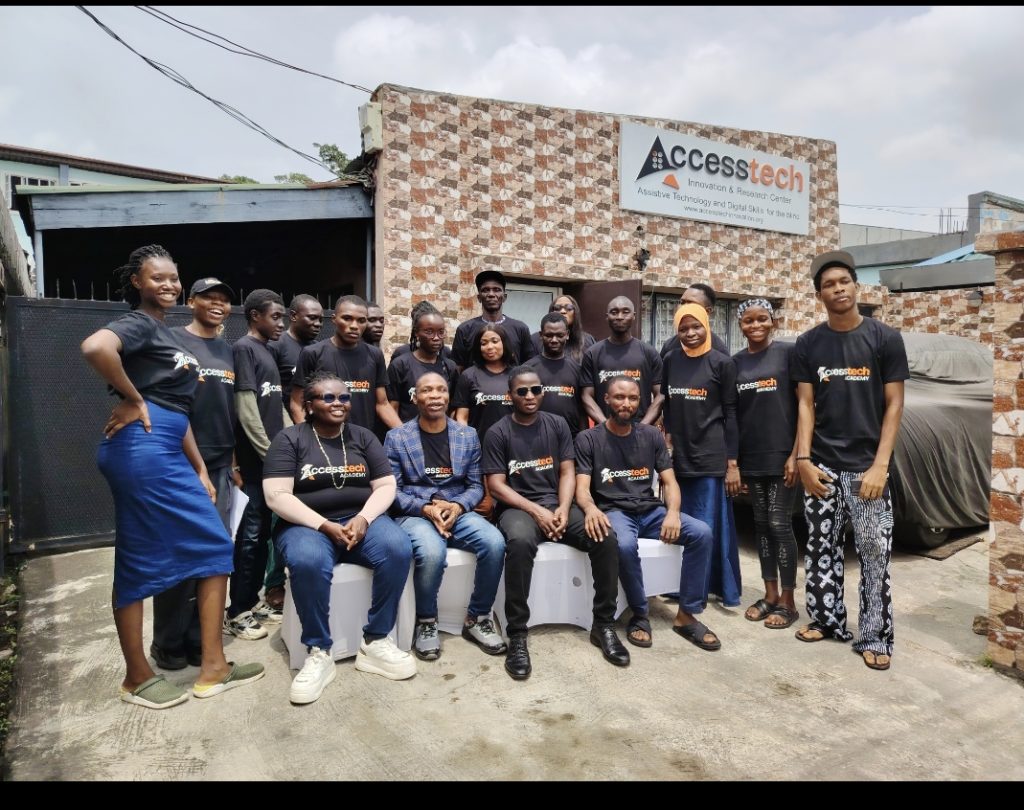
Accesstech’s training directly addresses this gap by providing practical, hands-on instruction in using Microsoft Office applications via NVDA, one of the most popular screen readers used by blind individuals worldwide. By focusing on accessibility and functionality, the program empowers participants to use technology not just for communication, but for creation, collaboration, and career development.
“Before this training, I relied heavily on others for basic digital tasks,” said one graduate. “Now I can confidently draft documents, manage spreadsheets, and even prepare professional presentations—all by myself. It’s a total game changer.”
What Participants Learned: Skills with Purpose
Over the course of the program, participants learned to:
- Create and format documents in Microsoft Word
- Use Excel for data entry, simple calculations, and basic analysis
- Design and present slideshows in PowerPoint
- Navigate Outlook to manage emails, calendars, and contacts
- Use NVDA shortcuts for efficient screen navigation and productivity
- Apply these skills in academic, professional, and entrepreneurial contexts
The training was deliberately designed to be immersive and interactive, encouraging self-paced learning while providing one-on-one support where needed. The impact, organizers say, was both immediate and transformative.
Empowerment Beyond the Classroom
The Microsoft Productivity Tools program is part of a broader vision by Accesstech to promote inclusive digital development across Nigeria. By focusing on the blind and visually impaired—often one of the most underserved groups in ICT training—the Centre is not only bridging the digital divide but challenging the societal norms that too often sideline persons with disabilities.
“We believe that disability is not inability,” Akinola emphasized. “With the right tools, training, and support, blind individuals can thrive in today’s fast-paced digital economy just like anyone else.”
Graduates of the program are now better positioned to pursue employment, engage in remote work, continue their education, or even start businesses—all with the confidence that they can navigate mainstream digital tools independently.
Looking Ahead: AIRC’s Expanding Vision
Following the success of the 7th cohort, Accesstech is setting its sights even higher. Plans are already underway to:
- Scale up the Microsoft Productivity Tools training to reach more regions in Nigeria
- Introduce advanced courses in data analysis, coding, and digital marketing for blind participants
- Partner with private sector companies to create job placement pipelines for graduates
- Conduct research and advocacy on inclusive digital practices and policies
- Launch targeted programs for women with disabilities, who face unique barriers to digital access
“We’re not just creating access; we’re building a movement,” Akinola said. “Every graduate is a future leader, a changemaker who will inspire others and challenge stereotypes.”
About Accesstech Innovation and Research Centre (AIRC)
The Accesstech Innovation and Research Centre is a leading non-profit organization committed to digital inclusion for persons with disabilities in Nigeria. Through training, research, and advocacy, the Centre seeks to bridge the digital divide and ensure that technology works for everyone—regardless of physical ability.
By championing equity, accessibility, and empowerment, AIRC is shaping a future where no one is left behind in the digital revolution.
As the graduates of the 7th cohort step into a world with new confidence and capabilities, the message from Accesstech is loud and clear: the future of tech must be inclusive—and that future starts now.


