

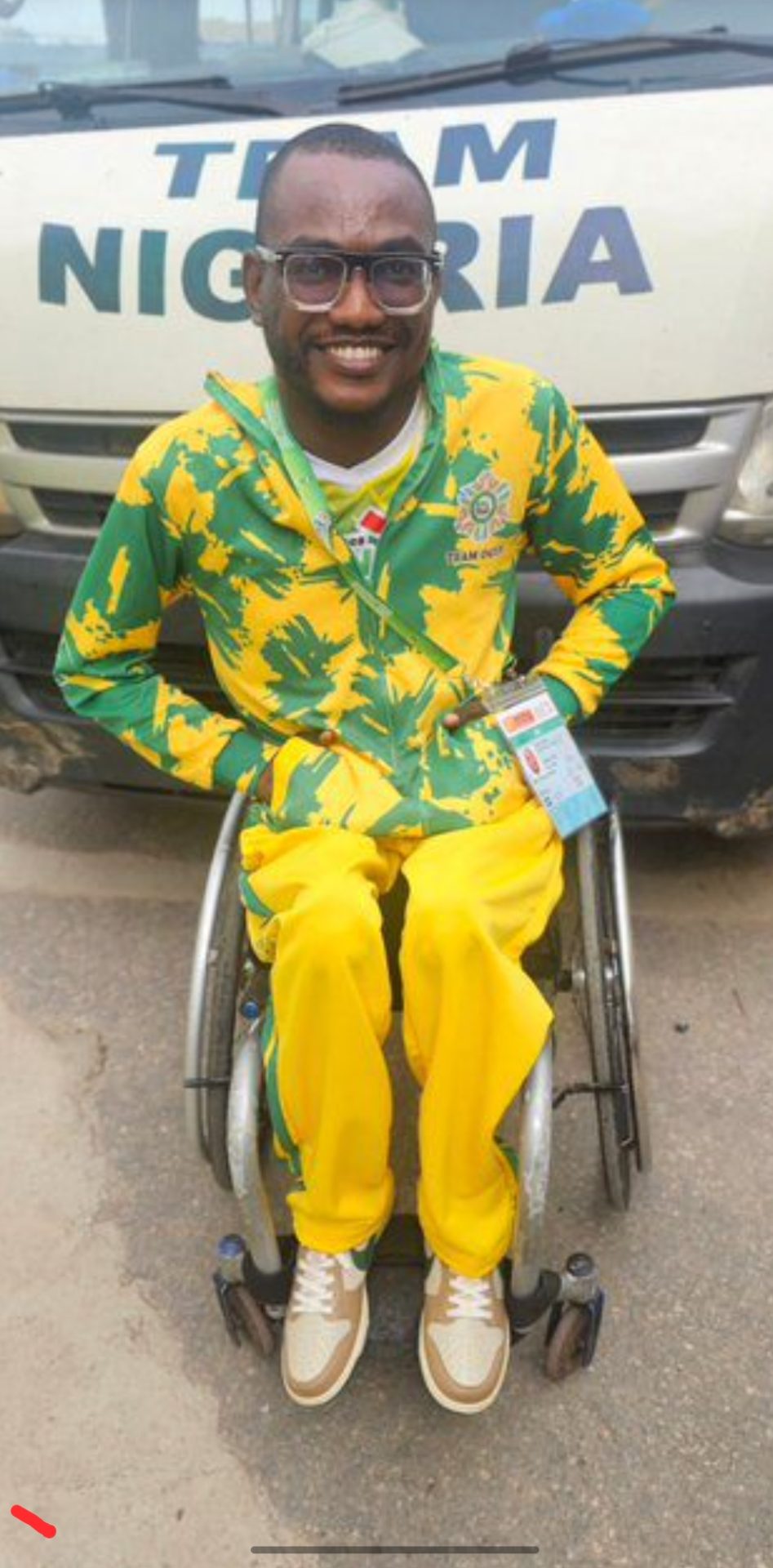
Lagos, Nigeria – A wheelchair user, Mr. Ibrahim Omotosho, has formally petitioned the Nigerian Civil Aviation Authority (NCAA) following what he described as an “unsafe, undignified, and discriminatory” experience with MAX Air at Lagos Airport.
In an open letter addressed to the NCAA Director General, Omotosho narrated his ordeal, which he said left him stranded for over three hours on the tarmac without accessible transport, in violation of Nigeria’s disability laws and international aviation standards.
According to him, MAX Air failed to provide a wheelchair-accessible bus despite multiple requests, instead offering unsafe alternatives that he flatly rejected.
“Two buses were brought at different intervals, but none was accessible for wheelchair users,” Omotosho explained. “I therefore declined to board and requested an accessible vehicle. Despite my request, I was left waiting without support. On the tarmac, I was almost pushed out of my wheelchair before being told that no accessible bus was available. I was advised to use the regular bus and offered to be lifted into it — a practice I found unsafe, undignified, and discriminatory.”
Violation of Disability Rights
Omotosho argued that the incident amounted to a clear violation of the Discrimination Against Persons with Disabilities (Prohibition) Act, 2018, which guarantees equal access to public facilities, including transport services. He also referenced Nigeria’s obligations under the United Nations Convention on the Rights of Persons with Disabilities (CRPD), which the country ratified, as well as ICAO Annex 9 Standards that mandate airlines and airports to provide adequate assistance to passengers with reduced mobility.
Contradiction to FAAN’s Assurances
The petition particularly highlights the gap between promises made by aviation authorities and the lived experiences of passengers with disabilities. The Federal Airports Authority of Nigeria (FAAN), in a recent circular, had assured travelers of full support and accessibility services.
FAAN stated:
“Passengers with disabilities, the elderly ones, and those requiring wheelchair assistance, we care about your comfort and convenience. Special arrangements are available… Wheelchair services are provided from check-in through boarding and on arrival. Dedicated staff are available to offer guidance and support… Your safety, dignity, and comfort remain our priority.”
Yet, Omotosho insists his ordeal paints a different reality. Instead of priority service, he said he was neglected, left on the tarmac, and subjected to indignity by being told he would have to be manually lifted onto a regular bus.
Call for Accountability and Action
In his petition, Omotosho urged the NCAA to hold MAX Air accountable for breaching accessibility standards and to enforce stricter compliance across the aviation sector.
“Accessible transport and facilities must always be available,” he stressed. “Not sometimes, not occasionally, but always.”
He also demanded a formal update from the NCAA on steps being taken regarding his complaint and warned that failure to act would embolden further neglect of disability rights in the sector.
The Bigger Picture
The case raises broader concerns about Nigeria’s compliance with disability inclusion laws and policies, particularly in the aviation sector where accessibility remains inconsistent. Despite legislation and promises of reform, many wheelchair users and passengers with reduced mobility continue to face barriers at airports across the country.
Omotosho’s petition, therefore, is more than a personal grievance; it is a test case for the NCAA and MAX Air to demonstrate their commitment to accessibility, dignity, and equal treatment for all passengers.
“I trust that the NCAA will take this matter seriously and ensure that no passenger with a disability is subjected to such indignity in the future,” he concluded.
Follow the The Qualitative Magazine channel on WhatsApp: https://whatsapp.com/channel/0029VanfIB50wajpjGi3JJ1G


