

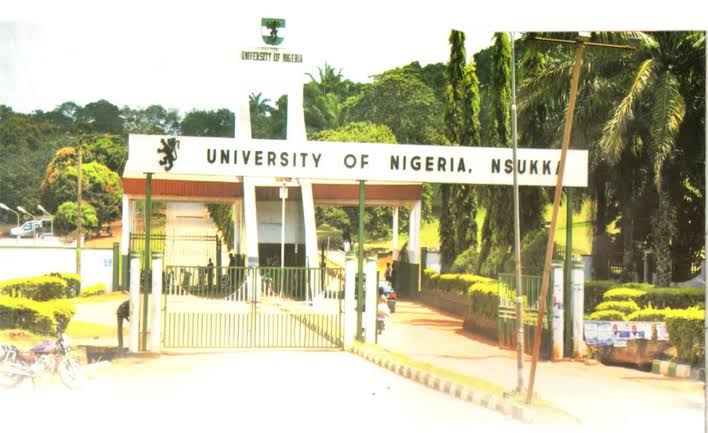
In a landmark initiative aimed at fostering inclusivity in Nigeria’s higher education sector, the Ford Foundation Research Team at the University of Nigeria, Nsukka (UNN), has launched a pioneering effort to develop a policy that safeguards the welfare of Persons with Disabilities (PwDs). This initiative is envisioned as a model for adoption across tertiary institutions in Nigeria, setting a new standard for accessibility and equal opportunities in academia.
As part of this groundbreaking effort, the research team organized a workshop to share the findings of a baseline study focused on gathering critical data to enhance educational support for PwDs. The event brought together university staff, students, and key stakeholders in a bid to raise awareness, provide specialized training, and develop actionable strategies for improving the learning environment for PwDs.
UNN’s Commitment to Inclusive Education
Speaking at the event, the Acting Vice-Chancellor of UNN, Prof. Oguejiofor Ujam, reaffirmed the university’s dedication to fostering an inclusive environment for students and staff with disabilities. Represented by the Deputy Vice-Chancellor, Prof. Romanus Ezeokonkwuo, he emphasized that UNN has consistently prioritized the welfare of PwDs through special considerations in admission processes, library services, hostel accommodations, and examination arrangements. He reiterated the university’s resolve to ensure equal opportunities for all students, regardless of their physical abilities.
“Our commitment to inclusivity is unwavering,” Prof. Ujam stated. “We have always recognized the unique challenges faced by students with disabilities and continue to implement policies that address their needs. This new initiative aligns perfectly with our vision of an academic institution where no one is left behind.”
Groundbreaking Research to Drive Policy Formulation
Prof. Anthonia Achike, leader of the Ford Foundation Research Team, shed light on the importance of the baseline study, which was funded by the Ford Foundation. She explained that the research aimed to collect reliable data on the population of PwDs within the university, their challenges, and potential areas for targeted intervention. The findings, she noted, will serve as the foundation for a comprehensive disability policy at UNN, with the aspiration that other universities across Nigeria will adopt similar frameworks.
“This research is more than just an academic exercise; it is a call to action,” Prof. Achike stated. “We are gathering the necessary data to design an effective disability policy, not just for the University of Nigeria, but for the entire Nigerian higher education system. Our goal is to create a model that can be replicated in universities across the country.”
She further stressed that the initiative would help bridge the gap in educational access and provide sustainable solutions to the challenges encountered by students with disabilities. The research team hopes that by setting a precedent, UNN will inspire other institutions to follow suit and prioritize the needs of PwDs in their policies and practices.
Students with Disabilities Speak Out
During the workshop, students with disabilities had the opportunity to voice their concerns and share their experiences. Samuel Ebifa, who represented the community of students with disabilities, expressed gratitude to the research team for their unwavering commitment to improving conditions for PwDs at UNN. He highlighted the daily struggles faced by many students, emphasizing that basic rights such as accessible infrastructure and academic accommodations are often treated as privileges rather than necessities.
“We hope that this initiative will lead to a robust policy that truly addresses the challenges we face,” Ebifa said. “Many of us struggle with accessibility issues, from lecture halls to hostels. What should be fundamental rights are often overlooked, making academic life more difficult for students with disabilities. This research and the resulting policy can change that narrative.”
The Path Forward
The workshop also featured insightful presentations on best practices for supporting individuals with disabilities, discussions on their constitutional rights, and interactive sessions on creating a more inclusive educational environment. Participants underscored the importance of institutional reforms that go beyond policy formulation to actual implementation.
At the conclusion of the event, stakeholders issued a collective call to action, urging educational institutions, policymakers, and government agencies to ensure that persons with disabilities are fully integrated into all aspects of academic and campus life. The general consensus was that inclusion should not be an afterthought but a fundamental principle guiding educational planning and administration.
With the momentum gained from this initiative, expectations are high that UNN’s disability policy will serve as a beacon of change, inspiring other universities across Nigeria to take proactive steps toward inclusivity. The research team remains optimistic that with continuous advocacy, funding, and stakeholder engagement, the vision of a truly inclusive higher education system in Nigeria can become a reality.


