

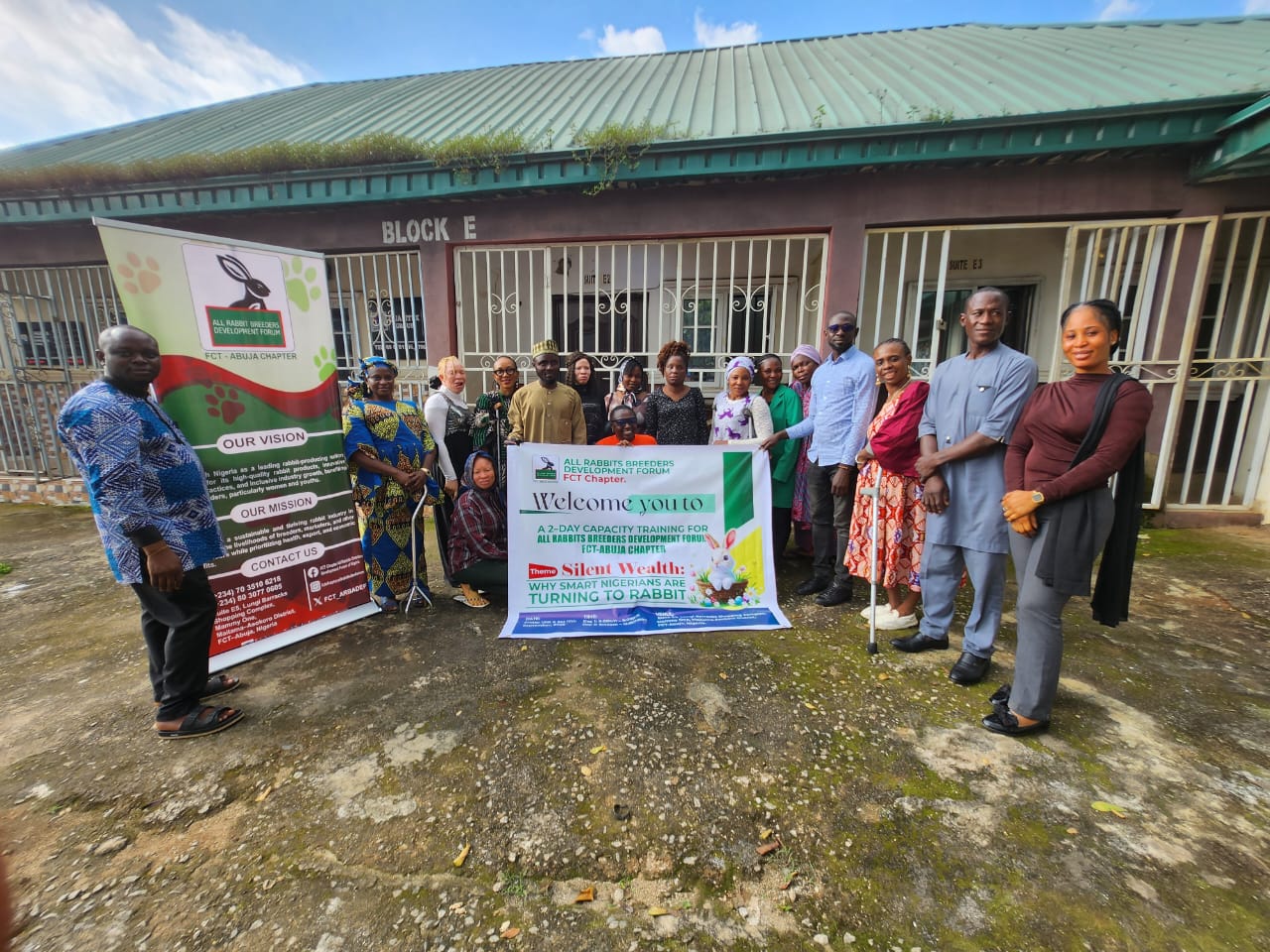
Abuja, Nigeria – Friday, September 12, 2025 — A quiet revolution is unfolding in the Federal Capital Territory (FCT) as the All Rabbit Breeders Development Forum (ARBADEF), FCT–Abuja Chapter, kicked off its highly anticipated two-day capacity-building training. The programme, themed “Silent Wealth: Why Smart Nigerians Are Turning to Rabbit,” is not just spotlighting rabbit farming as a hidden gem in Nigeria’s agricultural sector but also breaking barriers by empowering women with disabilities to become active players in agribusiness.
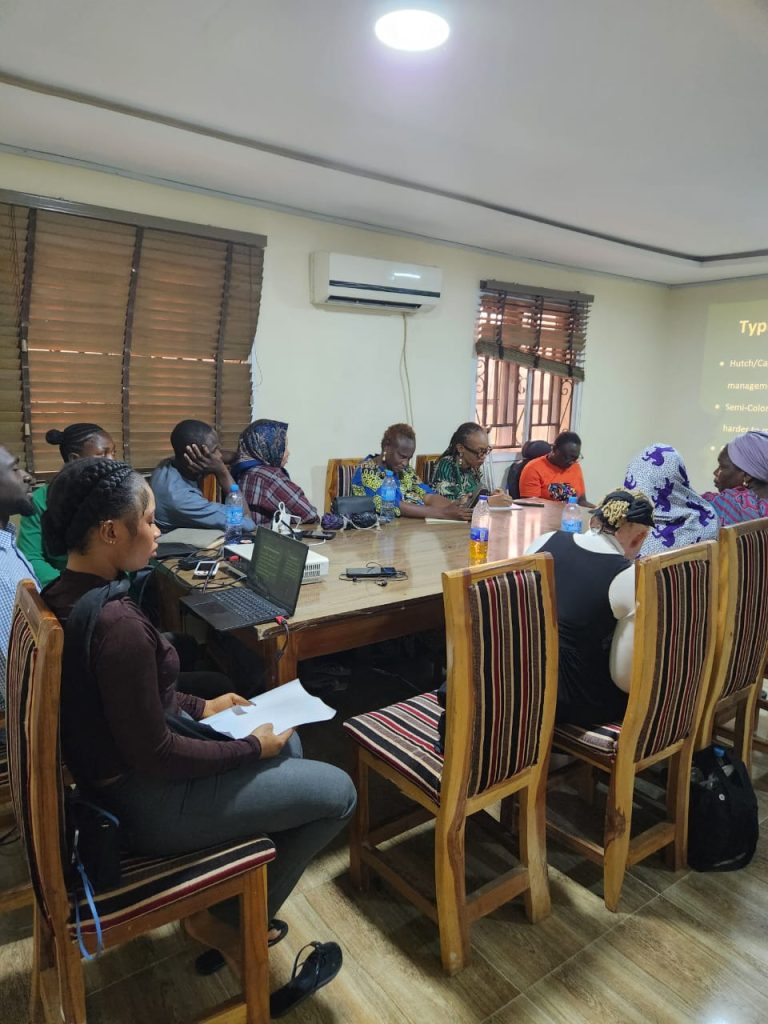
The opening day of the training, held in Abuja, drew an impressive turnout of breeders, agripreneurs, disability advocates, and stakeholders committed to unlocking new opportunities for wealth creation and food security.
A Bold Step Forward: Setting the Tone for Inclusion
Declaring the training open, the FCT–Abuja Chairperson of ARBADEF, Madam Lois Auta, delivered an inspiring welcome address that set the tone for the day. She passionately highlighted the enormous potential of rabbit farming in addressing pressing challenges such as unemployment, food insecurity, and economic hardship.
According to her, rabbit farming is no longer a small-scale hobby but a booming sector capable of transforming lives, particularly for marginalized groups. She emphasized that providing women with disabilities the tools, knowledge, and networks to succeed in agribusiness is a step toward inclusive growth.
“Rabbit farming is no longer an alternative; it is a viable path for Nigerians looking for steady income streams in a challenging economy,” Auta declared, urging participants to view the rabbit value chain as a gateway to both financial independence and social empowerment.
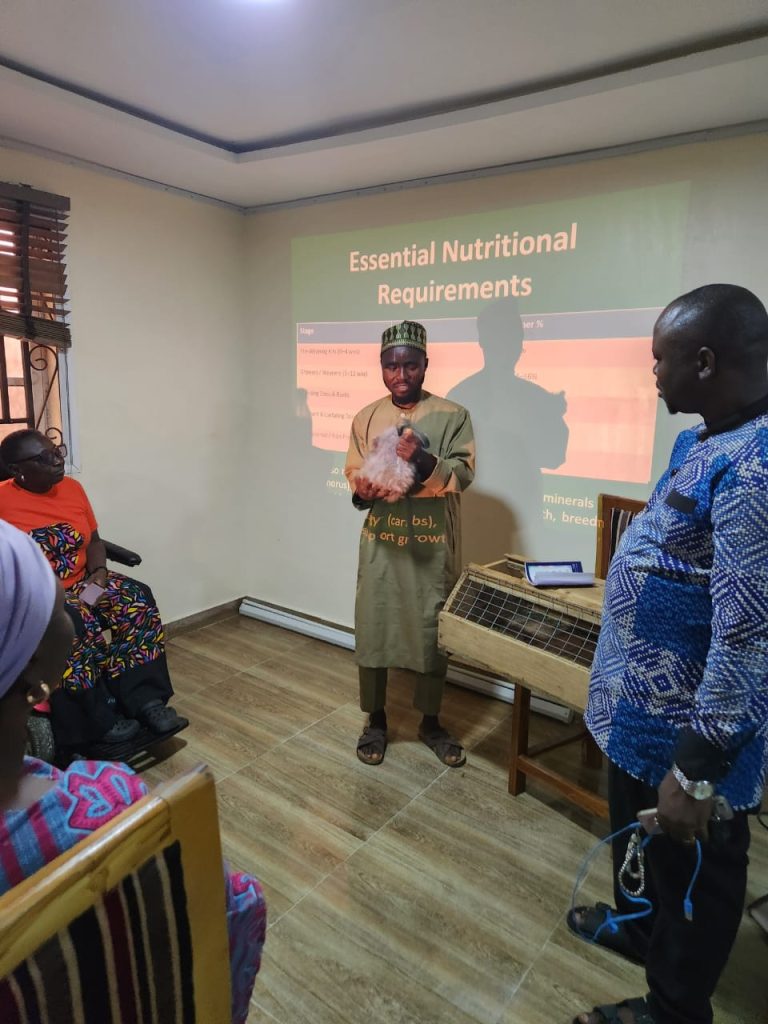
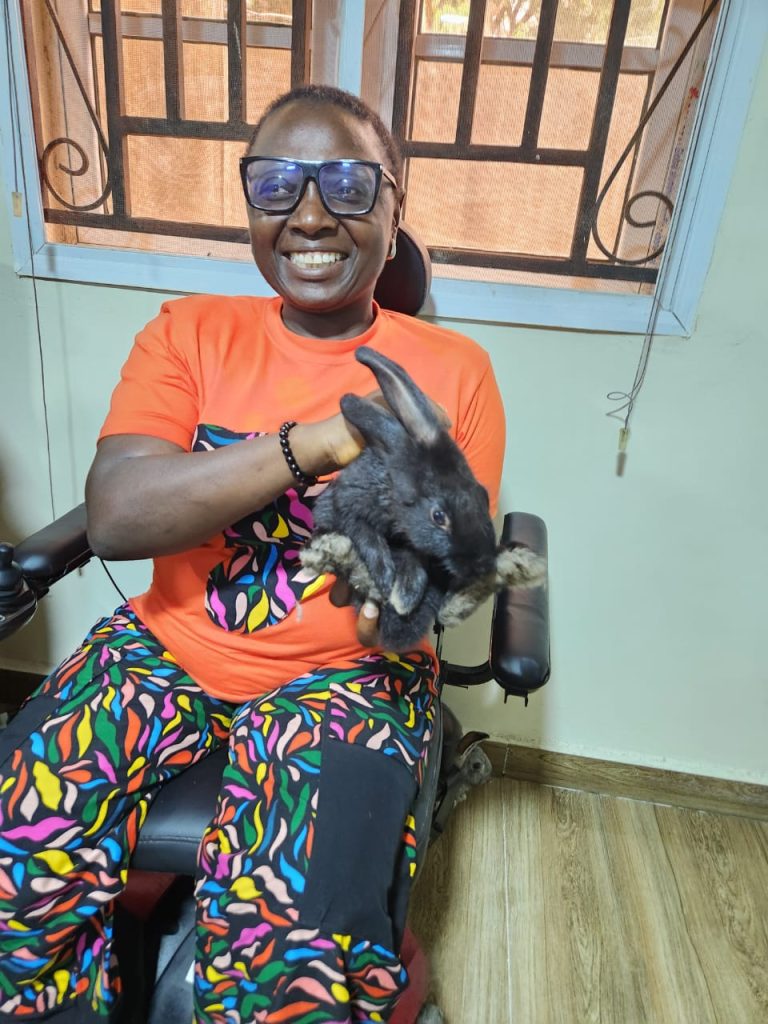
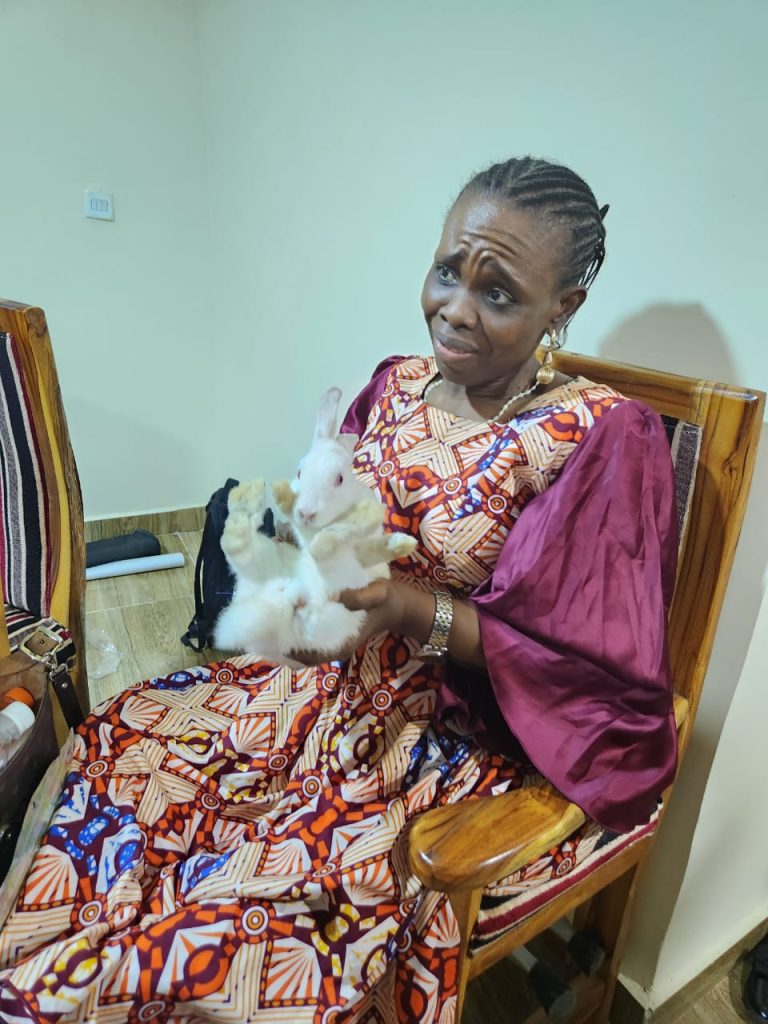
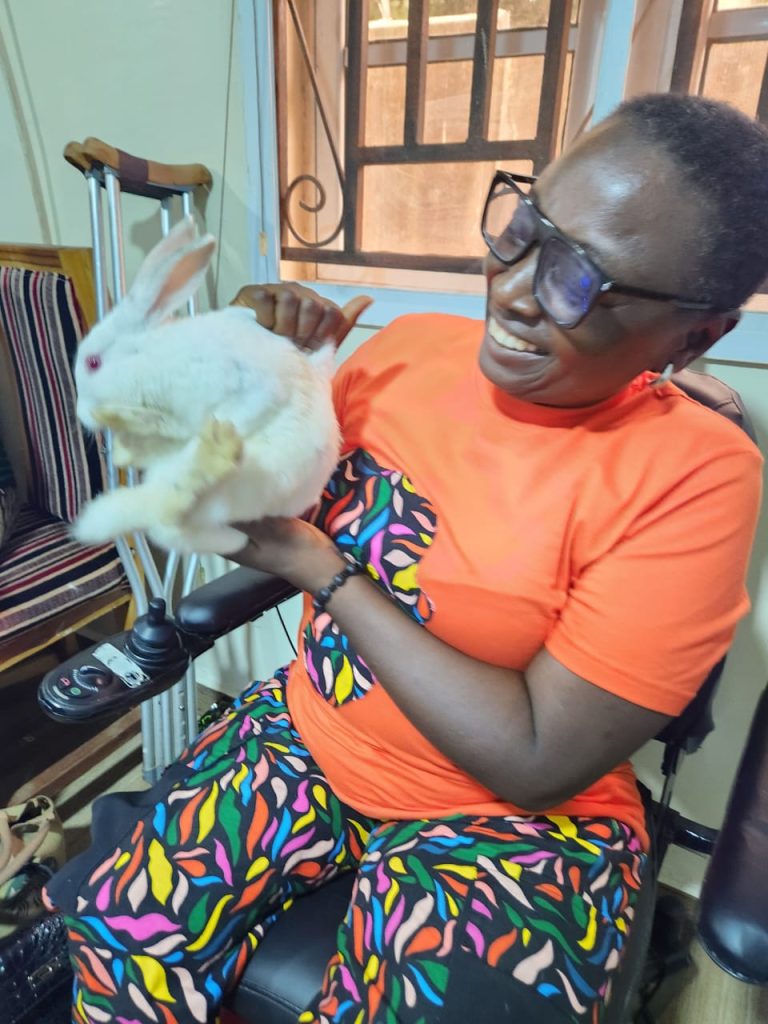
Training Day One: Blending Knowledge, Passion, and Practicality
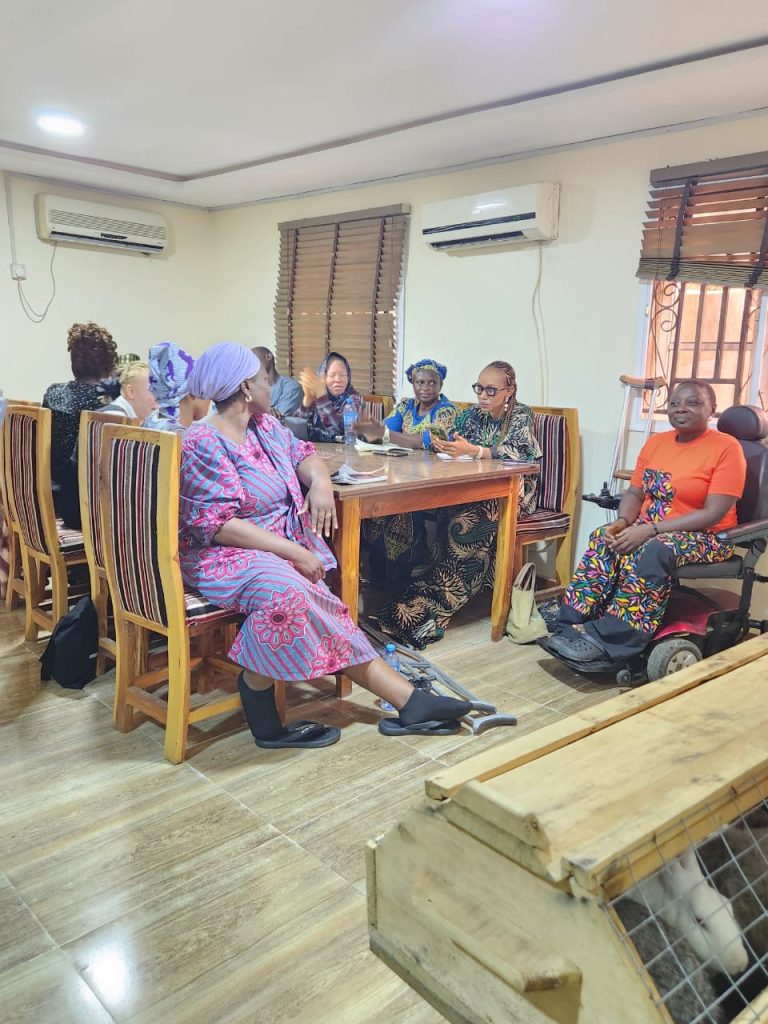
The first day of the programme was structured to maximize impact, weaving together learning, interaction, and collaboration. Participants were not passive listeners but active contributors, making the day both lively and transformative.
- Opening Session: The day commenced with prayers and a clear outline of training objectives, setting the participants on a journey of discovery and skill-building.
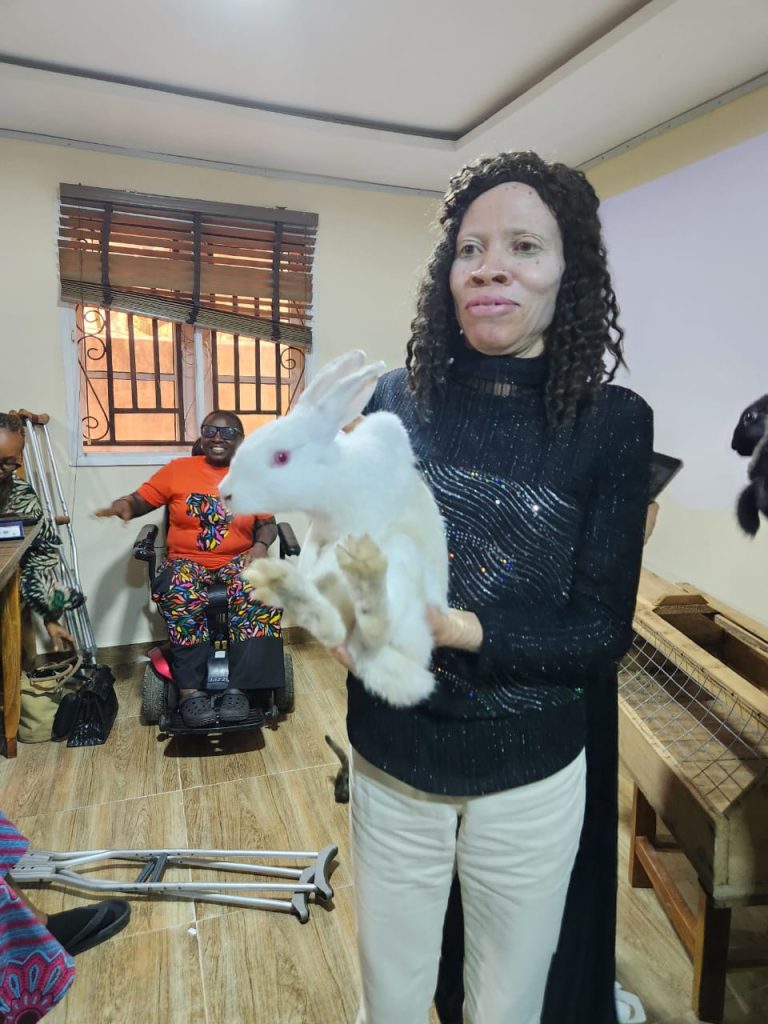
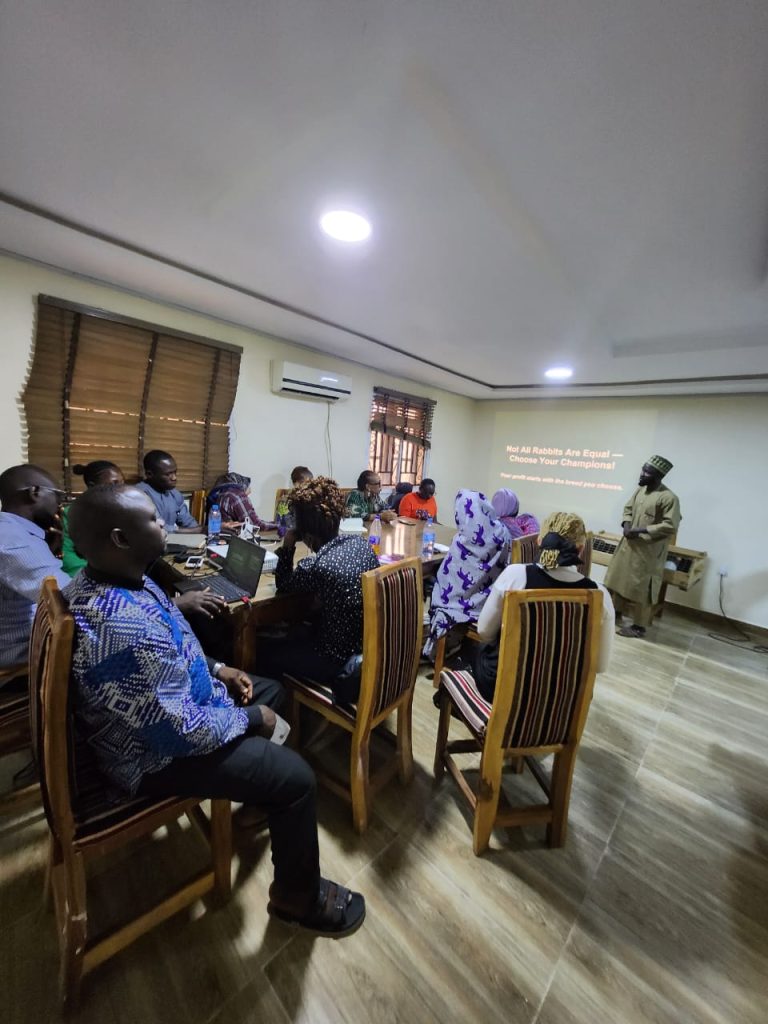
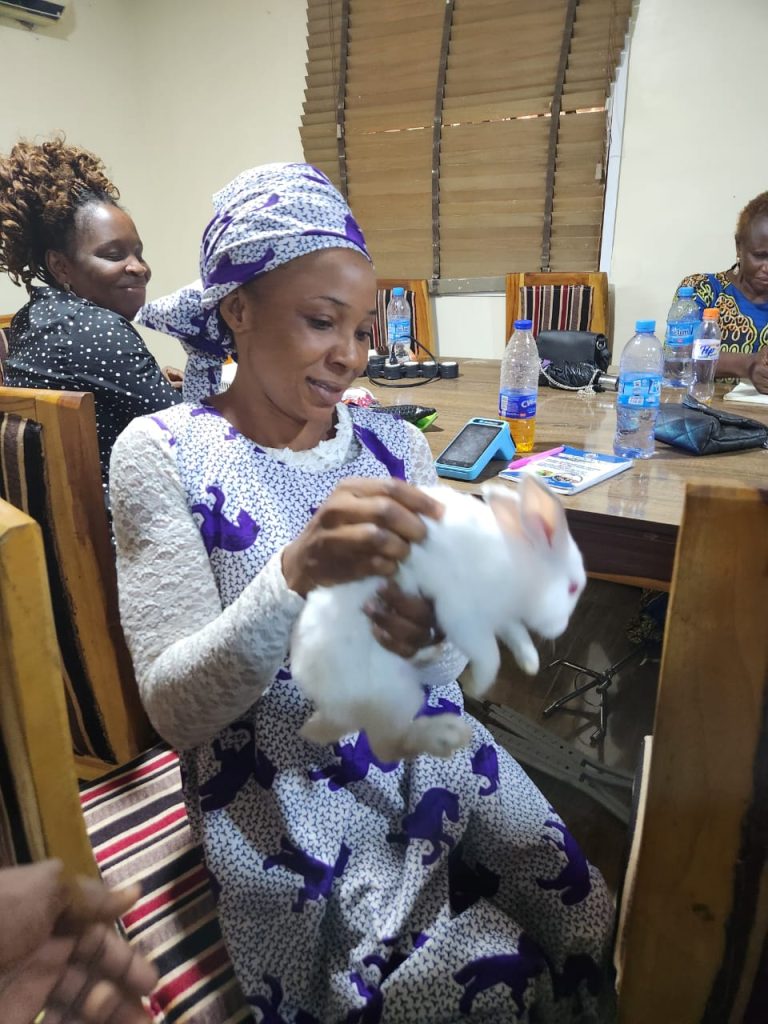
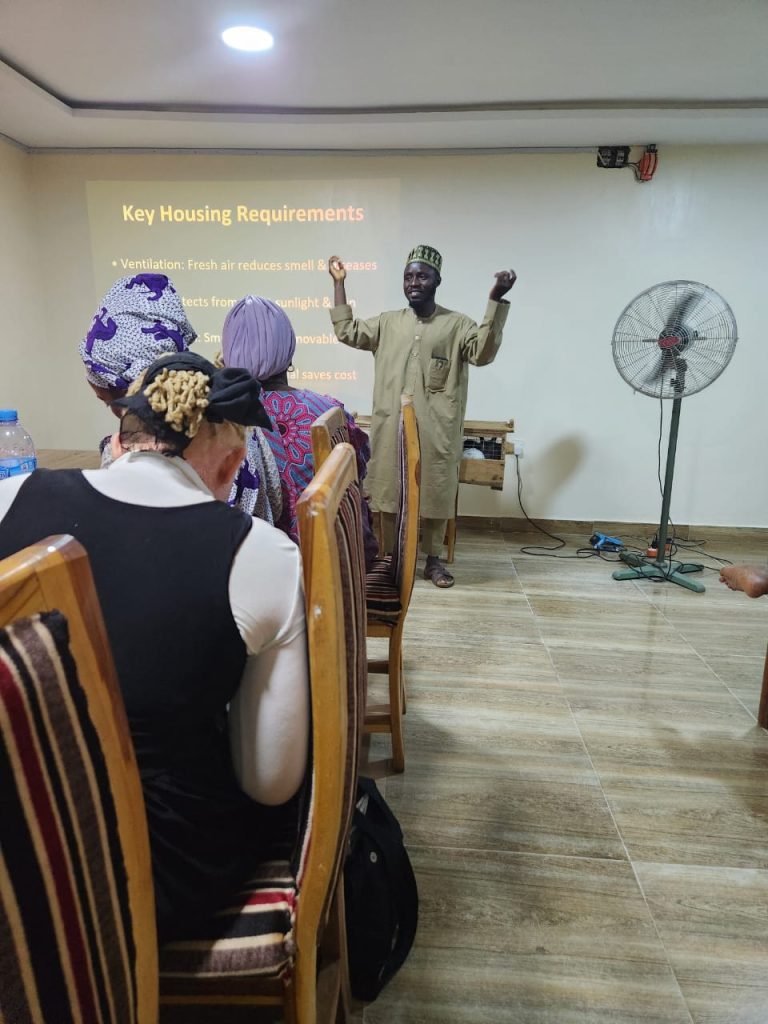
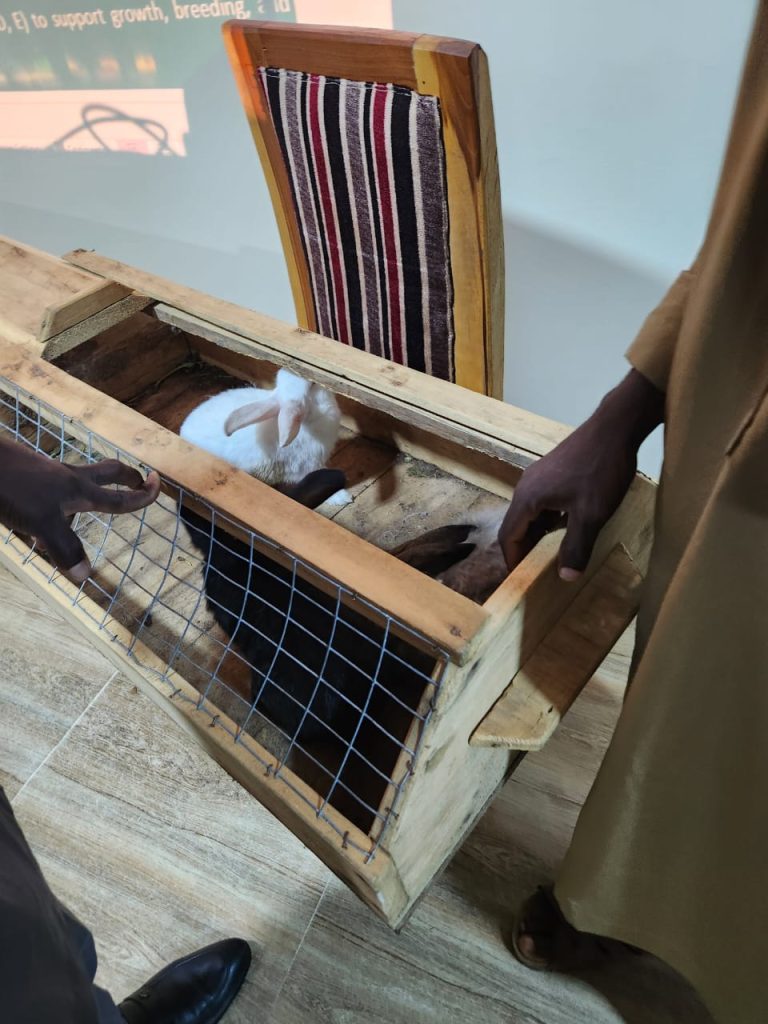
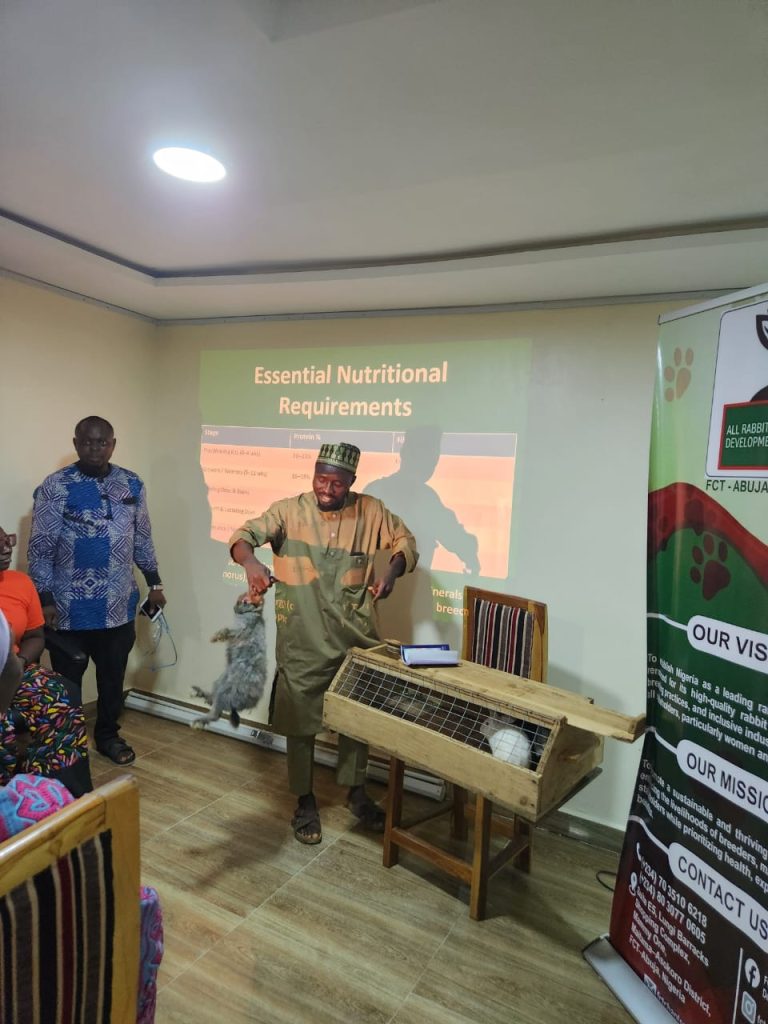
- Technical Sessions: Expert facilitators took the floor with well-prepared slide presentations, breaking down complex concepts of rabbit farming into digestible lessons. From breeding techniques to feeding systems and marketing strategies, every aspect was tackled with practical examples that resonated with the audience.
- Active Engagement: Participants eagerly engaged the facilitators with thought-provoking questions. Each inquiry was addressed with patience and clarity, reinforcing the collaborative spirit of the training.
- Learning Environment: The atmosphere was vibrant, knowledge-rich, and filled with enthusiasm. Many attendees noted that the session was unlike anything they had experienced before — a blend of serious technical learning and inspiring empowerment narratives.
- Networking Opportunities: Beyond the technical content, the training created fertile ground for new partnerships. Women with disabilities, seasoned breeders, and newcomers found common ground to share ideas and explore future collaborations.
Voices From the Field
The success of Day One was reflected in the reactions of participants, many of whom described the training as eye-opening. One participant, a young woman with a disability, remarked that the session “proved that disability is not inability” and that rabbit farming offers a pathway to independence and dignity.
Others described the experience as a “mind-opener,” underscoring the economic potential of rabbit farming not only as a business but also as a tool for social inclusion.
Looking Ahead: Day Two Promises Action and Impact
While Day One delivered rich insights and interactive learning, expectations are building for Day Two, scheduled for Saturday, September 13, 2025. The second day will feature more hands-on practical demonstrations, in-depth technical breakdowns, and the presentation of certificates to participants.
Organizers have assured that tomorrow’s sessions will solidify the knowledge gained today and give participants the confidence to translate theory into practice in their own rabbit farms.
A Vision for Inclusive Agribusiness
The training underscores ARBADEF’s commitment to reposition rabbit farming as a lucrative and sustainable agribusiness. More importantly, it shines a light on the importance of disability inclusion in agriculture, ensuring that women with disabilities are not left behind in the pursuit of economic growth.
With the overwhelming turnout, engaging sessions, and the passion displayed on Day One, Abuja’s rabbit breeders — particularly women with disabilities — are poised to harness what has been aptly described as Nigeria’s “silent wealth.”
As the curtain prepares to rise on Day Two, one thing is certain: this training is more than an event. It is a movement — a movement to equip, empower, and elevate women with disabilities into the heart of Nigeria’s agricultural transformation.
Follow the The Qualitative Magazine channel on WhatsApp: https://whatsapp.com/channel/0029VanfIB50wajpjGi3JJ1G


