Tuesday, December 16, 2025
Home Blog Page 5

NCPWD Hails Appointment of Dr. Bernard Muhammad Doro as Minister of Humanitarian and Poverty Reduction

0

— Disability Commission Pledges Stronger Collaboration for Inclusive Development

The National Commission for Persons with Disabilities (NCPWD) has congratulated Dr. Bernard Muhammad Doro on his appointment as the Honourable Minister of Humanitarian and Poverty Reduction by President Bola Ahmed Tinubu, describing the appointment as a progressive step towards deepening social inclusion and human-centered governance in Nigeria.

In a statement issued on Thursday, November 7, 2025, the Executive Secretary of the NCPWD, Hon. Ayuba Gufwan, expressed heartfelt joy on behalf of the disability community, noting that Dr. Doro’s appointment reflects the Federal Government’s sustained commitment to promoting inclusive development, social welfare, and sustainable humanitarian interventions that leave no Nigerian behind.

Hon. Gufwan described the new minister as a strategic and compassionate leader with a wealth of experience and a deep understanding of the humanitarian and social development landscape in Nigeria. He emphasized that Dr. Doro’s leadership marks a new era of innovation, coordination, and accountability within the Ministry, particularly in advancing the rights and welfare of persons with disabilities (PWDs).

“We are confident that Dr. Bernard Muhammad Doro will bring visionary leadership, empathy, and strong administrative competence to the Ministry. His appointment presents an opportunity to deepen our collaboration toward building an inclusive humanitarian response system where no Nigerian is left behind,” Hon. Gufwan said.

“The disability community looks forward to working closely with the Honourable Minister to scale national programs that enhance protection, empowerment, and equal participation of persons with disabilities in all spheres of life.”

The NCPWD boss further stated that the Commission remains ready to partner with the Ministry of Humanitarian and Poverty Reduction to strengthen existing frameworks on poverty alleviation, emergency response coordination, social protection, and inclusive community development. According to him, such partnership is crucial to achieving President Tinubu’s Renewed Hope Agenda, which places emphasis on inclusive growth and equitable access to opportunities.

Hon. Gufwan also underscored the need for sustained collaboration between government agencies, development partners, and civil society organizations to drive the implementation of inclusive policies that directly benefit persons with disabilities. He noted that the disability community represents a critical demographic whose inclusion is key to achieving national prosperity and sustainable development.

“We believe that under Dr. Doro’s stewardship, the Ministry will witness strengthened coordination of humanitarian efforts, improved national alignment of social protection systems, and innovative reforms that directly uplift vulnerable populations, including persons with disabilities,” Gufwan added.

The Executive Secretary reaffirmed NCPWD’s dedication to supporting all ongoing and emerging national efforts that prioritize empowerment, accessibility, and equitable service delivery. He said the Commission will continue to provide technical expertise, policy guidance, and collaborative support to ensure that persons with disabilities benefit fully from all humanitarian and poverty reduction initiatives across the country.

As Nigeria continues to navigate socio-economic challenges, Hon. Gufwan expressed optimism that Dr. Doro’s leadership will usher in a new wave of inclusive reforms and strategic partnerships that will bridge gaps, reduce inequalities, and promote sustainable livelihoods for marginalized communities.

The National Commission for Persons with Disabilities once again congratulated Dr. Bernard Muhammad Doro and wished him a tenure filled with impactful reforms, strengthened humanitarian systems, and measurable progress in building a Nigeria that truly works for everyone.

Follow the The Qualitative Magazine channel on WhatsApp: https://whatsapp.com/channel/0029VanfIB50wajpjGi3JJ1G

GOMBE STATE RAISES THE BAR FOR INCLUSIVE EDUCATION:Gov. Yahaya Doubles Scholarship Allowance for Students With Disabilities

0

In what can only be described as a groundbreaking step towards achieving true educational inclusion, the Executive Governor of Gombe State, Alhaji Muhammadu Inuwa Yahaya, CON, has once again proven his unwavering commitment to empowering young people and promoting equal opportunities for all.

On Tuesday, November 4th, 2025, Governor Yahaya officially flagged off the 2025 Scholarship Payment for Gombe State indigenous students in tertiary institutions. However, this year’s exercise came with a bold and inspiring twist — one that has set a new benchmark for inclusive education across Nigeria.

In a historic move, the Governor not only approved a 100% increase in scholarship support for all students but went further to double the scholarship allowance for students with disabilities, representing a 200% increase. This policy shift, unprecedented in the history of Gombe State, underscores his administration’s deep understanding of the unique challenges faced by students with disabilities in their pursuit of higher education.

Governor Yahaya’s decision was not a mere act of generosity; it was a clear statement of inclusive leadership guided by empathy, equity, and justice. By acknowledging the additional financial and logistical barriers that students with disabilities often face — from mobility constraints to assistive technology costs — the Governor has shown an exceptional sense of fairness and foresight.

Education, as the Governor often emphasizes, remains the cornerstone of social transformation. His administration’s inclusive approach is now being hailed as a model for other states to emulate. With this action, Gombe State is not just talking about inclusion — it is living it.

Even more commendable is the fact that, under the Gombe State Disability Law, signed by Governor Yahaya in 2024, students with disabilities enrolled in state-owned tertiary institutions now enjoy free education. This legislative and policy framework aligns perfectly with the principles of reasonable accommodation and inclusive education, as advocated by the United Nations Convention on the Rights of Persons with Disabilities (UNCRPD).

The Governor’s decision has been warmly welcomed by the disability community in Gombe State and beyond. Many advocates have described it as a “historic moment” that demonstrates the power of leadership rooted in compassion.

“This gesture speaks volumes about Governor Inuwa Yahaya’s heart for inclusion and his vision for a society where no one is left behind,” said one disability rights leader in the state. “By prioritizing persons with disabilities in education, he has invested in the future of equity, empowerment, and productivity.”

Observers also note that this initiative reflects Gombe State’s growing reputation as a pacesetter in social development, particularly in the areas of education, healthcare, and human capital advancement. The Governor’s inclusive governance model ensures that the most vulnerable citizens are not just seen — but heard, valued, and supported.

With this 200% increase in scholarship support for students with disabilities, Gombe State has not only reaffirmed its commitment to fairness and equal opportunity but has also sent a powerful message to other state governments: inclusion is not a privilege, it is a right.

As the scholarship disbursement begins, excitement fills the air across tertiary campuses in the state. For many students with disabilities, this policy represents more than financial relief — it symbolizes recognition, belonging, and hope.

Indeed, Governor Inuwa Yahaya’s name will be remembered not only for his achievements in governance but also for his legacy of compassion and inclusive leadership.

Once again, Gombe State leads the way — proving that when leaders choose inclusion, entire societies move forward.

Follow the The Qualitative Magazine channel on WhatsApp: https://whatsapp.com/channel/0029VanfIB50wajpjGi3JJ1G
NCPWD Celebrates Dr. Samuel Ankeli at 61: A Trailblazer Who Championed the Birth of the Disability Commission

0

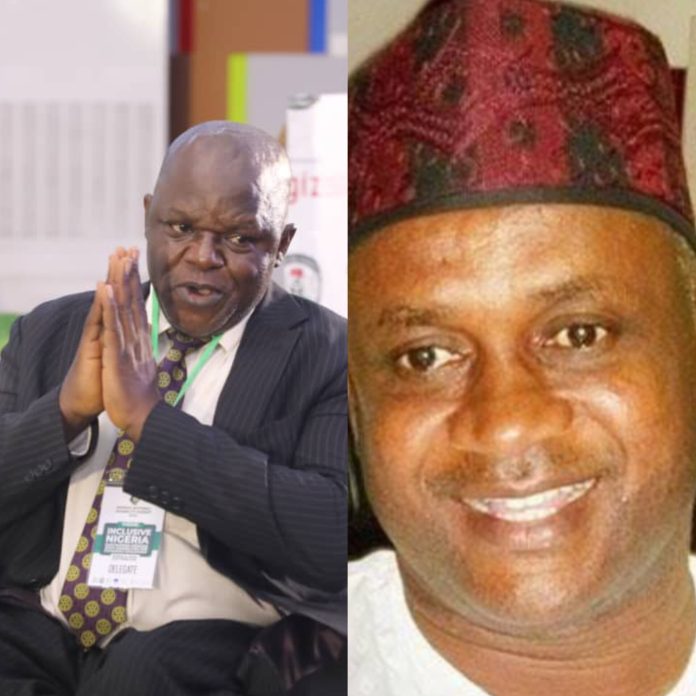
The National Commission for Persons with Disabilities (NCPWD) has joined family members, friends, and the entire disability community across Nigeria in celebrating Dr. Samuel Ode Ankeli (MON), the former Senior Special Assistant to ex-President Muhammadu Buhari on Disability Matters, as he marks his 61st birthday anniversary.

In a heartfelt message, the Executive Secretary of the Commission, Hon. Ayuba Burki Gufwan, hailed Dr. Ankeli as a visionary leader, a relentless advocate, and one of the foremost architects of disability inclusion in Nigeria. He described Dr. Ankeli as “a pioneer whose unwavering determination and courage gave birth to the National Commission for Persons with Disabilities—an enduring legacy that continues to transform lives.”

Hon. Gufwan recounted how Dr. Ankeli’s leadership and advocacy paved the way for the signing of the Discrimination Against Persons with Disabilities (Prohibition) Act in 2019, a landmark achievement that changed the trajectory of disability rights in Nigeria. According to him, Dr. Ankeli’s selfless contributions reflect his deep commitment to justice, equity, and the empowerment of persons with disabilities.

“Dr. Ankeli remains a true icon of inclusion whose dedication and leadership have shaped the disability landscape in Nigeria,” Hon. Gufwan said. “On behalf of the Management and Staff of the Commission, I extend our warmest congratulations and best wishes to him. May the Almighty God grant him many more years of good health, wisdom, and fulfillment.”

Dr. Ankeli, affectionately called ‘Baba Disability’ by many within the community, is celebrated not only for his policy achievements but also for his personal compassion and mentorship to generations of advocates. His journey from grassroots activism to national prominence remains a beacon of hope for millions of Nigerians with disabilities who now enjoy greater recognition and inclusion in national development.

Under his leadership and guidance, the disability movement in Nigeria gained unprecedented visibility, culminating in the institutionalization of disability rights through the establishment of NCPWD — the very Commission he envisioned and fought for.

Hon. Gufwan further prayed that God would continue to strengthen Dr. Ankeli with wisdom and grace to achieve greater milestones in his lifelong service to humanity and the nation.

As Dr. Ankeli turns 61, the NCPWD, disability advocates, and all Nigerians celebrate a man whose life’s work has become a cornerstone for disability inclusion and equal opportunity in Nigeria — a legacy that will continue to inspire present and future generations.

Follow the The Qualitative Magazine channel on WhatsApp: https://whatsapp.com/channel/0029VanfIB50wajpjGi3JJ1G
DISABILITY RIGHTS ACT: ENSURING EQUAL OPPORTUNITIES FOR ALL

0

By Comrade Yakubu Nazir Abdulhakeem

In a nation where justice, equity, and inclusion are enshrined in law, it remains troubling that many political leaders still act as though they are above the principles of disability inclusion. The Discrimination Against Persons with Disabilities (Prohibition) Act 2018 clearly mandates a minimum of 5% inclusion and representation for Persons with Disabilities (PWDs) in all government programs and empowerment initiatives. Yet, the reality on ground tells a different story.

A Legal Mandate Ignored

The Disability Rights Act was designed to protect and empower Nigerians with disabilities, ensuring equal access to opportunities in education, employment, governance, and social programs. Unfortunately, many politicians and policymakers either ignore or trivialize these provisions.

It is baffling that those in positions of power often behave as if they are exempt from implementing this law. Empowering persons with disabilities is not an act of charity, neither is it a political favour to win sympathy. It is a constitutional and moral obligation. Disability is not something one chooses — it is a part of human diversity, and society’s progress is measured by how it treats its most vulnerable members.

Empowerment Beyond Tokenism

Empowerment should not be seen as a favour that passes through a single individual or office. The misconception that slots or benefits for PWDs must be channelled through advocates or intermediaries is misleading and counterproductive. True inclusion means creating direct access for all PWDs to benefit from government and private initiatives without discrimination or bottlenecks.

While challenges persist, there are still leaders making commendable efforts. Hon. Sanni Egidi Abdulraheem, representing Ajaokuta Federal Constituency, and Hon. M-Big have shown notable inclusivity in their empowerment programs. Although their initiatives may not yet meet the required 5% benchmark, their recognition of PWDs’ rights to benefit from empowerment programs deserves appreciation. These examples prove that inclusive governance is achievable when there is political will and compassion.

Disability Is Everyone’s Concern

One fundamental truth our leaders must understand is that disability does not discriminate. It can happen to anyone — through illness, accident, or aging. Therefore, inclusion should not be treated as a favour extended to a minority group; it should be embraced as a shared human concern.

Empathy, not sympathy, should drive our approach. We must move from temporary gestures to sustainable inclusion — from token empowerment to structural reforms that ensure PWDs are part of decision-making processes. This includes access to education, employment, political appointments, and skill development programs.

Living Proof That Disability Does Not Define Ability

As someone who once walked, rode motorcycles, and lived without physical limitation, I can personally attest to the unpredictable nature of life. Today, I use a wheelchair, but that does not diminish my worth, my abilities, or my purpose. I continue to live a full, productive, and meaningful life. My story is a reminder that disability is not the end of the road; it is simply a different path.

Persons with disabilities deserve recognition, respect, and representation — not pity. We are capable contributors to nation-building when given the opportunity and enabling environment.

A Call to Action for Political Leaders

The call is simple: respect the law. The Disability Rights Act is not optional; it is binding. Politicians must go beyond mere acknowledgment and ensure that their empowerment programs, appointments, and constituency projects reflect the spirit of inclusion.

Disability inclusion should not depend on advocacy alone — it must be embedded in governance, planning, and implementation. Let every empowerment scheme, job creation initiative, and political opportunity reflect the diversity of our society.

Conclusion: Inclusion Strengthens Us All

When we empower persons with disabilities, we empower the nation. An inclusive society is a stronger, fairer, and more progressive one. It’s time to move from promises to action — to make inclusion not a slogan but a standard.

Let us remember: disability does not define a person’s worth; society’s response to disability defines its humanity. The time to act is now. Empowerment is not pity — it is justice.

Follow the The Qualitative Magazine channel on WhatsApp: https://whatsapp.com/channel/0029VanfIB50wajpjGi3JJ1G

Joy, Pride, and Awareness as Dwarfs Association of Nigeria Marks World Dwarfism Day in Style

0

Celebration sparks laughter, admiration, and important conversations about inclusion and acceptance

By Agbo Christian Obiora

The Dwarfs Association of Nigeria (DAN) has become the center of attention across social media after hosting a colourful and heartwarming celebration to mark the 2025 World Dwarfism Day, an annual event dedicated to raising awareness, promoting inclusion, and celebrating people living with dwarfism around the world.

The celebration, which featured music, dance, cultural displays, and advocacy, lit up timelines as videos and photos of proud members of the association dressed in vibrant, matching attires went viral online. Their message was clear and powerful — “Dwarfism is not a disability; it’s a beautiful part of human diversity.”

The event, which held in a lively and cheerful atmosphere, sought to educate the public, challenge stereotypes, and encourage respect and acceptance for persons with dwarfism in Nigeria.

“We are proud of who we are. Dwarfism is not a limitation; it’s part of human diversity that should be embraced,” one of the participants said during the event. “Our height doesn’t define our ability, and our stature doesn’t diminish our value.”

Social Media Reacts: Laughter Meets Love

As clips from the celebration surfaced online, social media platforms erupted in a mix of humour, admiration, and heartfelt support. In true Nigerian fashion, netizens didn’t hold back their creativity and wit while expressing joy and encouragement.

One particularly viral comment read:

“Ayam SHORT of words,”
a playful pun that spread quickly across Twitter, Instagram, and Facebook, earning thousands of shares and reactions.

Another user commented:

“Short of words! They’re really doing great. I wish dem greater heights.”

Yet another wrote:

“Congratulations to them! May they continue to grow higher — literally and figuratively!”

While many of the comments carried humour, the tone remained warm and respectful, with netizens commending the Dwarfs Association for spreading positivity and confidence. The online community applauded the group for turning what could have been seen as a simple awareness event into a symbol of empowerment, unity, and joy.

Awareness Wrapped in Laughter

Behind the laughter, however, lies a deeper and more profound message — one that resonates far beyond social media trends. The Dwarfs Association used this year’s celebration to remind Nigerians that persons with dwarfism deserve visibility, equality, and respect in all areas of life — from education and employment to media representation and social inclusion.

The association emphasized that dwarfism should not be viewed as a defect or disability, but rather as one of the many forms of human diversity that make society rich and vibrant. They also called for an end to stigma and discrimination, which many people with dwarfism still face in workplaces, communities, and schools.

“Our aim is not just to entertain, but to educate,” said one of the association’s executives. “We want to show the world that we are capable, intelligent, and talented individuals. What we need is acceptance and equal opportunity, not pity.”

A Celebration of Identity and Inclusion

World Dwarfism Day, celebrated every October 25, is a global observance that raises awareness about dwarfism and promotes understanding of the challenges and triumphs of people with short stature. The theme of this year’s celebration, “Pride in Every Inch,” aligns with DAN’s goal of helping its members embrace their uniqueness and live with confidence and dignity.

The colourful Nigerian celebration stood out for its blend of cultural pride and advocacy, as attendees showcased local music, traditional dance, and inspiring speeches that celebrated resilience and self-acceptance.

Observers and advocates say such public displays of unity are crucial in reshaping public perceptions and dismantling long-held prejudices about dwarfism. By combining entertainment with education, the Dwarfs Association has succeeded in turning awareness into a national conversation — one that mixes humour, humanity, and hope.

Changing Perceptions, One Celebration at a Time

As the videos continue to circulate online, the event has become more than just a social media trend — it’s a reminder of the need for a more inclusive society where everyone, regardless of height or appearance, is treated with dignity and respect.

The Dwarfs Association of Nigeria’s joyful celebration is a testament to the power of visibility and pride. It proves that when people embrace their uniqueness with confidence, they can inspire others to see ability, not difference.

In a country often divided by stereotypes, this celebration offered a refreshing moment of unity — a reminder that diversity is not a weakness, but a strength that should be celebrated.

#WorldDwarfismDay #InclusionMatters #DwarfismAwareness #CelebrateDiversity #HumanityInEveryHeight #RespectAllBodies #DisabilityInclusion #NigeriaInclusion #DifferentNotLess #PrideInEveryInch

Nigeria, UNITAR Partner to Empower Youth, Women, and Persons with Disabilities in Agribusiness Innovation

0

Stakeholders pledge commitment to inclusive skills development and sustainable growth in the agricultural sector

‘By Agbo Christian Obiora

In a major move toward transforming Nigeria’s agricultural landscape, stakeholders across the country’s agribusiness sector have renewed their commitment to strengthening multi-stakeholder partnerships aimed at youth empowerment, skills development, and inclusive economic growth.

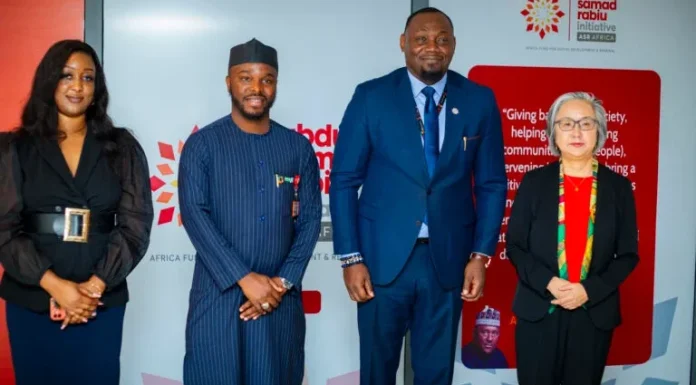
The renewed commitment was underscored in Abuja on Thursday when the Special Assistant to the President on Capacity Development (OSAP-CD), Mr. Sadiq Rabiu, received a delegation from the United Nations Institute for Training and Research (UNITAR). The meeting marked a significant milestone in preparations for the rollout of a joint initiative that promises to reshape agribusiness education and innovation in Nigeria.

Mr. Rabiu, in his statement, emphasized that the partnership with UNITAR is designed to empower Nigeria’s agripreneurs—young people, women, and persons with disabilities—to thrive in modern agriculture and value chain management.

“The initiative aims to develop a pipeline of agripreneurs equipped with the technical, entrepreneurial, and digital skills to thrive in modern agriculture and value chain management,” Rabiu stated.

According to him, the project, known as the Presidential Fellowship Initiative (PFI), will establish structured pathways that link training to finance, ensuring that participants can access funding, mentorship, and resources needed to grow and sustain their agribusinesses.

“Through UNITAR’s collaboration, we aim to ensure that youths trained under this partnership framework can seamlessly transition from training to practice—accessing the necessary financial and institutional support mechanisms for business expansion,” he added.

Rabiu noted that the partnership also aligns with President Bola Ahmed Tinubu’s commitment to youth empowerment, agricultural transformation, and inclusive prosperity through innovation-driven initiatives. He explained that the upcoming pilot phase of the PFI would combine digital learning platforms, expert-led in-person training sessions, and community-based entrepreneurship support, thereby creating an inclusive model for agricultural capacity development.

“Partnerships like this will not only open new doors of opportunity for Nigeria’s youth but also contribute to national prosperity through agribusiness innovation, job creation, and sustainable growth,” Rabiu said.

He described the collaboration as a bold step toward building a sustainable ecosystem that supports agricultural innovation, enterprise development, and employment creation for young Nigerians, especially those from marginalized and vulnerable groups.

On her part, Ms. Mihoko Kumamoto, Director, Division for Prosperity, UNITAR, expressed UNITAR’s readiness to support Nigeria in unlocking the potential of its young population and ensuring no one is left behind in the nation’s agricultural revolution.

“Nigeria is a nation brimming with promise,” she said. “We are proud to support the people of Nigeria—especially youth, women, and persons with disabilities—in unlocking their full potential and forging successful paths in the agricultural sector.”

Kumamoto emphasized that UNITAR’s collaboration will not only enhance technical and entrepreneurial capacities but also promote inclusive participation in agribusiness, ensuring that all groups, including persons with disabilities, have equal access to opportunities and resources.

The Presidential Fellowship Initiative (PFI) is structured to empower youth, women, and persons with disabilities while simultaneously strengthening local agricultural institutions across Nigeria’s six geopolitical zones. It seeks to advance digital agribusiness, entrepreneurship, and institutional capacity building with an intentional focus on inclusivity and sustainability.

The partnership is expected to drive Nigeria’s transition toward a knowledge-based agricultural economy, where technology, innovation, and inclusion intersect to create a new generation of farmers and agripreneurs.

Agriculture remains one of Nigeria’s largest employment sectors, yet many youths are still disconnected from its potential due to lack of access to modern skills, finance, and market opportunities. Initiatives such as the PFI are therefore timely, as they promise to bridge the gap between potential and opportunity, transforming agriculture into a viable and attractive pathway for national development.

As discussions continue ahead of the official inauguration of the PFI, optimism runs high among stakeholders that this partnership will spark a new era of inclusive agribusiness transformation—one where every Nigerian, regardless of gender or disability, has the opportunity to cultivate success, innovation, and self-reliance.

#AgribusinessInnovation #YouthEmpowerment #WomenInAgriculture #DisabilityInclusion #UNITAR #PresidentialFellowshipInitiative #InclusiveGrowth #AgriculturalTransformation #NigeriaRising #SkillsForProsperity

TIL Urges Nigeria Association of the Blind to Employ Mobility Officers for White-Cane Training

0

— Calls for greater empowerment and orientation for visually impaired Nigerians

By Agbo Christian Obiora

In a passionate call for greater inclusion and independence for persons with visual impairment, Total Inclusion Limited (TIL) has urged the Nigeria Association of the Blind (NAB) to employ mobility and orientation officers in all its branches across the country. These officers, the organization said, would be responsible for training blind and visually impaired persons in the effective use of the white cane, a globally recognized symbol of independence and self-reliance.

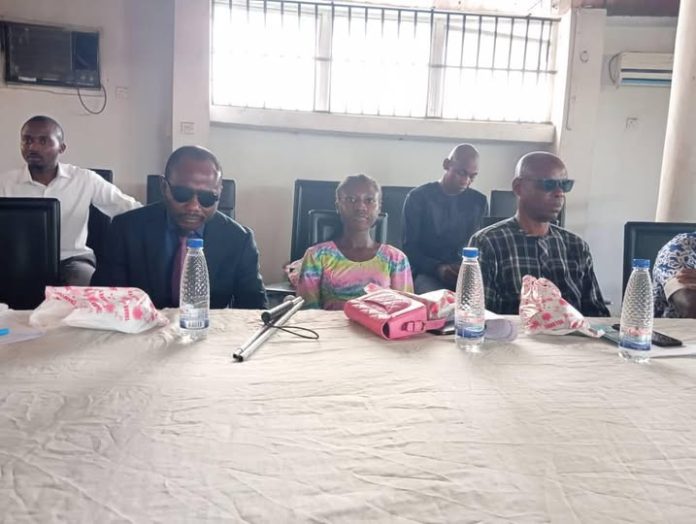
The Chief Executive Officer of TIL, Mr. David Okon, made this appeal during the 2025 International White Cane Safety Day celebration held in Uyo, Akwa Ibom State, on Thursday. The event, themed “Vision Beyond Sight,” was organized by the Akwa Ibom State branch of NAB in partnership with the Ministry of Humanitarian Affairs.

Okon, in his inspiring remarks, described the white cane as “more than just a tool for navigation — it is a symbol of independence, dignity, and empowerment for blind people.” He emphasized that the symbolic and practical essence of the white cane could be lost if those who need it most are not properly trained in how to use it.

“A white cane in the hands of a person who has not received proper mobility and orientation training is like giving someone a vehicle without teaching them how to drive,” Okon said. “That is why it is important for NAB to have trained officers in every office to guide members on the correct use of this powerful tool.”

The TIL boss further explained that proper orientation in white cane usage could also change societal perceptions and address workplace concerns. He noted that many employers often express hesitation when hiring persons with visual impairment due to fears about how such employees would commute to and from work safely.

“With proper training, a visually impaired person can confidently move from home to office, from the market to the bus stop, or even to a new environment without depending on others,” he added. “This confidence not only enhances their independence but also reassures employers that disability does not mean inability.”

Mr. Okon also called on governments at all levels — federal, state, and local — to institutionalize mobility and orientation officers within ministries and agencies that work with persons with disabilities. According to him, these officers could play a vital role in promoting community-based rehabilitation and accessibility.

“Imagine having trained officers in every local government who can teach blind persons how to navigate their community — from their homes to nearby schools, churches, markets, and hospitals. That is what real inclusion looks like,” he stressed.

He commended the Akwa Ibom State chapter of NAB for their commitment to the empowerment of persons with visual impairment and praised the Ministry of Humanitarian Affairs for its partnership in marking the White Cane Day. Okon urged other states to emulate Akwa Ibom by organizing similar awareness events that celebrate the resilience and capabilities of blind persons.

The International White Cane Safety Day, observed annually on October 15, is dedicated to recognizing the importance of the white cane as both a mobility tool and a symbol of independence for persons who are blind or visually impaired. The day also serves as a reminder to the public to respect the rights and movement of cane users on streets and public spaces.

As the event came to a close, participants echoed TIL’s call for stronger collaboration among government agencies, disability organizations, and the private sector to ensure that every person with visual impairment in Nigeria has access to the training, tools, and opportunities needed to live independently.

With voices like David Okon’s leading the charge, the message was clear: true inclusion begins when every person, regardless of disability, can move freely, safely, and confidently through society — guided not by limitation, but by empowerment.

Follow the The Qualitative Magazine channel on WhatsApp: https://whatsapp.com/channel/0029VanfIB50wajpjGi3JJ1G
#WhiteCaneDay2025 #VisionBeyondSight #DisabilityInclusion #EmpowerTheBlind #TotalInclusionLimited #NAB #InclusiveNigeria #AccessibilityForAll

Senator Natasha’s Landmark Bill for Establishment of National Autism Centers Across Nigeria, passes first reading

0

— A Bold Step Toward Inclusion, Early Intervention, and Support for Families of Persons with Autism

By Agbo Christian Obiora

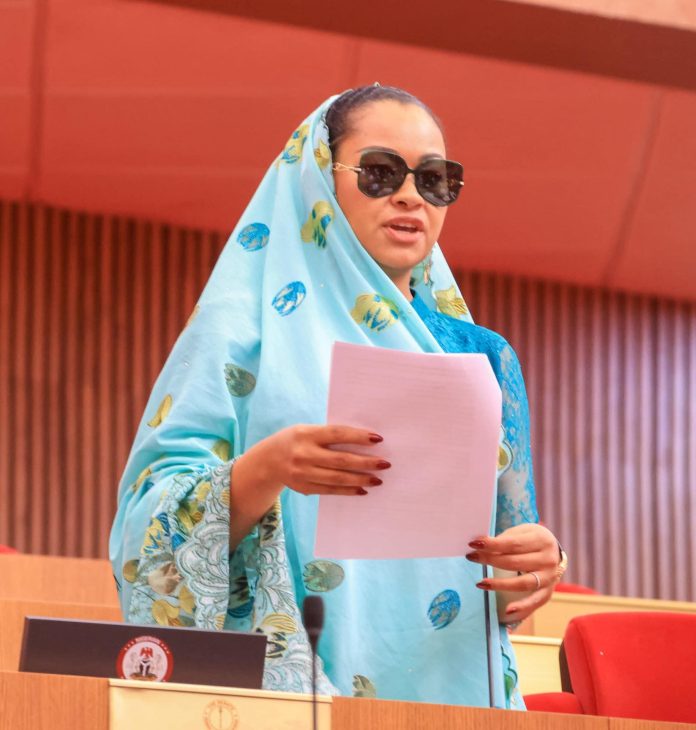
ABUJA, Nigeria — In a groundbreaking move that could transform Nigeria’s approach to neurodevelopmental disorders, the Senator representing Kogi Central Senatorial District, Senator Natasha Hadiza Akpoti-Uduaghan, has sponsored a bill for the establishment of National and Regional Centers for Autism across the country.

The proposed legislation, which has passed first reading on the floor of the Senate, seeks to institutionalize a national framework for the diagnosis, therapy, rehabilitation, and support of individuals with Autism Spectrum Disorder (ASD) — both children and adults.

A National Vision for Autism Inclusion

The bill, described by analysts as a milestone in disability and public health policy, proposes the creation of a National Center for Autism in Abuja, supported by six regional centers strategically located across Nigeria’s geopolitical zones.

These centers will provide early screening, therapy, special education, and rehabilitation services while coordinating with existing healthcare institutions to offer genetic testing, parental guidance, and early intervention programs, particularly for children under the age of five.

In addition to therapy and diagnosis, the centers will function as hubs for vocational training, skill acquisition, and employment facilitation for adults with autism — ensuring that individuals on the spectrum are not only diagnosed but also empowered to live fulfilling, independent lives.

Bridging a National Gap in Care and Awareness

Autism Spectrum Disorder has long remained an underdiagnosed and misunderstood condition in Nigeria, often leading to stigma, delayed treatment, and exclusion from education and employment. Many families continue to struggle in silence due to the absence of specialized diagnostic centers, trained therapists, and supportive structures at the national level.

Senator Akpoti-Uduaghan’s bill aims to bridge this critical gap by establishing a coordinated, government-led response to autism — one that integrates medical, educational, and social support services under a unified policy framework.

“This initiative will not only address the clinical and developmental needs of individuals with autism but also support families through education, counseling, and empowerment,” the lawmaker explained.

‘A Step Toward Inclusion and Care’ — Senator Natasha

Speaking via her verified social media handle, Senator Natasha Akpoti-Uduaghan described the bill as “a significant step toward inclusion and care”, emphasizing that every Nigerian child deserves the opportunity to thrive regardless of their neurodiversity.

She highlighted that the proposed centers would serve as research and innovation hubs, focusing on data collection, behavioral science, and evidence-based interventions that align with global best practices in autism care.

“Like Elon Musk, Bill Gates, Albert Einstein, Lionel Messi, Tim Burton, Bobby Fischer, Temple Grandin, and other autistic geniuses, every Nigerian child deserves access to specialized health and educational care as well as support,” she said.
“This bill is a promise to make that a reality.”

Her statement has since sparked widespread commendation across social media platforms, with disability rights advocates, parents of children with autism, and public health experts describing the bill as “timely, visionary, and compassionate.”

A Framework Rooted in Rights and Inclusion

The proposed legislation is deeply anchored in Nigeria’s constitutional and international obligations, particularly under the United Nations Convention on the Rights of Persons with Disabilities (UNCRPD), which Nigeria ratified in 2007. It also aligns with the Sustainable Development Goals (SDGs), especially SDG 3 (Good Health and Well-being), SDG 4 (Quality Education), and SDG 10 (Reduced Inequalities).

Furthermore, the bill complements the National Policy on Inclusive Education and the Discrimination Against Persons with Disabilities (Prohibition) Act, 2018, both of which call for accessible and inclusive systems for all Nigerians, regardless of ability.

Hope for Families and the Future of Autism Care in Nigeria

If passed into law, the National Autism Centers will be a first-of-its-kind initiative in Nigeria’s history — a move that could revolutionize how the nation understands and manages autism and related neurodevelopmental disorders.

Experts believe that beyond providing therapy and medical services, the centers could also function as training institutes for therapists, special educators, and caregivers, helping to close the gap in human resource capacity that has long hindered autism support services in the country.

The centers will also serve as national referral points for diagnosis and research, generating critical data to guide evidence-based policymaking and resource allocation for persons with autism.

A Broader Call for Legislative Support

Stakeholders in the disability and health sectors have hailed Senator Natasha Akpoti-Uduaghan’s initiative as a bold and forward-thinking intervention, urging her colleagues in the National Assembly to fast-track the bill’s passage.

Dr. Amina Sulaiman, a child development specialist based in Abuja, noted that “the bill represents more than legislation — it’s a declaration of national responsibility.”

“Families affected by autism have been left to navigate their challenges alone for too long. This bill gives hope that the government is finally ready to stand with them,” she said.

As the bill moves to its second reading, many Nigerians — particularly parents of children on the autism spectrum — are watching closely, hopeful that this marks the beginning of a new era of awareness, inclusion, and institutional support for neurodiverse citizens.

A New Dawn for Autism Advocacy

Senator Akpoti-Uduaghan, known for her advocacy for human rights, gender equality, and social justice, has once again demonstrated her commitment to policies that prioritize the dignity and potential of every Nigerian.

Her Autism Centers Bill could very well redefine how Nigeria approaches special needs education, healthcare, and social inclusion — and perhaps, inspire other African nations to follow suit.

As the Senator put it:

“Every child, regardless of their neurological differences, deserves to learn, grow, and contribute meaningfully to society. With this bill, we are building a future where no Nigerian child is left behind.”

Follow the The Qualitative Magazine channel on WhatsApp: https://whatsapp.com/channel/0029VanfIB50wajpjGi3JJ1G
Tinubu Reaffirms Nigerians’ Right to Education, Employment, and Social Protection — Says Disability Inclusion is Justice, Not Charity

0

By Agbo Christian Obiora

ABUJA, Nigeria — President Bola Ahmed Tinubu, GCFR, has declared that disability inclusion in Nigeria is not a gesture of charity but a constitutional right, a moral duty, and a measure of the nation’s progress toward sustainable development.

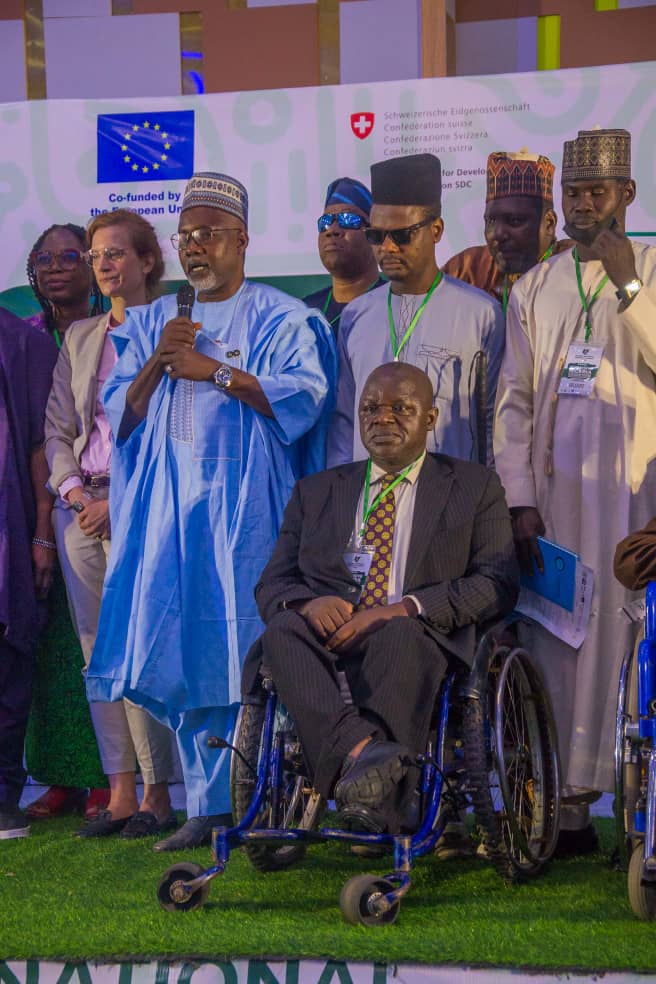
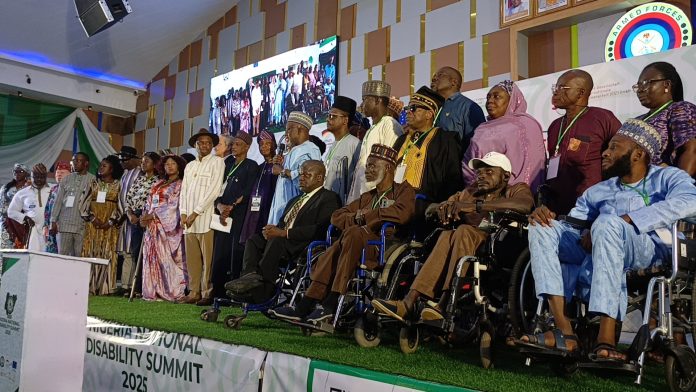
The President made this powerful statement while declaring open the 2025 National Disability Summit, held from 29th to 30th October, 2025, at the Armed Forces Officers’ Mess, Asokoro, Abuja. The landmark event, themed “Inclusive Nigeria: Empowering Persons with Disabilities for Sustainable Development,” brought together top government officials, legislators, development partners, civil society, and disability advocates from across the country.

Represented by the Honourable Minister of State for Humanitarian Affairs and Poverty Reduction, Dr. Yusuf Tanko Sanunu, President Tinubu reaffirmed his administration’s commitment to creating an equitable society where every Nigerian—regardless of physical, sensory, or intellectual ability—has equal access to education, employment, healthcare, political participation, and social protection.

“Inclusion is not just a social agenda; it is an economic and governance imperative. Around the world, evidence shows that societies that include persons with disabilities in schools and workplaces grow faster, are more innovative, and achieve stronger social cohesion,” he stated.

The President highlighted key priorities of his administration toward disability inclusion, including reducing the number of out-of-school children with disabilities, expanding access to health insurance schemes, strengthening workplace accessibility, distributing assistive devices nationwide, and enforcing the mandatory five percent employment quota for persons with disabilities.

He also commended the Executive Secretary of the National Commission for Persons with Disabilities (NCPWD), Hon. Ayuba Burki Gufwan, for his visionary leadership and relentless advocacy for disability rights and inclusion across Nigeria.

Nigeria Reaffirms Its Global Commitments

The two-day Summit, organized by the National Commission for Persons with Disabilities (NCPWD) in collaboration with the Federal Ministry of Humanitarian Affairs and Poverty Reduction, served as Nigeria’s major follow-up to the 2025 Global Disability Summit (GDS) held in Berlin, Germany.

Supported by the German and Swiss Governments, the European Union (EU) through GIZ, International IDEA via the Rule of Law and Anti-Corruption (RoLAC) Programme, Sightsavers, The Leprosy Mission Nigeria (TLMN), and RedAid Nigeria, the Summit provided a platform to evaluate Nigeria’s progress on its global disability commitments.

In his welcome address, the Executive Secretary of NCPWD, Hon. Ayuba Burki Gufwan, noted that the Summit symbolized not only reflection but also renewal and accountability in implementing Nigeria’s disability laws and policies.

“We are not here to make promises alone; we are here to assess progress, confront challenges, and strengthen accountability. True inclusion requires the participation of all—government, private sector, civil society, and persons with disabilities themselves,” he emphasized.

Gufwan announced that the Commission is developing a National Disability Action and Accountability Plan (2025–2030) to guide the cross-sectoral implementation of inclusive policies, ensuring that commitments translate into measurable action at federal, state, and local levels.

Lawmakers, Ministers and Development Partners Reaffirm Support

Delivering his keynote address, Hon. Bashiru Daudu, Chairman, House Committee on Disability Affairs, urged Nigerians to champion the enforcement of the Discrimination Against Persons with Disabilities (Prohibition) Act, 2018, to eliminate all forms of discrimination and create a society that truly embraces diversity.

“The time to act is now. Disability inclusion must move from policy to practice, from words to action,” he asserted.

Similarly, the Attorney General of the Federation and Minister of Justice, Hon. Lateef Fagbemi (SAN), represented by an Assistant Director in the Ministry, reaffirmed the Federal Government’s legal commitment to fully implementing the Disability Act and ensuring access to justice for all Nigerians.

The Minister of Women Affairs, Hajiya Imaan Sulaiman, represented by Dr. Udeme Nsikak Abia, an Assistant Director in the Ministry, commended the NCPWD for convening the Summit and inaugurating the National Forum for Disability Commissions and Agencies (NAFDCA)—a platform designed to foster synergy among state disability commissions.

She emphasized that disability inclusion must be mainstreamed in all government and development programmes, particularly in areas affecting women and girls with disabilities.

International Partners Reaffirm Commitment to Inclusive Development

In a show of global solidarity, Dr. Markus Wagner, Country Director of GIZ Nigeria & ECOWAS, reaffirmed Germany’s enduring support for inclusive development and the Berlin Declaration, which underscores the principle of “Nothing About Us Without Us.”

He revealed that through GIZ’s interventions in Nigeria, over 2,800 persons with disabilities have already benefitted from training, digital inclusion, and financial access programmes aimed at promoting self-reliance and entrepreneurship.

“We envision a world where all persons with disabilities fully enjoy their civil, political, social, and economic rights—a world where inclusion is not an act of charity but a mark of justice,” Dr. Wagner stated.

Milestone Achievement: Inauguration of NAFDCA

A major highlight of the Summit was the official inauguration of the National Forum of Disability Commissions and Agencies (NAFDCA), performed by the Honourable Minister of State for Humanitarian Affairs and Poverty Reduction, Dr. Yusuf Tanko Sanunu.

The forum will serve as a coordinating platform for all state-level disability commissions and agencies across Nigeria, promoting peer learning, accountability, and harmonized implementation of disability inclusion frameworks.

According to NCPWD, NAFDCA will enhance monitoring of the five percent employment quota, improve accessibility compliance at state and local government levels, and foster state-level reporting on Nigeria’s commitments under the UN Convention on the Rights of Persons with Disabilities (UNCRPD).

A Call for Stronger Partnerships

The Summit concluded with a resounding call for stronger partnerships between the government, private sector, media, and civil society to accelerate the implementation of the Disability Act and sustain the momentum of disability inclusion in Nigeria.

Stakeholders agreed that while Nigeria has made notable progress since the signing of the Disability Act in 2019, greater coordination, funding, and political will are required to translate policy promises into real impact for the estimated 35 million Nigerians with disabilities.

In his closing remarks, Hon. Ayuba Burki Gufwan reiterated the Commission’s resolve to continue serving as the national coordinating body for disability affairs, championing advocacy, and ensuring accountability in every sector.

“The story of inclusion in Nigeria is still being written. Together, we must ensure it becomes a story of justice, dignity, and equal opportunity for all,” he concluded.

About NCPWD

The National Commission for Persons with Disabilities (NCPWD) was established under the Discrimination Against Persons with Disabilities (Prohibition) Act, 2018, to coordinate and promote disability inclusion, enforce accessibility standards, and protect the rights of persons with disabilities in Nigeria.

Follow the The Qualitative Magazine channel on WhatsApp: https://whatsapp.com/channel/0029VanfIB50wajpjGi3JJ1G
Nigeria Charts a New Course for Disability Inclusion: NCPWD Hosts Landmark National Disability Summit in Abuja

0
0-0x0-0-0-{}-0-0#

By Agbo Christian Obiora | Abuja

In a bold move to turn global commitments into real, measurable change for Persons with Disabilities (PWDs), the National Commission for Persons with Disabilities (NCPWD) has convened a two-day National Disability Summit in Abuja.

The summit, which ran from Wednesday to Thursday, brought together key national and international stakeholders under the powerful theme:
“From Commitments to Action: Advancing Disability-Inclusive Development and Governance in Nigeria.”

Coming on the heels of the 2025 Global Disability Summit (GDS) held in Berlin, Germany, the Abuja summit served as Nigeria’s response platform to assess its progress, renew commitments, and design actionable strategies for implementing disability-inclusive development across all sectors of governance.

“From Promises to Progress” — Executive Secretary Ayuba Burki Guywan

Declaring the event open, the Executive Secretary of NCPWD, Hon. Barr. Ayuba Burki Guywan, set a firm tone for the two-day engagement. He emphasized that the era of mere promises was over, calling for genuine accountability and tangible results.

“We are here to assess progress, confront challenges, and strengthen our collective accountability,” Guywan stated. “Nigeria’s commitments at the global level must translate into visible, measurable improvements in the lives of persons with disabilities back home.”

Guywan noted that Nigeria has been an active participant in every Global Disability Summit since 2018, consistently reaffirming its commitment to the United Nations Convention on the Rights of Persons with Disabilities (UNCRPD) and the Discrimination Against Persons with Disabilities (Prohibition) Act, 2018.

He revealed that several frameworks have already been developed — including those for accessibility, inclusive education, employment equity, and access to work. However, he stressed that the real success of these frameworks depends on collaboration among all stakeholders — government ministries, departments and agencies (MDAs), civil society organizations, the private sector, the media, and PWDs themselves.

“True inclusion requires the active participation of every stakeholder,” he said. “This summit is about moving from dialogue to delivery.”

“Inclusion Is About Justice” — GIZ Country Director, Dr. Markus Wagner

Representing Germany’s development cooperation agency, Dr. Markus Wagner, the Country Director for GIZ Nigeria & ECOWAS, reiterated that inclusion is not a favour but a right.

“Inclusion is not an act of charity but a matter of justice, respect, and dignity,” Wagner declared.

He noted that Germany’s hosting of the 2025 Global Disability Summit culminated in the Amman-Berlin Declaration, which commits nations to ensuring that at least 15% of all development interventions directly advance disability inclusion by 2028.

Dr. Wagner further disclosed that GIZ Nigeria has already reached over 2,800 persons with disabilities through interventions in vocational training, digital inclusion, and livelihoods support.

“Accessibility is not just about ramps; it’s about creating opportunities and ensuring full participation,” he added, emphasizing that sustainable development is impossible without inclusion.

Lawmakers Join the Call for Stronger Legislative Support

Adding her voice, Senator Ireti Kingibe, the distinguished senator representing the FCT, praised the momentum gained on disability inclusion in recent years but stressed the need for sustained political will.

“This is no longer the era of leaving no one behind just in words — we must act,” she stated. “It is time for the National Assembly to establish a standing committee to address disability issues, just as we have for women and youth.”

She also made a passionate case for women with disabilities, highlighting their unique challenges and the urgent need for increased opportunities in employment, education, and political participation.

“Women with disabilities must be empowered to thrive. Their voices matter, and their contributions can shape a more inclusive society,” she added.

Collaborative Efforts and Forward-Thinking Discussions

The summit brought together a diverse array of stakeholders — including Organizations of Persons with Disabilities (OPDs), Civil Society Organizations (CSOs), government agencies, and private sector representatives — all united by a shared goal: advancing disability-inclusive development.

Engaging panel sessions explored critical topics such as state-level implementation of disability laws, monitoring and evaluation frameworks, accessibility innovations, and financing mechanisms for inclusion. Participants shared success stories, challenges, and opportunities for synergy between national and subnational disability commissions.

Highpoint: Inauguration of the National Forum of Disability Commissions and Agencies

The climax of the two-day summit was the inauguration of the National Forum of Disability Commissions and Agencies, a groundbreaking platform designed to foster coordination, peer learning, and unified advocacy across Nigeria’s 36 states and the FCT.

The forum was inaugurated by Hon. Dr. Yusuf Tanko Sununu, Minister of State for Humanitarian Affairs and Poverty Reduction, who represented President Bola Ahmed Tinubu at the event.

Dr. Sununu commended the NCPWD for its leadership and reiterated the federal government’s commitment to mainstreaming disability inclusion in all its poverty reduction and human capital development initiatives.

“This forum marks a new era of collaboration and coherence,” he said. “President Tinubu’s administration recognizes that disability inclusion is not a side issue—it is central to achieving national development.”

A Roadmap for the Future

As the summit concluded, stakeholders reached a consensus to develop and adopt a National Disability Action and Accountability Plan (2025–2030) — a comprehensive framework to guide inclusive policies, monitor progress, and hold all actors accountable.

With renewed energy, strong partnerships, and a clear roadmap, the National Disability Summit 2025 stands as a milestone in Nigeria’s journey toward full inclusion — from commitments to concrete action, from policy to practice, and from promises to progress.

Follow the The Qualitative Magazine channel on WhatsApp: https://whatsapp.com/channel/0029VanfIB50wajpjGi3JJ1G