

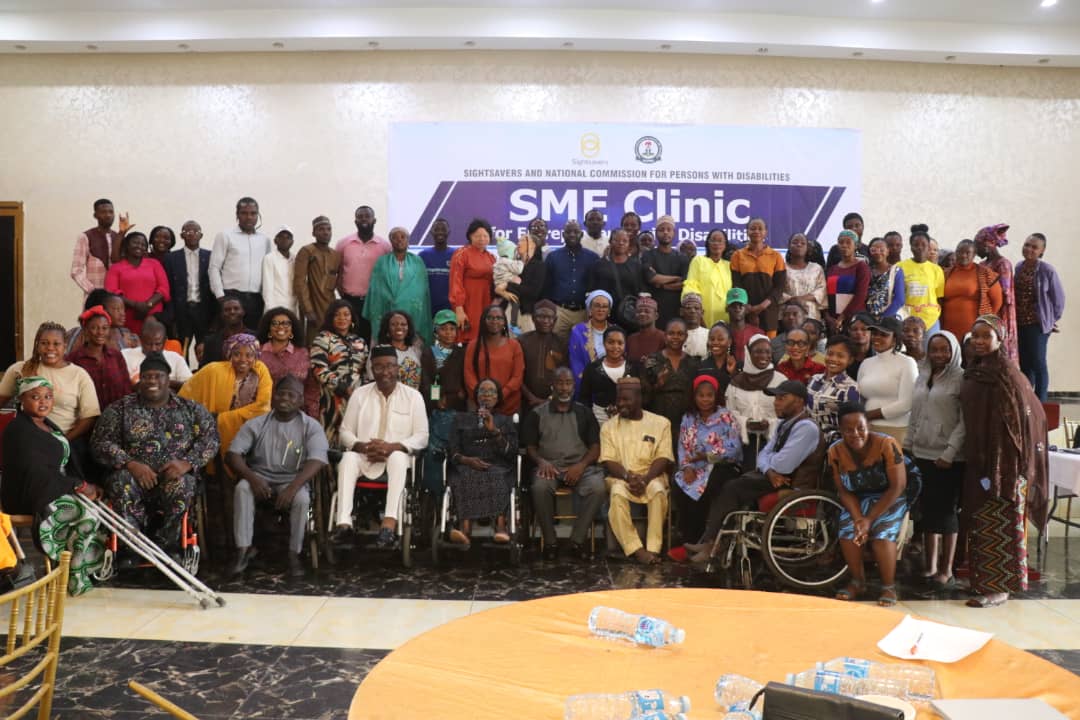
Abuja, Nigeria – June 20, 2025 — In a landmark initiative aimed at dismantling economic barriers and promoting inclusive entrepreneurship, the National Commission for Persons with Disabilities (NCPWD), in strategic collaboration with Sightsavers Nigeria, has empowered a new wave of entrepreneurs with disabilities through a transformative two-day Small and Medium Enterprise (SME) Clinic.
Hosted at the Exclusive Serene Hotel in Abuja, the SME Clinic brought together participants from diverse disability clusters across Nigeria, marking a bold step forward in the journey toward economic empowerment, equity, and inclusion.
Equipping Entrepreneurs with Disabilities for the Future
The SME Clinic was more than a training session—it was an intensive, hands-on experience designed to enhance the entrepreneurial capacities of Persons with Disabilities (PWDs), equipping them with vital tools, market knowledge, regulatory guidance, and valuable business networks required to build sustainable enterprises in the Nigerian economy.
From business planning and regulatory compliance to branding, product quality, and digital marketing, participants engaged in interactive sessions tailored to bridge the knowledge and opportunity gaps that often leave PWDs at the margins of economic development.
A Commitment to Breaking Barriers
In his keynote address, Hon. Ayuba Gufwan, the Executive Secretary of NCPWD, delivered a passionate call for action, reiterating the Commission’s commitment to creating an enabling environment where no one is left behind—especially in matters of economic participation.
“Our goal is to ensure that persons with disabilities are not just included but empowered to be self-reliant contributors to the nation’s economy,” Hon. Gufwan stated.
“This clinic is one of many interventions we will be rolling out to ensure that entrepreneurship becomes a viable, rewarding path for persons with disabilities in Nigeria.”
Gufwan further lauded the enduring partnership with Sightsavers Nigeria, commending their unwavering support and advocacy for disability rights and economic inclusion.
Sightsavers: Championing Inclusive Economic Growth
Speaking on behalf of Sightsavers Nigeria, Mrs. Esther Bature, the Country Advocacy Coordinator, emphasized the importance of economic initiatives that are inclusive by design and transformative in impact.
“SMEs are the backbone of any economy. By supporting persons with disabilities to become successful entrepreneurs, we’re not only fostering personal development but also driving job creation, innovation, and community resilience,” Bature affirmed.
“At Sightsavers, we believe that inclusive economic empowerment isn’t just a goal—it’s a necessity for any society that truly values equity and dignity.”
Her words echoed a growing consensus that empowering PWDs through entrepreneurship is both a moral obligation and a strategic imperative for national development.
Government Applauds the Initiative
The clinic received strong backing from the Federal Government. Representing the Honourable Minister of Labour and Employment, Mrs. Ngozi Florence Onyeani, Director of Labour and Social Security, delivered a goodwill message that reaffirmed the Ministry’s alignment with the goals of the clinic.
“This initiative directly aligns with our mandate to promote inclusive employment and socio-economic empowerment for all Nigerians, particularly for vulnerable groups like persons with disabilities,” Onyeani said.
“We commend the NCPWD and Sightsavers for demonstrating leadership and impact through this program.”
She noted that economic empowerment of PWDs must be embedded into national development planning, with strong inter-agency collaboration to scale such impactful interventions.
Regulatory and Advisory Support: From Idea to Implementation
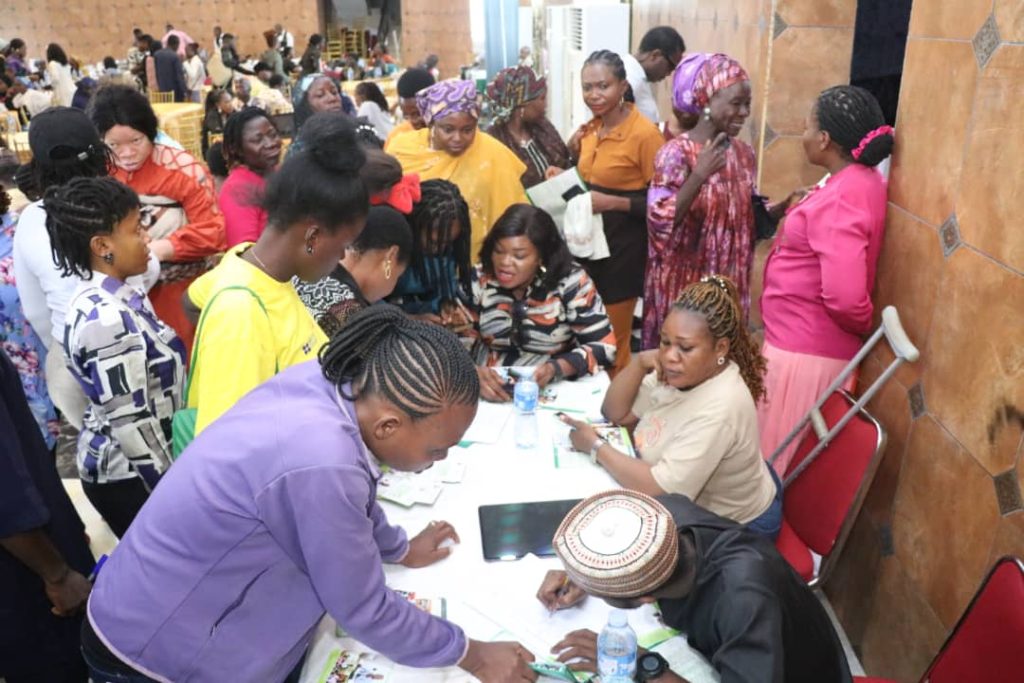
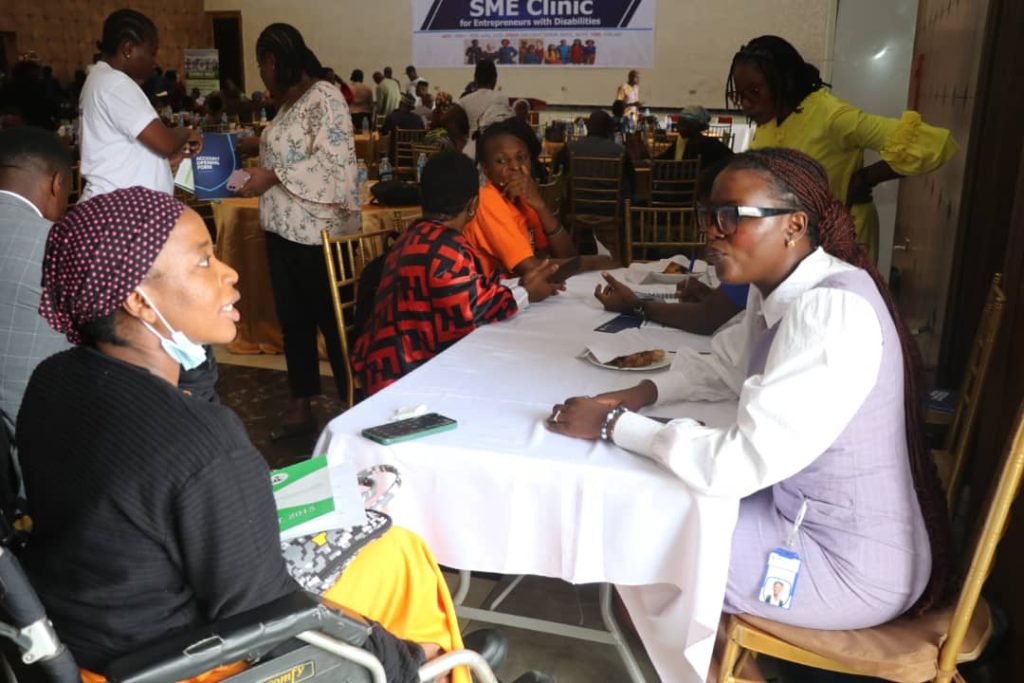
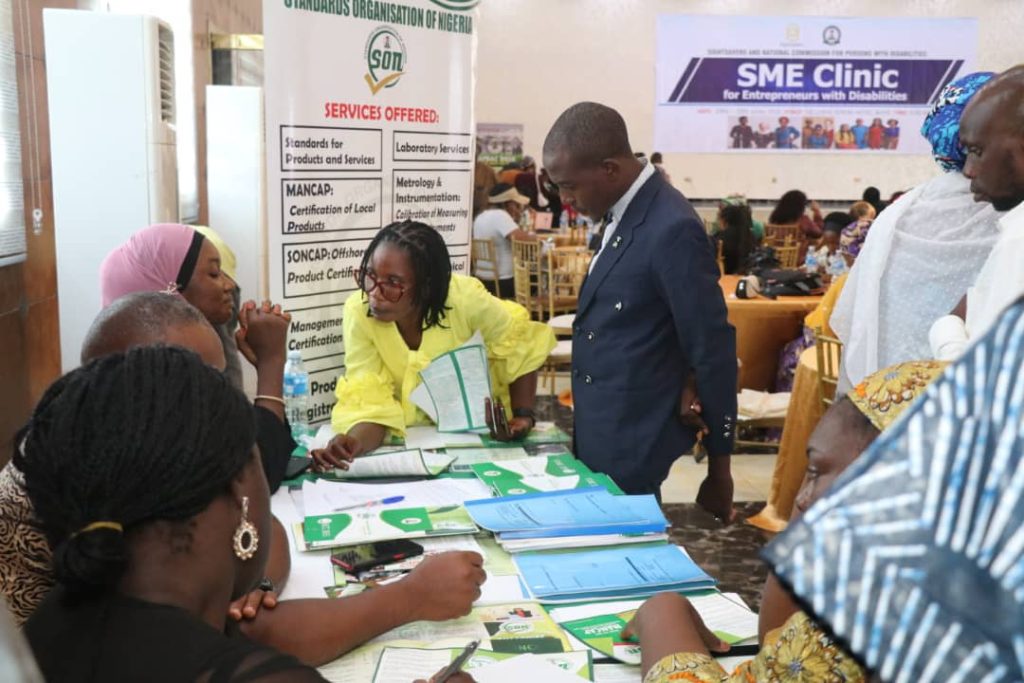
One of the most impactful elements of the clinic was the presence of key business regulatory and development agencies, who provided real-time advisory services to participants. These included:
- Corporate Affairs Commission (CAC) – Facilitating formal registration of businesses, providing guidance on compliance and structure.
- Standards Organisation of Nigeria (SON) – Educating entrepreneurs on product standards, quality assurance, and certification processes.
- National Agency for Food and Drug Administration and Control (NAFDAC) – Providing pathways for food and product entrepreneurs to access market approvals.
- Small and Medium Enterprises Development Agency of Nigeria (SMEDAN) – Offering business development support, mentorship opportunities, and access to MSME funding schemes.
- STANBIC IBTC – Providing prompt banking services to the entrepreneurs.
The integration of these agencies underscored the clinic’s holistic approach—ensuring that participants left not only with ideas and motivation but with practical tools and clear pathways to formalize, grow, and sustain their businesses.
Entrepreneurs Speak: From Margins to Markets
In a deeply engaging closing session, participants shared their journeys—stories of resilience, creativity, and determination in the face of systemic barriers. From fashion designers and agro-processors to beauty product creators and ICT enthusiasts, the entrepreneurs voiced a shared hunger for opportunity, visibility, and support.
Challenges such as limited access to funding, discrimination, mobility barriers, and lack of tailored mentorship emerged as key themes. Yet, the SME Clinic ignited new hope, as many participants described the program as a “turning point” in their entrepreneurial journeys.
Building the Future of Inclusive Economies
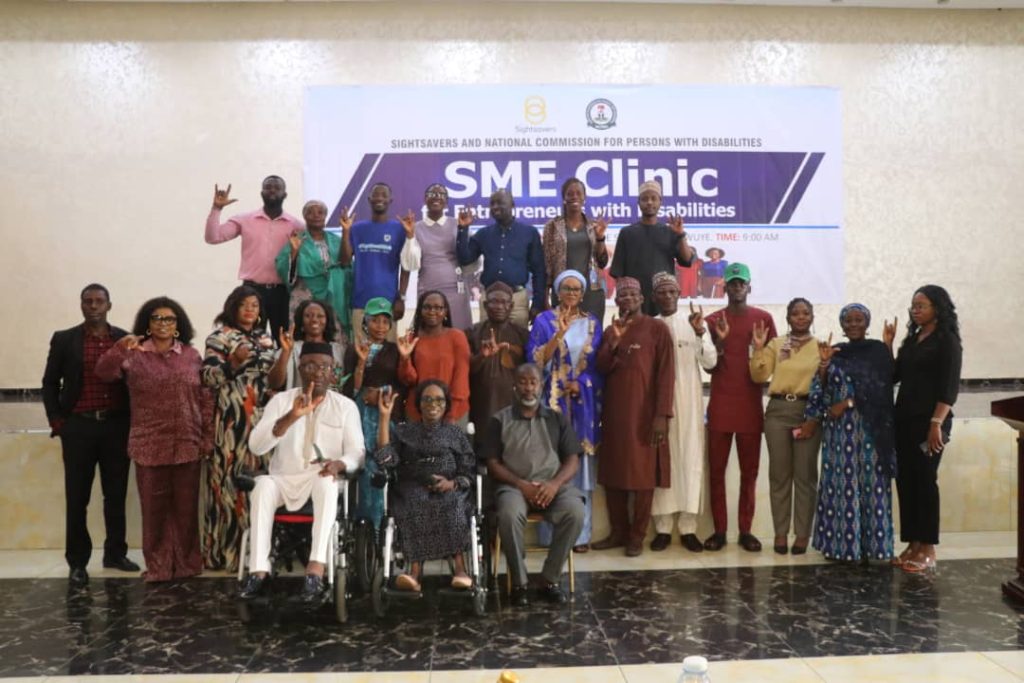
As the two-day clinic came to a close, stakeholders—ranging from government representatives to development partners—unanimously reaffirmed their commitment to building a Nigeria where disability is not a limitation but a source of innovation, resilience, and enterprise.
The NCPWD announced plans to scale up the SME Clinic across Nigeria, working in tandem with Sightsavers and other partners to create a network of empowered, economically active PWDs who will not only lift themselves out of poverty but also drive community growth.
Final Thoughts
The success of the SME Clinic demonstrates that with visionary leadership, strategic partnerships, and inclusive policies, persons with disabilities can be powerful agents of economic transformation. It is a call to all sectors—public, private, and civil society—to ensure that PWDs are not only included in the conversation but are equipped, empowered, and elevated to shape Nigeria’s future.
As the momentum continues, the voices and businesses born out of this initiative will no doubt echo across markets, communities, and policy spaces, proving that disability is not inability, and inclusion is a path to prosperity for all.


