

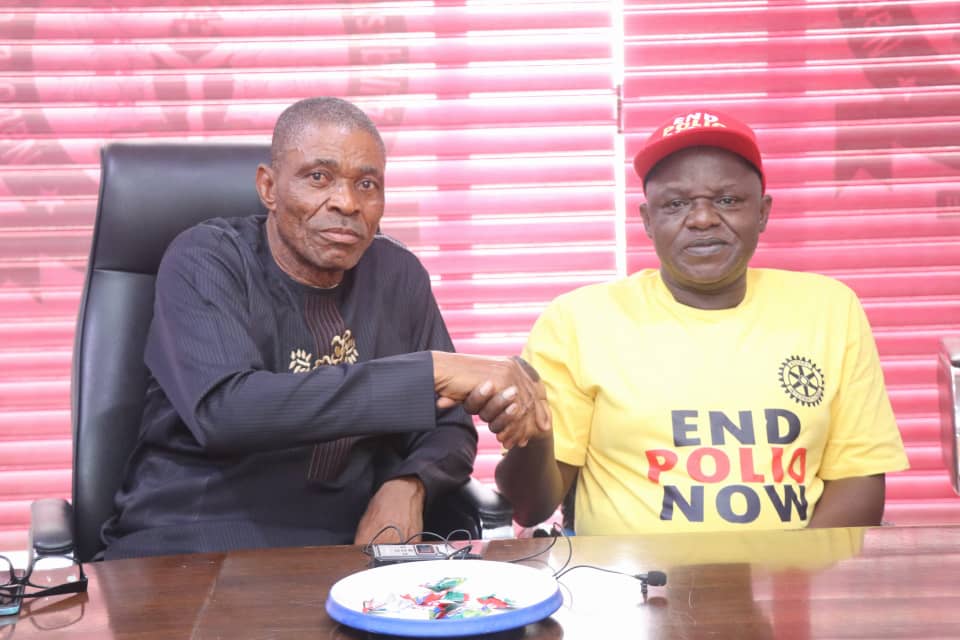
In a landmark move to transform the economic landscape for Persons with Disabilities (PWDs) in Nigeria, the National Commission for Persons with Disabilities (NCPWD) has announced a strategic partnership with the Peace for Humanity Foundation to establish ₦70 billion farm cities across the country.
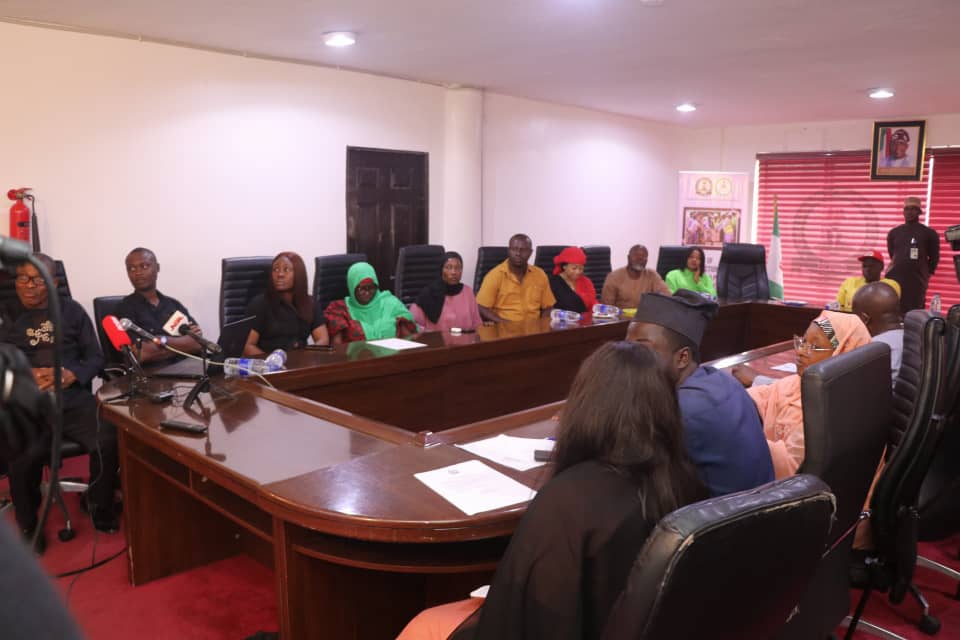
The initiative, which was formally unveiled on 22nd August 2025 at the Commission’s headquarters in Abuja, is set to become one of the most ambitious agricultural and social inclusion projects in recent times, targeting holistic empowerment for the disability community.
Receiving the delegation, the Executive Secretary of NCPWD, Hon. Ayuba Gufwan, reaffirmed the Commission’s unwavering commitment to building sustainable livelihoods for PWDs. He described the project as a bold step that would not only tackle poverty but also strengthen Nigeria’s food security agenda.
“It is established beyond reasonable doubt that there is ability in disability. Persons with Disabilities possess extraordinary talents, energy, and resourcefulness that can meaningfully contribute to national development,” Gufwan declared.
Farm Cities: A Bold Vision for Inclusion and Food Security
Nigeria’s population is projected to reach nearly 300 million within the next 25–30 years, heightening concerns about food security and employment. For Hon. Gufwan, these challenges present an opportunity for PWDs to play a decisive role in national development.
The farm cities will serve as integrated agricultural hubs, offering far more than conventional farming. Each hub will feature:
- Crop and animal farming, including poultry, fishery, dairy, and animal feed production.
- Skills acquisition centers in ICT, tailoring, electrical installation, barbing, and more.
- Scholarships for children of PWDs and children with special needs, ensuring access to education.
- Recreation and sports arenas, promoting inclusivity in sports and social activities.
- Special healthcare services and insurance programs, safeguarding the well-being of participants.
According to the Peace for Humanity Foundation, the farm cities will be piloted in six states, before being scaled nationwide, creating thousands of jobs and empowerment opportunities for PWDs and their families.
National and Traditional Endorsements
The project has already attracted wide-ranging support. It enjoys the royal patronage of His Royal Highness Aminu Ado-Bayero, Emir of Kano, whose presence reflects the growing recognition of disability inclusion as a national priority.
Similarly, the initiative is backed by renowned philanthropist AA Rano, signaling strong financial commitment and private sector confidence in the project’s viability.
“This is more than a farm project; it is a vision of inclusion, unity, and sustainable development,” said a representative of the Foundation, stressing that the farm cities will not just grow food but nurture hope and dignity for millions of Nigerians with disabilities.
A Pathway to Holistic Empowerment
Unlike conventional farms that focus only on agricultural outputs, the farm cities model integrates livelihood opportunities, education, skills training, and recreation. It represents a holistic approach to empowerment, ensuring that PWDs are not merely beneficiaries but active contributors to Nigeria’s economic growth.
The Executive Secretary assured that NCPWD will collaborate closely with the Peace for Humanity Foundation to ensure transparency, accountability, and measurable impact throughout the program’s implementation.
“This is a landmark program that reflects President Bola Ahmed Tinubu’s commitment to inclusive governance. It will guarantee that PWDs are fully integrated into Nigeria’s agricultural revolution and economic expansion,” Hon. Gufwan concluded.
Transforming Disability Inclusion Through Agriculture
With Nigeria’s economy grappling with unemployment and food insecurity, the ₦70 billion farm cities project provides a model for disability-inclusive growth that aligns with both national and global development goals.
Observers believe the project has the potential to rewrite the narrative of disability in Nigeria—from dependence to productivity, from marginalization to inclusion, and from exclusion to leadership in the agricultural value chain.
For the disability community, the farm cities initiative is more than an empowerment project—it is a symbol of dignity, opportunity, and belonging.
Follow the The Qualitative Magazine channel on WhatsApp: https://whatsapp.com/channel/0029VanfIB50wajpjGi3JJ1G


