

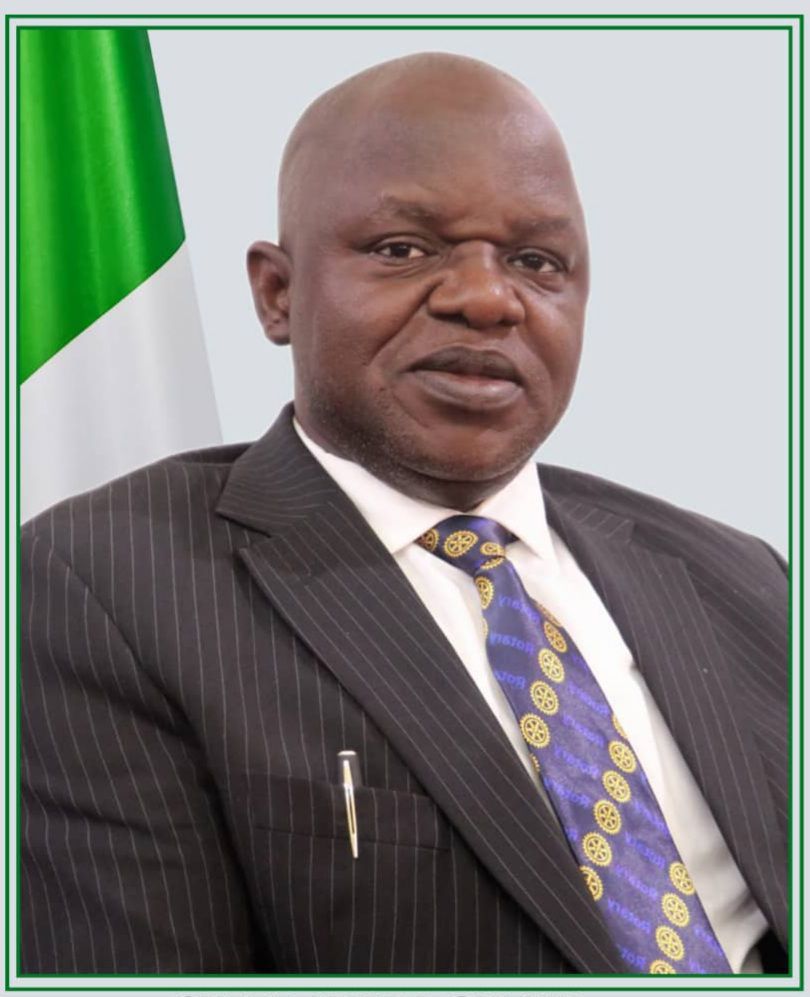
The National Commission for Persons with Disabilities (NCPWD) has joined millions of Nigerians and the global disability community to commemorate the 2025 International Day of Persons with Disabilities (IDPD), using the occasion to call for stronger national commitment to disability inclusion as a catalyst for social progress, innovation, and sustainable development.
Held annually on December 3rd, the International Day of Persons with Disabilities is a global reminder of the world’s moral and legal duty to promote the rights, dignity, and full participation of persons with disabilities. This year’s theme, “Fostering Disability-Inclusive Societies for Advancing Social Progress,” resonates deeply with Nigeria’s quest for equitable development and national transformation.
Speaking on the significance of the day, the Executive Secretary of the NCPWD, Chief Ayuba Gufwan Burki, reaffirmed that disability inclusion remains central to Nigeria’s progress. He emphasized that building an inclusive society is not charity, but a constitutional obligation and a strategic investment in the nation’s future.
“A truly progressive society recognises the value, dignity, and contribution of all its people—especially persons with disabilities, who embody resilience, creativity, talent, and innovation,” he said.
“When persons with disabilities are empowered, Nigeria moves forward. When barriers fall, communities prosper. When voices are heard, democracy deepens. And when opportunities are equal, development is accelerated for all.”
Nigeria’s Journey Toward Inclusive Development
The NCPWD noted that while commendable progress has been made since the signing of the Discrimination Against Persons with Disabilities (Prohibition) Act, 2018, significant gaps still hinder the full enjoyment of rights by persons with disabilities.
The Commission urged all stakeholders—federal, state, and local governments, the private sector, civil society, development partners, and citizens—to intensify efforts to remove barriers that restrict participation, economic empowerment, and social inclusion.
Key Areas for Accelerated Action
1. Inclusive Governance and Political Participation
The Commission called for the urgent strengthening of political and governance systems to ensure that persons with disabilities can participate fully in civic life.
This includes enforcing accessibility standards in electoral processes, promoting representation in appointive and elective positions, and ensuring that policy-making spaces reflect the voices of persons with disabilities.
2. Accessible and Inclusive Education
Highlighting education as the backbone of development, NCPWD reaffirmed its commitment to advocating for disability-inclusive learning environments equipped with assistive technologies, teacher training, and tailored support systems.
According to the Commission, “No child should be left behind simply because a classroom, curriculum, or teacher is not prepared to accommodate them.”
3. Employment and Economic Empowerment
The Commission praised the Federal Government’s mandate of a minimum 5% employment quota for persons with disabilities in public institutions, urging full compliance across sectors.
It further called on employers, business leaders, and government agencies to dismantle labour-market barriers and build accessible workplaces that recognise and reward talent regardless of disability.
4. Healthcare and Social Protection
NCPWD insisted that equitable healthcare is essential to social progress. The Commission advocates for disability-competent health services, accessible facilities, and social protection programmes that meet the diverse needs of Nigeria’s disability community.
5. Accessibility in Built Environments, Transportation, and Digital Spaces
For inclusion to be complete, the Commission emphasised that Nigeria must become barrier-free—physically, socially, and digitally.
It called for full enforcement of the Persons with Disabilities (Accessibility) Regulations, 2023, ensuring that all public buildings, transportation systems, and digital platforms are accessible to everyone.
“Accessibility is justice. It is the gateway to opportunity, dignity, and independence,” the Commission stated.
A National Call to Action
As the world marks the 2025 IDPD, NCPWD urged Nigerians to embrace inclusion as a shared responsibility and a pathway to national prosperity.
“Inclusion is progress. Accessibility is justice. Empowerment is the future. Together, we can build a Nigeria where disability is never a barrier to opportunity and where social progress reflects the strength of all our people,” Chief Burki said.
The Commission pledged to continue strengthening partnerships, enforcing compliance with disability laws, raising public awareness, and promoting initiatives that unlock the potential of millions of Nigerians with disabilities.
Celebrating Resilience, Championing Rights
In concluding its message, the NCPWD celebrated the resilience, contributions, and achievements of persons with disabilities across the country, describing them as “a powerful force for innovation, culture, and national development.”
As Nigeria joins the rest of the world to mark the 2025 International Day of Persons with Disabilities, the Commission reiterated its unwavering commitment to championing a disability-inclusive society where every Nigerian can live with dignity, participate fully, and contribute meaningfully to the nation’s progress.
Happy International Day of Persons with Disabilities!


