

…Calls for Deeper Collaboration in Nigeria’s Inclusive Digital Transformation
By TQM News Desk | July 18, 2025 | Abuja
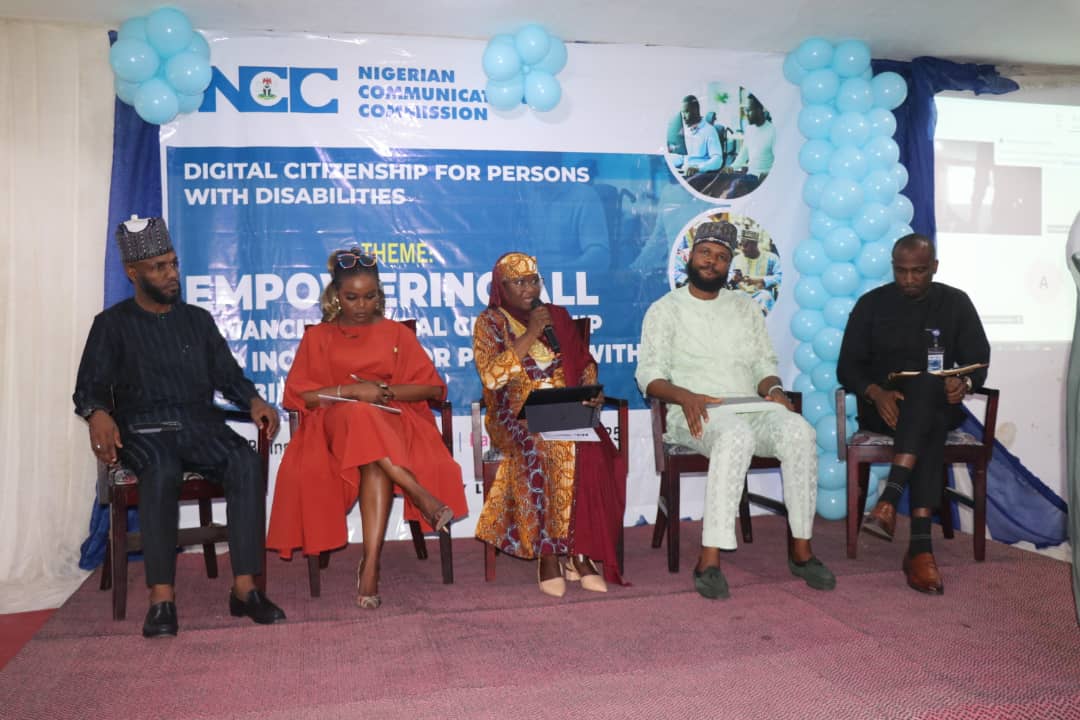
In a bold stride toward bridging Nigeria’s digital divide and enhancing the active participation of Persons with Disabilities (PWDs) in the information age, the Nigerian Communications Commission (NCC) has been commended for hosting a pioneering sensitisation workshop on digital citizenship for Persons with Disabilities.
The commendation came from the National Commission for Persons with Disabilities (NCPWD), whose Executive Secretary, Hon. Ayuba Gufwan, praised the initiative as a strategic move to unlock inclusive innovation and empower a section of society often left behind in digital advancement. The event, held on Thursday, July 17, 2025, at the Bolingo Xperia Hotel in Abuja, was themed “Empowering All – Advancing Digital Citizenship and Inclusion for Persons with Disabilities.”
Represented at the event by Mr. Lawrence Idemudia, Director of Social Integration at NCPWD, Gufwan expressed delight at the NCC’s “forward-thinking initiative” which he described as timely, transformative, and aligned with both national aspirations and global mandates on inclusion, accessibility, and sustainable development.
“As we gather here today,” Mr. Idemudia said, reading the Executive Secretary’s message, “we are reminded of the transformative potential of information and communication technologies in advancing equality, inclusion, and independent living for persons with disabilities. The digital space, when made accessible, can eliminate barriers to education, employment, health, and civic participation.”
A Platform for Progress and Partnership
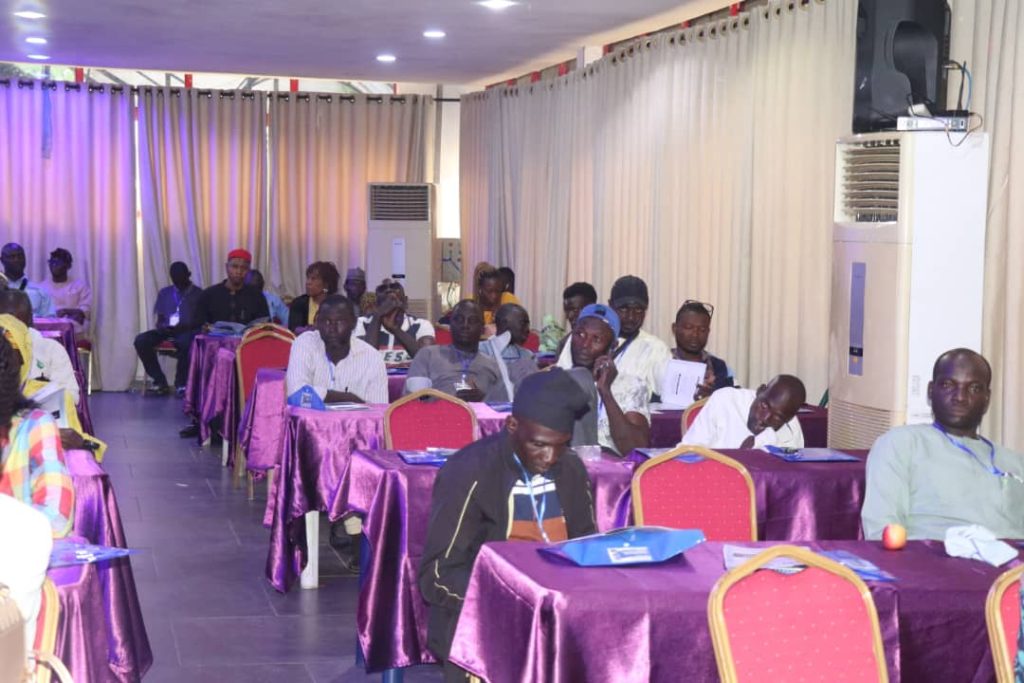
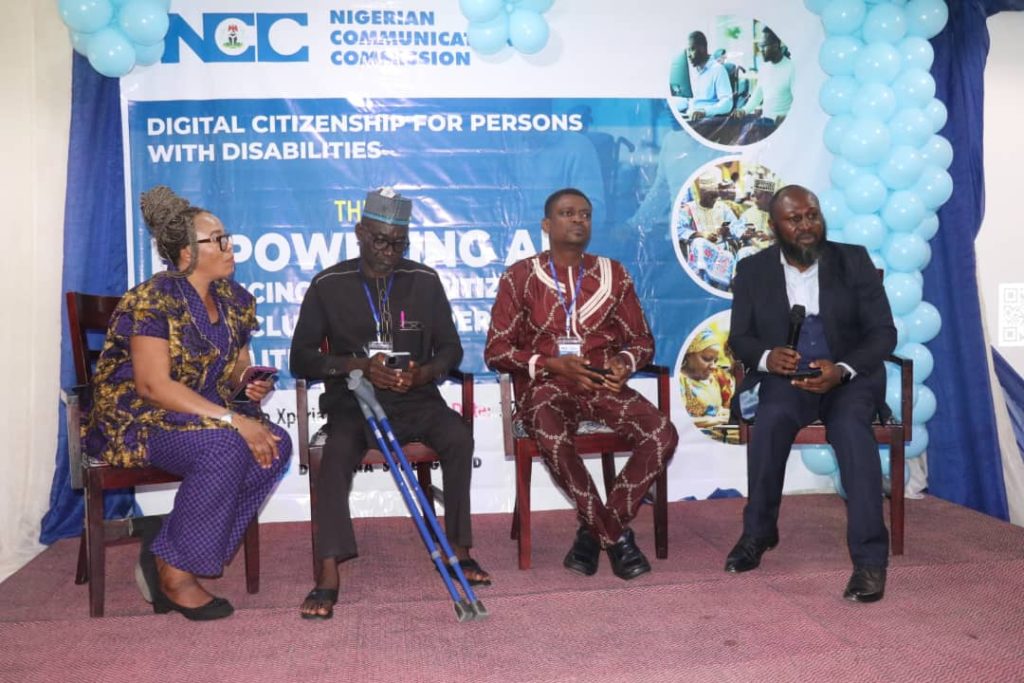
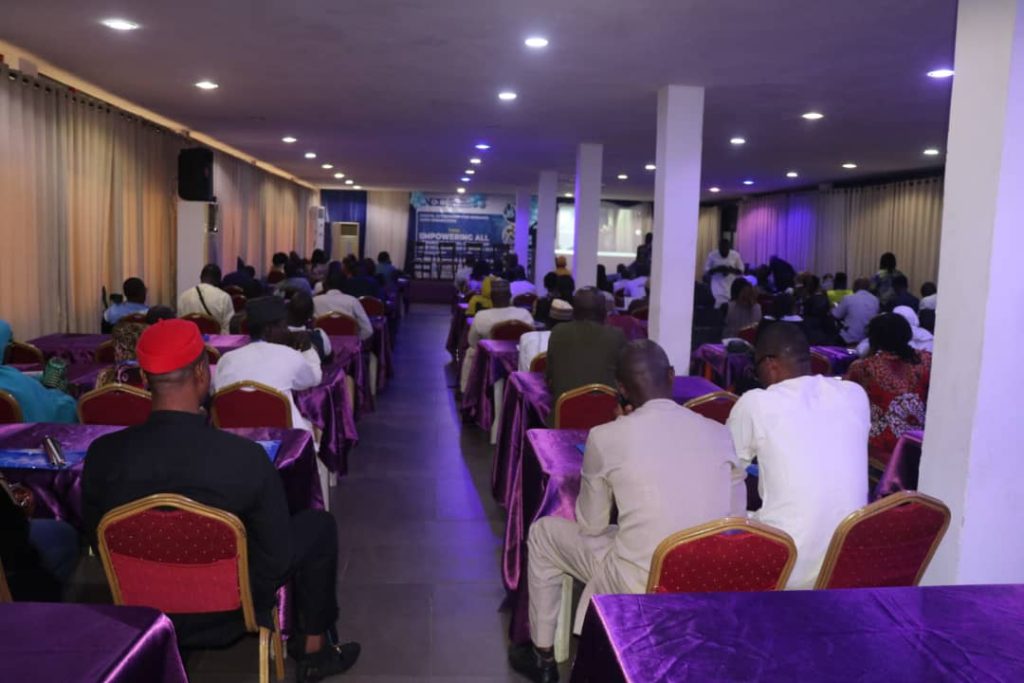
The sensitisation workshop provided a strategic platform for policy makers, ICT professionals, disability advocates, and PWDs to connect, share ideas, and forge new paths for collective action. Discussions centered on fostering digital literacy, improving access to technology, and developing ethical digital behaviors, particularly for the disability community.
Participants engaged on a wide range of issues including:
- Access to information and digital resources
- Improved communication channels for PWDs
- Empowerment through digital tools and inclusive technologies
- Inclusive remote employment opportunities
- Enhanced digital education tailored for all abilities
- Online safety, privacy, and responsible digital behavior
The event also featured a thought-provoking presentation by renowned disability rights advocate and lawyer, Barr. Ikem Onuegbunam, who underscored the urgency of dismantling structural barriers and removing stigma against PWDs in digital spaces. His message emphasized that real inclusion demands more than policies—it requires intentional action and empathy-driven innovation.
Highlight: A Braille Legacy
In a symbolic gesture underscoring the commitment to accessible information, the Nigerian Communications Commission donated braille books to the National Commission for Persons with Disabilities. The books were presented by Mrs. Olatokunbo Oleyele of NCC and received by Mr. Lawrence Idemudia on behalf of the NCPWD.
“This donation is more than symbolic,” Mr. Idemudia remarked. “It represents a tangible step toward breaking the information barrier and promoting literacy among visually impaired Nigerians. We are truly grateful.”
Certificates and Celebrations
As part of the closing ceremonies, certificates of participation were distributed to all attendees, signifying their readiness to become ambassadors of digital citizenship within their communities. The atmosphere was charged with optimism and a renewed commitment to ensuring no Nigerian—regardless of ability—is left behind in the digital revolution.
A Call to Action
Hon. Gufwan urged all stakeholders—government agencies, civil society, tech developers, and persons with disabilities—to work hand-in-hand in creating inclusive digital solutions and policies. He reaffirmed the commitment of the National Commission for Persons with Disabilities to collaborate closely with the NCC and others to shape a digital future that is participatory, empowering, and inclusive.
“This workshop is not an end,” Gufwan stressed in his message, “but a bold beginning in our journey to ensure that Nigeria’s digital transformation becomes a beacon of accessibility and equity for all.”
With initiatives like this workshop and sustained inter-agency collaboration, the path toward digital inclusion for Persons with Disabilities in Nigeria appears not only possible—but inevitable.
Stay connected for more stories on inclusion, innovation, and impact at The Qualitative Magazine – amplifying voices, advancing rights.


