

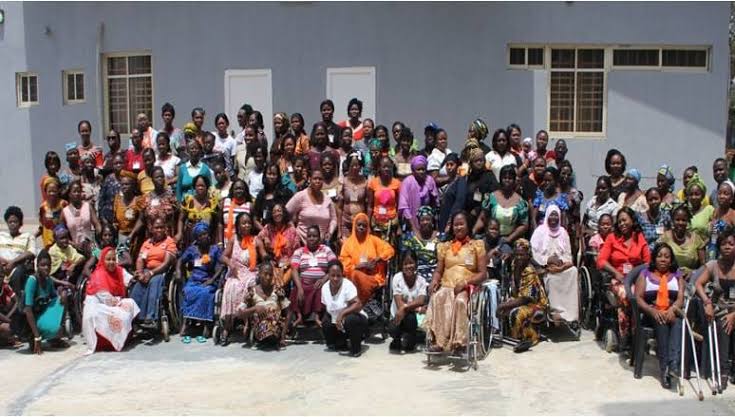
Lagos, Nigeria – March 8, 2026 — As the world marked International Women’s Day 2026, the Centre for Citizens with Disabilities (CCD) issued a strong call for urgent reforms to strengthen equal access to justice and protection for women and girls with disabilities in Nigeria, warning that millions remain trapped in cycles of discrimination, violence, and systemic neglect.
In a statement released in Lagos to commemorate the global event themed “Rights. Justice. Action. For All Women and Girls,” CCD said the promise of equality remains far from reality for many Nigerian women and girls living with disabilities.
The organization stressed that while access to justice is a fundamental human right, the justice system in many societies—including Nigeria—still fails to adequately protect the rights and dignity of women and girls with disabilities.
A Fight for Equality Before the Law
Referencing the principles enshrined in the United Nations framework and the Universal Declaration of Human Rights, CCD emphasized that all persons are entitled to equal protection before the law.
However, according to the organization, systemic discrimination continues to deny many women and girls with disabilities the opportunity to live free from violence, pursue education and employment, and participate fully in society.
“Equality before the law must apply fully and equally to women and girls with disabilities,” the statement noted, warning that discriminatory laws, harmful cultural practices, and inaccessible institutions continue to undermine this fundamental principle.
Multiple Layers of Discrimination
CCD highlighted the double burden faced by women and girls with disabilities, who often experience discrimination both as women and as persons with disabilities.
Across key areas of life—including education, healthcare, employment, family life, and access to justice—many remain marginalized and excluded.
The organization identified several barriers that continue to limit opportunities and safety for women with disabilities, including:
- Discriminatory laws in family relations, employment, and healthcare
- Limited access to education, which increases vulnerability to poverty and exploitation
- Harmful social practices, such as child marriage and forced dependency
- Exclusion from leadership and decision-making spaces
- High levels of gender-based violence, often without access to justice
- Inaccessible police stations, courts, and legal procedures
- Lack of affordable and accessible legal aid
According to CCD, these barriers not only deny women with disabilities their rights but also deepen inequality and perpetuate a culture of impunity.
“Justice systems that are biased, inaccessible, or dismissive of the experiences of women and girls with disabilities reinforce inequality,” the statement warned.
Urgent Reforms Needed
In line with the global theme of International Women’s Day 2026, CCD urged Nigerian authorities and stakeholders to take deliberate and sustained action to ensure justice systems are inclusive and responsive to the needs of women with disabilities.
Among the key recommendations made by the organization are:
- Reforming and eliminating discriminatory laws, policies, and practices that disadvantage women and girls with disabilities
- Establishing inclusive justice systems that provide reasonable accommodations and accessible procedures
- Strengthening protection mechanisms to end gender-based violence in all forms
- Providing affordable and disability-inclusive legal aid services
- Increasing representation of women with disabilities in leadership, governance, and justice institutions
- Promoting public awareness campaigns to challenge harmful stereotypes and social norms
CCD emphasized that access to justice must go beyond legal frameworks to include practical accessibility, such as sign language interpretation, accessible buildings, simplified legal procedures, and survivor-centered support services.
Justice for Women with Disabilities Benefits Everyone
The organization also called on families, civil society groups, development partners, government institutions, the private sector, and the media to play active roles in promoting disability inclusion and defending the rights of women and girls with disabilities.
The call aligns with the global advocacy of UN Women, which continues to champion gender equality and women’s rights worldwide.
CCD argued that building an inclusive justice system does not only benefit women with disabilities but strengthens society as a whole.
“When justice works for women and girls with disabilities, it works better for everyone,” the statement emphasized.
A Call for Collective Responsibility
In closing, the organization said true equality cannot be achieved while women and girls with disabilities remain excluded from justice systems designed to protect them.
The Centre urged policymakers and stakeholders to move beyond promises and translate commitments into tangible reforms that guarantee rights, protection, and participation for women and girls with disabilities.
“Ensuring Rights. Justice. Action. For ALL Women and Girls requires political will, collective responsibility, and deliberate action,” the organization stated.
The statement was signed by Godwin Unumeri, Acting Director of the Centre for Citizens with Disabilities, who reaffirmed the organisation’s commitment to advancing disability rights and promoting inclusive justice systems across Nigeria.
As conversations around gender equality continue globally, advocates say the message from this year’s International Women’s Day is clear: no society can claim true justice while women and girls with disabilities remain unheard, unprotected, and unseen.


