

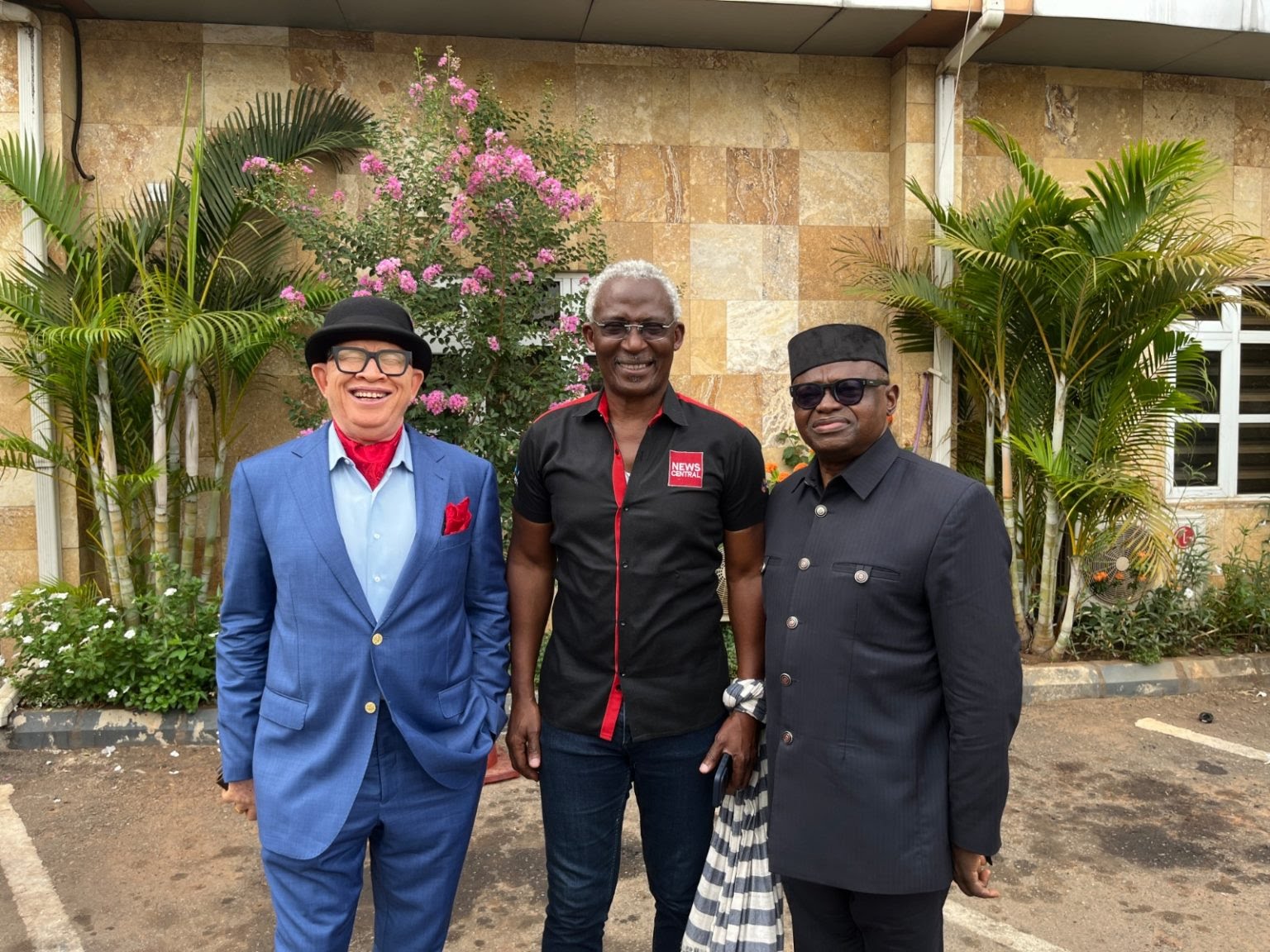
For decades, persons with disabilities (PWDs) in Nigeria have been subjected to sympathy, charity, and well-meaning gestures—yet real inclusion has remained elusive. But at a groundbreaking town hall convened by News Central TV in Asaba, the narrative shifted decisively from pity to policy, from empathy to empowerment.
Held at the prestigious Bon Hotel, the high-impact gathering brought together more than 200 participants, including persons with disabilities, policymakers, traditional leaders, advocates, and healthcare professionals. Sponsored by The Albino Foundation Africa, the event created a rare and powerful platform for honest dialogue, lived experiences, and actionable solutions.
Voices That Refuse to Be Ignored
The town hall was marked by deeply emotional testimonies that underscored the harsh realities faced by PWDs across the country.
One of the most striking moments came from Sola Idowu, a visually impaired English teacher, who revealed that despite being qualified, he has been unable to secure employment since 2014—simply because of discrimination and systemic exclusion.
Equally compelling was the experience shared by Chinedu Uwabuofu, who recounted the daily struggles of navigating an inaccessible academic environment at Delta State University. According to him, the absence of disability-friendly infrastructure forced him to sit outside lecture halls just to follow classes—an ordeal that reflects the broader neglect of inclusive education in Nigeria.
A Call for Representation and Policy Reform
Beyond personal stories, the town hall evolved into a policy-driven conversation, with stakeholders calling for structural reforms that would guarantee inclusion at all levels of governance.
Isaac Odjuwu, President of ISJID, made a bold appeal for political representation:
“You cannot initiate laws that will improve our lives without us being in the seat of initiating those laws.”
His call for reserved seats for persons with disabilities in both national and state legislative assemblies resonated strongly with participants, reinforcing the urgent need for inclusive governance.
Adding a royal voice to the discourse, His Royal Majesty, Epiphany Azinge, the 14th Asagba of Asaba, emphasized that Nigeria must move beyond policy formulation to actual implementation.
“We have passed the stage of formulation of policies. It is now time for implementation of laws that have long been enacted,” he stated.
Breaking Barriers Through Collective Action
Other notable contributors, including Jake Epelle representing TAF Africa, alongside local government officials, highlighted the importance of dismantling systemic barriers that continue to marginalize PWDs. They stressed the need for accessible infrastructure, inclusive education systems, equitable employment opportunities, and responsive healthcare services.
Interactive sessions allowed participants to not only share their struggles but also propose community-driven solutions. These engagements fostered a sense of ownership and urgency, transforming the town hall from a discussion forum into a catalyst for change.
Media as a Tool for Advocacy
In his address, Kayode Akintemi, Managing Director of News Central TV, reaffirmed the organization’s commitment to using media as a force for inclusion and social justice.
“This town hall underscores our dedication to amplifying marginalized voices and driving meaningful social change,” he said.
He further appreciated partners and sponsors for their support, emphasizing that collective effort remains key to building an inclusive Nigeria.
Beyond the Town Hall: A Movement in Motion
The Asaba town hall is more than just an event—it is a movement challenging Nigeria to rethink its approach to disability inclusion. By centering the voices of persons with disabilities and pushing for tangible reforms, it marks a significant step toward a society where inclusion is not an afterthought but a fundamental right.
As conversations continue and commitments are tested, one message remains clear: sympathy is no longer enough. The time for action is now.


