

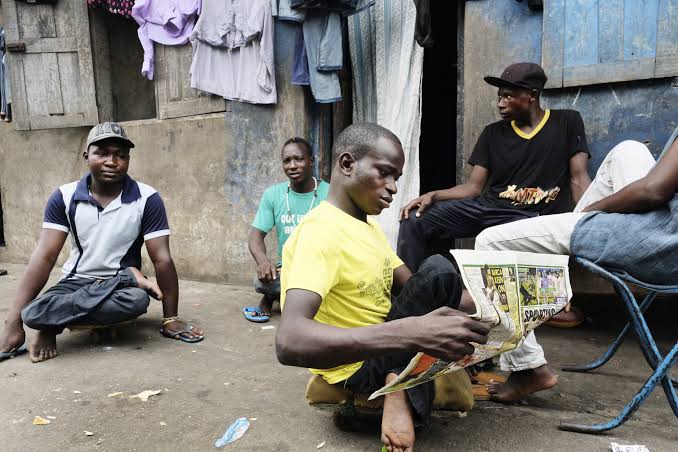
Abuja, Nigeria — Persons with Disabilities (PWDs), particularly the Original Inhabitants of the Federal Capital Territory (FCT), have made a passionate appeal for their economic, social, and cultural empowerment as a sustainable pathway to ending street begging and alleviating poverty within their communities.
This demand was the highlight of a powerful consultative forum held on Monday in Abuja, with the theme: “Promoting the Economic, Cultural, Social and Political Rights of FCT Original Inhabitants with Disabilities.” The forum was convened by a non-governmental organization with support from the MacArthur Foundation, which has been working tirelessly to restore dignity to marginalized groups in Nigeria.
Addressing the forum, the President of the Original Inhabitants with Disabilities in the FCT, Mr. Festus Yakubu, painted a vivid picture of decades-long suffering, discrimination, and neglect faced by PWDs who are also natives of the capital territory. According to him, these challenges were further compounded by the failure of many in political leadership to implement existing disability laws.
“For far too long, we felt neglected, rejected, and denied access to basic rights and benefits. We were forced to live on the fringes of society, despite being the original custodians of the land now known as the Federal Capital Territory,” Yakubu said emotionally.
He lamented the widespread culture of street begging among PWDs, describing it not as a choice but a reflection of the systemic exclusion and lack of opportunities. However, he expressed optimism and gratitude to the MacArthur Foundation for a recent intervention program that has begun to change the narrative.
According to him, the tide began to turn in 2023 when the MacArthur Foundation launched a transformative empowerment initiative targeting original inhabitants with disabilities in the FCT. Over 200 members were trained in practical and income-generating trades including bag making, shoe production, crafts, and metal fabrication.
“These were not just trainings,” Yakubu emphasized. “They were pathways to dignity. They gave our members back their confidence, restored their self-worth, and most importantly, gave them the means to earn an honest living instead of begging.”
Beyond skills acquisition, the program also distributed empowerment tools and assistive devices to many beneficiaries, enabling them to launch their small businesses and become active contributors to society.
“Now, many of us who were once forced to beg on the streets have the means to stand tall and work with pride,” he said.
The forum also had in attendance some prominent traditional figures, including Hajiya Hawa Adamu, the Chairperson of the Wives of FCT Traditional Rulers Association and wife of the Ona of Abaji. In her remarks, she pledged to continue advocating for the cultural and political inclusion of PWDs, stressing that society must begin to treat inclusion as a human right rather than a gesture of charity.
“Disability is not a limitation. It is a natural part of human diversity. Every home, if you look deeply enough, will find someone living with one form of disability or the other,” she stated.
Hajiya Adamu, who shared her own personal story of undergoing knee replacement surgery due to arthritis, said her experience had deepened her understanding of the everyday barriers faced by people with disabilities.
“Disability should never be seen as a curse or a source of shame. Rather, it must be acknowledged as part of the human condition. What we need is empathy, empowerment, and equal opportunity,” she added.
She commended the MacArthur Foundation for its impactful work and called on more organizations and government agencies to prioritize financial inclusion and accessible economic opportunities for PWDs.
Also speaking at the forum, the Chairman of the Joint National Association of Persons with Disabilities (JONAPWD), FCT Chapter, Mr. Joseph Wakili, called for the urgent rehabilitation of disability centers across the six area councils. He noted that these centers, if properly equipped and managed, could serve as vital hubs for skills training, rehabilitation, and social integration for persons with disabilities.
Wakili also urged the FCT Administration to take concrete steps to domesticate and implement the Discrimination Against Persons with Disabilities (Prohibition) Act, which was signed into law by former President Muhammadu Buhari.
TQM reports that there are more than 3,000 Original Inhabitants with Disabilities across the six area councils in the FCT. These individuals face various physical, sensory, and intellectual challenges, including visual impairment, mobility issues, hearing and speech difficulties, among others.
The forum ended with a renewed call to government officials, civil society actors, traditional institutions, and the private sector to work collaboratively to ensure that PWDs—especially original inhabitants—are no longer left behind in the nation’s development agenda.
The event not only amplified the voices of an often-overlooked population but also marked a crucial step forward in the collective journey toward inclusion, equality, and empowerment for all.


