

By Comrade Chris Agbo, Executive Director, The Qualitative Magazine (TQM)
As the National Commission for Persons with Disabilities (NCPWD) marks its fifth year of existence, The Qualitative Magazine sat down with the dynamic Director of Social Integration, Mr. Lawrence Idemudia, to reflect on the strides made so far, the challenges, and the road ahead for inclusive development in Nigeria.
In this exclusive interview, Idemudia takes us through the heartbeat of the Commission—the Social Integration Department, which has become a pillar of transformation and empowerment for Persons with Disabilities (PWDs) across the country.
“Our mandate is clear—promote inclusion, break barriers, and open up access. And that’s exactly what we’re doing,” he declared.
A Department at the Forefront of Impact
Established under the Discrimination Against Persons with Disabilities (Prohibition) Act of 2018, the NCPWD is the federal government agency saddled with the responsibility of implementing and overseeing the Act. But behind the policies, figures, and mandates is a committed team working tirelessly to ensure no one is left behind. The Social Integration Department is one such team—and according to Idemudia, it’s the soul of the Commission.
Bridging Gaps with Assistive Devices
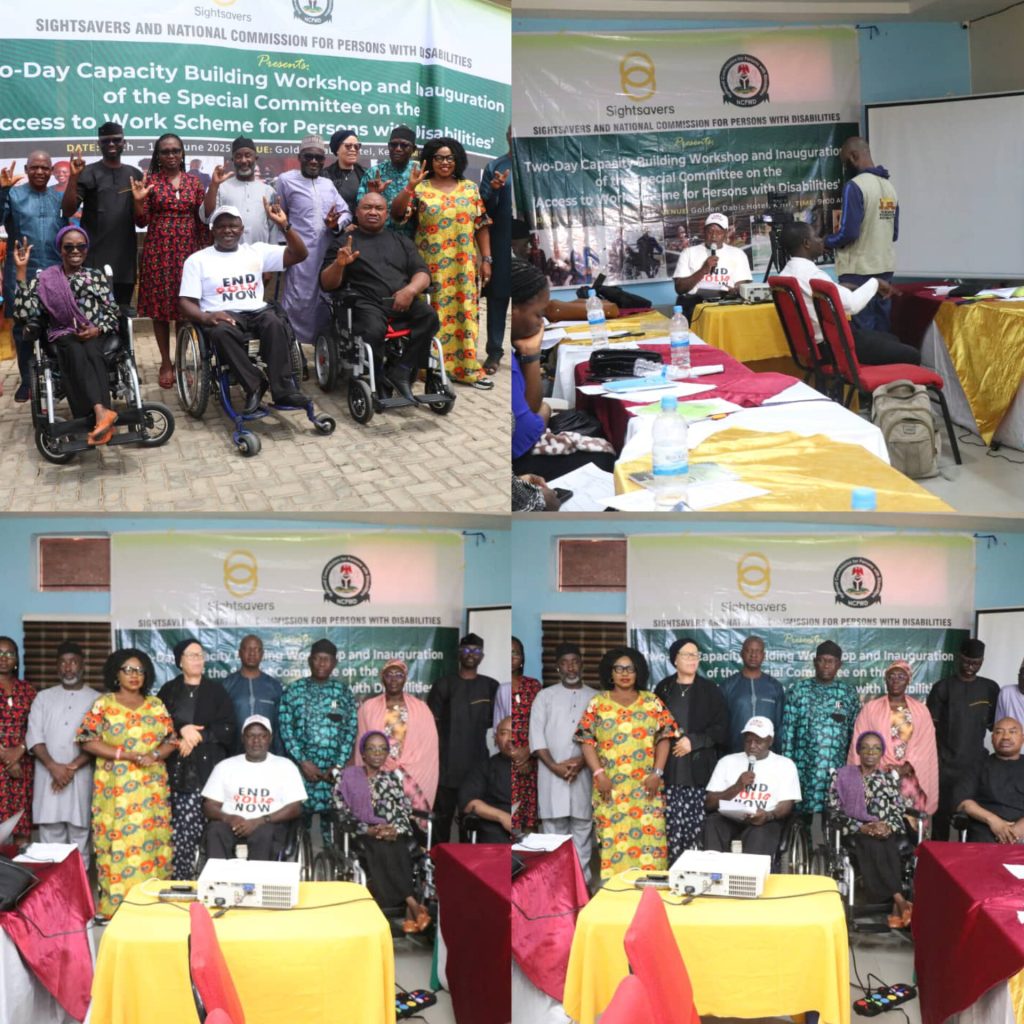
“Since inception, the Commission has made it a point of duty to distribute assistive devices to PWDs annually,” Idemudia explained.
From manual and electric wheelchairs to prosthetics for amputees, the department has reached hundreds. However, he candidly noted that limited funding has restricted the reach, especially in rural and underserved communities.
“Most of our devices are sourced from abroad. This comes at a high cost. That’s why we are now shifting focus—we are seeking partnerships to train local manufacturers to produce sophisticated assistive devices here in Nigeria.”
He gave an example that left us awed:
“With advanced technology, we now have wheelchairs that can climb stairs. Why can’t we produce them here?”
Through a technology-driven and partnership-focused approach, Idemudia envisions a future where accessibility becomes affordable, and Nigeria becomes a regional hub for assistive technology.
Education: Lifting Barriers, Unlocking Potentials
When it comes to education, the Social Integration Department is not just reacting—it’s proactively investing in the future of students with disabilities.
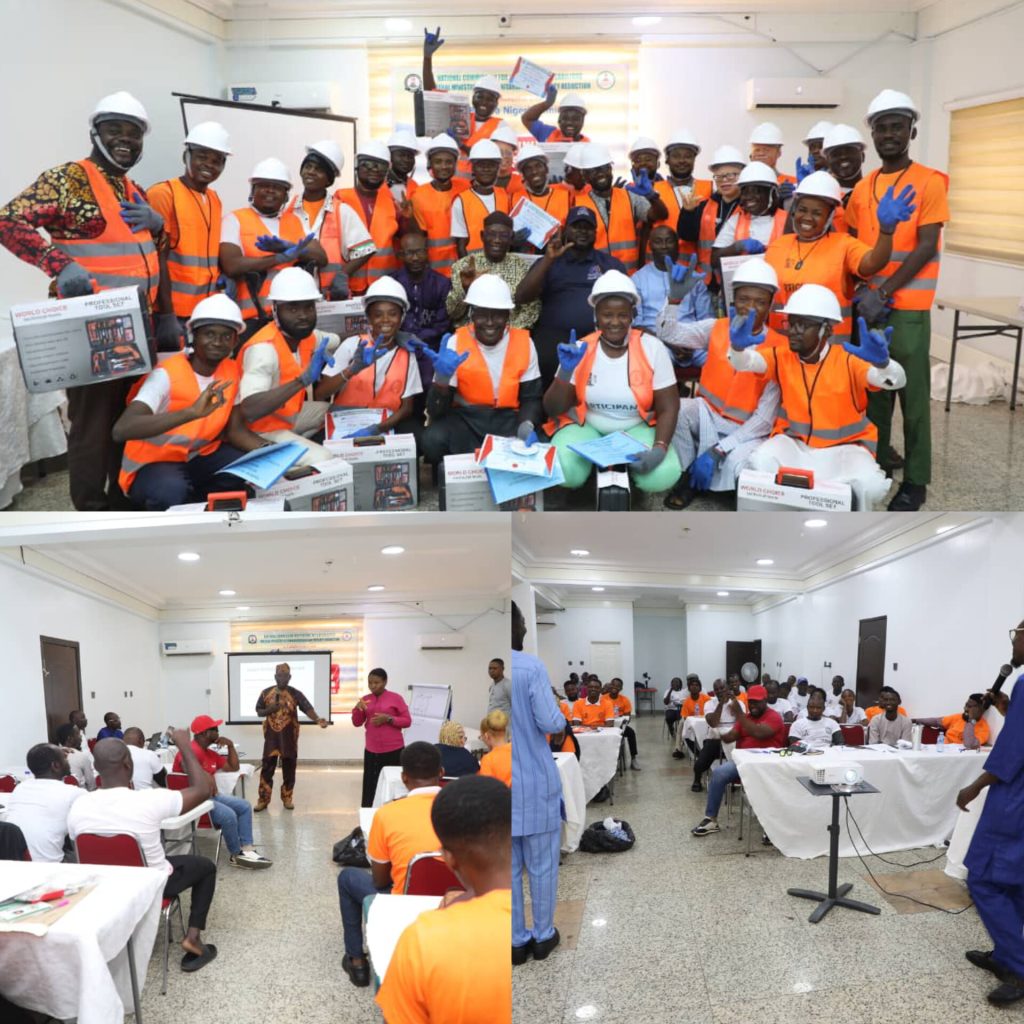
“So far, we’ve awarded scholarships to over 106 students with disabilities across Nigeria. And we’re not stopping there.”
Idemudia revealed that the second batch of beneficiaries—over 200 students—are awaiting disbursement, pending budgetary allocations.
“Education is a right, not a privilege. The Commission is committed to making sure that PWDs are not left out of classrooms, lecture halls, or academic dreams.”
And the plan? Continuous support—year in, year out.
Employment: Opening the Doors to Dignity and Inclusion
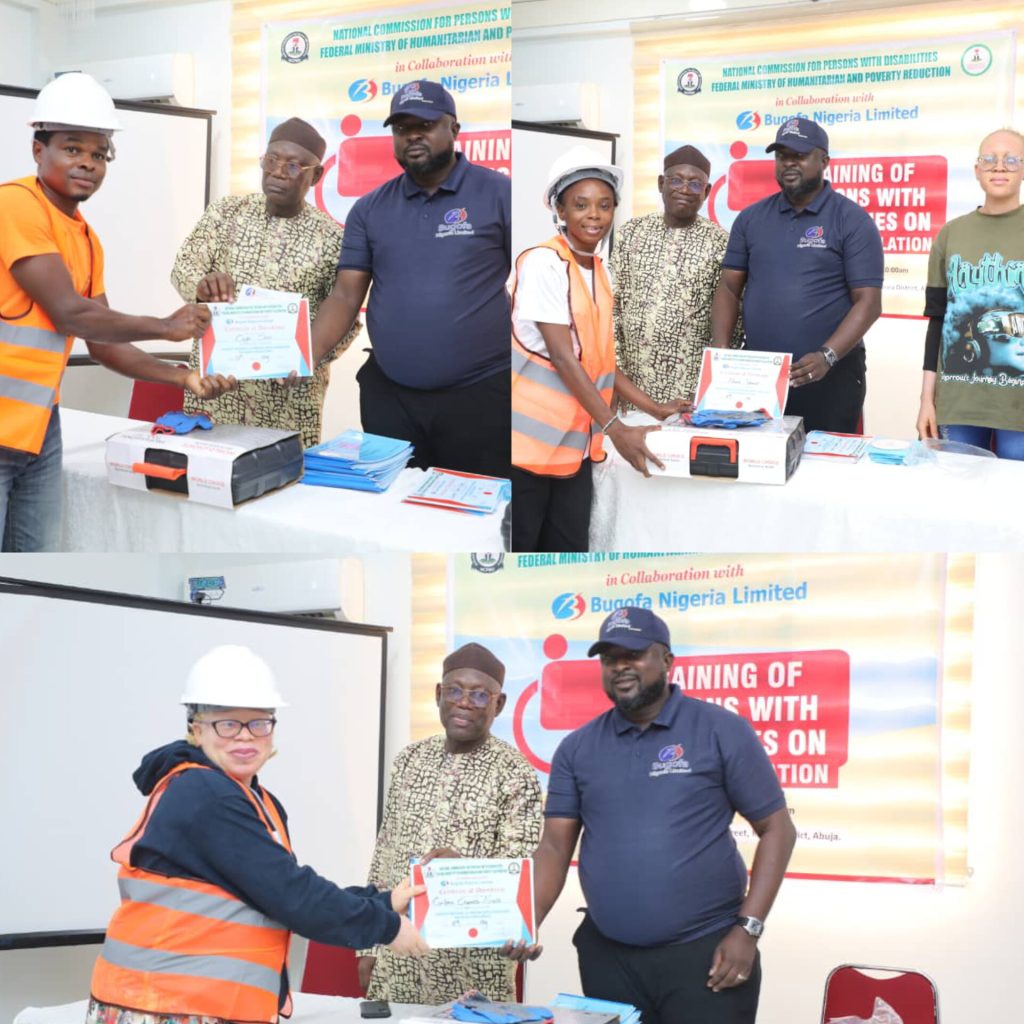
On June 16, 2025, the NCPWD in collaboration with Sightsavers Nigeria launched a transformative initiative:
“Access to Work Scheme”—a bold push to ensure PWDs enjoy at least 5% employment representation in both the public and private sectors.
“We inaugurated a multi-stakeholder committee and plan to bring on board the Nigerian Labour Congress (NLC), Trade Union Congress (TUC), Head of Service, and the Federal Character Commission, among others,” Idemudia said.
This coalition, he believes, will help drive accountability and systemic change in the employment landscape.
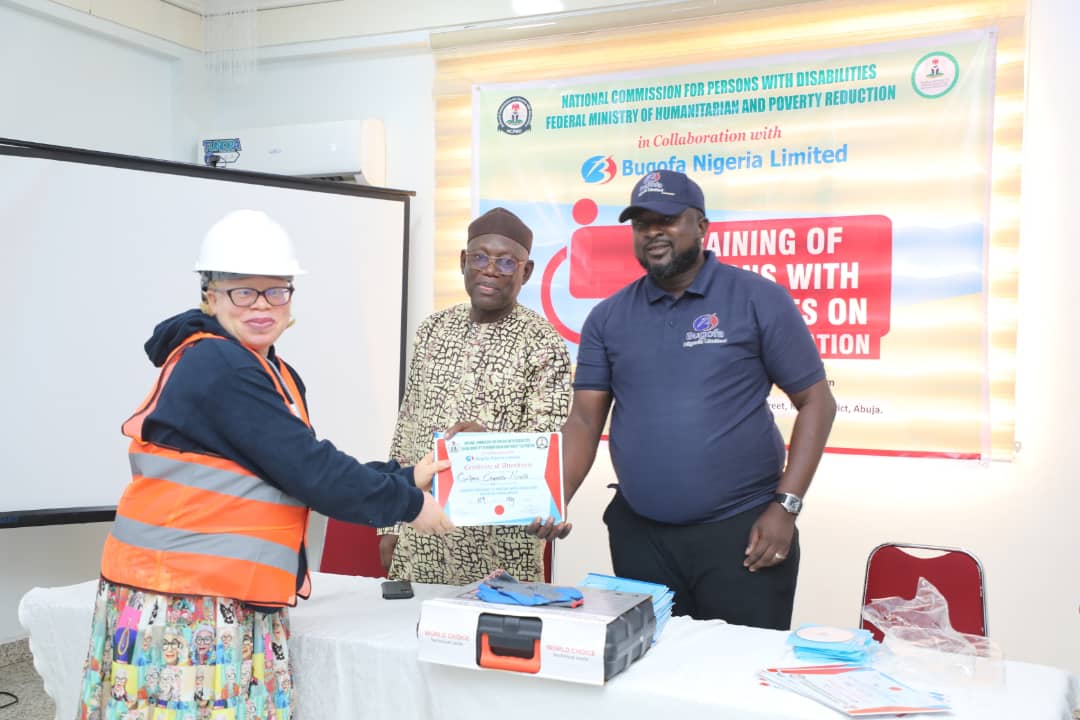
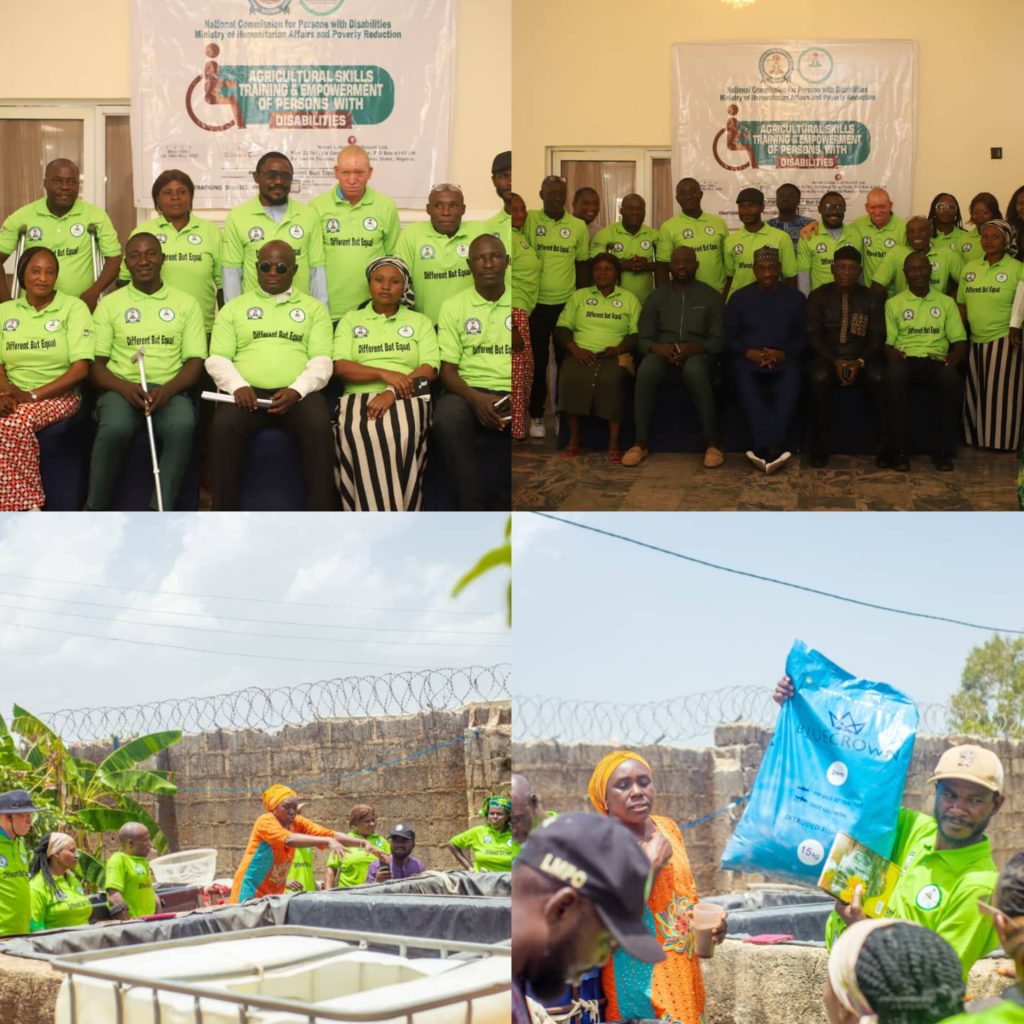
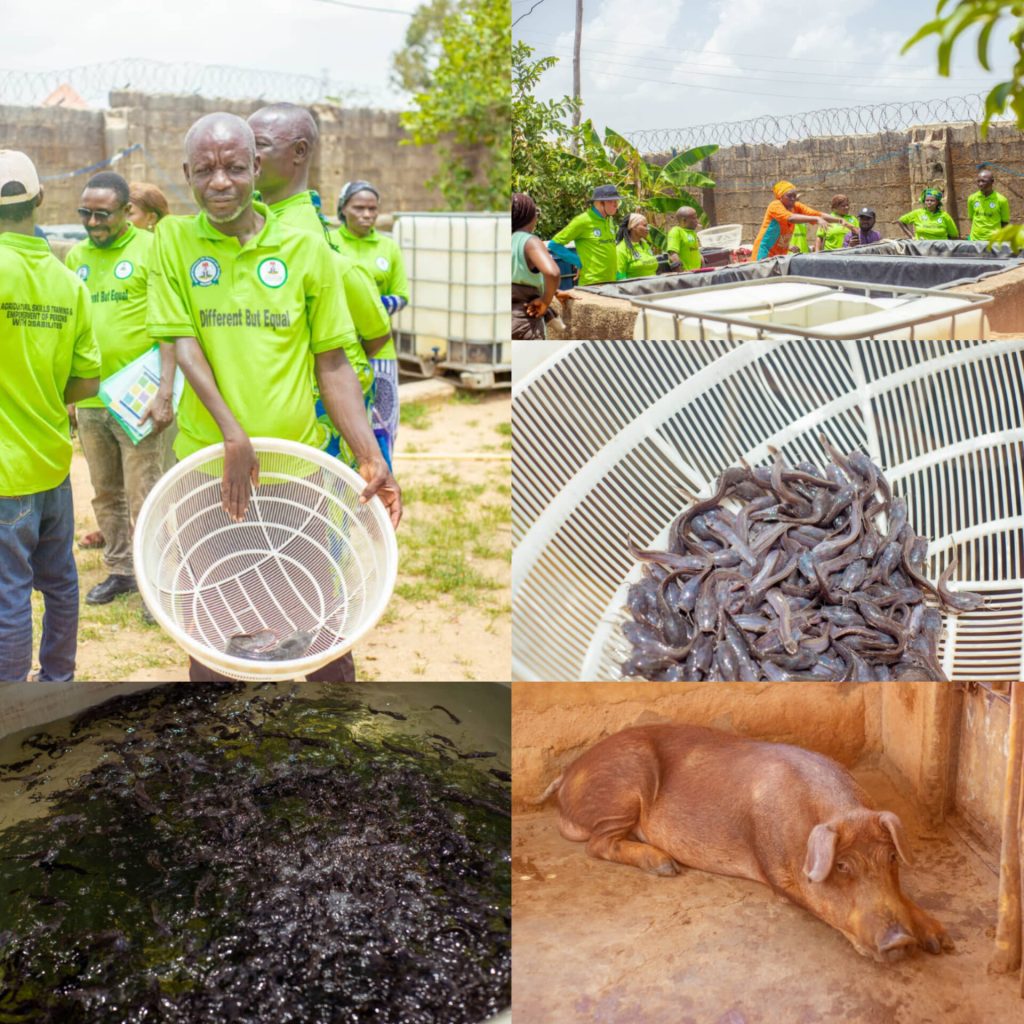
He also touched on entrepreneurial empowerment, sharing how the department has trained PWDs in solar installation, agriculture, and digital skills(ICT).
“Digital skills are the future, and PWDs cannot afford to be left behind. That’s why we are integrating ICT and innovation into our trainings, creating employment for persons with disabilities through ICT”
Those we trained on agriculture, on Monday 7th July, 2025, they would be receiving fertilizers and farm equipments from the commission to assist them in their farming.
But he didn’t stop there. Idemudia called on the Federal Government and National Assembly to allocate more funds specifically for PWDs.
“It costs more to train persons with disabilities. If we want inclusion to be real, then the budget must reflect that reality.”
Sign Language Services: Building Bridges of Communication
As part of efforts to ensure communication accessibility, especially for persons who are Deaf or hard of hearing, Idemudia revealed that the Commission is building a national pool of Sign Language Interpreters.
“Our plan is to have qualified interpreters ready for deployment across MDAs, public events, and institutions where their services are needed.”
This, he said, would bridge communication gaps and strengthen participation for Deaf individuals in civic life.
Accessible Learning Through Braille
In a commendable move, the department has set up a Braille Processing Centre dedicated to converting printed materials and books into Braille for the blind and visually impaired.
“It’s not just about getting to school—it’s about being able to learn effectively. This centre ensures that our brothers and sisters who are blind are not left behind academically.”
Health: The Next Frontier
While education and employment dominate current headlines, health remains a critical challenge for persons with disabilities in Nigeria. But the Social Integration Department is not ignoring that fact.
“We are in the process of setting up a unit within the department that focuses solely on the health of PWDs,” Idemudia revealed.
He stressed that health is not a luxury—it is a necessity—and that the Commission is determined to make disability-inclusive healthcare a reality in Nigeria.
Call to Action: Engage, Participate, Be Heard
In his parting words, Idemudia urged all persons with disabilities to stay informed, stay connected, and engage with the Commission which has been people oriented under the leadership of the Executive Secretary, Chief Ayuba Gufwan. These would have not been possible without Renewed Hope Agenda Policy of President Bola Ahmed Tinubu.
“Our website—www.ncpwd.gov.ng—is open to everyone. We encourage PWDs to send in their requests, suggestions, and feedback. Every letter is read. Every concern is considered.”
But he was also realistic:
“We don’t have the resources to reach everyone at once. But we will get there—step by step, request by request. What we need is patience, partnership, and participation.”
Conclusion: The Journey Has Just Begun
The Social Integration Department under Mr. Lawrence Idemudia’s leadership is proving that inclusion is not a favor—it’s a fundamental right. From empowering students with scholarships to pushing for 5% employment quotas, building access to technology, and advocating for health, the work being done is both visionary and vital.
As Nigeria continues to evolve, the NCPWD’s Social Integration Department is lighting the way forward—breaking barriers, lifting voices, and building a future where no person with a disability is left behind.


