

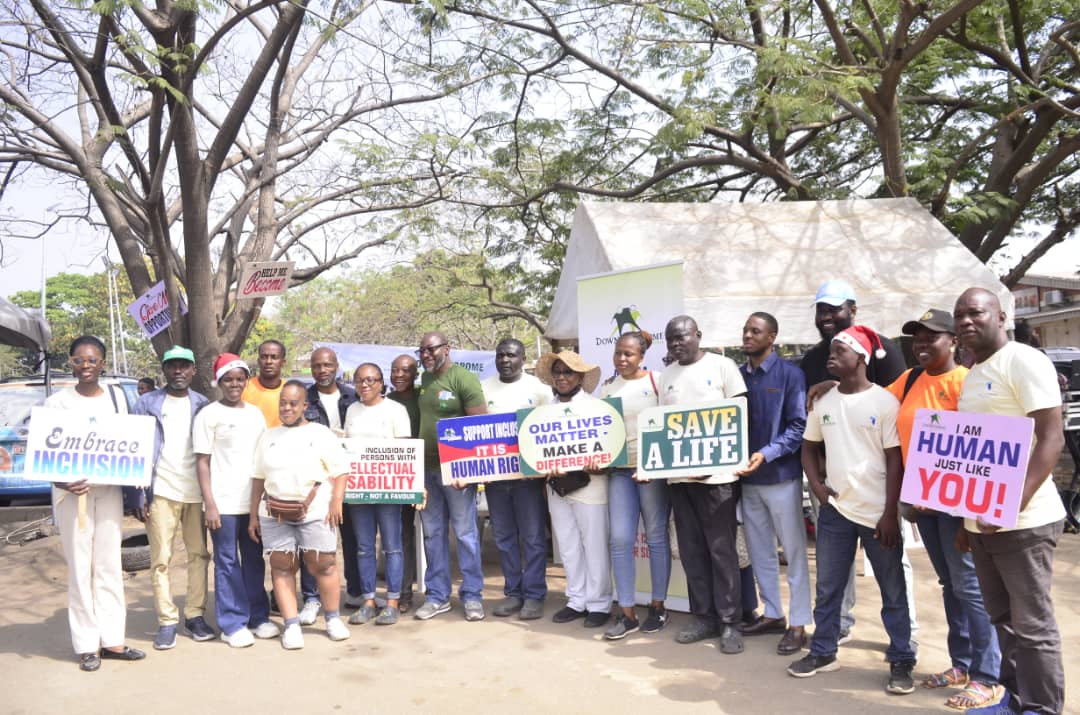
In a bold move to take disability advocacy beyond conference halls and into everyday public spaces, the Down Syndrome Foundation Nigeria (DSFN) has launched a major Community and Market Outreach Programme at the popular Wuse Market, Abuja, scheduled for Saturday, December 13, 2025.
The initiative, which places grassroots engagement at the heart of disability rights advocacy, is aimed at deepening public awareness, promoting social acceptance, and pressing the Federal Government to fully implement the Intellectual Disabilities Act.
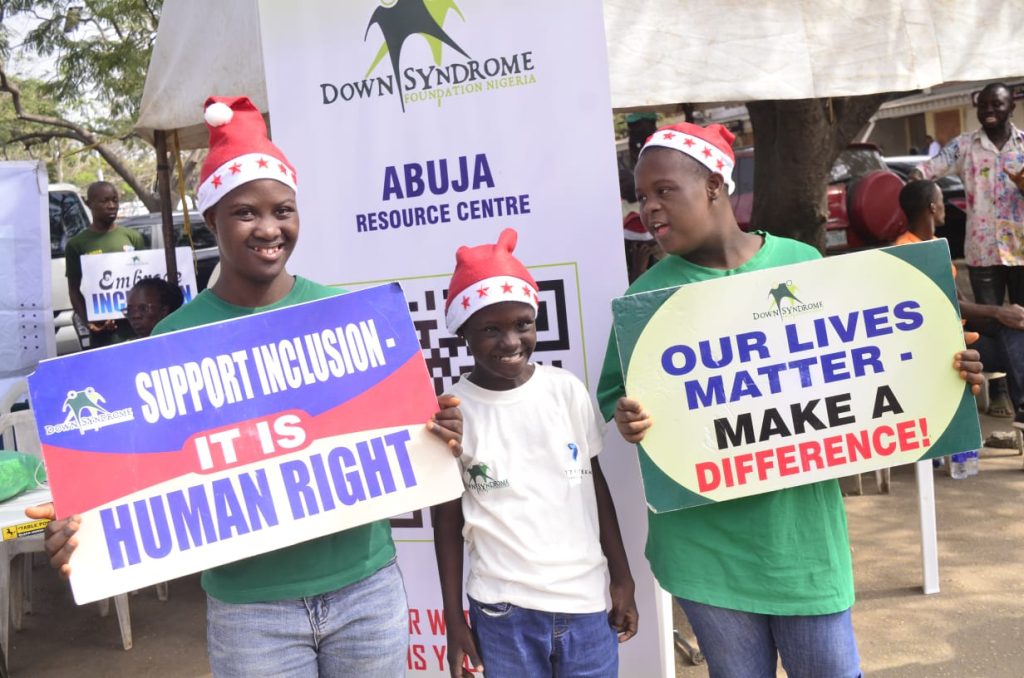
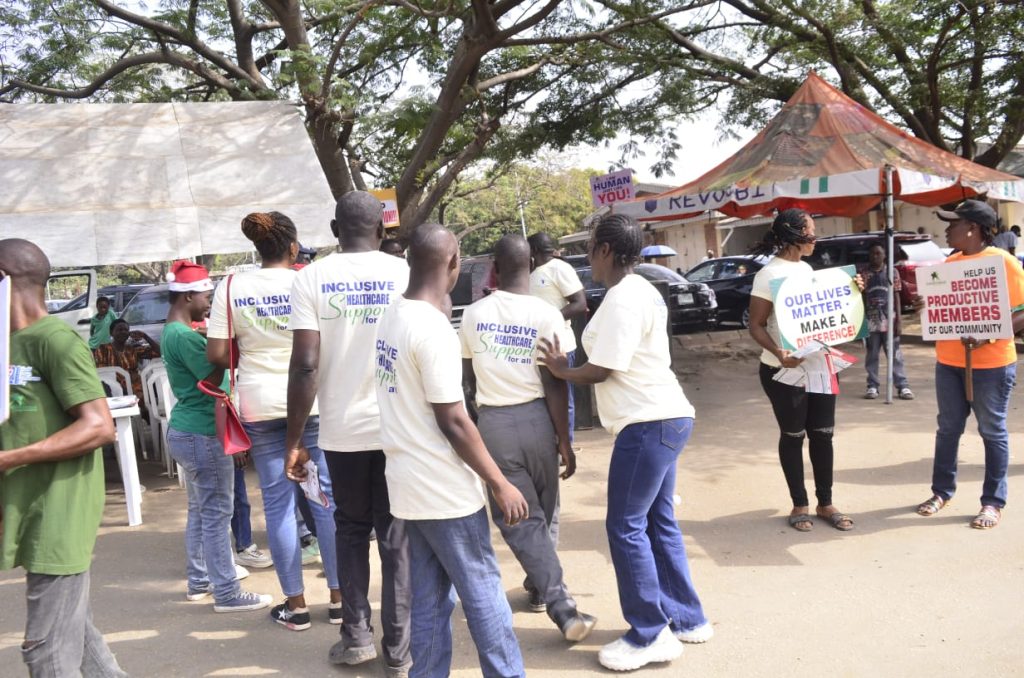

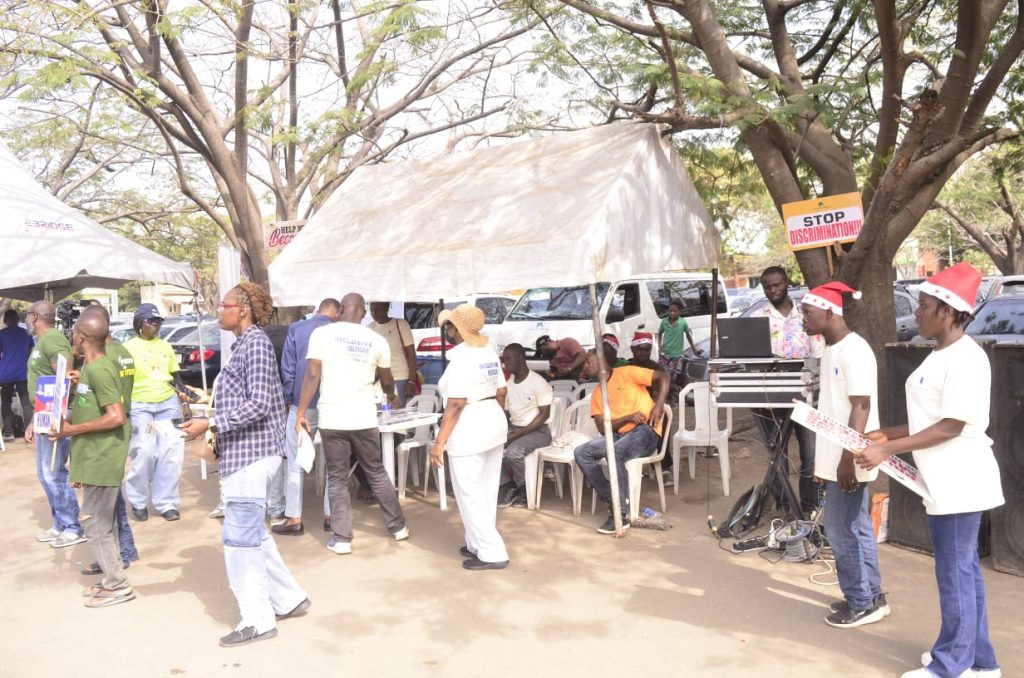
The Wuse Market outreach marks another significant milestone in DSFN’s nationwide campaign to challenge stigma, dismantle misconceptions, and advance the rights of persons living with Down syndrome and other intellectual disabilities.
Speaking at a press briefing ahead of the outreach, National President of DSFN, Mrs. Rose Mordi, described the programme as a deliberate effort to meet communities where they are—engaging traders, residents, caregivers, and families in direct conversations about inclusion, rights, and dignity.

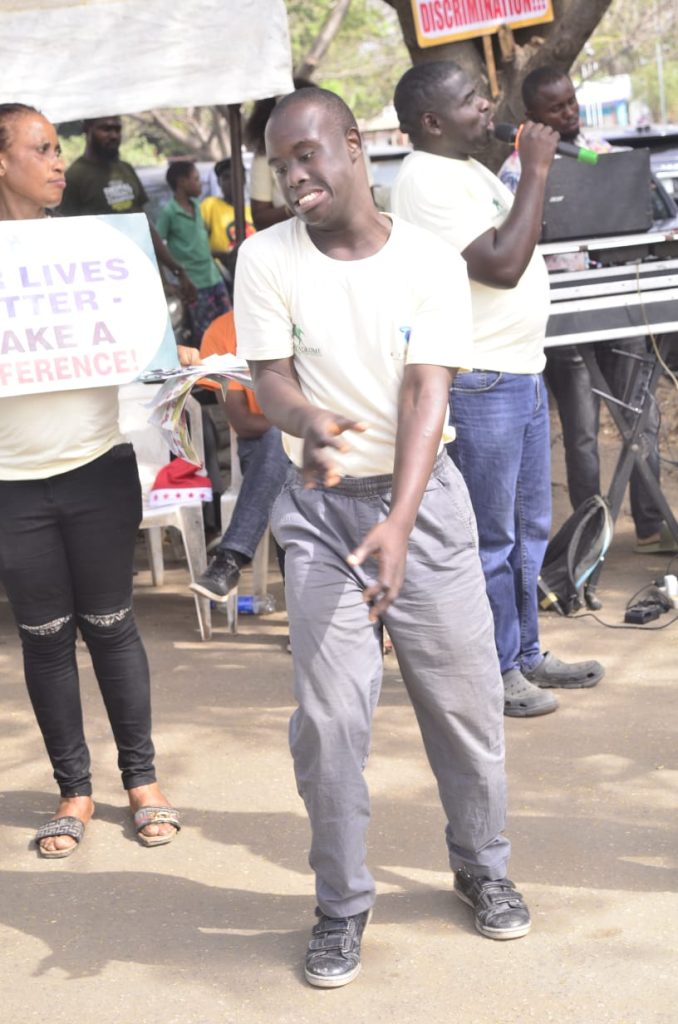

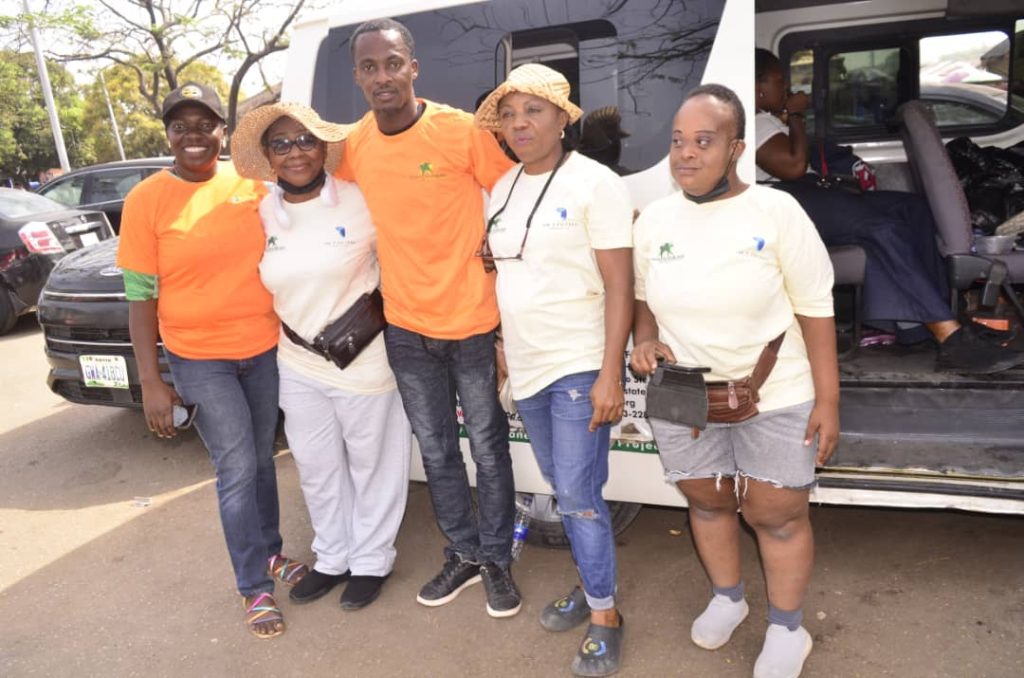
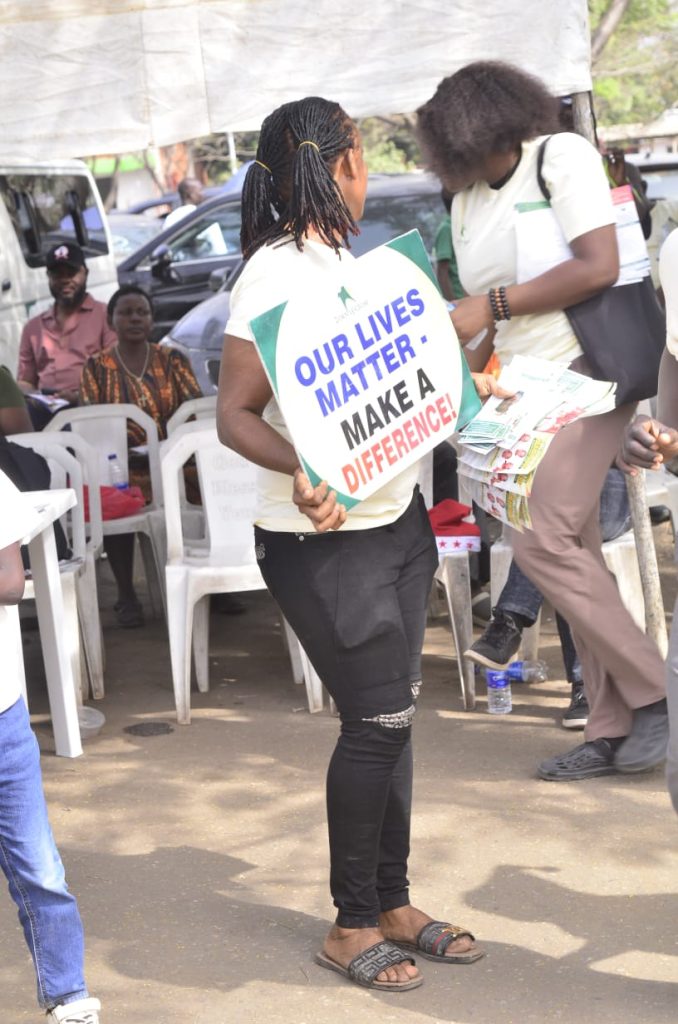

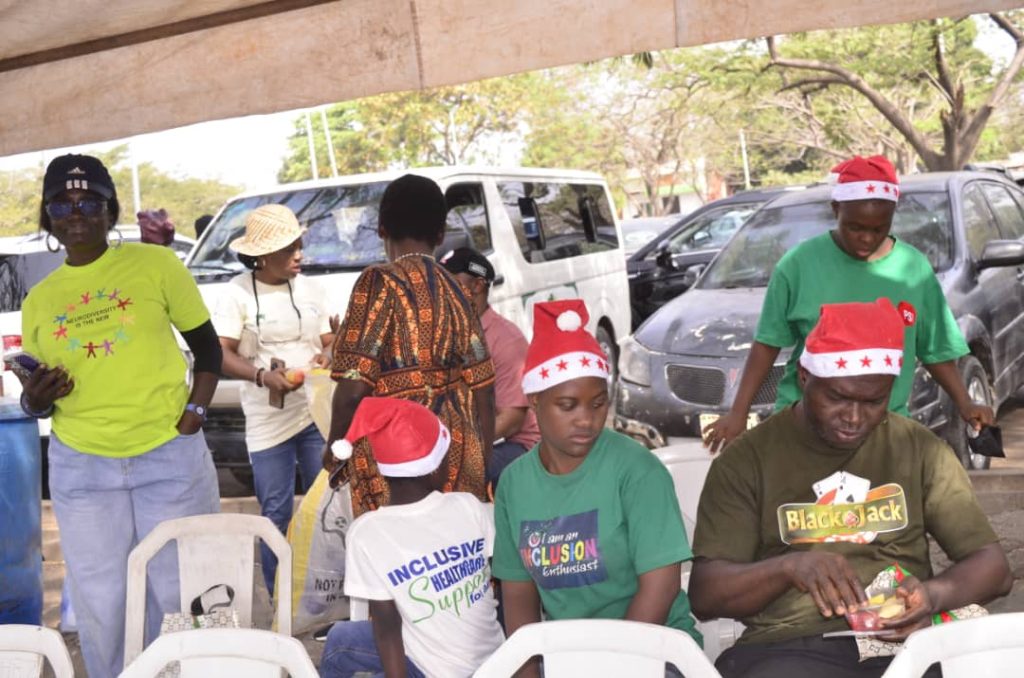
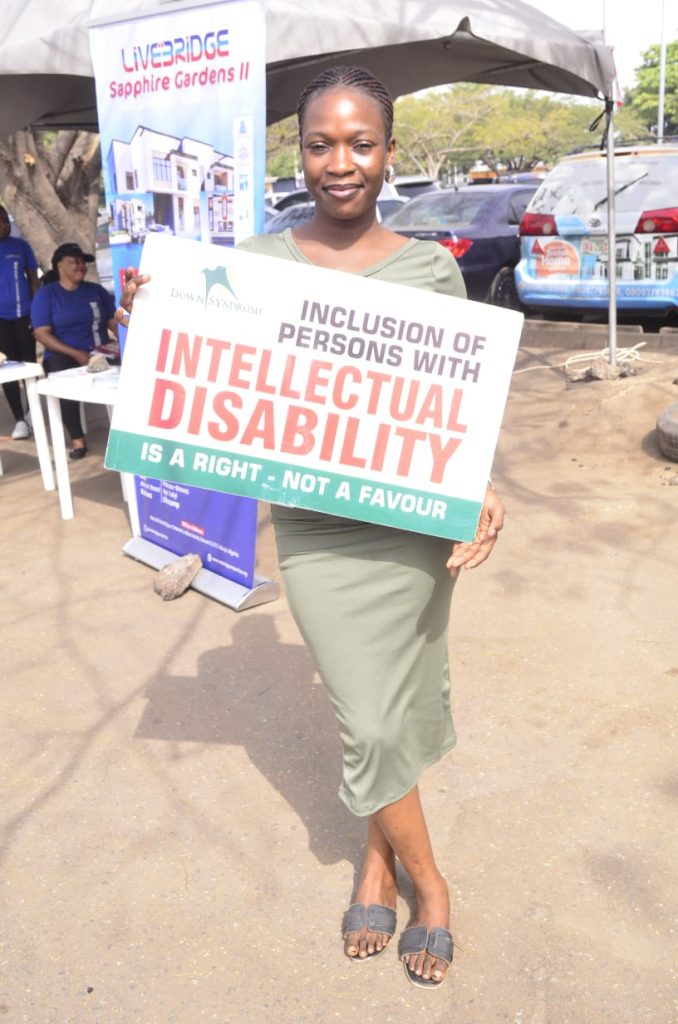
According to her, the outreach will feature free assessment and counselling services for families, distribution of educational and awareness materials, and extensive public sensitisation activities within the market environment. She noted that market leaders and community members will also participate in interactive dialogue sessions designed to demystify Down syndrome and encourage acceptance at the grassroots level.
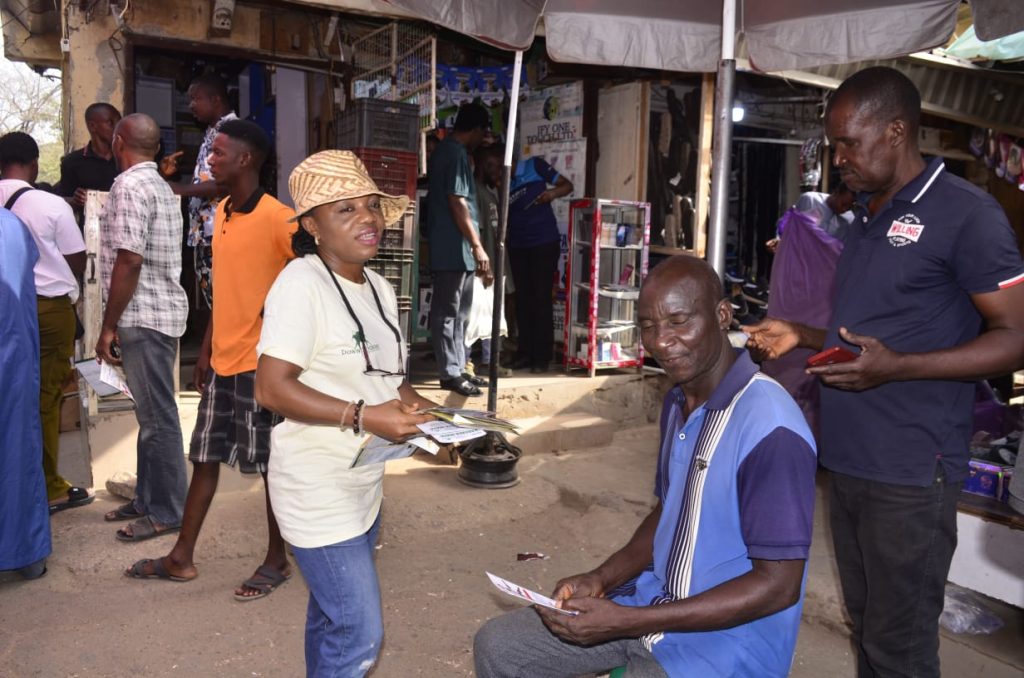
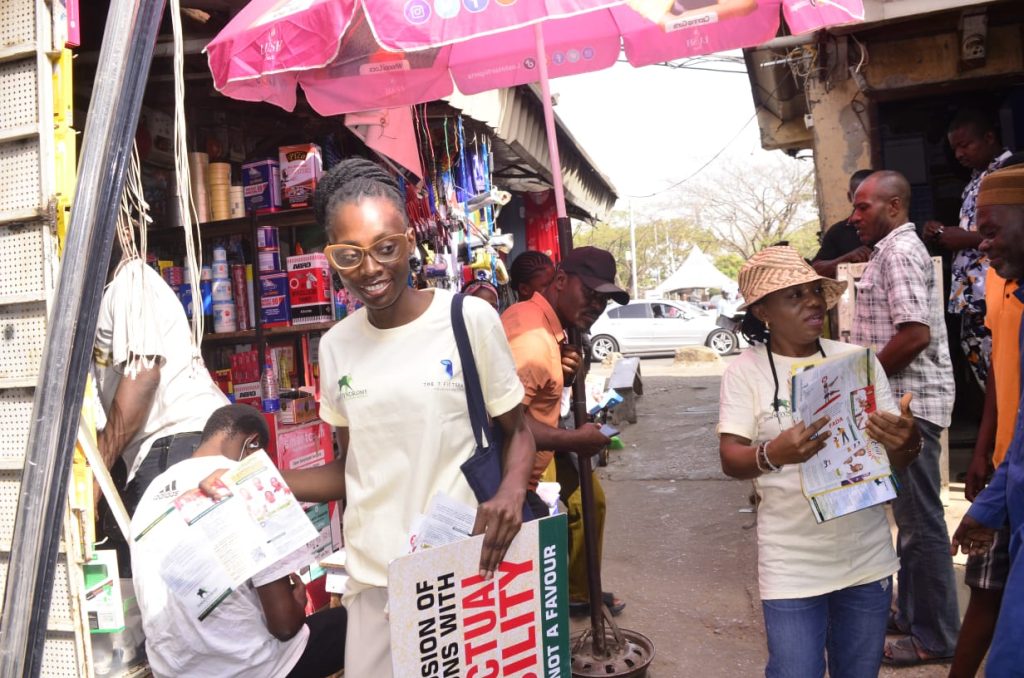
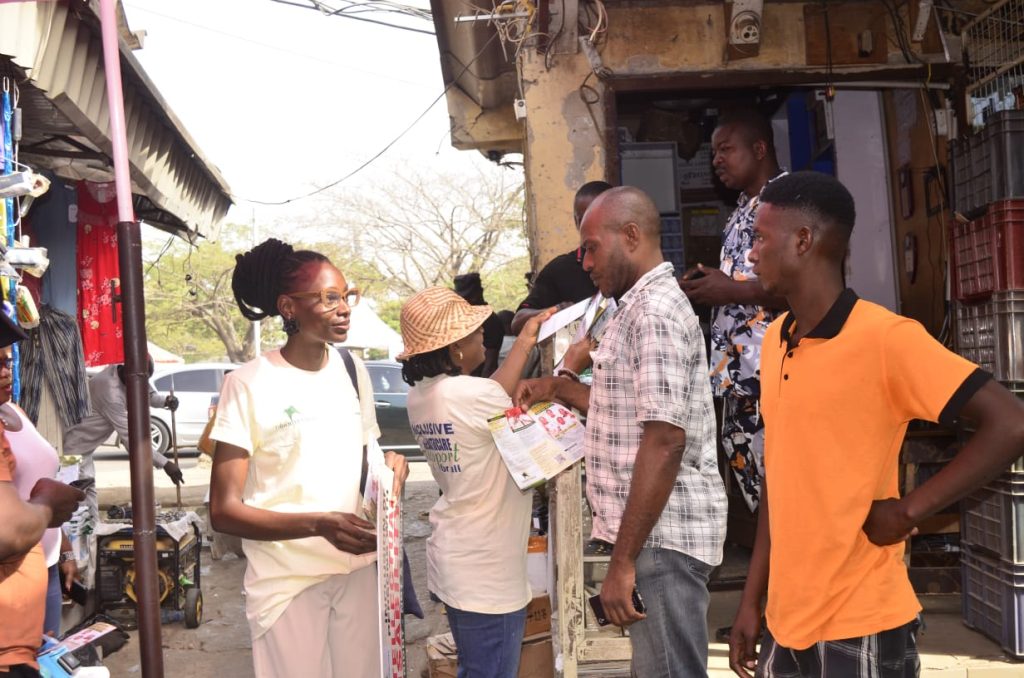
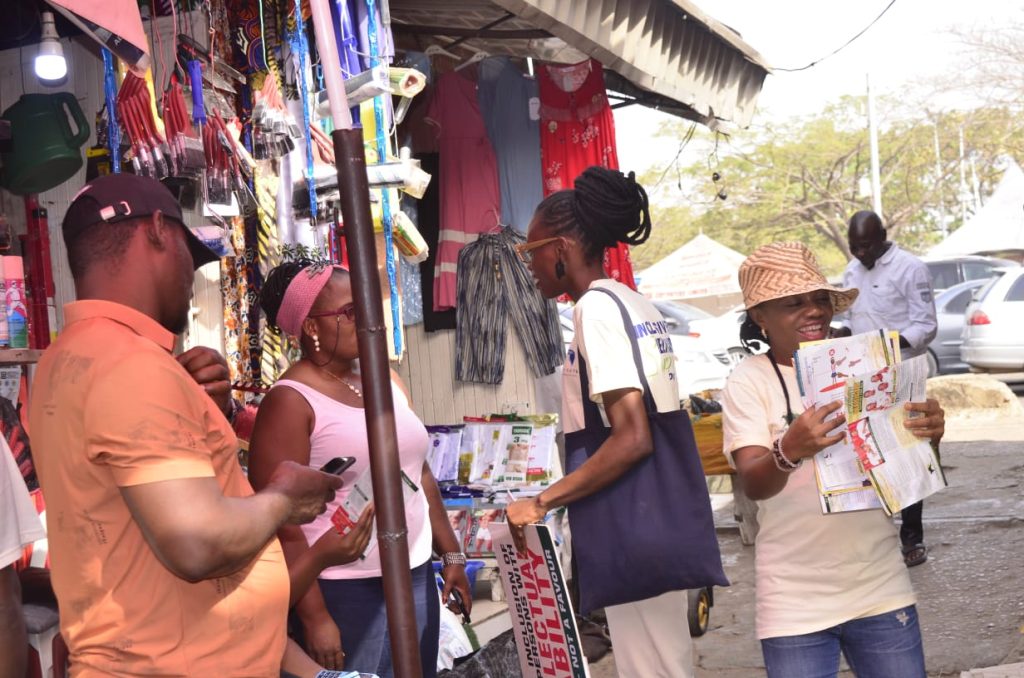
“This outreach is about breaking barriers and changing mindsets,” Mordi said. “Markets are places where people from all walks of life converge. By coming here, we are ensuring that conversations around Down syndrome and intellectual disabilities reach everyday Nigerians.”
She expressed concern that despite the existence of legal protections for persons with intellectual disabilities in Nigeria, poor implementation continues to deny many individuals access to essential services, protection, and opportunities.
“While Nigeria has a legal framework for protecting the rights of persons with intellectual disabilities, the reality on the ground tells a different story,” she stated. “We are urging the Federal Government to move beyond policy declarations and take decisive steps to activate the full provisions of the Intellectual Disabilities Act. Too many lives are being affected due to gaps in implementation.”

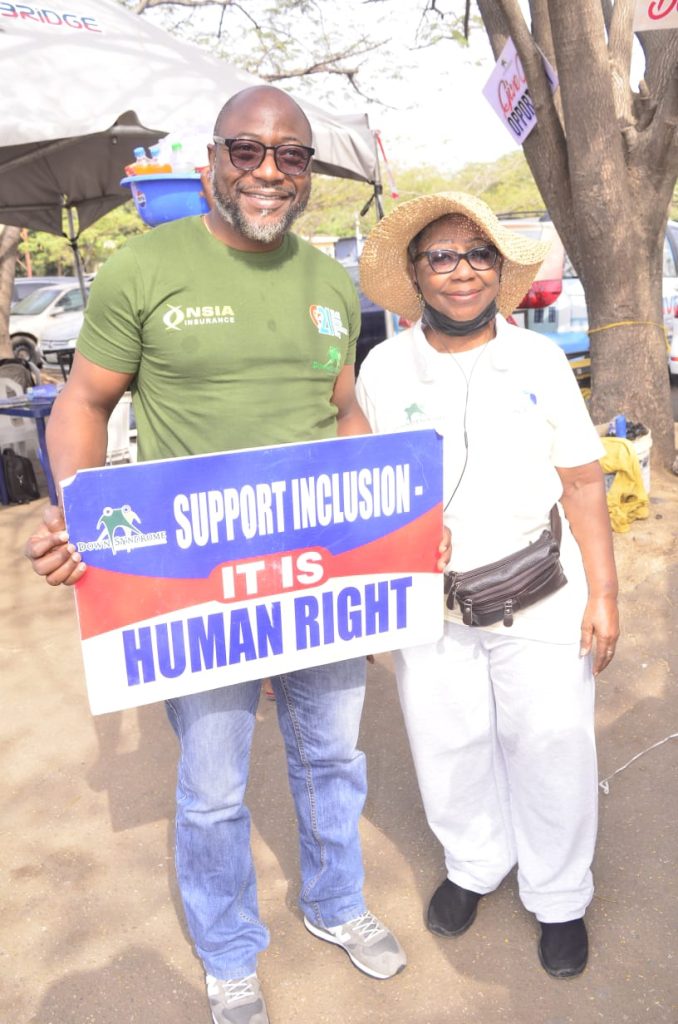

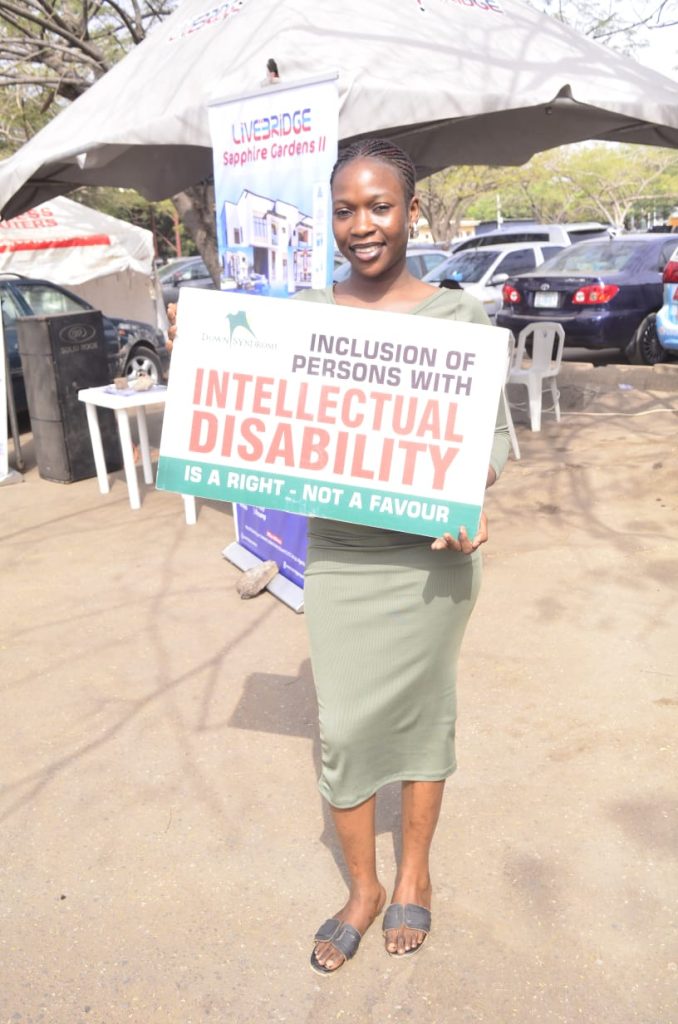
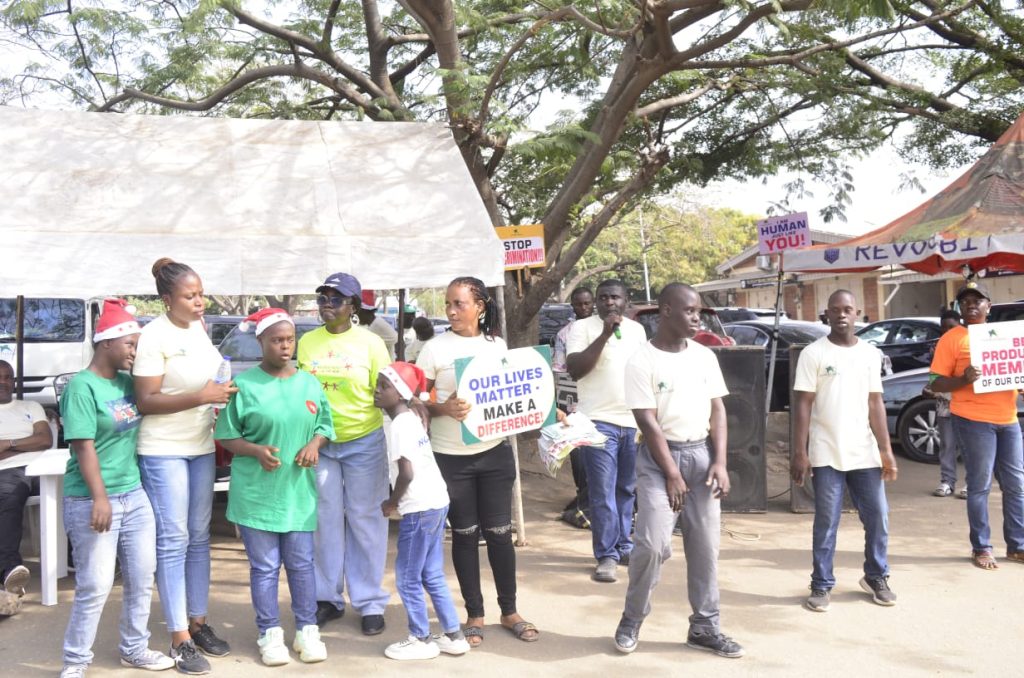
Mordi also made a passionate appeal to parents and guardians, urging them not to hide or isolate children living with Down syndrome due to fear, shame, or societal pressure. She emphasized that with the right support systems, children with Down syndrome can lead meaningful, productive, and fulfilling lives.
“Children with Down syndrome are capable, talented, and full of potential,” she said. “With adequate care, training, and early intervention—such as the programmes provided by DSFN—they can thrive. Families must understand that they are not alone; we walk this journey with them every step of the way.”
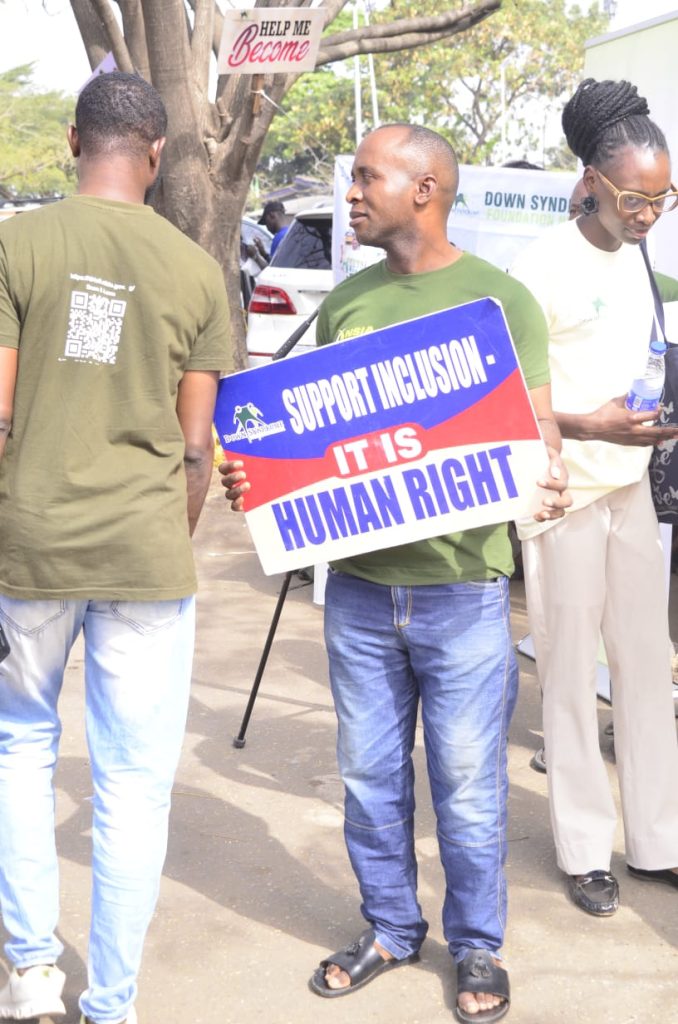


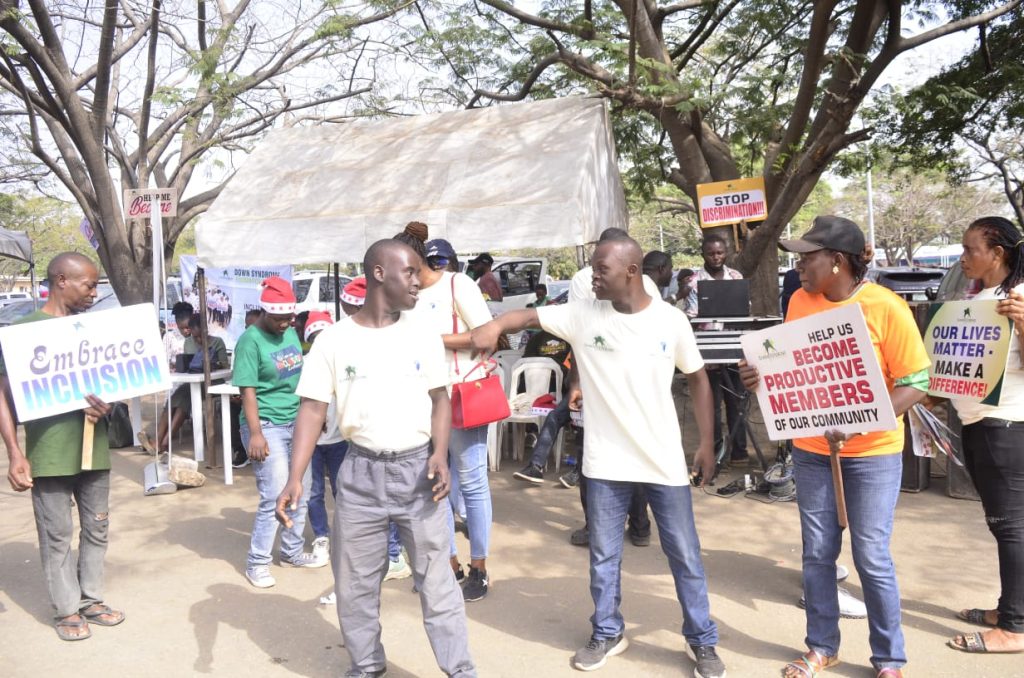
The Foundation further called on government agencies, civil society organisations, market associations, traditional institutions, and the media to scale up efforts toward building an inclusive society where persons with intellectual disabilities are respected, supported, and given equal opportunities to succeed.
DSFN noted that sustainable inclusion requires collective responsibility, stressing that awareness, acceptance, and implementation of existing laws are critical to ensuring that no Nigerian is left behind because of disability.
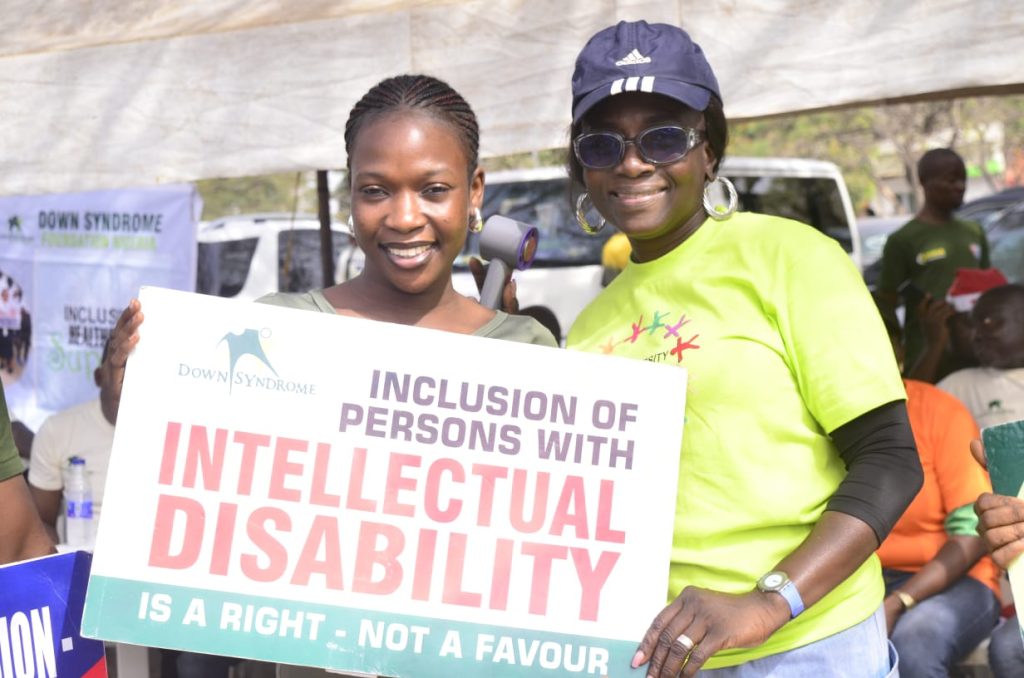
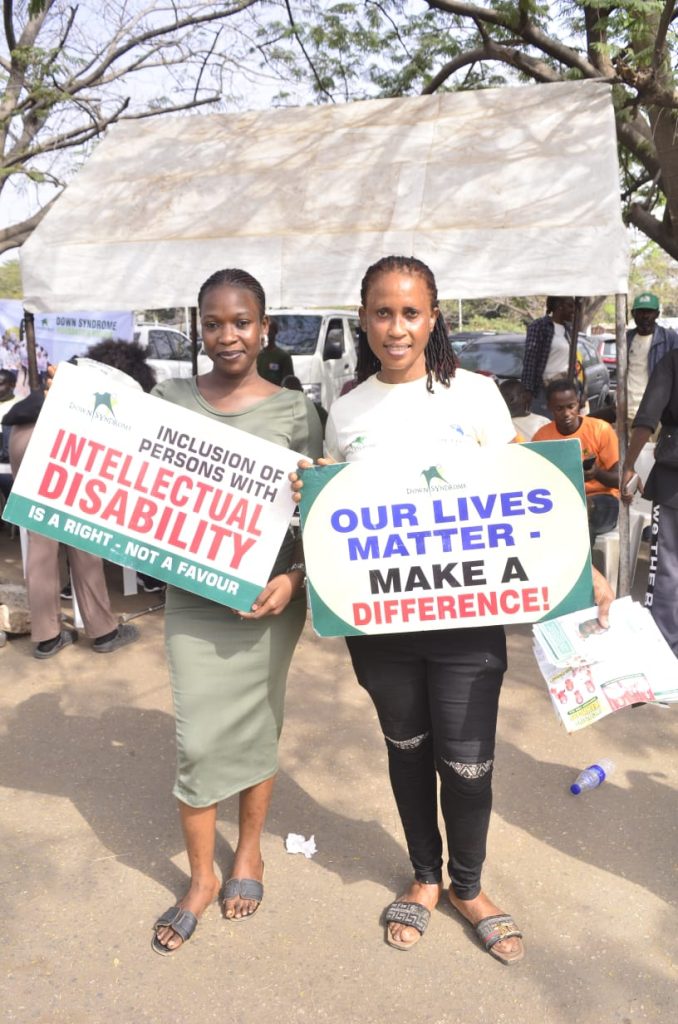
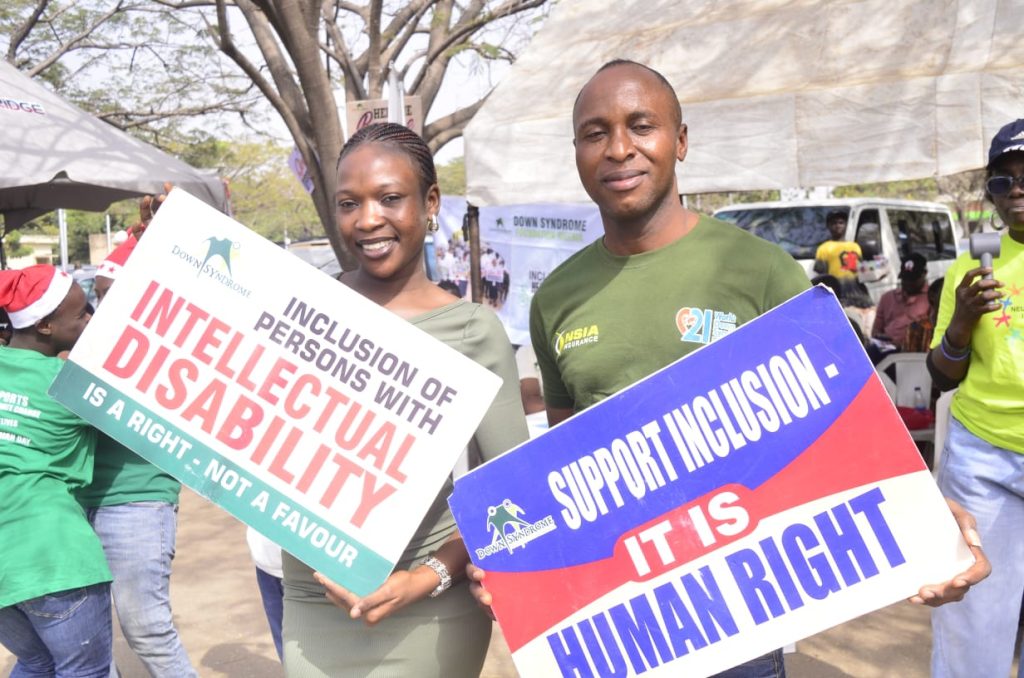
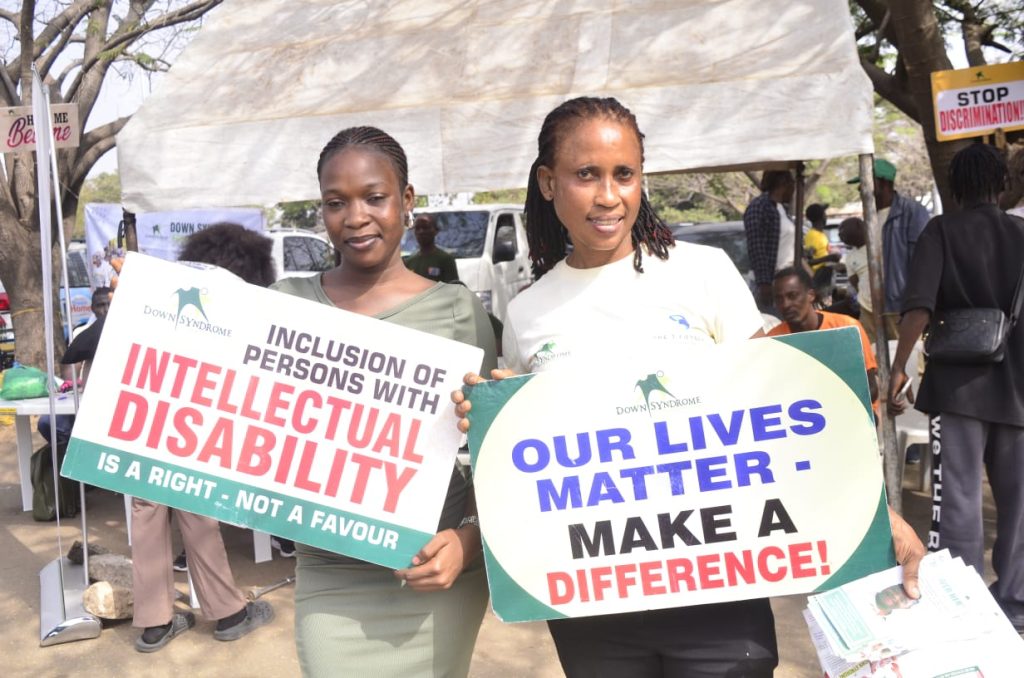
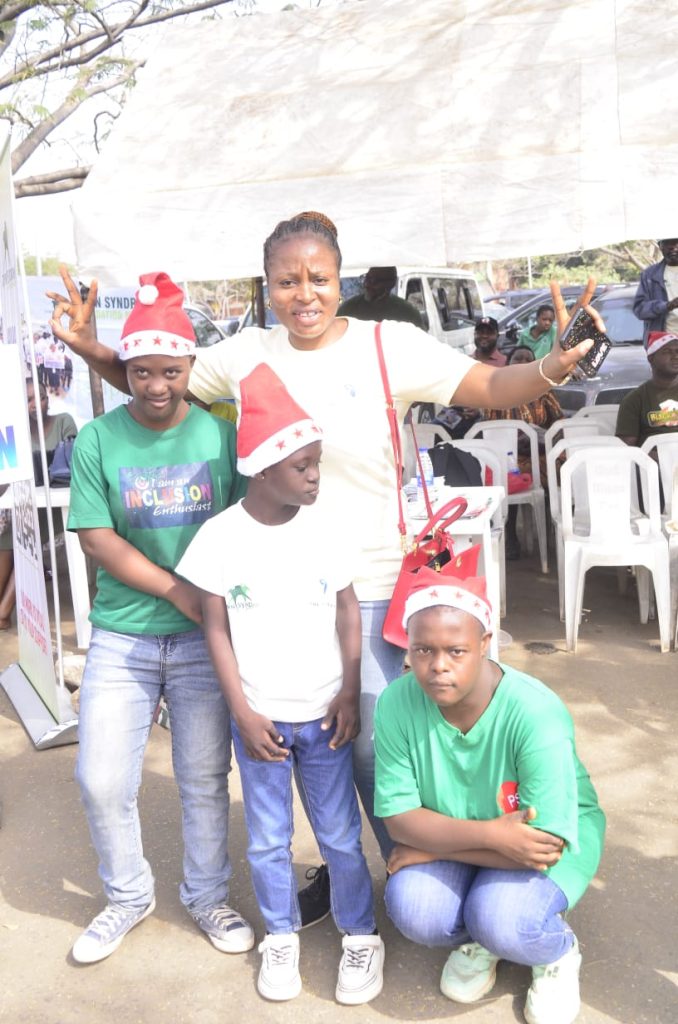
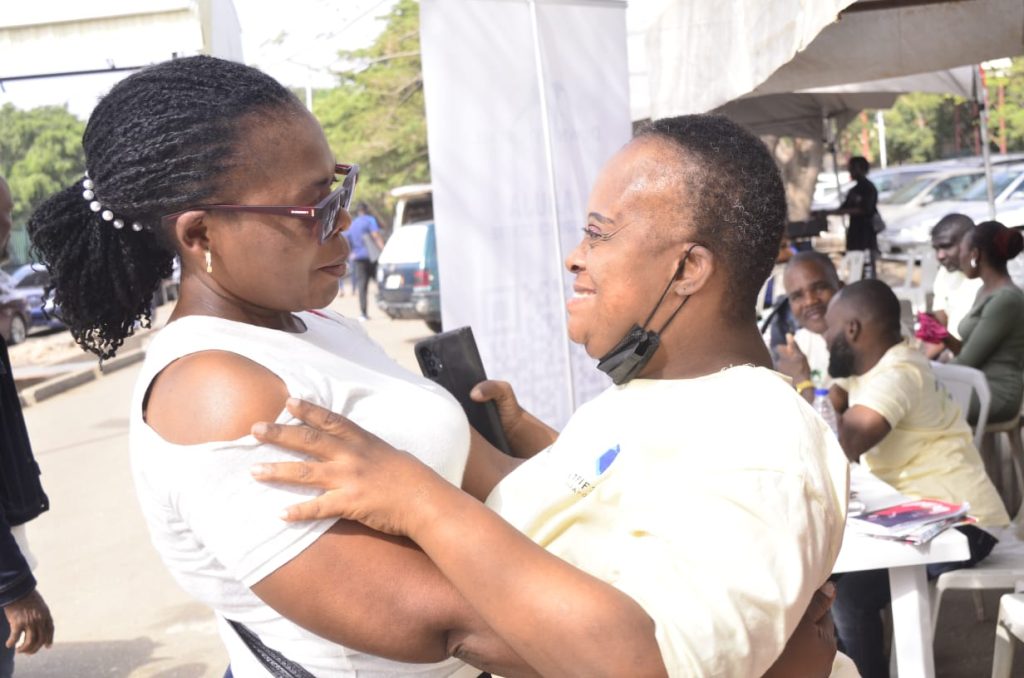
As DSFN takes its advocacy to the bustling lanes of Wuse Market, the message is clear: inclusion must move from policy to practice, and society must recognise that persons with Down syndrome are not defined by limitations, but by possibilities.
Click the link below to join our WhatsApp channel


