

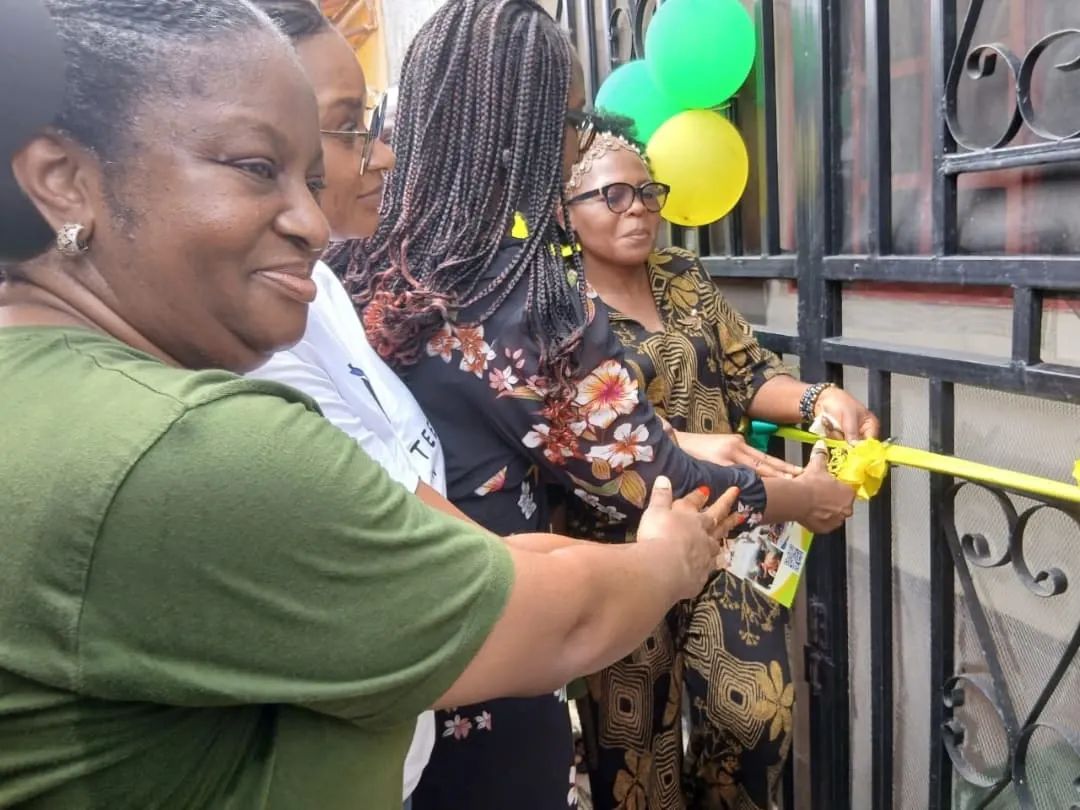
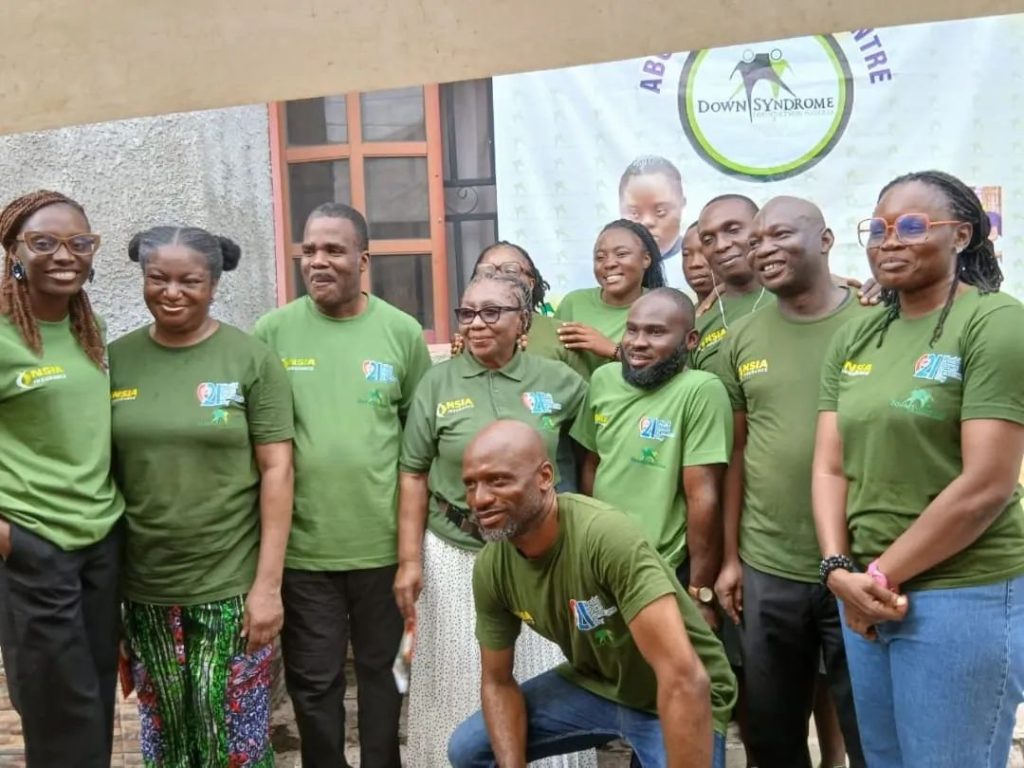
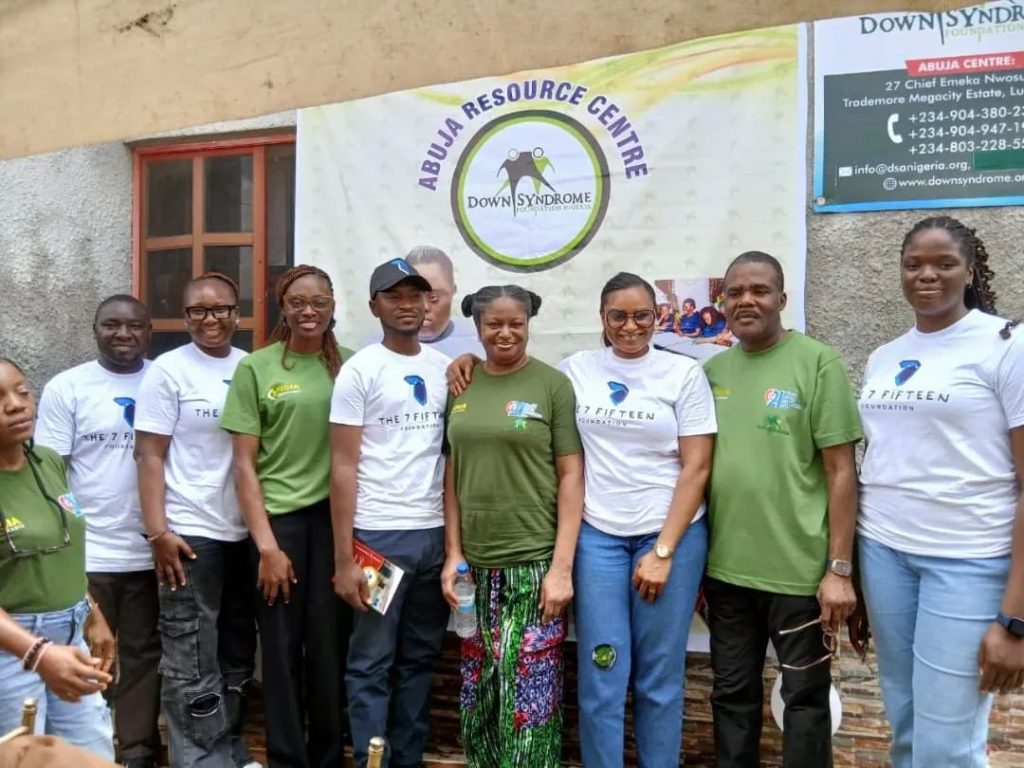
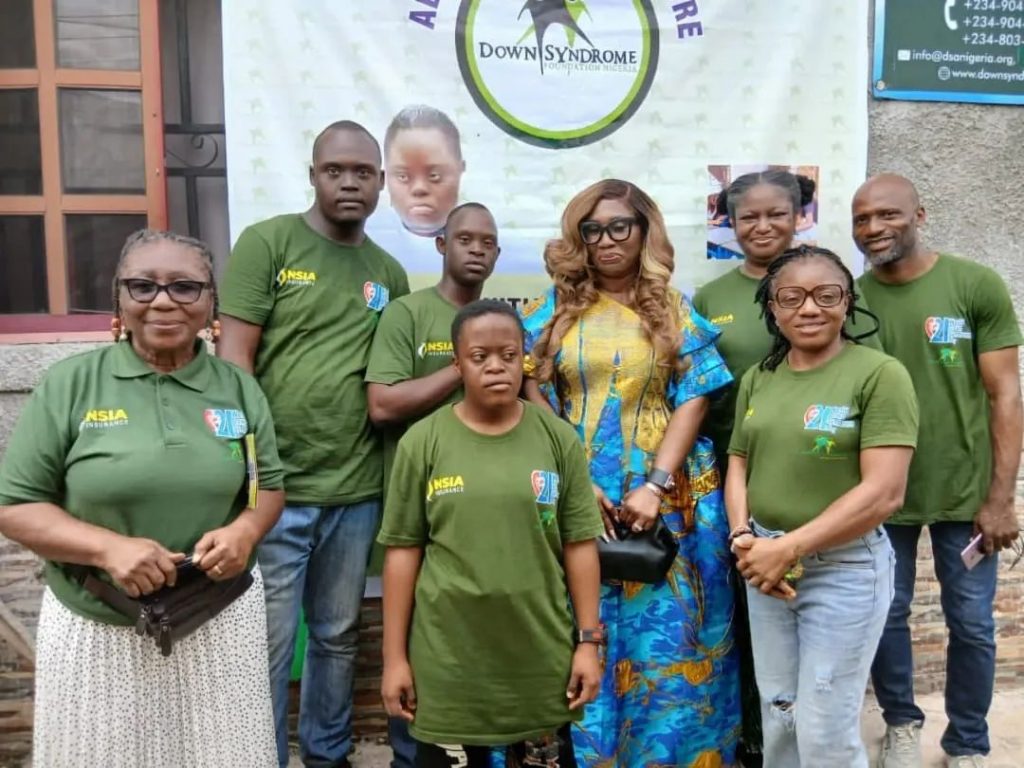
Abuja, Nigeria – The Down Syndrome Foundation Nigeria (DSFN), one of the nation’s foremost disability advocacy organizations, took a historic step on Wednesday with the official launch of its first-ever Abuja Resource Centre in Trademoore Estate, Lugbe. The landmark event marks the Foundation’s expansion beyond Lagos and Ibadan, bringing its life-changing advocacy, training, and empowerment services closer to families in Nigeria’s Northern region.
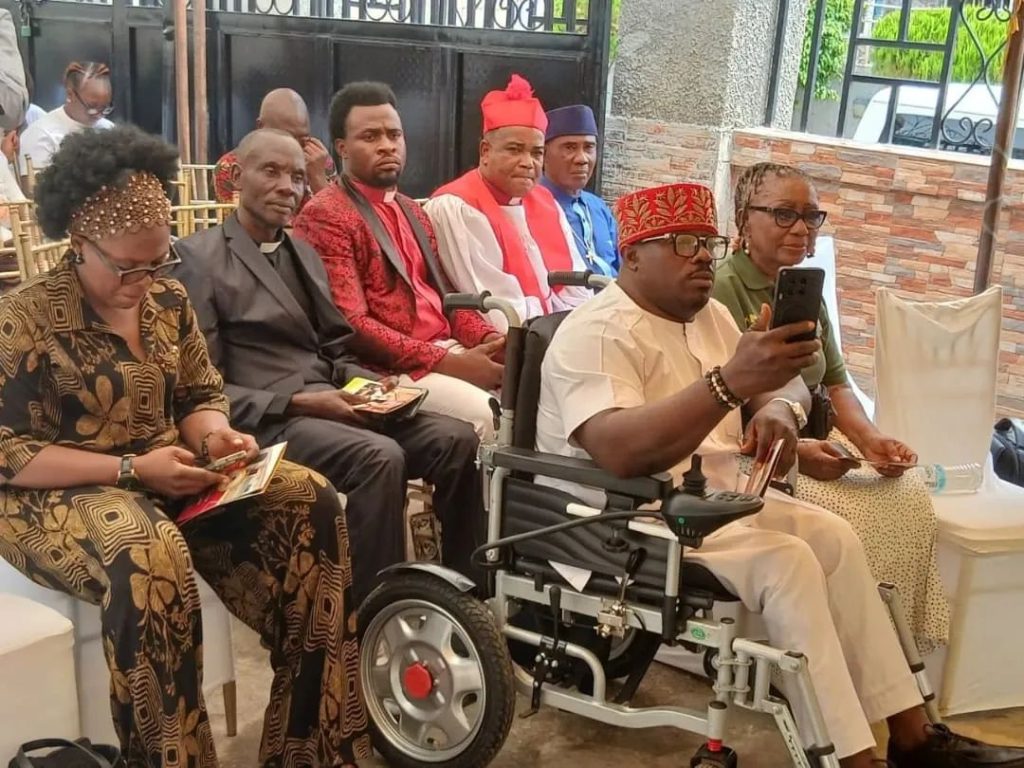
The inauguration drew a cross-section of society—parents of children with disabilities, disability rights advocates, clergymen, development partners, and community leaders—who came together to celebrate what many described as a “long-overdue presence” in the Federal Capital Territory (FCT).
In her opening remarks, Mrs. Rose Mordi, Founder and CEO of DSFN, described the occasion as deeply personal, rooted in her journey as a mother to a daughter with Down syndrome.
“This journey began for me, not just as an advocate, but as a mother,” Mrs. Mordi shared with emotion. “From the very beginning, I understood the challenges, fears, and hopes that come with raising a child with an intellectual disability. Out of that experience, the vision for DSFN was born. My goal has always been to create spaces where children and young adults with intellectual disabilities are accepted, nurtured, and empowered to live fulfilling lives.”
Tracing the Foundation’s 24-year history of advocacy and service, she emphasized that the Abuja centre is not just a physical structure, but a promise—to families, to children, and to society at large.
“This centre is a promise that every child with an intellectual disability will be given the chance to thrive. A promise that parents will never have to walk this journey alone. And a promise that with the right support, our children can achieve far more than society often expects of them,” she declared.
Mrs. Mordi also extended gratitude to DSFN’s Board of Trustees, partners, and families whose resilience has sustained the Foundation over the years, while calling on stakeholders to rally around the new centre to make it “a beacon of hope, learning, and empowerment for generations to come.”
Development Partners Laud the Milestone
The launch attracted glowing tributes from stakeholders in the disability rights community and development sector. Esther Bature of Sightsavers and Delphine from Leprosy Mission both praised the Foundation for its courage and consistency, noting that the Abuja Resource Centre is “long overdue.”
“Based on the impactful activities already carried out in Lagos, DSFN should have had a presence in the FCT long before now. Being at the seat of power places the Foundation in a stronger position to influence policies that directly affect children with intellectual disabilities,” Bature noted.
Advocates and Leaders Rally Support
Several prominent disability advocates also graced the event, including Lois Auta, CEO of Cedar Seeds Foundation; Comrade Chris Agbo, Chairman of the National Association of Persons with Disabilities (NAPWPD), FCT Chapter and CEO of The Qualitative Magazine/JOMIDA Foundation; and Joseph Waliki Kaura, Chairman of the Joint National Association of Persons with Disabilities (JONAPWD), FCT Chapter.
They all echoed a common sentiment—that the Abuja centre signals a new dawn for children and young adults with Down syndrome and other intellectual disabilities in the capital.
Building on Lagos Legacy
Since its establishment over two decades ago, the Down Syndrome Foundation Nigeria has been a household name in Lagos, where it has spearheaded multiple advocacy campaigns, empowerment programmes, inclusive education initiatives, and public awareness drives.
Its services have supported countless families, reshaped perceptions, and strengthened calls for inclusion. With the Abuja centre, DSFN is poised to replicate and even expand these efforts in the FCT.
Looking Ahead: Rehabilitation, Empowerment, and Policy Influence
Observers say the Abuja presence will not only provide direct support services—such as rehabilitation, training, and empowerment—but will also sharpen advocacy efforts at the national level. By being close to policymakers, DSFN can push for stronger legal protections, inclusive policies, and increased investment in services for children with intellectual disabilities.
As the event drew to a close, the sense of anticipation was palpable. For parents, it meant less travel to access services. For advocates, it meant a stronger voice in Abuja. And for children with disabilities, it meant a brighter future where they are empowered, supported, and given the chance to thrive.
With the Abuja Resource Centre now open, the Down Syndrome Foundation Nigeria has not only expanded its footprint but also reaffirmed its mission: ensuring that no child with Down syndrome—or any intellectual disability—is left behind.
Follow the The Qualitative Magazine channel on WhatsApp: https://whatsapp.com/channel/0029VanfIB50wajpjGi3JJ1G


