

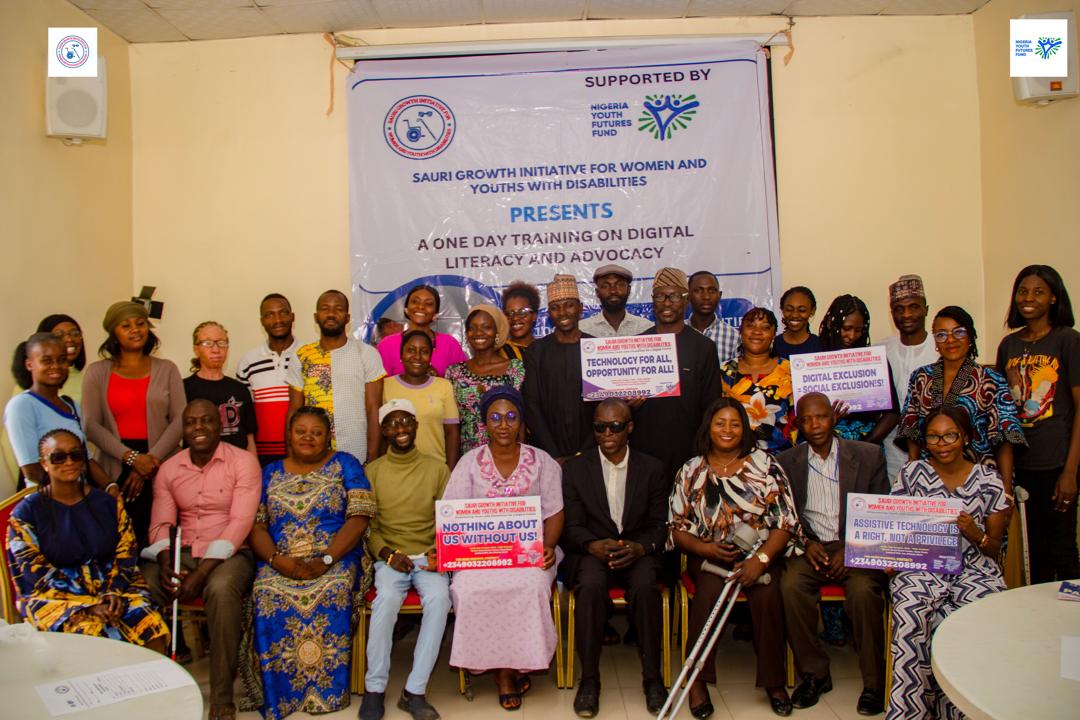
In a bold and transformative step toward bridging the digital divide, young persons with disabilities in Plateau State are taking center stage in driving conversations around inclusive technology and equitable access to digital opportunities.
Following the successful training of 100 young persons with disabilities, the Sauri Growth Initiative for Women and Youth with Disabilities has intensified its advocacy by convening a high-level roundtable stakeholders’ engagement in Jos on March 24, 2026. The engagement marked a critical turning point in efforts to advance digital inclusion and ensure that no one is left behind in Nigeria’s rapidly evolving digital landscape.
The earlier training, widely regarded as impactful and empowering, equipped participants from diverse disability clusters with essential digital literacy skills. Beyond basic knowledge, participants were introduced to assistive technologies designed to enhance accessibility, as well as storytelling techniques that enable them to amplify their voices, share lived experiences, and advocate for inclusive governance.
Building on this momentum, the roundtable brought together a dynamic mix of stakeholders, including young disability advocates, Organizations of Persons with Disabilities (OPDs), representatives of the Plateau State Ministry, the Plateau State Disability Rights Commission, civil society actors, and development partners. The atmosphere was charged with purpose, collaboration, and a shared commitment to dismantling barriers that continue to exclude persons with disabilities from digital participation.
At the heart of the discussions was a critical examination of gaps within Nigeria’s national digital framework. Stakeholders identified systemic challenges such as inaccessible digital platforms, limited availability of assistive technologies, poor implementation of inclusive policies, and inadequate awareness of accessibility standards. These barriers, participants noted, continue to hinder the full participation of persons with disabilities in education, employment, governance, and social engagement within digital spaces.
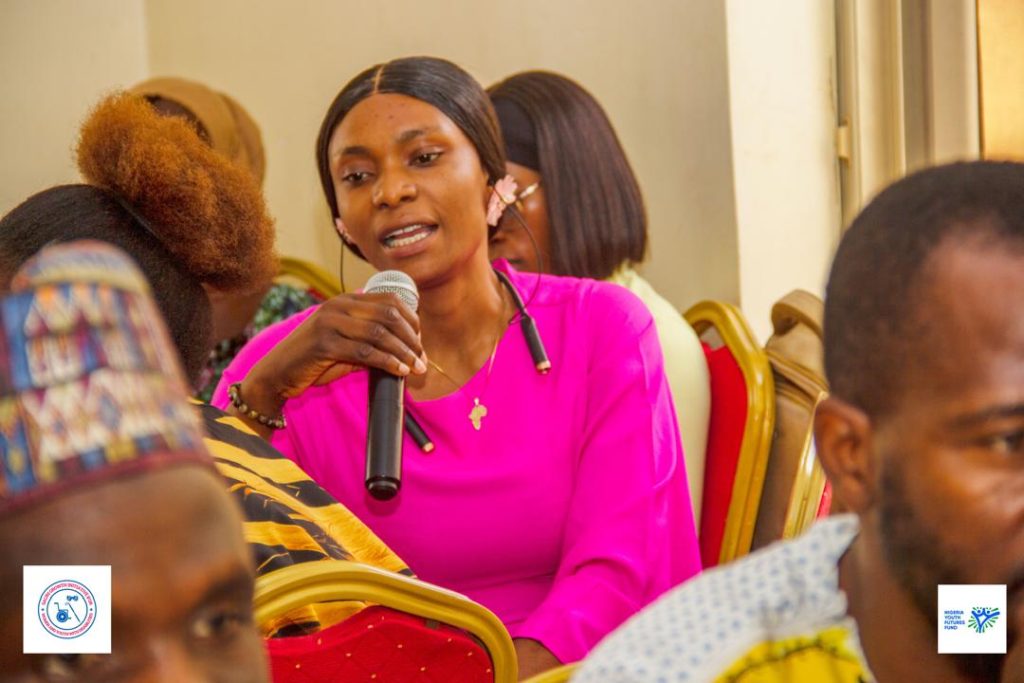
What made the engagement particularly powerful was the prominent role played by young persons with disabilities themselves. Speaking from lived experience, they shared compelling stories of navigating digital exclusion—struggling with websites that are not screen-reader friendly, content without captions or audio descriptions, and the high cost or unavailability of assistive tools. Their voices added urgency and authenticity to the conversation, reinforcing the need for intentional, inclusive design and policy enforcement.
The roundtable was not just about dialogue—it was solution-driven. Participants engaged in robust brainstorming sessions, co-creating practical and actionable recommendations aimed at transforming digital ecosystems into inclusive spaces. These recommendations have been consolidated into a comprehensive policy brief, a key outcome of the engagement. The document is expected to serve as a strategic advocacy tool to influence inclusive digital policies and frameworks at both state and national levels.
In a strong show of commitment, stakeholders reaffirmed their resolve to mainstream disability inclusion across all stages of governance and development processes. From planning and budgeting to implementation, monitoring, and evaluation, there was a consensus that young persons with disabilities must be actively involved and not treated as an afterthought.
The initiative, titled “Access to Digital Literacy for Young Persons with Disabilities in Plateau State,” is supported by the Nigeria Youth Futures Fund, reflecting a growing recognition of the importance of inclusive digital development.
Leading this impactful intervention is Comfort Ekwo, Executive Director of the Sauri Growth Initiative for Women and Youth with Disabilities. Drawing from her lived experience as a young woman with visual impairment, Ekwo has been a passionate advocate for accessible and inclusive digital spaces. She emphasized that for far too long, inaccessible platforms and content have limited the ability of persons with disabilities to fully participate in the digital world.
“This initiative is not just about skills,” she noted. “It is about breaking barriers, amplifying voices, and creating opportunities for young persons with disabilities to thrive in a digital society.”
As Nigeria continues its journey toward digital transformation, this convening in Plateau State stands as a powerful reminder that true progress must be inclusive. It sends a clear message: digital inclusion is not a privilege—it is a right.
With sustained advocacy, strategic partnerships, and the active involvement of persons with disabilities, the vision of an inclusive digital future is no longer distant—it is steadily becoming a reality.


