

By TQM News
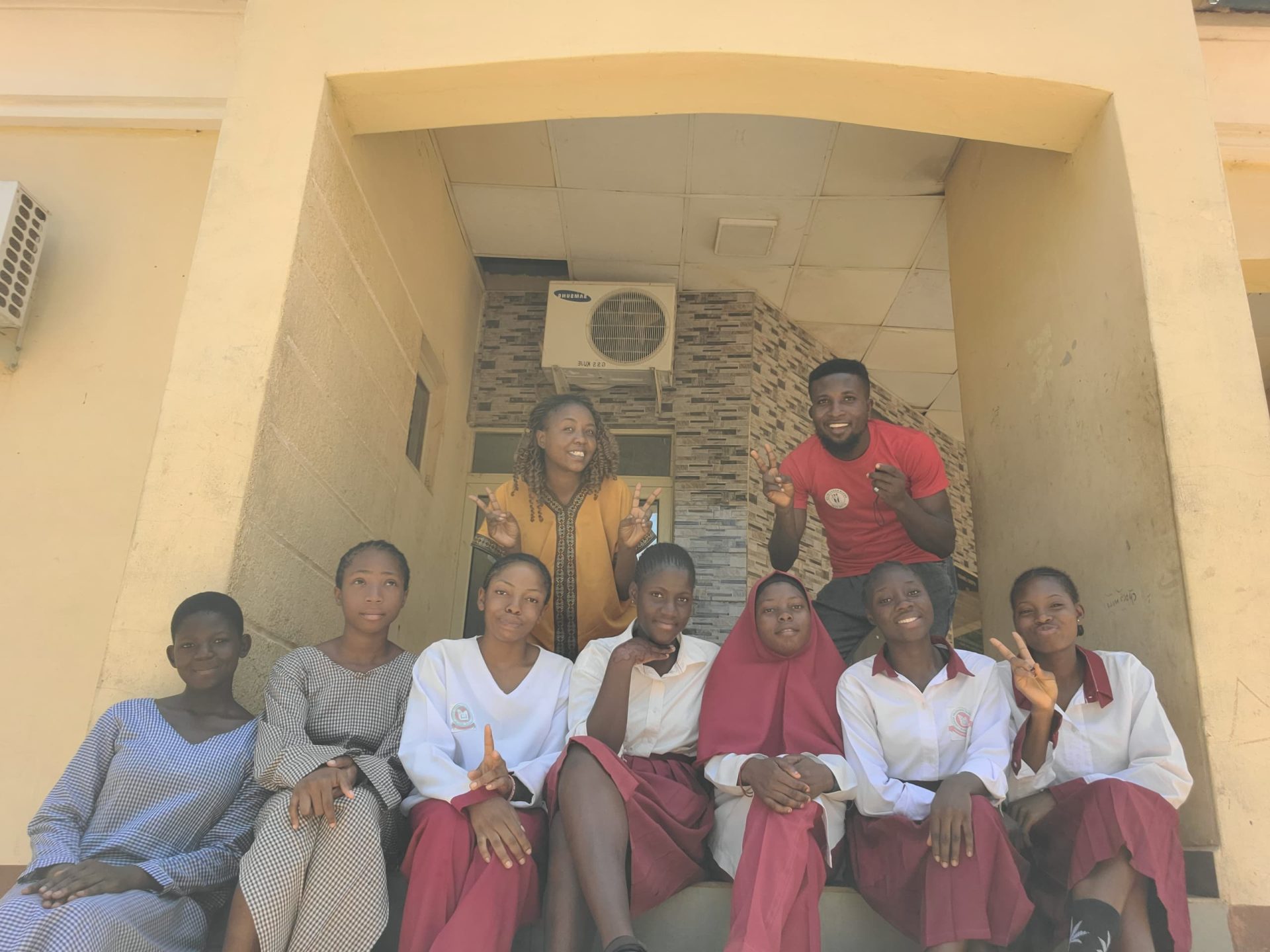
In a world where persons with disabilities are too often underestimated, a team of brilliant Deaf girls from Nigeria has shattered stereotypes and demonstrated that innovation has no barriers.
STRIM Girls, an all-Deaf team mentored by the Technology Beyond Disability Initiative (TechBDI), has emerged as Senior Division Finalists in the prestigious 2026 Technovation Girls Global Challenge, earning international recognition for their groundbreaking AI-powered innovation, Saving Pad.
Their remarkable achievement has secured them a place among the world’s most outstanding young innovators and the honour of representing Africa at the Technovation World Summit in India this October.
For many, this is simply another success story in the technology sector. However, for Nigeria’s disability community, it represents something much greater—a powerful affirmation that disability is not inability and that inclusive education, mentorship, and equal opportunities can unlock extraordinary potential.
The Technovation Girls Global Challenge is widely regarded as one of the world’s leading technology and entrepreneurship competitions for girls. Every year, thousands of teams from across the globe identify pressing challenges in their communities and develop innovative technological solutions to address them. Only a handful of teams advance to the global finals, making STRIM Girls’ qualification a truly exceptional accomplishment.
Their AI-powered project, Saving Pad, stood out among thousands of entries, earning praise from judges and placing the Nigerian team on the global innovation map. While their innovation showcases technical excellence, it also tells a deeper story of determination, resilience, and the transformative impact of inclusive learning.
For years, many girls with disabilities have faced barriers to quality education, technology training, and participation in STEM (Science, Technology, Engineering, and Mathematics). Limited access to learning opportunities, inadequate assistive technologies, and societal misconceptions have prevented many talented young people from realizing their full potential.
STRIM Girls are changing that narrative.
Their journey demonstrates that talent exists everywhere, but opportunities do not. With access to mentorship, digital skills training, and an enabling environment provided by Technology Beyond Disability Initiative (TechBDI), these young innovators have proven that Deaf girls can excel in artificial intelligence, problem-solving, and technological innovation at the highest international level.
Beyond winning a place in the global finals, the team’s success sends a strong message to policymakers, educators, development partners, and the private sector: investing in inclusive STEM education is not charity—it is an investment in innovation, economic growth, and national development.
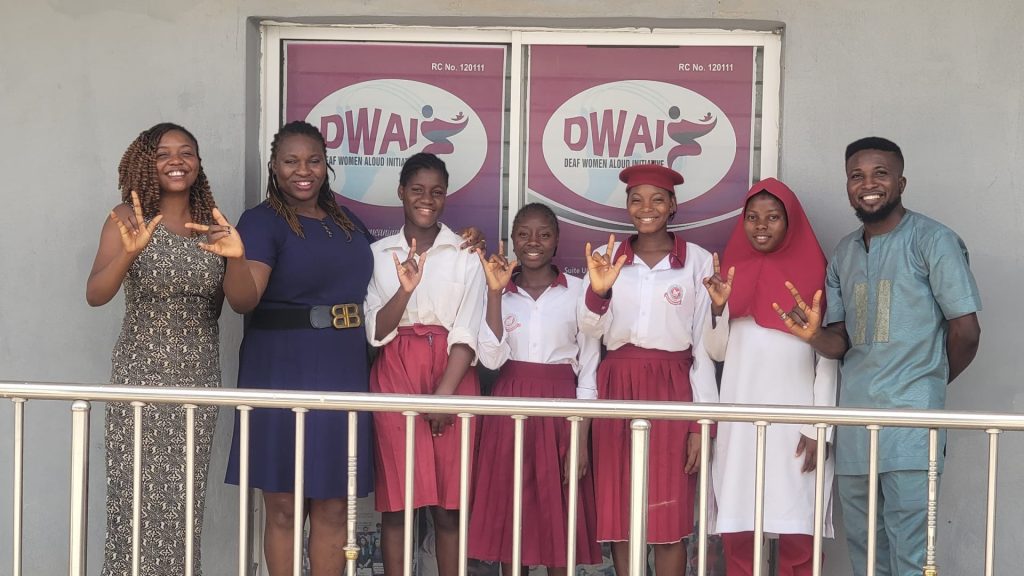
Speaking on the achievement, the Executive Director of Technology Beyond Disability Initiative (TechBDI), Nnenna Ogbonna, described the accomplishment as a proud moment for Nigeria and Africa.
“We are incredibly proud of STRIM Girls for this outstanding achievement. Their journey demonstrates that talent is everywhere, but opportunity is not. When girls and persons with disabilities are given the right support, mentorship, and access to technology, they can create innovative solutions that solve real-world problems and compete successfully on the global stage.
“As they prepare to represent Africa at the Technovation World Summit in India, we hope their story inspires more girls and young persons with disabilities across Africa to believe in their potential, pursue STEM, embrace innovation, and create solutions with global impact.”
The achievement has been widely celebrated within the disability inclusion and technology ecosystems, where advocates see it as another milestone in the campaign for equal access to education and digital opportunities for persons with disabilities.
Experts believe that the success of STRIM Girls should encourage governments and educational institutions to expand investments in accessible digital education, artificial intelligence, robotics, coding, and innovation programmes that deliberately include girls and learners with disabilities.
As the team prepares for the Technovation World Summit in India, they will carry not only Nigeria’s flag but also the hopes of millions of girls and persons with disabilities across Africa who aspire to demonstrate that ability—not disability—defines human potential.
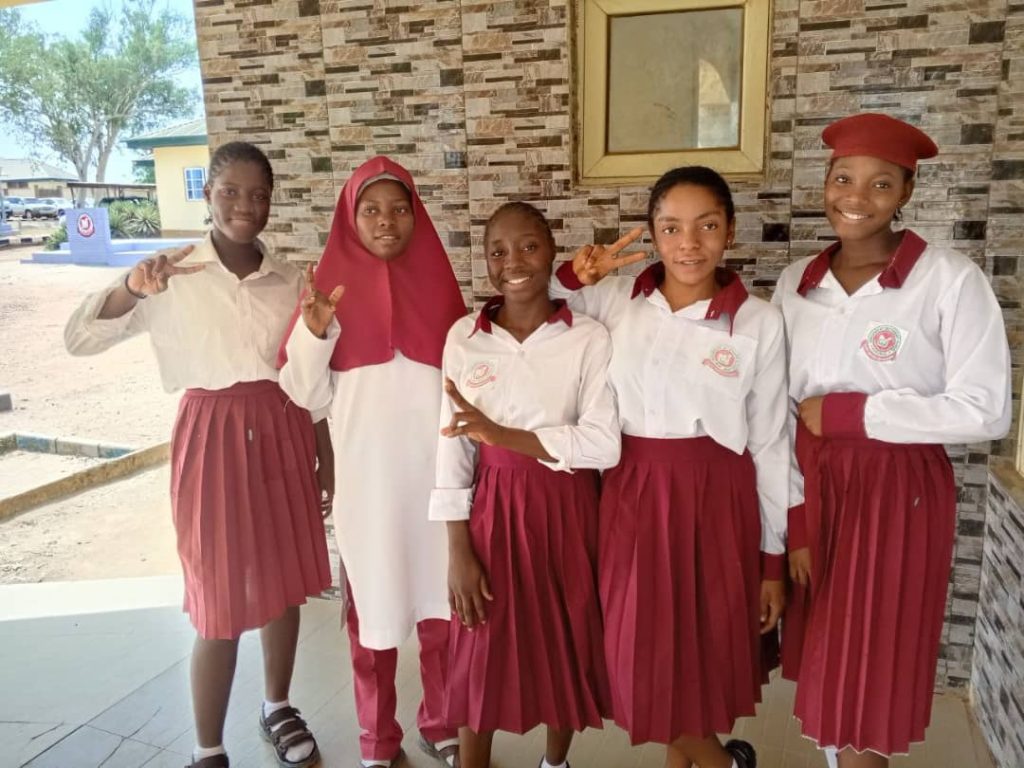
Their inspiring story is a reminder that the future of technology belongs to everyone. With the right support, inclusive policies, and equal opportunities, young persons with disabilities can become inventors, entrepreneurs, engineers, and global problem-solvers whose innovations improve lives and transform communities.
For the Technology Beyond Disability Initiative (TechBDI), this historic achievement is further evidence that its vision of promoting inclusive technology education is yielding tangible results. Through mentorship, strategic partnerships, and innovative training programmes, the organisation continues to equip girls and persons with disabilities with digital, artificial intelligence, robotics, and innovation skills required to thrive in today’s rapidly evolving digital economy.
As STRIM Girls prepare to step onto the global stage in India, they are doing more than competing in an international contest—they are inspiring a generation, breaking barriers, and proving that inclusion is not merely a social responsibility but a catalyst for innovation and sustainable development.