

In a significant victory for Nigeria’s ongoing fight against corruption and illicit financial flows, the Bailiwick of Jersey has signed a Memorandum of Understanding (MoU) with the Government of the Federal Republic of Nigeria for the return of more than $9.5 million in funds identified as proceeds of corruption. The recovered assets are set to provide a crucial financial boost to Nigeria’s strategic infrastructure development, particularly the final phase of the Abuja–Kano Road project.
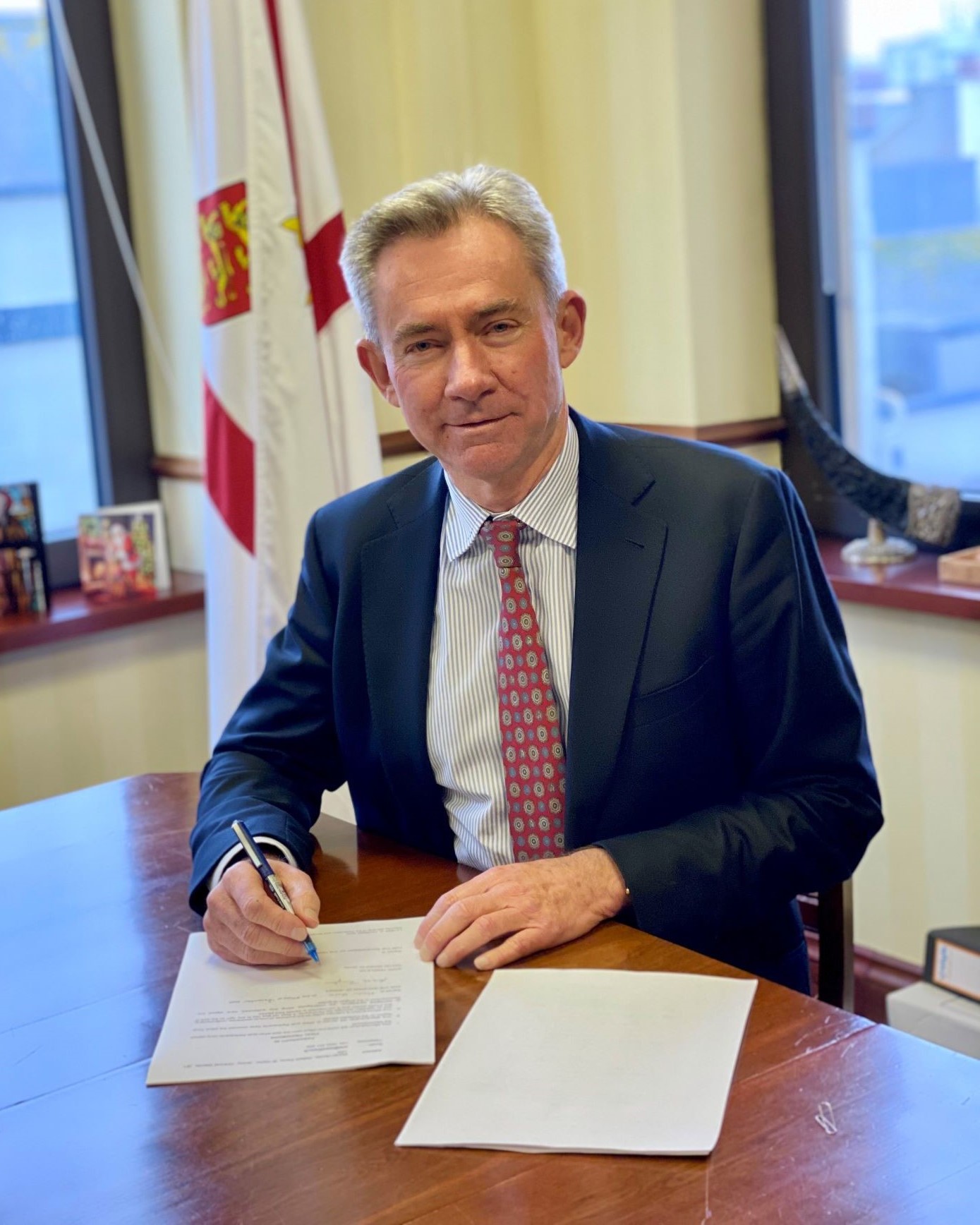
The MoU was signed in December 2025 by His Majesty’s Attorney General for Jersey, Mark Temple KC, marking another milestone in the growing partnership between Nigeria and Jersey aimed at combating cross-border corruption and ensuring accountability in public finance management.
According to official disclosures, the recovery process followed legal actions initiated on 29 November 2023, when Jersey’s Attorney General applied to the Royal Court of Jersey under the Forfeiture of Assets (Civil Proceedings) (Jersey) Law 2018. The application sought the forfeiture of funds held in a Jersey-based bank account and believed to be tainted.
On 12 January 2024, the Royal Court granted a forfeiture order, ruling that the funds were “more likely than not” proceeds of a corrupt scheme. The court found that third-party contractors had diverted government funds for the benefit of senior Nigerian officials and their associates—an action that triggered the forfeiture and eventual repatriation process.
Strengthening a Proven Partnership
The latest recovery builds on a solid history of cooperation between Nigeria and Jersey. Over the years, the two jurisdictions have entered into two previous asset recovery agreements, under which more than $300 million has already been returned to Nigeria. These funds have been directed toward major national infrastructure projects, including the Lagos–Ibadan Expressway, the Second Niger Bridge, and the Abuja–Kano Road.
Both the Lagos–Ibadan Expressway and the Second Niger Bridge have since been completed, providing tangible proof that repatriated assets can be effectively deployed for public good. With this latest tranche of $9.5 million, Nigeria aims to support the final stages of the Abuja–Kano Road, a 375-kilometre highway regarded as a critical economic artery linking the nation’s capital to one of its largest commercial hubs.
A Tool Against Corruption
Speaking on the development, Mark Temple KC, His Majesty’s Attorney General for Jersey, underscored the significance of the recovery and the legal framework that made it possible.
“This successful return demonstrates the strength of our civil forfeiture legislation as a powerful tool in the fight against corruption,” he said. “I thank the Nigerian authorities for their cooperation and the Economic Crime and Confiscation Unit in my Department for their unwavering commitment to recover the proceeds of crime.”
Temple’s remarks highlight Jersey’s growing reputation as a jurisdiction unwilling to serve as a safe haven for illicit wealth, particularly funds linked to corruption in developing economies.
Nigeria Reaffirms Commitment to Accountability
On Nigeria’s side, the Honourable Attorney General of the Federation and Minister of Justice, Lateef Fagbemi, SAN, welcomed the development as a testament to effective international collaboration.
“The successful recovery and repatriation of the forfeited assets underscores the effectiveness of Nigeria’s collaborative efforts with its international partners in ensuring that there is no safe haven for illicitly acquired wealth or assets moved to foreign jurisdictions,” Fagbemi stated.
He further expressed gratitude to the Bailiwick of Jersey for its cooperation throughout the recovery process and reassured stakeholders of Nigeria’s commitment to transparency.
“I want to further assure the Bailiwick of Jersey that the repatriated assets will be judiciously utilized in line with the terms of the executed Memorandum of Understanding,” he added.
Beyond Recovery: Restoring Public Trust
Analysts say the latest repatriation goes beyond the recovery of stolen wealth; it sends a strong signal about Nigeria’s renewed resolve to pursue accountability, strengthen institutions, and ensure that corruption does not undermine development.
With infrastructure gaps remaining a major challenge in Africa’s largest economy, the redirection of recovered funds toward roads, bridges, and transport corridors offers citizens visible dividends of global anti-corruption efforts.
As Nigeria continues to tighten its anti-corruption architecture and deepen partnerships with international jurisdictions, the return of over $9.5 million from Jersey stands as both a symbolic and practical win—one that reinforces the message that stolen public funds can be traced, recovered, and redeployed for the benefit of the people.


