

Initiative Aims to Protect Against Skin Cancer and Promote Inclusion
In a landmark move to promote the health, safety, and inclusion of Persons with Albinism (PWAs), the Abia State Disability Commission has unveiled plans to distribute free sunscreen lotions across the state. The initiative, according to the Commission, seeks to protect beneficiaries from the harmful effects of ultraviolet rays and reduce the high risk of skin cancer prevalent among persons with albinism.
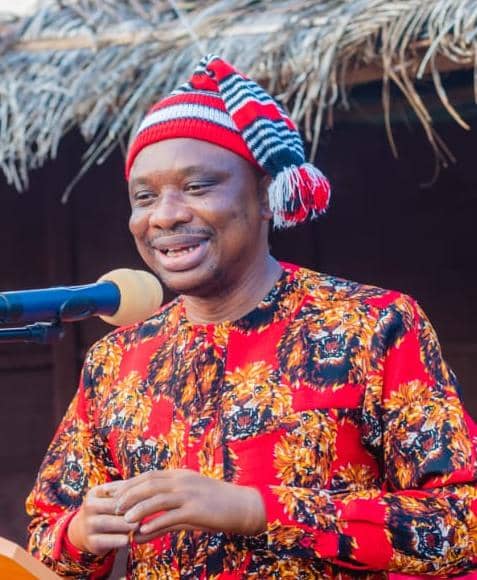
Chairman of the Abia State Disability Commission, Mr. David Anyaele, made this known during a one-day Albinism Medical Sensitisation Programme held at the School for the Blind, Afara, Umuahia. The event, themed “Meeting the Needs of Persons with Albinism through Medical Model”, was organised by the Abia State Chapter of the Albinism Association of Nigeria (AAN).
Speaking during the sensitisation, Anyaele described the sunscreen distribution as a demonstration of the state government’s commitment under Governor Alex Otti’s administration to enhance the well-being of all Persons with Disabilities (PWDs), particularly those living with albinism.
“The Commission will provide four packs of sunscreen lotion to each participant. This is to ensure that members of the Albinism community have protective cream to shield their skin from the scorching sun and prevent skin cancer,” Anyaele stated.
He further disclosed that the AAN chairman would propose a suitable date for the official distribution of the lotions, adding that the Commission would also provide transportation stipends for beneficiaries traveling to collect their items.
While assuring continued government support, Anyaele urged Persons with Albinism not to depend solely on the government for solutions to their challenges but to take active roles in awareness creation, advocacy, and self-development.
“The government understands the serious health implications of excessive exposure to sun rays, which often leads to skin cancer, loss of sight, and difficulty in participating in social and educational activities. We also recognise the economic hardship faced by many PWAs due to limited employment opportunities and poverty,” he added.
The Disability Commission, he revealed, has already built the capacity of the 17 Local Government Area Chairmen and Permanent Secretaries across Ministries, Departments, and Agencies (MDAs) on disability inclusion, implementation of the Abia State Disability Law, and disability budgeting.
In continuation of its disability mainstreaming efforts, the Commission is also engaging officials from the Health and Education Departments across the 17 LGAs on inclusive service delivery. Notably, this effort includes the active participation of Ms. Ijeoma Okoronkwo, a member of the Commission’s Board and a representative of the Albinism Cluster.
According to Anyaele, the Abia State Disability Commission has also provided financial support to all disability clusters, including the AAN, to help them commemorate their respective international awareness days and run advocacy campaigns.
He commended the leadership of the AAN for organising the sensitisation event, describing it as a timely intervention to raise awareness about the health, social, and economic realities faced by persons with albinism.
“I must commend the Albinism Association of Nigeria for this initiative. It’s through awareness like this that we can correct long-held misconceptions and break the myths surrounding albinism,” he said.
Anyaele decried the continued discrimination and stigma that persons with albinism face across Africa, citing examples of countries such as Tanzania where PWAs have been subjected to ritual killings and violent attacks due to harmful traditional beliefs.
“In some African countries, persons with albinism are still regarded as endangered species. In Tanzania, for instance, they are often hunted for ritual purposes. In Nigeria, they may not face such extreme violence, but they suffer mockery, bullying, exclusion, isolation, stigma, and denial of opportunities,” he lamented.
He stressed that members of the Albinism community in Nigeria must rise to the challenge of leadership in awareness creation, helping to correct misconceptions, advocate for their rights, and educate the public about albinism as a genetic condition—not a curse or taboo.
Anyaele further highlighted the role of disability laws at both federal and state levels in protecting the rights of PWDs, calling on all disability clusters to participate actively in promoting the effective implementation of these laws.
“Our strength lies in unity and knowledge. Persons with Albinism must not only depend on government interventions but must also drive their own narrative through advocacy, leadership, and knowledge acquisition,” he concluded.
The sensitisation programme was attended by representatives of the disability community, medical professionals, and government officials, who lauded the initiative as a major step toward inclusive health care and social protection for persons with albinism in Abia State.
As the Abia State Disability Commission prepares for the sunscreen distribution, the move is being widely praised as a model of practical disability inclusion—one that prioritises not only accessibility but also health and dignity for all.


